The Invisible Spectacle: How DNEG Mastered the Technical Complexity of Citadel Season 2

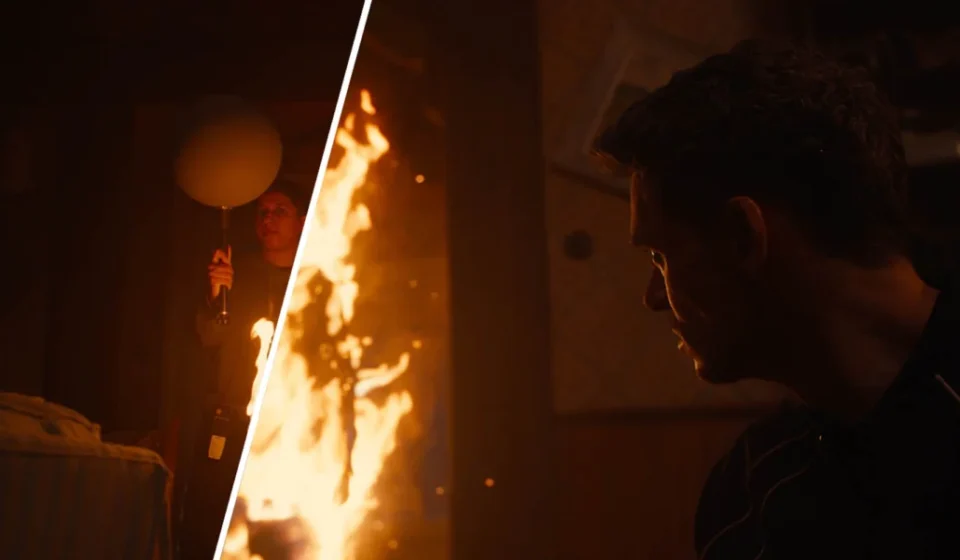
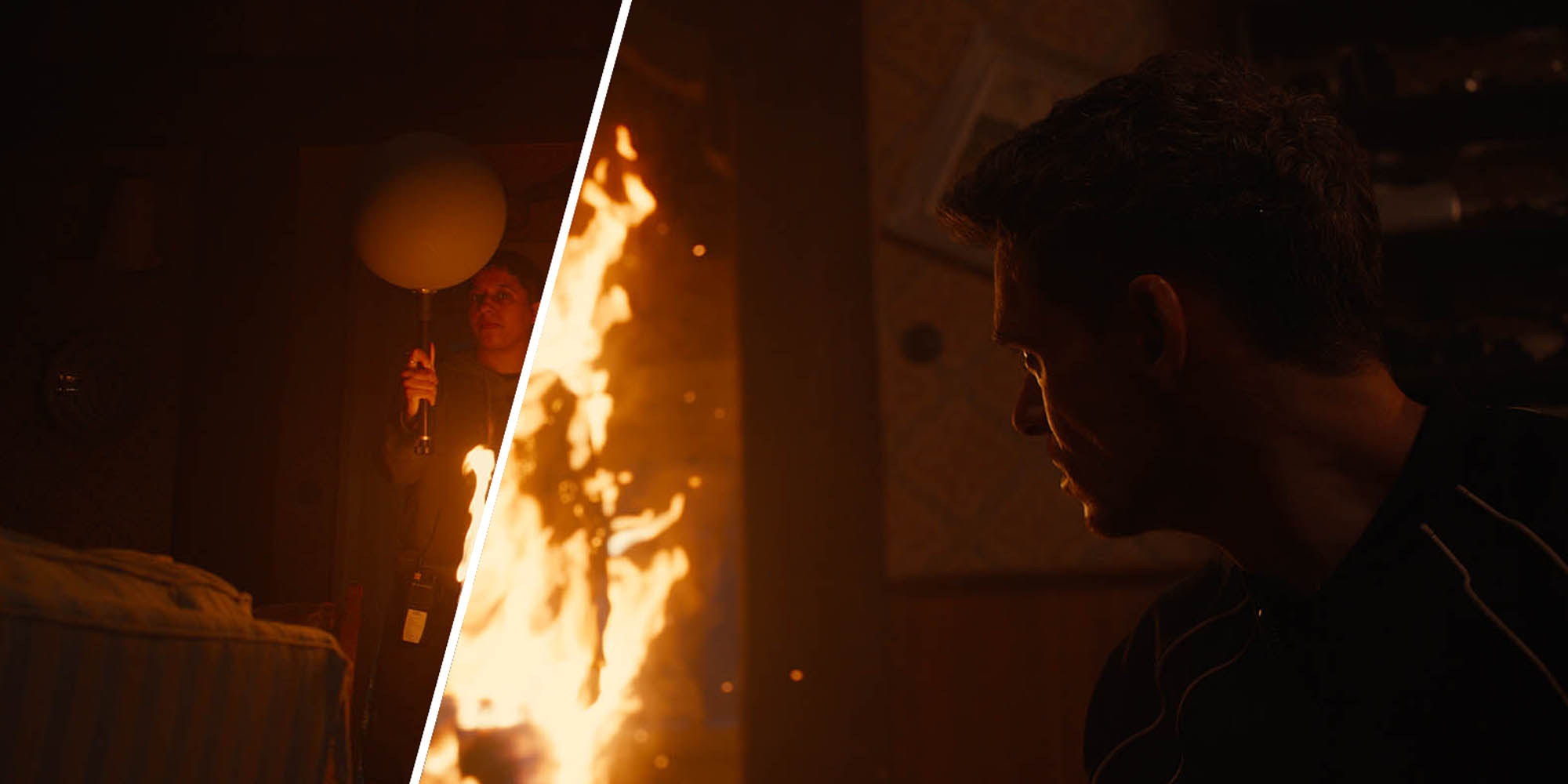
When audiences tune into the second season of the high-octane espionage thriller Citadel, they are greeted by a visual landscape that seamlessly blends grounded, gritty realism with breathtaking digital artifice. From intimate character moments—such as a man suffering the harrowing effects of being engulfed in flames—to the macro-scale destruction of orbital satellite networks, the series represents a masterclass in modern visual effects.
Behind this visual achievement is the team at DNEG, led by VFX Supervisor Daniel Baldwin. In a deep-dive conversation with fxg, Baldwin pulls back the curtain on the technical rigor, collaborative preparation, and artistic philosophy that allowed DNEG to elevate the storytelling of Citadel Season 2 without ever letting the "digital" feel of the effects overshadow the actors’ performances.
The Foundation of Collaboration: Early Involvement
The success of Citadel Season 2 was not merely a post-production triumph; it was a testament to the power of early, integrated planning. DNEG’s involvement began at the very inception of the season, building upon the creative rapport established during the show’s freshman run.
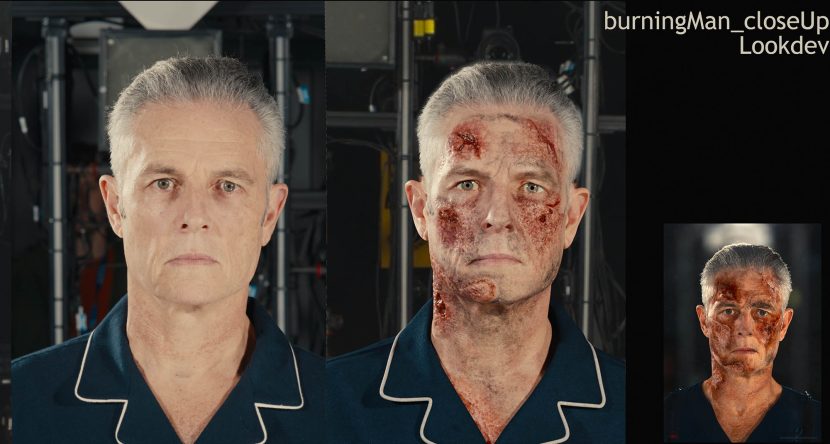
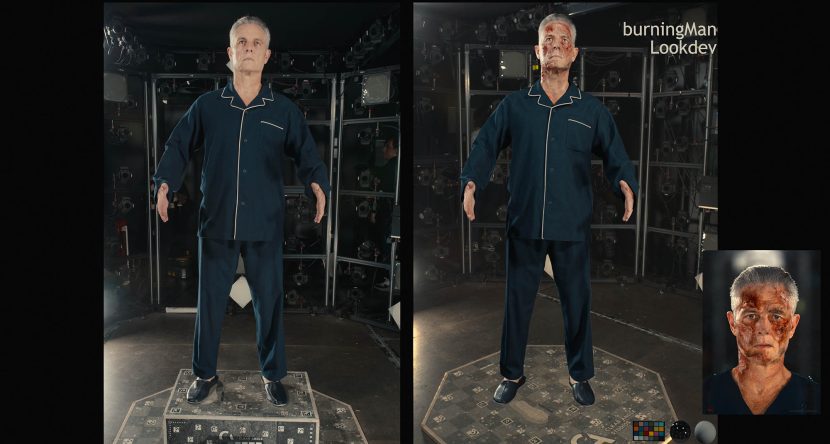
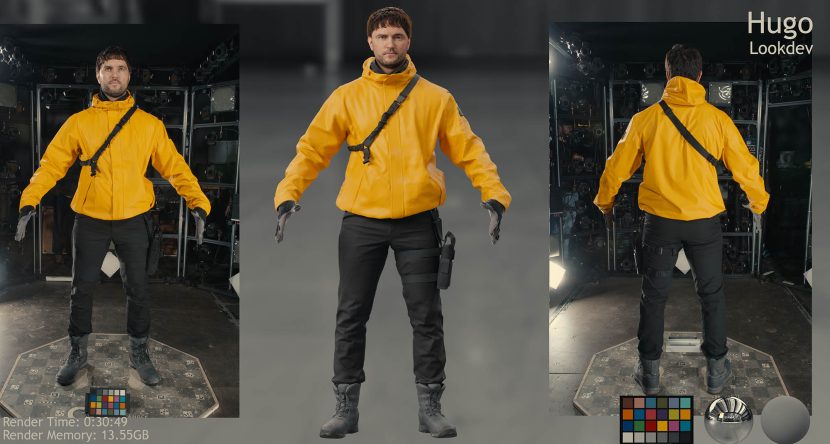
DNEG worked closely with Production VFX Supervisor Wesley Froud, whose collaborative style encouraged technical input long before cameras rolled. This partnership was vital for sequences requiring high-precision reference material, such as the "burning man" shots. Baldwin and his team were on-set for key data acquisition, including LiDAR scanning of environments, the meticulous recording of vehicle crash tests, and the digital scanning of principal actors. By treating VFX as an on-set discipline rather than an after-thought, the team ensured that every pixel generated in post-production was grounded in the reality of the scene’s lighting, geometry, and atmosphere.
Chronology of Craft: From Pre-Production to Final Frame
The production timeline for Citadel Season 2 was characterized by a cyclical approach to problem-solving. It began with rigorous research and development—often involving historical references for fire and physical simulations—followed by a technical "pre-vis" phase.
The Burning Man: A Study in Restraint
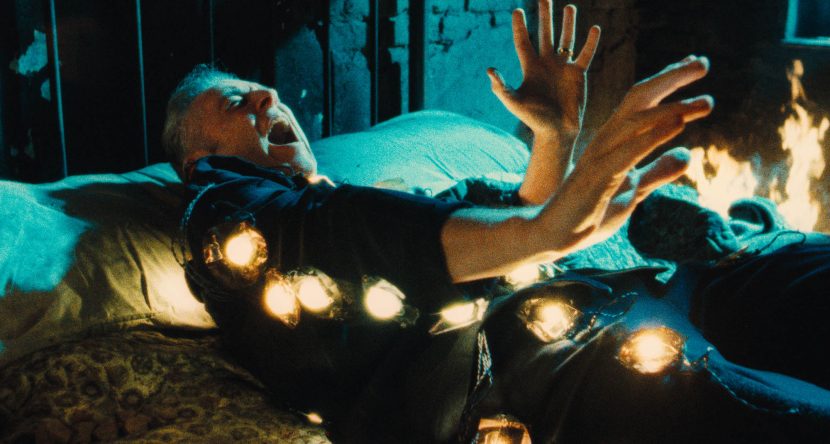
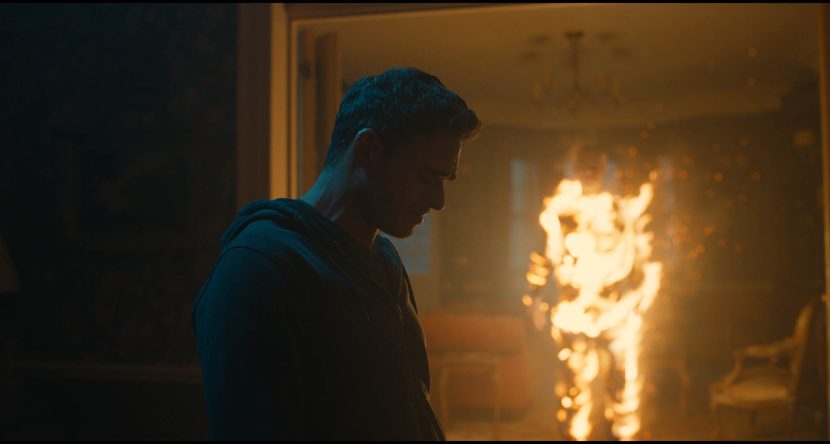
Perhaps the most sensitive sequence involved a character engulfed in flames. Rather than opting for a purely digital creation, the production team performed tests with mannequins in identical costumes to observe how fabrics burned, how smoke behaved, and how light interacted with the surrounding environment.
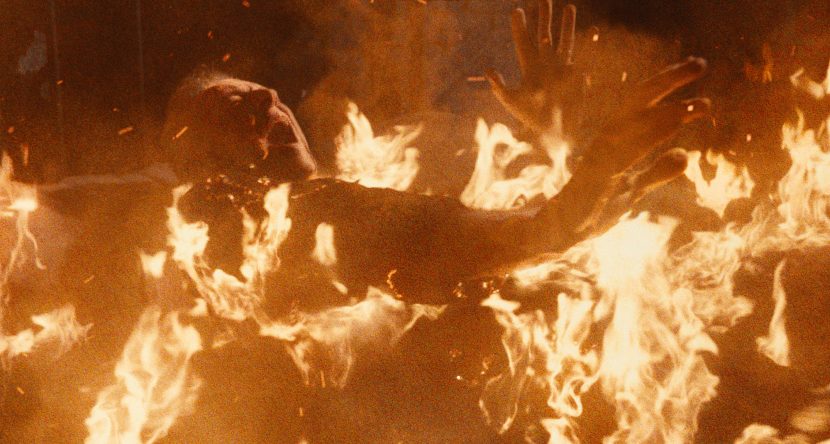
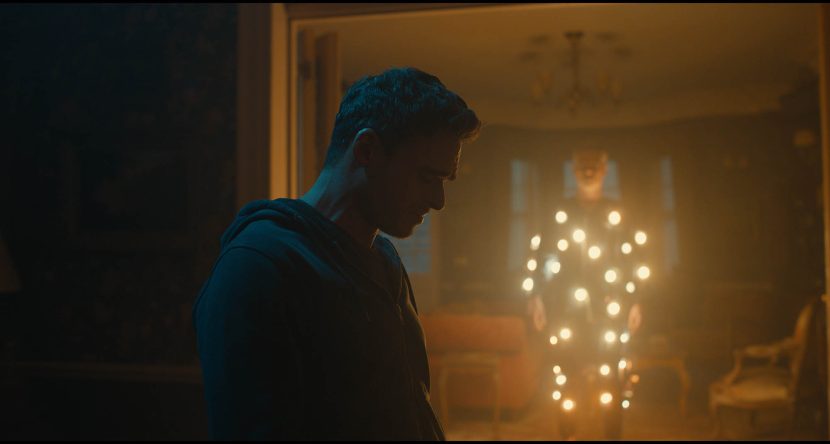
Crucially, the production team utilized an LED suit for the actor, allowing for realistic interactive lighting on the actor’s face and the set. Baldwin emphasizes that the goal was never to replace the actor’s performance with CGI. Instead, the effects were additive. By tracking flames onto the actor’s movements and adding subtle digital singeing, the team preserved the emotional core of the performance, ensuring the audience remained connected to the character’s pain rather than distracted by a digital avatar.
The Car Crash and the 80-Second Stitch
Action sequences in Citadel rely on kinetic energy, and the season’s centerpiece car crash was no exception. Interestingly, the sequence featured no practical stunt work. Instead, it was an entirely digital construction, heavily informed by real-world crash test footage. The team built CG vehicles based on manufacturer data, ensuring that the deformation of the metal and the shattering of the glass adhered to the laws of physics.
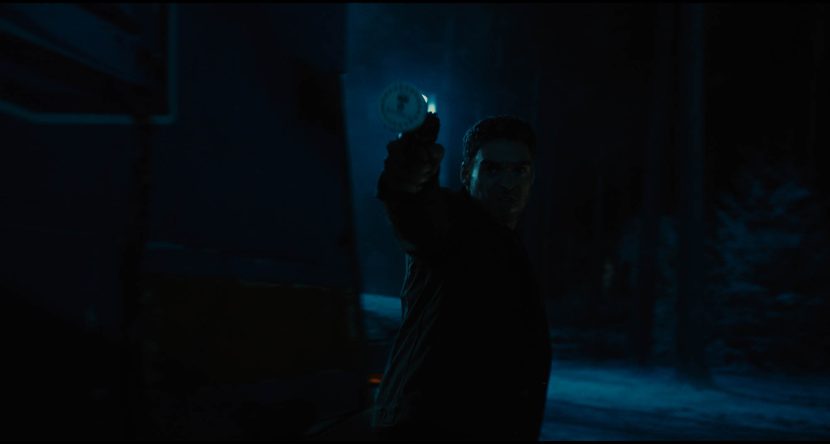
The season also features a complex 80-second continuous shot that stitches together a drone capture and a Steadicam take. Because the two plates were captured at different times of day with shifting natural light, the transition could not be solved with a simple 2D wipe. DNEG’s layout team had to reconstruct the environment in 3D, relighting the digital assets to bridge the gap between the two plates. It is a sequence that, to the viewer, feels like a single, fluid moment, but in reality, it required a complex, frame-by-frame 3D integration of geometry, lighting, and cloth simulations.
Supporting Data: The Technical Pipeline
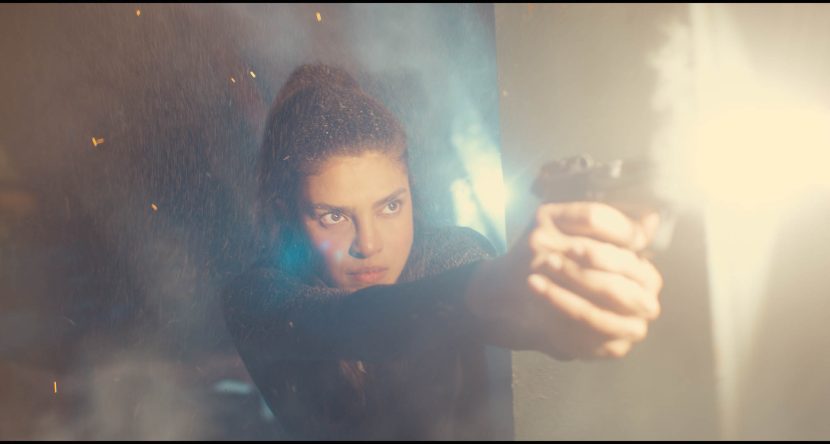
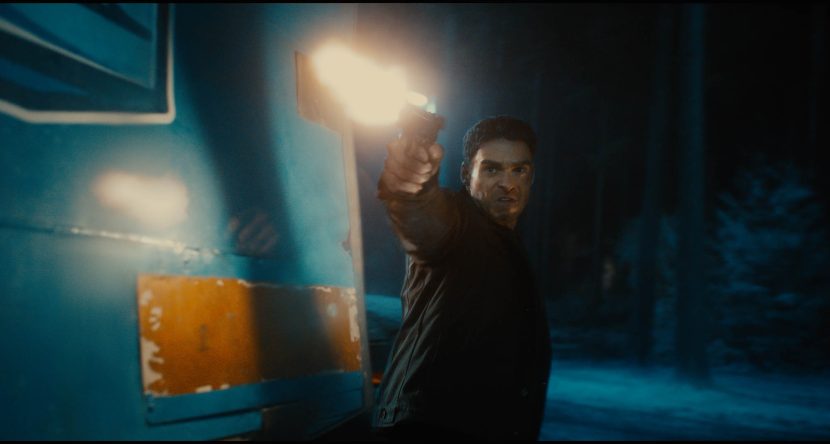
DNEG’s approach to Citadel reflects a sophisticated hybrid pipeline. While the studio maintains an extensive library of 2D elements—such as muzzle flashes and bullet hits—they do not hesitate to pivot to procedural Houdini setups when the situation demands it.
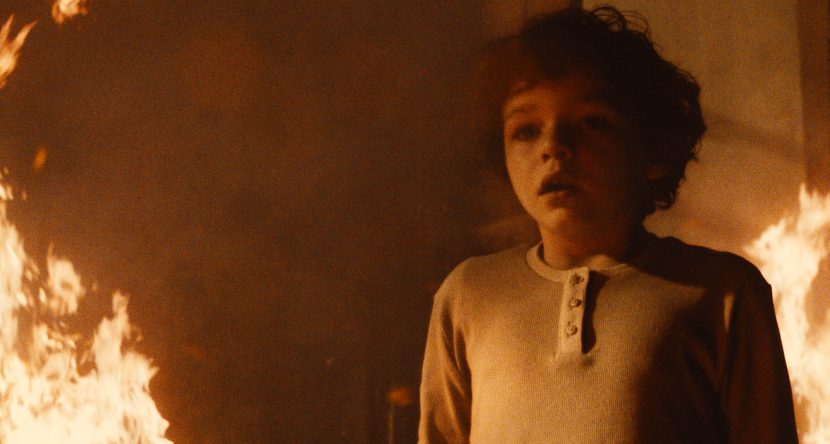
When camera movements are too extreme for flat 2D elements, or when lighting conditions are unique, the FX team turns to 3D simulations. For digital blood, there is no "magic formula." Every shot was treated as an individual challenge, balanced by the need for realism. By utilizing HDRIs (High Dynamic Range Images) and chrome/grey reference balls on set, the lighting and compositing teams were able to match the digital elements to the physical environment with surgical precision.
Official Perspectives: The Philosophy of "Invisible" VFX
Throughout the interview, Daniel Baldwin consistently highlights a philosophy of "invisible work." Whether it is de-aging, face replacement, or digital wound augmentation, the directive was always to respect the source material.
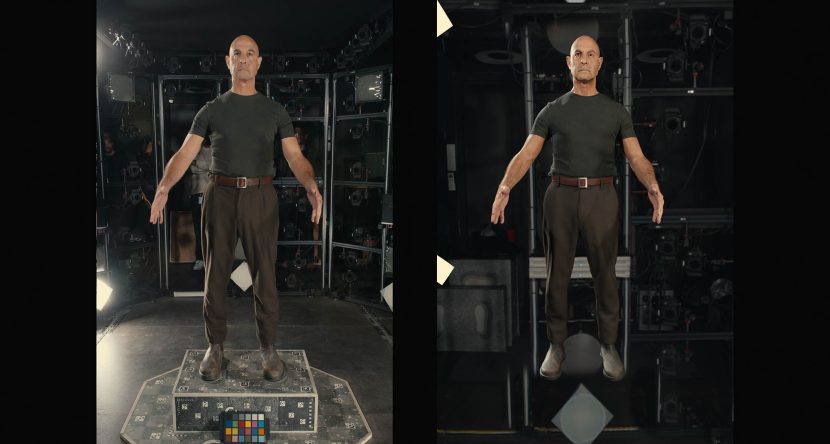
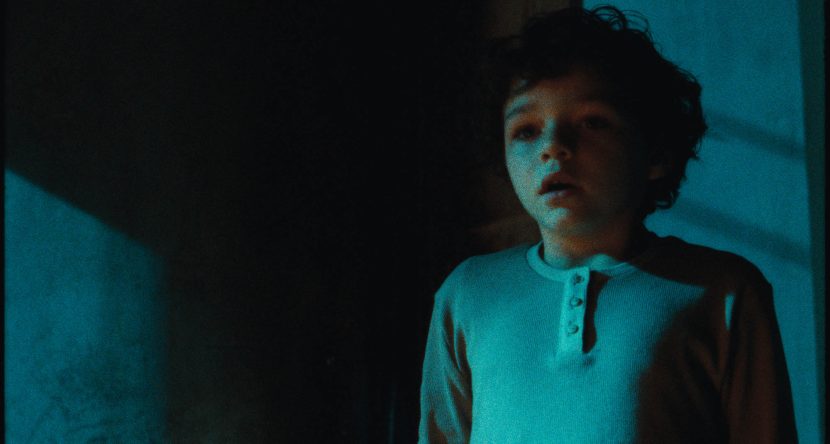
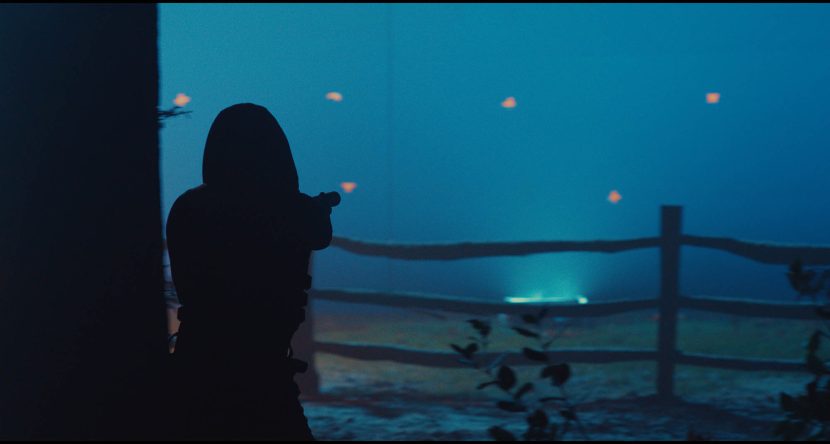
"We were careful to respect and never alter the principal actors’ performances," Baldwin notes. This restraint is particularly evident in the finale’s space sequence. When the satellite network is destroyed, the team faced a dilemma: should they include fire in the vacuum of space? While scientifically inaccurate, they chose a cinematic middle ground. They included brief, intense bursts of fire from internal fuel sources that extinguished quickly, maintaining the "zero-gravity" feel while providing the audience with the visual language necessary to understand the stakes of the scene.
Implications for the Future of Episodic Television
The work on Citadel Season 2 suggests a shift in the standard for episodic visual effects. As audiences become increasingly savvy about CGI, the demand for "seamlessness" has never been higher.
The implications of DNEG’s workflow are significant:
- The Death of the "Post-Only" Workflow: The success of Citadel proves that VFX must be a part of the cinematography and production design process. The use of LED suits and on-set flame bars provided data that allowed the digital artists to work with "ground truth" lighting rather than guessing.
- The "Episodic Feature" Standard: The level of detail—from the 2.5D building projections to the complex cloth simulations on a digital double—mirrors the quality usually reserved for blockbuster films. The fact that this was achieved under episodic schedules speaks to the efficiency of the collaboration between the VFX producers and the creative team.
- The Importance of Reference: By avoiding "invented" physics—whether it be the movement of a rolling car or the trajectory of space debris—DNEG has set a benchmark for grounded storytelling.
In conclusion, the visual success of Citadel Season 2 is a triumph of balance. By leaning on meticulous research, respecting the performances of the cast, and utilizing a sophisticated, data-driven pipeline, the team at DNEG has created a season that feels both epic in scope and grounded in reality. The "burning man" sequence, in particular, stands as a hallmark of this approach—a technically demanding feat that, in the end, achieves the ultimate goal of visual effects: to disappear entirely into the narrative.