The Reluctant Critic: Why Andy Weir Gladly Failed at Editing the ‘Project Hail Mary’ Movie

The 2026 adaptation of Andy Weir’s Project Hail Mary has cemented itself as a cornerstone of modern science-fiction cinema, balancing the hard-science rigor of the original 2021 novel with the kinetic, emotional storytelling of directors Chris Lord and Phil Miller. With a runtime of two hours and 36 minutes, the film is a dense, high-stakes odyssey that captivated global audiences. However, the path to the final cut was anything but straightforward. Behind the scenes, the author himself—a man whose scientific precision is legendary—repeatedly pushed to cut two of the film’s most celebrated sequences, only to be overruled by his collaborators.
In an exclusive interview, Andy Weir candidly admitted that his instincts as an author often clash with the needs of visual storytelling. His failed attempts to "streamline" the movie have become a humorous case study in why creators should sometimes stay out of the editing bay.
The Evolution of the Final Cut: From Four Hours to Fan-Favorite
When production on Project Hail Mary wrapped, the initial assembly cut sat at a daunting four hours. In the world of high-budget studio filmmaking, such a length is usually a death knell, and the project faced "brutal feedback" during early screenings. The task of whittling down the narrative fell to Lord and Miller, who faced the immense pressure of condensing a dense, technical space-survival story without losing the heart of the journey.
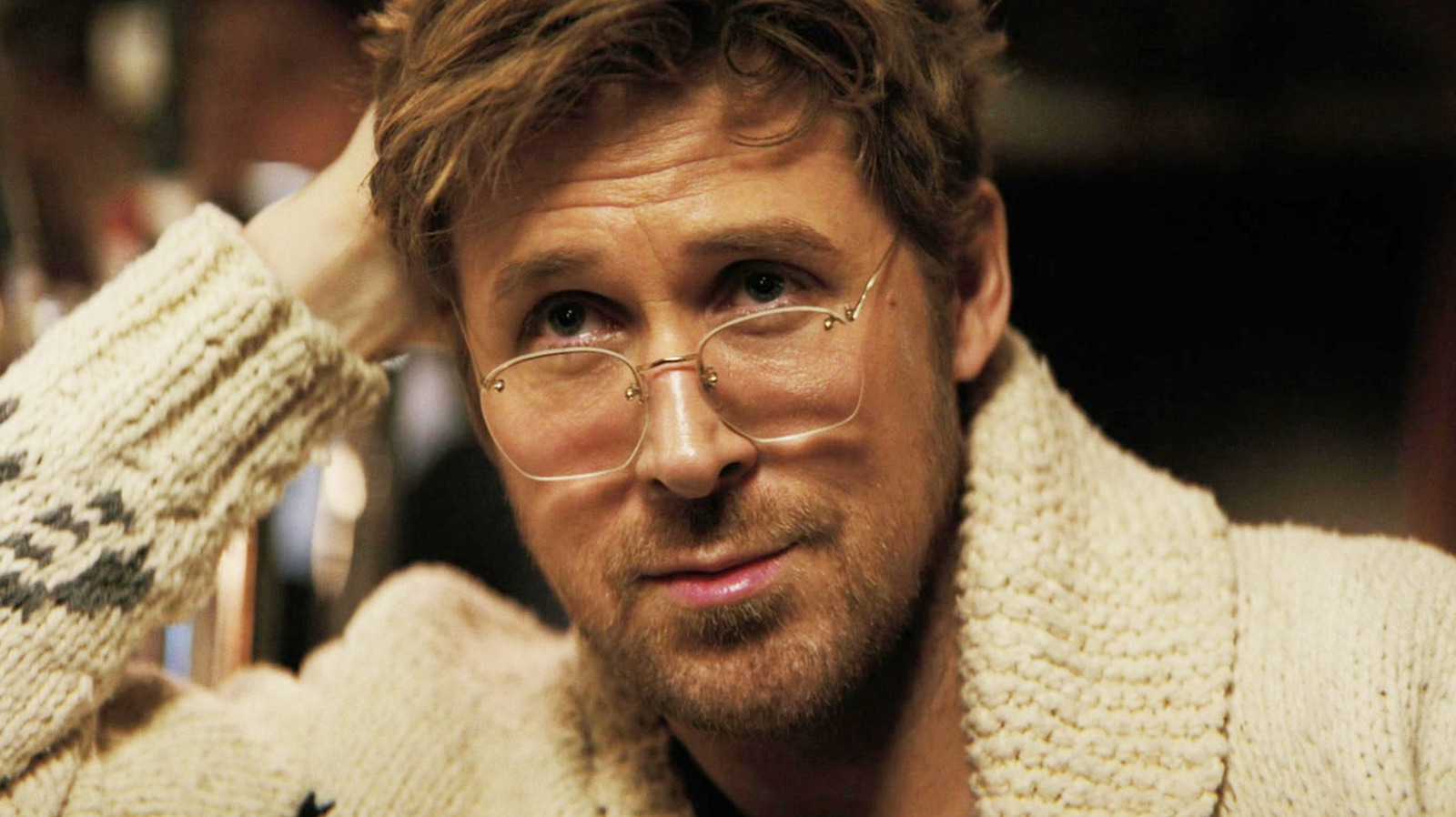
Throughout this process, Weir maintained an active voice in the editing room. Yet, as the film reached its final, polished form, it became clear that Weir’s vision of a "leaner" film was at odds with the audience’s desire for character depth and atmospheric immersion. Reflecting on the process, Weir offered a humble, if not slightly embarrassed, assessment of his contributions: "What I’ve learned from the process of PHM is that I belong writing novels and I should never be a director. There were scenes in the movie that I argued we should cut that are people’s favorite scenes."
The "Pointless" Astrophage Spectacle
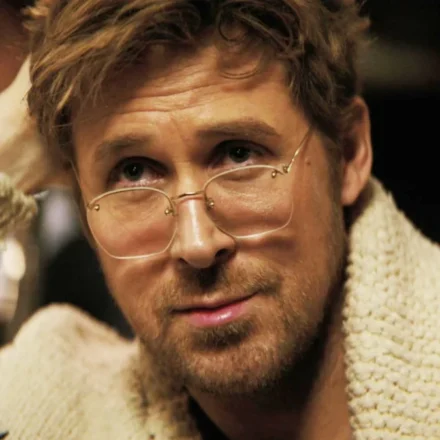
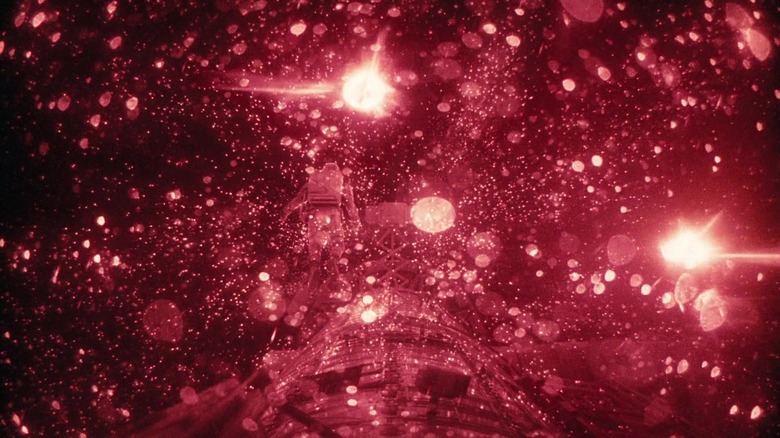
The first major point of contention between Weir and the production team was the visually arresting sequence where Ryan Gosling’s Ryland Grace performs a space walk through the Petrova Line. In the scene, the void of space is suddenly filled with a glowing, ethereal pink dust—the astrophage—as a powerful musical score swells, creating a moment of pure, cinematic transcendence.
To the audience, it is a breathtaking display of cosmic beauty. To Andy Weir, the scientific purist, it was a logic error that served no narrative purpose. "I’m like, ‘Yeah, cool, but we should cut it because it doesn’t advance the plot,’" Weir recalled. His argument was rooted in the strict internal logic of the book: "He’s just sitting out there and he wouldn’t be able to see that anyway. He can’t see infrared. So this doesn’t even make sense. This is dumb. We should get rid of it."
The reality of the filmmaking process, however, proved more powerful than the technical specifications of the character’s eyesight. The scene was captured using actual infrared lighting rigs and intricate on-set practical effects, resulting in a sequence that has since been hailed as one of the most visually stunning moments in 2020s science fiction. It is a prime example of how cinema occasionally sacrifices cold logic for the sake of emotional resonance—a trade-off Weir is now more than willing to acknowledge as a win for the film.
The Karaoke Conflict: Humanizing the Hard-Nosed Bureaucrat
If the astrophage scene was a disagreement over scientific realism, the debate over Eva Stratt’s karaoke scene was a conflict of character perception. Played by Sandra Hüller, Stratt is the cold, calculated, and uncompromising director of the global effort to save the planet. In the film, a moment is included where the audience sees this iron-willed woman letting her guard down during a karaoke performance.
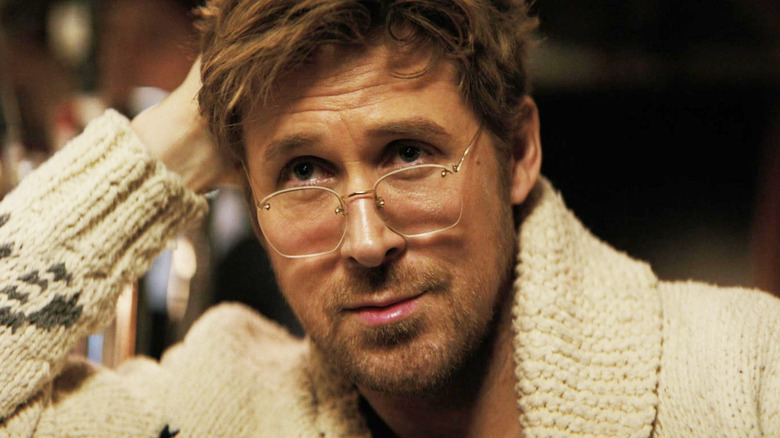
Weir, who authored the character as a force of nature driven by pure necessity, felt the scene was an unnecessary distraction. "I wanted to get rid of the karaoke scene," he admitted. "We’re running long. This is a long movie, and we’re just going to have Stratt singing karaoke, which seems a little iffy for the character of Stratt that I had in mind anyway."
Once again, Lord and Miller stood their ground. They recognized that the audience needed to see the human being buried beneath the mountain of global responsibility. The scene, which was not originally in the film and was added later to bolster the emotional stakes, has since been identified by test audiences as a pivotal moment of character development. It serves as a brief, desperate glimpse into the psyche of a woman forced to make decisions that weigh the survival of the species against individual morality.
A History of Visual Misjudgments
The tension between Weir’s literary sensibilities and the visual medium is not new. He pointed to his experience with the 2015 adaptation of The Martian as further evidence that his "creative intuition" regarding visuals might be flawed. When he first saw the marketing artwork for the film—which featured the iconic image of the astronaut falling backward into the Martian dust—he was unconvinced.
"I’m like, ‘I don’t like it,’" he recalled. Yet, the image went on to win design awards and is now considered one of the most iconic posters in modern film history. "They did such a great job," he admitted. "So I should just not be put in charge of anything that’s visual."
Implications: The Author’s Role in Adaptation
The case of Project Hail Mary provides a fascinating window into the relationship between source material and adaptation. In literary adaptations, there is often a tug-of-war between the author’s protective instincts and the director’s need to translate prose into a visual language.
Weir’s transparency is refreshing, but it also underscores a vital lesson for the industry: the best adaptations often involve a collaborative friction. Had Weir’s suggestions been followed, the movie might have been more "logically consistent" or "shorter," but it almost certainly would have been less impactful. The scenes he fought to cut are precisely the ones that provide the film with its unique, lingering texture.
As for Weir, he has accepted his role in the ecosystem of filmmaking with good humor. He recognizes that while he is the architect of the Project Hail Mary universe, he is not the best person to curate the sensory experience of that universe once it moves off the page. By stepping back and allowing Lord and Miller to trust their instincts, he ensured that his novel became more than just a book on screen—it became a cinematic experience that resonated with millions.
In the end, the success of the film serves as a testament to the fact that sometimes, the best thing an author can do for their adaptation is to let go of the pen, exit the editing bay, and trust the vision of the people holding the camera. As Weir himself noted, "Everyone who watched the movie agrees it’s awesome. So I mean, this is a recurring pattern for me." And for fans of Project Hail Mary, that pattern is something to be celebrated.