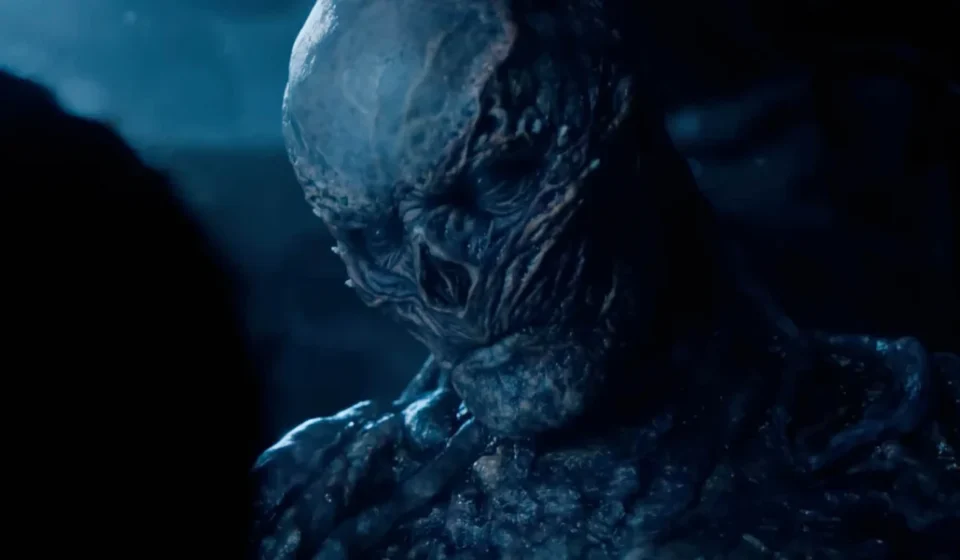
Bridging Reality and the Upside Down: The VFX Mastery of Stranger Things Season 5

The conclusion of the Duffer Brothers’ Stranger Things is not merely the end of a cultural phenomenon; it is a masterclass in modern visual effects (VFX) integration. For its fifth and final season, the production team sought to dismantle the artificial wall between “practical” filmmaking and “digital” enhancement. At the heart of this massive creative undertaking was lead visual effects supervisor Betsy Paterson, who spent three years orchestrating a seamless fusion of physical production and computer-generated imagery (CGI).
The Philosophy of Invisible Handoffs
For Paterson, who joined the production as scripts began to materialize, the objective was never to choose between a physical prop and a digital asset. Instead, her role was to determine the precise point where each department—production design, stunts, hair, makeup, and VFX—could contribute its strongest work, ensuring the transition between the real and the rendered remained entirely invisible to the audience.
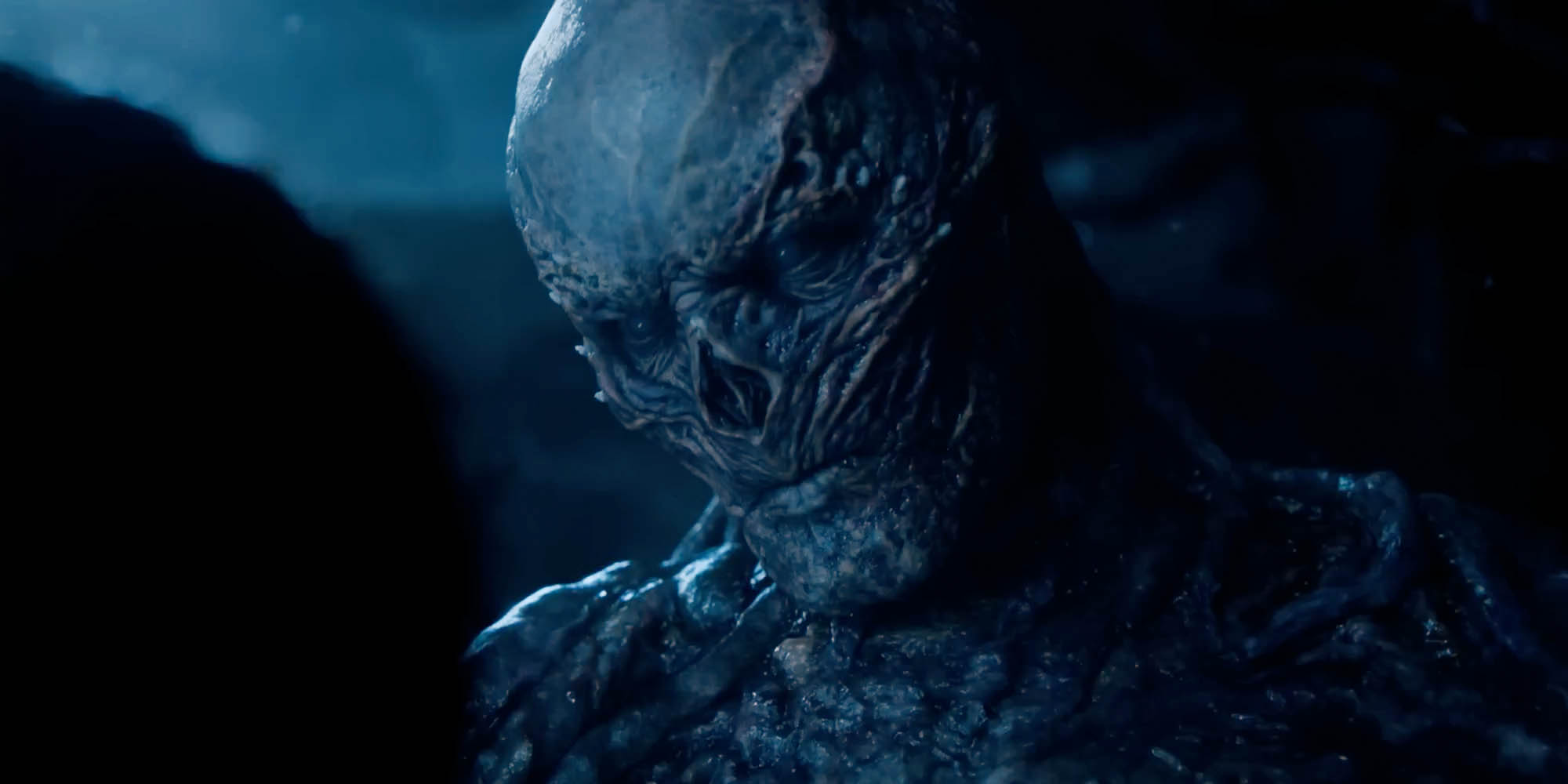
In an era where many filmmakers insist that their work was achieved “in-camera” to appease a public wary of CGI, Stranger Things takes a different approach. The series leans into its digital nature, acknowledging that while the Upside Down, Demogorgons, and the terrifying entity Vecna are not physical realities, their impact on the viewer is predicated on their interaction with a tangible world. By prioritizing physical interactions, practical lighting, and on-set environmental cues, the VFX team provided the cast with a genuine, visceral foundation, rather than forcing them to perform against empty air.
Chronology of the Production Workflow
The development of Season 5 was a marathon of collaborative planning that began over a year before cameras rolled.
Phase 1: Pre-Production and Previs
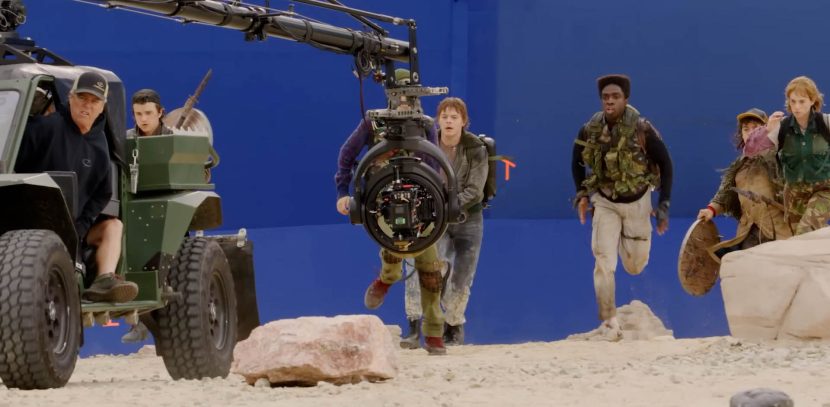
The production utilized pre-visualization (previs) as the common language for the entire crew. This allowed the Duffer Brothers and the department heads to map out complex sequences—such as the expansive final battle—before a single frame was captured. By defining the geography of the set, the size of the creatures, and the timing of the action, the team ensured that when the actors were eventually placed in a bluescreen environment, they were following a blueprint that made sense spatially.
Phase 2: The On-Set Hybridization
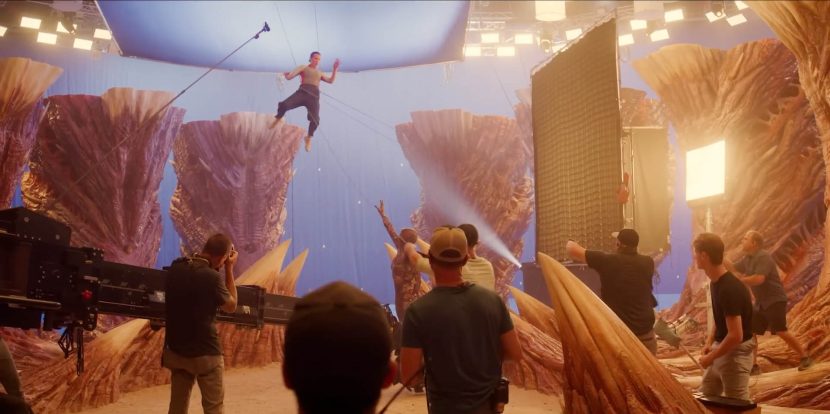
During the shoot, the production employed sophisticated hybrid techniques. In the quarry sequence, for example, the team used an augmented reality (AR) setup. Through an iPad, the crew could view the creature at scale within the environment. Practical cues, such as sand bursts marking the creature’s footfalls, gave the performers a physical sense of timing and scale. This was not just for the camera; it was to ensure the actors felt the "pressure" of the monster’s presence.
Phase 3: Post-Production and Iteration
Once filming concluded, the workload shifted to a massive network of VFX houses, led by Wētā FX and ILM, with additional contributions from Eyeline, Rodeo FX, BigHug FX, and BOT VFX. Managing the sheer volume of data required a rigorous review schedule, with Paterson overseeing up to 300 shots per day during peak production. This stage relied on a constant, bidirectional feedback loop between the vendors and the production team to ensure that the final digital renders matched the intent established on set.
Supporting Data: Techniques and Technical Hurdles
The success of the season relied on several key technical innovations that balanced performance with visual fidelity.
The Vecna Paradox: Performance vs. Post-Production
The character of Vecna, portrayed by Jamie Campbell Bower, presented a significant challenge. While motion capture is the industry standard for such characters, the production insisted that Bower be physically present on set. To achieve this, the team developed a specialized workflow:
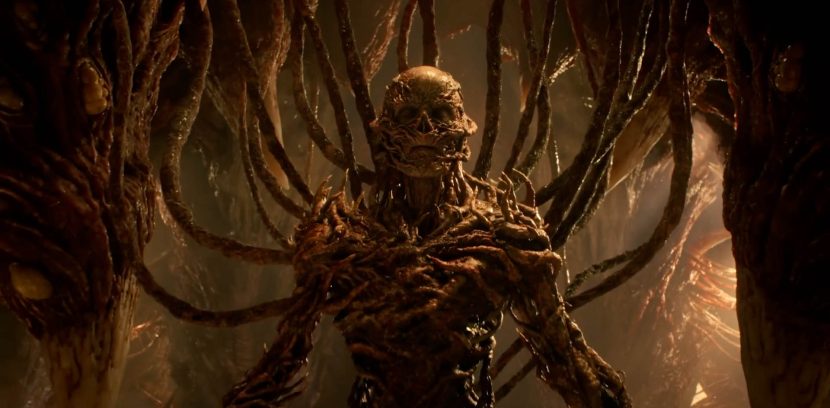
- The Practical Suit: Bower wore a custom suit with minimal tracking markers, allowing him to interact directly with other actors.
- Performance Enhancement: When animation tests revealed that the suit made Bower’s silhouette appear too slight, he requested physical padding to help him inhabit the character’s threatening stance.
- The Digital Layer: Wētā FX then performed extensive digital body replacement. By retaining Bower’s practical performance as the anchor, the team ensured that the digital version possessed the same emotional weight and "fright factor" as the physical actor.
The "Young Will" De-Aging Initiative
Perhaps the most scrutinized element of the season was the return to a young Will Byers. The team faced the "VFX face" dilemma: how to replicate an iconic, beloved character without the uncanny valley effect.
- The Methodology: The production cast a young performer, Luke, whose facial proportions mirrored those of a young Noah Schnapp.
- Data Capture: The team employed a multi-camera witness setup on set to capture every micro-expression.
- Reference Archives: Wētā FX utilized a massive repository of Season 1 footage, outtakes, and publicity materials to calibrate their models.
- The Result: The success of the shots, particularly the quiet, close-up moments, proved that the key to digital de-aging is not just high-resolution rendering, but the retention of authentic performance markers like muscle tension and lip transitions.
Environmental Design
The production design team played an unsung hero role. By building sets—such as laboratory glass walls—that were modular or removable, they allowed the VFX team to decide in real-time whether to keep real reflections or replace them with digital enhancements. This flexibility prevented post-production from becoming a "rescue mission" and instead allowed it to be an extension of the set design.
Official Responses and Creative Vision
Reflecting on the process, Betsy Paterson emphasizes that the most significant achievements were often the least "flashy."

“We need to do as much real as possible, and the line becomes when it is just not possible anymore. Yes, the Demogorgon is fully CG, but we work really hard to make sure the stuff it interacts with is real,” says Paterson.
The goal was to collapse the distance between the audience and the screen. By utilizing physical stand-ins, air hits, and weighted props for the actors, the team ensured that every interaction felt grounded in physical reality. Even the lighting was a collaborative endeavor; by having the colorist work in the same building as the VFX team, the production could adjust digital assets based on the final color grade, rather than forcing the grade to "fix" the VFX.
Implications for the Industry
The success of Stranger Things Season 5 serves as a blueprint for the future of blockbuster television. It reinforces a critical industry truth: VFX is most effective when it is treated as a collaborative discipline rather than a post-production silo.
- Early Integration: The involvement of VFX supervisors in the script and planning stages is no longer optional. It is essential for budget management and creative consistency.
- Hybridization as Standard: As AR and real-time rendering tools become more accessible, the "set" will continue to evolve into a digital-physical hybrid space.
- Human-Centric Digital Artistry: The "Young Will" sequence demonstrates that digital character work is only as good as the performance data fed into it. The industry is moving toward a model where digital characters are co-created by actors and animators, rather than purely generated.
Ultimately, the final season of Stranger Things proves that high-concept science fiction does not need to be cold or detached. By focusing on the small, tangible details—the weight of a prop, the texture of a surface, or the specific way a young actor’s mouth moves when they speak—the production team managed to make the impossible feel undeniably, hauntingly real. As the curtains close on the Upside Down, the legacy of this production will likely be the standard it set for how, and why, we blend the real with the rendered.