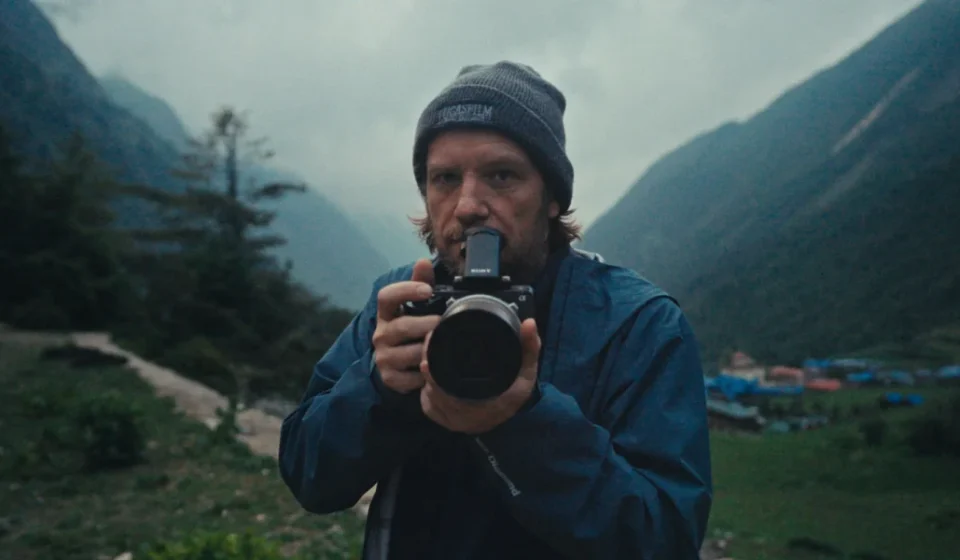

The landscape of professional digital cinematography is undergoing a seismic shift. As the boundaries between high-end theatrical production and run-and-gun filmmaking continue to blur, Sony has unveiled its latest answer to the industry’s demand for mobility without compromise: the FX5. This compact, full-frame Cinema Line camera, capable of 5K Open Gate acquisition and internal 16-bit X-OCN recording, represents a radical reimagining of what a production-grade camera system can be.
By stripping away the traditional, cumbersome infrastructure of cinema rigs, the FX5 promises a new era of "invisible" production, where the filmmaker’s footprint is reduced to a single bag of gear.
The Genesis of the FX5: A Director’s Tool
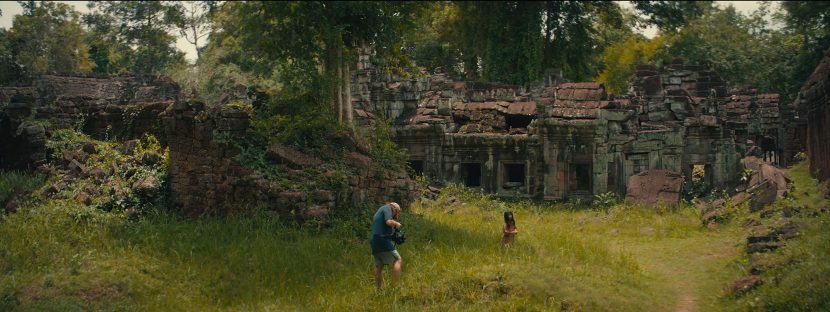
The philosophy behind the FX5 was put to the ultimate stress test by Gareth Edwards, the visionary director behind The Creator, Rogue One: A Star Wars Story, and Jurassic World: Rebirth. To evaluate the camera’s capabilities in the real world, Edwards embarked on an ambitious, week-long expedition through Cambodia, Thailand, and Nepal.
"Guerrilla filmmaking just went to the next level," Edwards remarked during his post-shoot debrief. "The FX5 is the run-and-gun cinema camera to beat."
For Edwards, this was a return to his roots. During the production of The Creator in 2022, he famously bypassed traditional studio constraints, utilizing a compact Sony FX3 to capture over 80 locations across Southeast Asia. By prioritizing mobility, he and his cinematographers, Greig Fraser and Oren Soffer, were able to scout and shoot simultaneously, maintaining a creative spontaneity that would be impossible with a large-scale traditional unit. The FX5 is effectively the evolution of that workflow—a self-contained system that eliminates the need for external recorders and heavy power distribution.
A Chronology of the Expedition
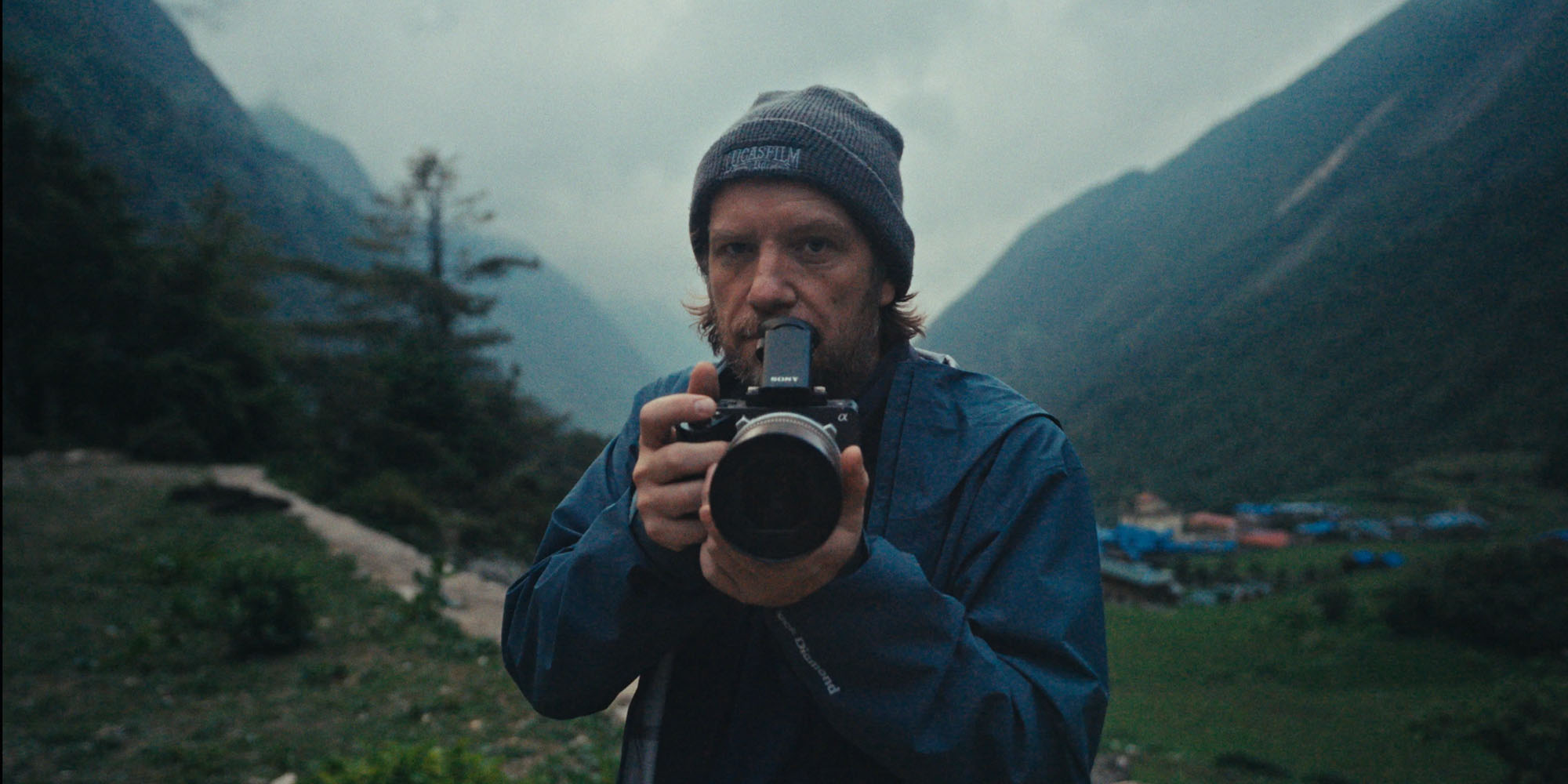
The production test was a lesson in extreme logistics and rapid adaptation. Edwards received the FX5 only one week prior to departure, forcing a trial-by-fire learning curve. The team moved through environments ranging from the scorching 35°C heat of ancient Southeast Asian temples to the sub-zero temperatures of Himalayan villages.
The Itinerary and Equipment Loadout
- Preparation: The team minimized their gear to three specialized bags: one for the FX5 body and lens, one for a compact motion-control dolly/slider, and one for essential accessories.
- The Workflow: By utilizing internal X-OCN recording, the team eliminated the need for external RAW recorders. The camera was configured around a vintage 2x Japanese anamorphic lens, chosen for its "painterly" optical character and compact physical footprint.
- The "Invisible" Crew: Operating with a minimalist team allowed for unprecedented access. In a Himalayan monastery, Edwards captured a Buddhist ceremony in real-time, blending in as a tourist rather than a film crew. This "hiding in plain sight" approach, he notes, is the key to capturing authentic human behavior—a feat that often requires weeks of bureaucratic red tape for larger productions.
Technical Specifications and Supporting Data
At the heart of the FX5 lies a newly engineered, fully stacked Exmor RS CMOS full-frame sensor. This silicon is paired with the BIONZ XR2 processor and a dedicated AI unit, enabling performance metrics that were, until recently, relegated to flagship cinema cameras.
Imaging Capabilities
- Resolution and Frame Rates: The FX5 captures 5K at up to 60 fps, 4K up to 120 fps, and Full HD up to 240 fps, providing immense flexibility for slow-motion storytelling.
- Dynamic Range: Rated at over 15 stops in S-Log3, the camera offers a graceful roll-off from highlights to shadows.
- Triple Base ISO: Perhaps the most significant development is the inclusion of three base ISOs—800, 4,000, and 12,800. This design allows filmmakers to maintain low-noise performance across widely varying lighting conditions.
- Open Gate Recording: As the first FX-series camera to provide 3:2 full-sensor Open Gate recording, the FX5 gives productions the freedom to frame for multiple aspect ratios (17:9, 16:9, or Super 35mm) from a single capture.
The Monitoring Revolution: The iPhone Integration
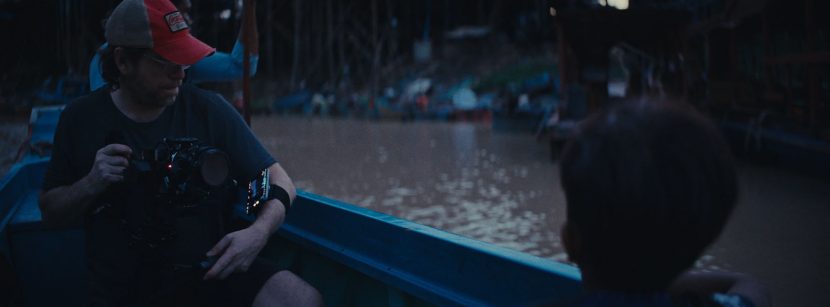
Perhaps the most pragmatic innovation in the FX5 ecosystem is its reliance on Apple’s iPhone as a wireless viewfinder via the Monitor & Control 3.0 application. By using MagSafe magnets, Edwards was able to attach the phone to his gimbal or even wear it on his wrist like a watch. This eliminated the need for bulky field monitors and dedicated wireless video transmitters, further reducing the weight of the rig.
Official Perspectives and Operational Philosophy
Sony’s design team emphasized the "flat-top" ergonomic structure of the FX5, which includes multiple mounting points to negate the need for a cage. The integration of an active cooling system in a separate air chamber ensures reliability in the field, while the updated CineAlta-influenced BIG6 interface streamlines the menu system for consistency with professional-grade cinema cameras.
Edwards remains particularly vocal about the camera’s impact on his psychological approach to filmmaking. "Sometimes, you’re holding the camera, and you realize you are carrying the weight of a major theatrical release in your hands," he says. "To have that feeling of cinematic scale in a device with no weight to it… it feels like a TARDIS."
He also notes that the raw data provided by the 5K X-OCN files shifted his post-production workflow. "My exposures didn’t need to be perfect. In post, you can slide it back to exactly what you want. I didn’t use any power windows or keying in the grade; it’s all exactly as it came out of the camera."
Implications for the Industry
The release of the FX5 is not just about a new piece of hardware; it is a signal of the changing requirements for professional cinema.
1. The Democratization of High-End RAW
By bringing 16-bit internal X-OCN to the FX line, Sony is effectively lowering the barrier to entry for professional RAW workflows. The inclusion of more data-efficient variants (X-OCN C1 and C2) demonstrates an understanding of the storage and transfer bottlenecks that plague independent productions.
2. The Death of the "Rig"
The era of the "Franken-rig"—a camera built out with batteries, external monitors, recorders, and transmitters—appears to be nearing its end. The FX5’s ability to be powered directly from a gimbal handle while transmitting high-quality video wirelessly to a phone suggests that future production kits will be significantly smaller and faster to deploy.
3. A Future-Proof Roadmap
Sony has already committed to an ambitious firmware roadmap. By August 2027, the company plans to introduce:
- High-frame-rate X-OCN recording up to 240 fps.
- 3:2 Open Gate recording in XAVC S-I.
- A dedicated vertical-shooting interface to accommodate the rising demand for social-first cinematic content.
Conclusion: A New Standard
The Sony FX5, priced at A$7,849 for the body, is positioned as a disruptive force in the cinema market. By combining the portability of a mirrorless camera with the processing power and image quality of a full-scale cinema rig, it validates the guerrilla methodology popularized by directors like Gareth Edwards.
Whether it is for high-budget feature films or agile, small-scale documentary work, the FX5 removes the physical and logistical hurdles that once stood between the director’s vision and the final image. As the camera hits the market this August, it leaves the industry with a clear message: the future of cinema is not in the size of the equipment, but in the freedom of the filmmaker to capture the world as it unfolds.