Beyond the Shot: Crafty Apes CEO Alana Newell on the Evolution of Modern VFX Leadership

In the high-stakes world of visual effects, the transition from creative artist to corporate executive is rarely a linear path. For Alana Newell, CEO of the renowned VFX powerhouse Crafty Apes, the journey from the compositor’s desk to the boardroom has been defined by a fundamental shift in perspective: moving from the gratification of a single, perfected frame to the complex, systemic orchestration of a global creative enterprise.
In a recent episode of the fxpodcast, Newell sat down to discuss the realities of leading a studio that employs roughly 400 professionals across eight international offices. Her insights offer a rare glimpse into the strategic architecture behind modern visual effects, touching on business diversification, the integration of machine learning, and the studio’s push into immersive entertainment.
The Metamorphosis of Success: From Pixel to Policy
For many artists, the "win" is binary: the shot is finished, the director is happy, and the work appears on the screen. It is a tangible, immediate form of validation. However, as Newell explains, the role of a CEO demands a radical recalibration of what constitutes success.
“Every win, in my opinion, is my team’s win,” Newell notes. “It’s a collective success.” This servant-leadership philosophy is central to her approach. While the individual wins are now outsourced to her talented team, the burden of failure has shifted entirely. When an artist misses a deadline or a shot requires rework, the impact is localized; when a CEO oversees the output of 400 people, the weight of every error is amplified across the entire organization.
This shift in responsibility has not distanced Newell from the craft. On the contrary, her background as a compositor remains the bedrock of her leadership style. She does not view the business through a purely financial lens; she views it through the practical, lived experience of production. This intimacy with the pipeline informs how Crafty Apes bids on projects, evaluates technical risk, and communicates with its creative talent.
Strategic Diversification: The 50-Project Model
A recurring theme in the VFX industry is the "tentpole trap"—the tendency for studios to rely heavily on a handful of massive, high-budget feature films. When those projects face delays, cancellations, or budget reallocations, the studios tied to them often face existential crises.
Newell has steered Crafty Apes toward a more resilient business model: widespread diversification. By spreading the studio’s exposure across a broad slate of work—ranging from high-profile blockbusters to smaller, more nimble projects—the company creates a buffer against the volatility of the entertainment industry.
“A studio attached to 50 projects can absorb schedule changes far more safely than one relying on five major clients,” Newell argues. This strategy is not merely about risk management; it is about agility. By maintaining a diverse portfolio, the studio remains resourceful, ensuring that its infrastructure is utilized efficiently even when the landscape of film and episodic television shifts.
Machine Learning: Beyond the Hype Cycle
While the industry is currently fixated on generative AI as a disruptive force, Newell’s approach to technology is more pragmatic and data-driven. She argues that the greatest potential for machine learning does not necessarily lie in creating imagery, but in optimizing the "plumbing" of the VFX pipeline.
VFX studios are repositories of massive amounts of historical data: schedules, shot complexity metrics, render times, and actual delivery windows. Newell envisions a future where machine learning models analyze this latent data to provide more accurate bidding, more precise crew planning, and smarter project selection.
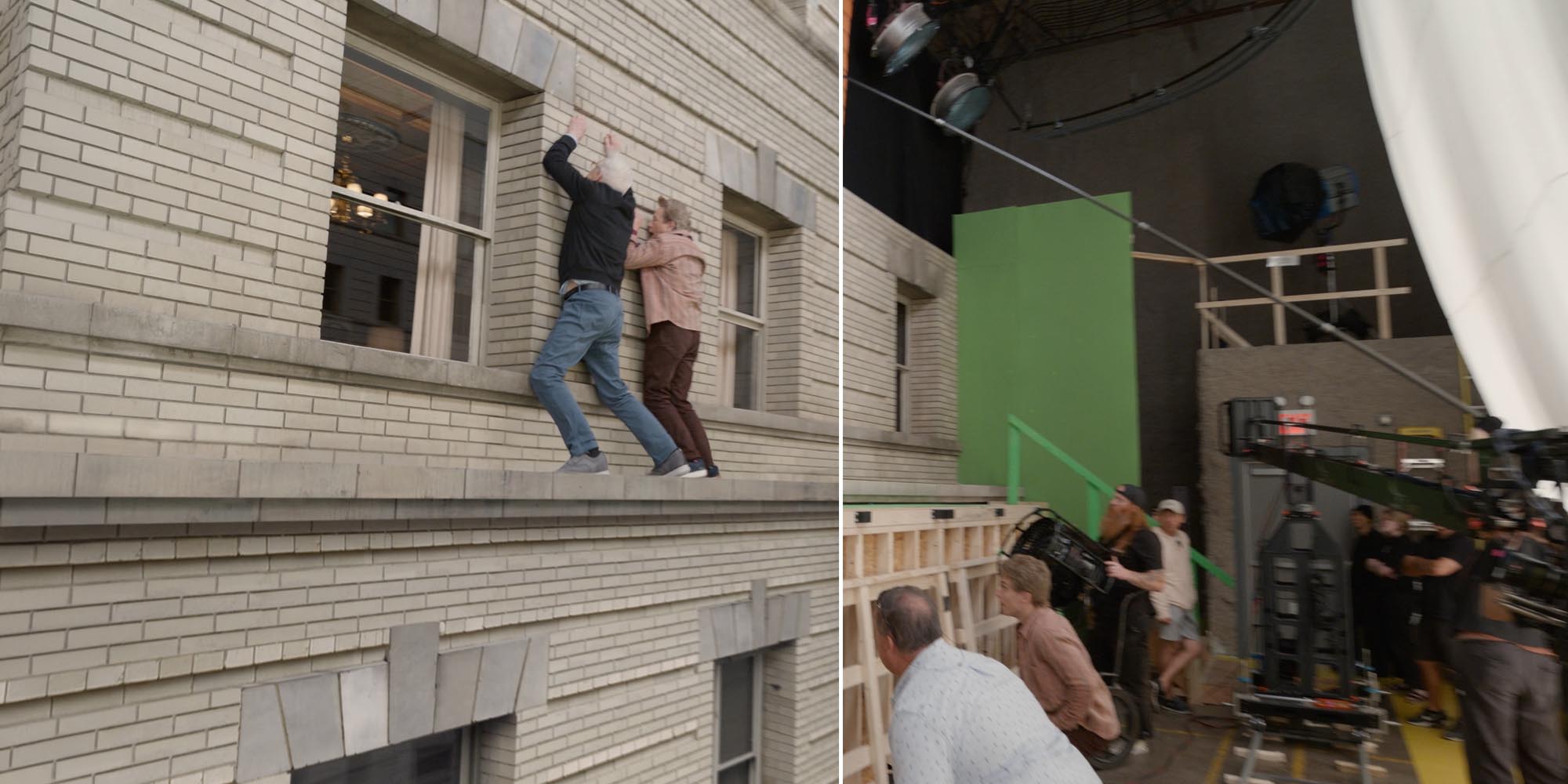
“The visual effects pipeline is not a ‘bug’ to machine learning; it’s a feature,” she asserts. By treating the production process as a data-rich environment, Crafty Apes is positioning itself to leverage technology to reduce the guesswork inherent in modern filmmaking. This focus on operational intelligence could prove to be a more significant competitive advantage than the latest flashy aesthetic tool.
Cultivating Talent in an Era of Flux
As the toolset for visual effects evolves at a dizzying pace, the profile of the "ideal" artist is changing. Newell observes that the industry no longer rewards those who simply have years of experience in a specific, legacy discipline. Instead, she seeks the curious and the adaptable.
“The industry’s emerging tools favor curious, adaptable people rather than candidates claiming years of experience in disciplines that have only recently appeared,” she explains. To foster this culture, Crafty Apes encourages its team to develop broader capabilities. While internal professional development is a pillar of the company, Newell also emphasizes the necessity of bringing in outside talent to inject fresh perspectives into the studio. This synthesis of institutional knowledge and external creative stimulus is, in her view, essential for remaining relevant in a fast-moving market.
Redefining the Canvas: The Sphere and Beyond
Perhaps the most significant pivot for Crafty Apes under Newell’s tenure is the expansion of the "VFX" definition itself. The studio’s recent work on The Wizard of Oz at the Sphere in Las Vegas serves as a prime example of applying traditional VFX knowledge to entirely new, immersive formats.
Newell sees the future of the company not confined to the screen, but embedded in the physical and interactive world. From theme-park attractions and museum installations to complex interactive environments, the studio is moving into spaces that demand the same technical rigor as film but require a completely different creative delivery.
“I think of Crafty as a content creation company, not just visual effects,” Newell says. “If you need a visual created, we’re there to create it for you.” This shift represents a transition from being a service provider for filmmakers to becoming a partner in the broader entertainment and experience economy.
Implications for the Future of VFX
The trajectory of Crafty Apes under Alana Newell’s leadership highlights several critical implications for the broader VFX industry:
- The Rise of the "Content Architect": As boundaries blur between mediums, the role of the VFX studio is evolving into that of a "content architect." Studios that can pivot between film, interactive, and immersive media will thrive, while those stuck in the traditional vendor-client model for film alone may struggle.
- Operational Intelligence as a Differentiator: In an era of shrinking margins and tightening budgets, the ability to use historical data to optimize bidding and scheduling will become as important as the ability to produce high-end pixels.
- Leadership as Cultural Synthesis: The challenge of leading a 400-person team across eight time zones requires a focus on unified culture. Newell’s emphasis on "collective success" serves as a blueprint for studios looking to scale without sacrificing the creative spirit that made them successful in the first place.
- The Evolution of Female Leadership: The podcast also touches on the vital importance of developing female leadership within the technical ranks of VFX. By championing diverse voices at the executive level, studios like Crafty Apes are better positioned to navigate the complex social and economic shifts of the modern entertainment landscape.
Conclusion
The story of Crafty Apes is not just a success story of a visual effects studio; it is a case study in evolution. Under Alana Newell, the company is proving that the future of VFX lies in the willingness to embrace change—whether that means leveraging machine learning for logistical efficiency, diversifying the project slate to ensure stability, or redefining the very concept of "content" for a world that demands more than just a two-dimensional image.
As the industry faces unprecedented technological and structural changes, Newell’s philosophy—grounded in the reality of the shot but looking toward the potential of the future—offers a steady hand for the creative industries. For those looking to understand the future of digital production, the message from the top of Crafty Apes is clear: the craft remains, but the canvas is infinite.