
By Alex Billington | August 26, 2026
Sixteen years after David Fincher and Aaron Sorkin redefined the biographical drama with The Social Network, the narrative arc of the digital age is finally curving toward justice. Sony Pictures has officially unveiled the full-length trailer for The Social Reckoning, a spiritual successor that promises to peel back the layers of the tech giant that fundamentally altered the landscape of human interaction. With Sorkin moving into the director’s chair—a position he has occupied with increasing frequency—the film serves as both a high-stakes journalistic thriller and a profound interrogation of modern power.
The Genesis of the Reckoning: A Story of Whistleblowing
The film’s plot, rooted in the granular reality of the Wall Street Journal’s "The Facebook Files," centers on the courageous, perilous journey of Frances Haugen. Played by Mikey Madison, Haugen is depicted not merely as an employee, but as the conscience of a platform that lost its way.
The trailer offers a chilling look at the mechanics of the whistleblowing process. We see Haugen enlisting the aid of Wall Street Journal investigative reporter Jeff Horwitz, portrayed with kinetic intensity by Jeremy Allen White. Their collaboration serves as the spine of the film, capturing the claustrophobic tension of leaking thousands of pages of internal documents that confirmed what many had long suspected: that the platform was aware of its role in amplifying societal division, body image issues among teenagers, and political instability.

Chronology of a Tech Empire’s Decline
To understand the weight of The Social Reckoning, one must look at the timeline that birthed it. In 2010, The Social Network chronicled the "origin story"—the intellectual property theft, the college dorm room ambition, and the brutal legal battles that forged a titan.
The Social Reckoning picks up the mantle in the present day, moving away from the "move fast and break things" ethos of the early 2000s toward a more somber, reflective reality. The production timeline itself has been a point of fascination in Hollywood. After years of speculation regarding whether a follow-up could ever capture the zeitgeist of the original, Sorkin finally committed to the project in early 2025. By late 2025, production was underway, with filming taking place in Menlo Park and Washington D.C., aiming to capture both the sterile opulence of Silicon Valley and the cold, bureaucratic halls of Capitol Hill.
The Ensemble: A Masterclass in Casting
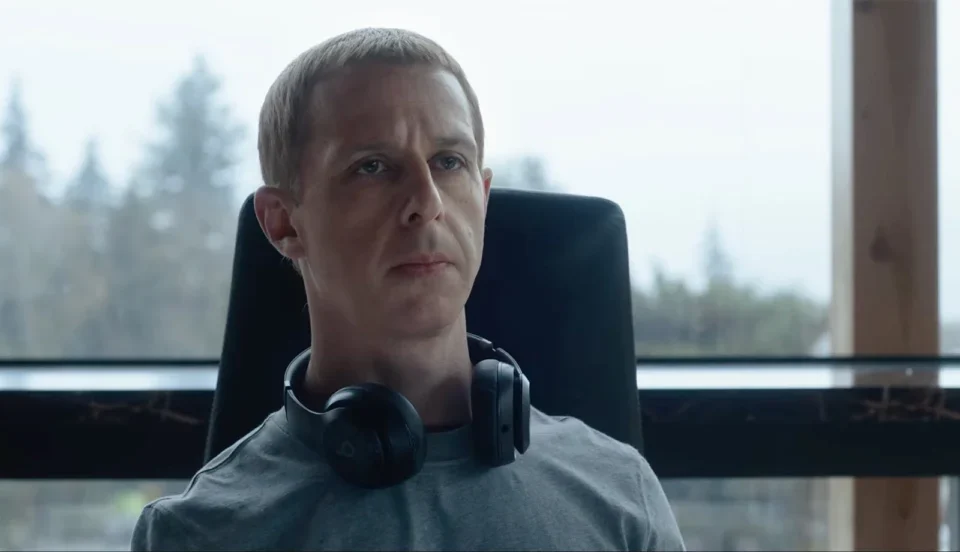
The film boasts an ensemble cast that reflects the complexity of the narrative. Jeremy Strong steps into the role of Mark Zuckerberg—a casting choice that has already generated significant buzz. Strong, known for his transformative method acting, portrays a Zuckerberg who is no longer the awkward, hoodie-wearing wunderkind of the 2010 film, but a hardened, defensive executive fighting to preserve his empire against the inevitable tide of public outcry.
Supporting cast members include Wunmi Mosaku and Betty Gilpin, who provide the necessary friction to the narrative, representing the institutional skepticism and legal hurdles Haugen faced. The inclusion of Bill Burr adds a layer of sharp, acerbic wit that Sorkin fans have come to expect, balancing the film’s heavier, more philosophical monologues with the grounded, pragmatic cynicism of an outsider.

Supporting Data: From the Files to the Screen
The veracity of The Social Reckoning is its greatest weapon. By anchoring the screenplay in the actual investigative work of Jeff Horwitz and the subsequent testimony provided by Haugen to Congress, Sorkin has moved away from the dramatized courtroom theatrics of his previous work and toward a documentary-style urgency.
Data points highlighted in the promotional materials for the film emphasize the scale of the "harm" being debated. The film leans heavily into the leaked internal studies that suggested Facebook’s algorithms prioritized engagement over user well-being. This is not just a story about a company; it is a story about the psychological architecture of the 21st century. The film explores the "engagement economy"—the mathematical certainty that anger and outrage generate more revenue than empathy or truth.
Official Responses and Industry Context
The tech industry’s response to the film’s development has been notably muted, though insiders suggest that the halls of Meta have been watching the production with a mixture of apprehension and dismissiveness. When asked about the project, representatives for the company have generally maintained that their focus remains on "building the future" and that historical portrayals are "dramatized for entertainment."
Conversely, the journalism community has embraced the film as a testament to the power of the press. In an era where trust in media is at an all-time low, The Social Reckoning arrives as a reminder of the vital role investigative journalism plays in holding the most powerful entities on earth to account. Aaron Sorkin, speaking at a recent press event, noted, "This isn’t about one man or one website. It’s about the moment we all realized that the digital bridge we built to connect us was actually a trap."

The Implications: Is the Reckoning Finally Here?
As the October 9, 2026 release date approaches, the cultural implications of the film are beginning to solidify. We are currently living in a post-social-media-innocence world. The trial settlements and regulatory discussions mentioned in the source material suggest that the "reckoning" isn’t just a plot device—it is a societal phenomenon currently playing out in real-time.
Will the film change how we interact with our devices? Likely not. However, it will fundamentally change how we perceive the architects of those devices. By shifting the focus from the "genius" of the creator to the "consequences" of the creation, Sorkin is forcing the audience to confront their own complicity in the digital ecosystem.
Technical Execution: Sorkin’s Directorial Evolution
Sorkin’s growth as a director since Molly’s Game and The Trial of the Chicago 7 is evident in the pacing of the new trailer. There is a newfound visual restraint. Where The Social Network was defined by Fincher’s cold, precise aesthetic, Sorkin’s direction in The Social Reckoning feels more intimate and claustrophobic. The camera stays close to the characters, emphasizing the psychological burden of their choices.
The editing, particularly in the sequences involving the document leaks, utilizes a rapid-fire style that mimics the speed of the information age. It is a sensory assault that mirrors the overwhelming nature of the data Haugen uncovered.

Conclusion: Why This Movie Matters Now
In the final analysis, The Social Reckoning is poised to be the defining film of the mid-2020s. It takes a story we think we know—the "Facebook scandal"—and reframes it as a human drama of epic proportions. It is not a documentary, nor is it a dry procedural. It is a cautionary tale about the cost of unchecked ambition.
As the trailer closes with the line, "Every revolution begins with a reckoning," the audience is left with a lingering question: Are we prepared for the truth, or have we become too comfortable with the lies we’ve been sold?
Sony Pictures will bring this explosive narrative to theaters nationwide on October 9th. Whether you are a devotee of Sorkin’s rapid-fire dialogue or a skeptic of the tech industry’s influence, The Social Reckoning is an essential appointment for anyone attempting to navigate the complexities of the modern digital landscape.
Film Details at a Glance:
- Director/Writer: Aaron Sorkin
- Starring: Mikey Madison, Jeremy Allen White, Jeremy Strong, Wunmi Mosaku, Betty Gilpin, Billy Magnussen, Bill Burr
- Release Date: October 9, 2026
- Studio: Sony Pictures
- Inspiration: The Wall Street Journal’s "The Facebook Files" and the whistleblowing of Frances Haugen.