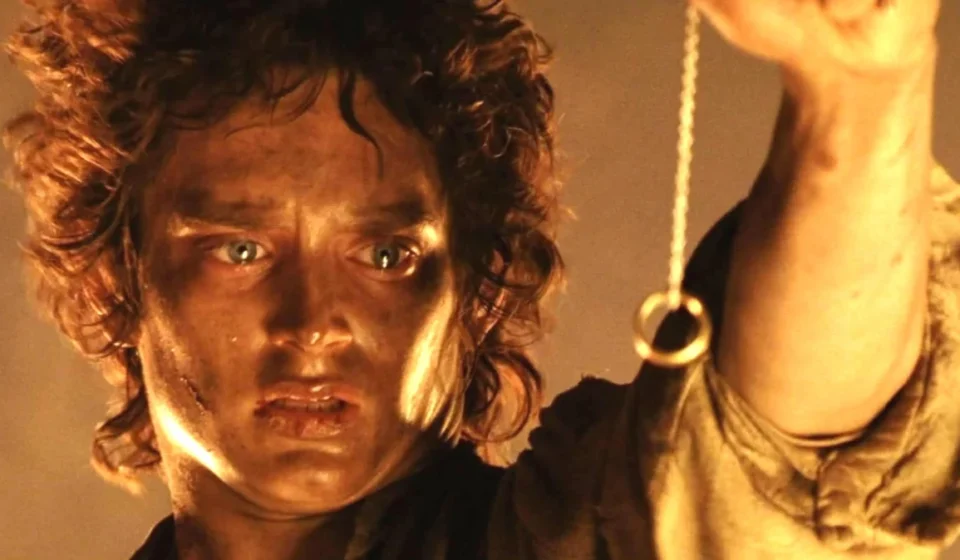

The One Ring remains the most iconic macguffin in the history of fantasy literature. It is the pivot upon which the entire history of Middle-earth turns, a golden circle of malevolence that serves as both the catalyst for the War of the Ring and the ultimate testament to the corrupted genius of its creator, Sauron. As Amazon Studios’ The Lord of the Rings: The Rings of Power progresses toward its inevitable inclusion of the Master Ring in upcoming seasons, the discourse surrounding the artifact’s true capabilities has returned to the forefront. Yet, beyond the simple invisibility it grants, the Ring is a complex, sentient-adjacent weapon of mass subjugation.
Main Facts: The Essence of the Master Ring
At its core, the One Ring is a vessel of concentrated divine essence. Forged in the fires of Mount Doom during the Second Age, it was not merely a piece of jewelry, but a "horcrux" of sorts—a repository for a significant portion of Sauron’s innate power.
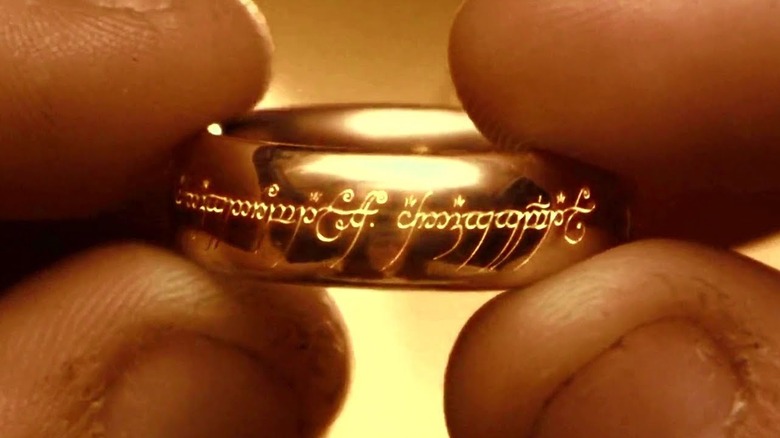
Unlike the other Rings of Power, which were forged by the Elven-smiths of Eregion with Sauron’s guidance, the One Ring was crafted in secrecy. Its primary purpose was to act as a master key. By pouring his own malice and will into the gold, Sauron ensured that he could dominate the wearers of the lesser rings. It is an artifact of "binding." The famous verse—"One Ring to rule them all, One Ring to find them, One Ring to bring them all and in the darkness bind them"—is not mere poetry; it is a literal description of its function as a tether for the wills of others.
Chronology: A History of Domination
The timeline of the One Ring is marked by tragedy and the corruption of those who come into its possession.
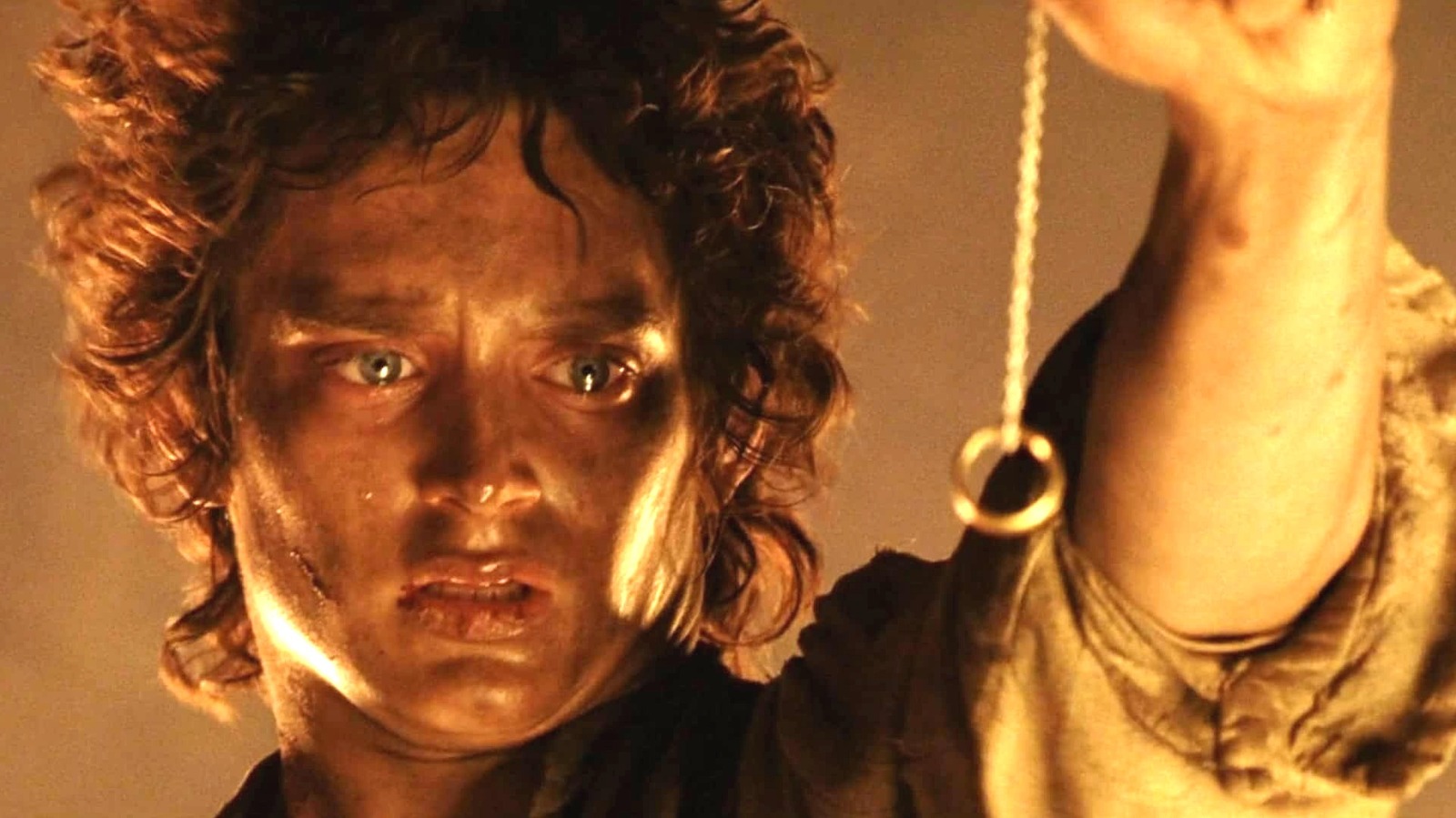
- The Second Age: Sauron completes the forging of the Ring, intending to bring the leaders of Elves, Dwarves, and Men under his thrall. He succeeds with the Nine Rings given to Men, who eventually fade into the Nazgûl, but fails to fully corrupt the Three Rings held by the Elves.
- The War of the Last Alliance: Isildur cuts the Ring from Sauron’s finger, briefly ending the Dark Lord’s physical presence in Middle-earth.
- The Third Age: The Ring remains lost in the River Anduin for over two millennia until it is discovered by Déagol and subsequently stolen by Sméagol (Gollum).
- The Hobbit: Bilbo Baggins finds the Ring in the Misty Mountains, marking the first time in history that the artifact willingly leaves a master to be found by another.
- The War of the Ring: The Ring is finally destroyed in the Cracks of Doom, an act that fundamentally breaks Sauron’s hold on the world and brings about his final defeat.
The Psychology of Control: Why Sauron Needed the Ring
To understand the Ring, one must understand the specific pathology of Sauron. As noted in J.R.R. Tolkien’s letters and the lore of The Silmarillion, Sauron is not a chaotic agent of destruction like his predecessor, Morgoth. Morgoth sought to ruin the world because he could not own it. Sauron, however, is a creature of order—a cosmic micromanager.
Sauron’s goal was never the annihilation of the peoples of Middle-earth, but their total assimilation into a unified, hierarchical structure under his absolute rule. The Ring acts as the technological and metaphysical instrument of this ideology. It amplifies the user’s natural desire for command, which is why it is so dangerous to the wise, like Gandalf or Galadriel. They recognize that if they were to use the Ring to achieve "good" ends, the inherent nature of the object would inevitably twist those ends into tyrannical control.
Supporting Data: The Secondary Powers of the Ring
While its primary function is domination, the Ring possesses a suite of secondary, often misunderstood, abilities.
Invisibility and the Unseen World
When a mortal dons the Ring, they are shifted into the "wraith-world." They become invisible to the physical eye but are rendered painfully visible to the Nazgûl and other entities who exist simultaneously in the unseen realm. It is not a stealth feature; it is a displacement of the soul.
Longevity and Corruption
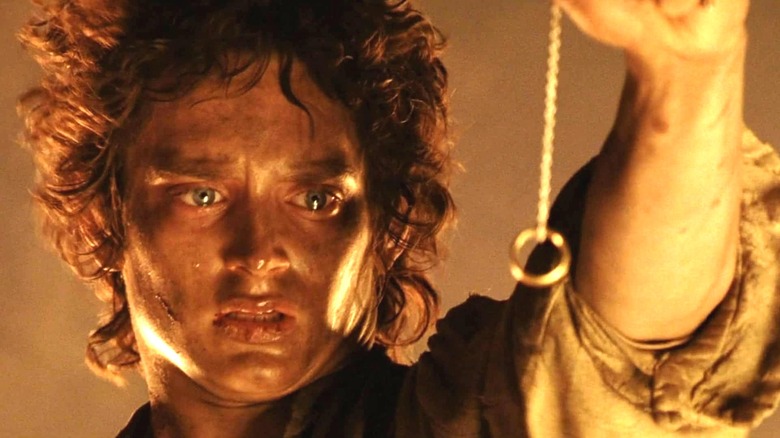
The Ring does not grant true immortality, but it "stretches" life. As Bilbo famously describes it, the user feels like "butter scraped over too much bread." The soul is slowly worn thin, and the physical body is unnaturally preserved, leading to the withered, elongated state of creatures like Gollum.
Linguistic and Mental Clarity
As evidenced by Samwise Gamgee’s brief time as a ring-bearer in The Two Towers, the Ring grants a heightened perception of thought and speech. Sam was able to understand the Black Speech of the Orcs, suggesting that the Ring provides a bridge to the dark intentions of Sauron’s servants. It sharpens the senses, but at the cost of one’s own mental equilibrium, as the Ring constantly whispers, tempts, and projects the will of its creator.
Official Interpretations and Lore Context
In the literary analysis of Tolkien’s work, the Ring is often discussed as a metaphor for the corruptive nature of absolute power. Tolkien, a veteran of World War I, saw how technology and industrialization were used to turn individuals into cogs in a machine. The Ring is the ultimate manifestation of that machine.
The recent Rings of Power series has leaned heavily into the "forging" aspect, depicting the Ring not just as a weapon, but as a masterpiece of craft that required the manipulation of the Elven smith Celebrimbor. This narrative choice highlights that the Ring’s power is as much about persuasion and engineering as it is about dark magic.
Implications for Future Adaptations
As audiences look toward 2026 and the potential arrival of the One Ring in The Rings of Power, the implications are profound. We are moving toward the point in the timeline where the political landscape of Middle-earth becomes fully subservient to the Ring’s influence.
The primary implication is the shift from the "exploration" phase of the show to the "tragic" phase. The Ring’s existence changes the stakes; it is no longer about the survival of the Elves or the rise of Numenor, but about the slow, inevitable decline of the world into the shadow of the Barad-dûr.
Furthermore, the Ring’s power to "see" and "bind" suggests that we will likely see more internal conflict within the show’s characters. The tension will no longer be external wars, but the internal struggle against the seductive promise of the Ring. If the showrunners continue to follow the established lore, we should expect the Ring to be treated not as a mere prop, but as a character in its own right—a predatory force that exerts its influence through the greed and ambition of those who believe they can master it.
Ultimately, the lesson of the One Ring remains unchanged across all media: it is a tool that consumes its user. Whether in the hands of a Dark Lord or a humble Hobbit, the Ring remains a reminder that in Middle-earth, the greatest power is the ability to resist the desire for power itself. As we move forward into the next chapter of this epic, the Ring stands as a testament to the fact that the most dangerous weapon in the world is the one that promises you can fix everything, provided you are willing to sacrifice yourself to do it.