
The cultural juggernaut that is Harry Potter is officially charting a new course. Despite a chorus of skepticism from industry veterans and fans alike—including original director Chris Columbus, who famously questioned the necessity of a remake—Warner Bros. Discovery has pressed forward with its ambitious plan to adapt J.K. Rowling’s seminal fantasy novels into a prestige television series for HBO. With the release of the first official trailer for Harry Potter and the Philosopher’s Stone, the discourse has shifted from theoretical debate to granular inspection. As the franchise prepares to enchant a new generation, we take a deep dive into the hidden details, creative shifts, and broader implications of this high-stakes television event.
The Main Facts: A New Era for an Old Legend
Less than two decades after the cinematic conclusion of the original Harry Potter film franchise, Warner Bros. Discovery is hitting the reset button. The decision to reboot the story as a long-form series is, according to the studio, an attempt to delve deeper into the narrative density of the books—a luxury the two-hour film format often lacked.
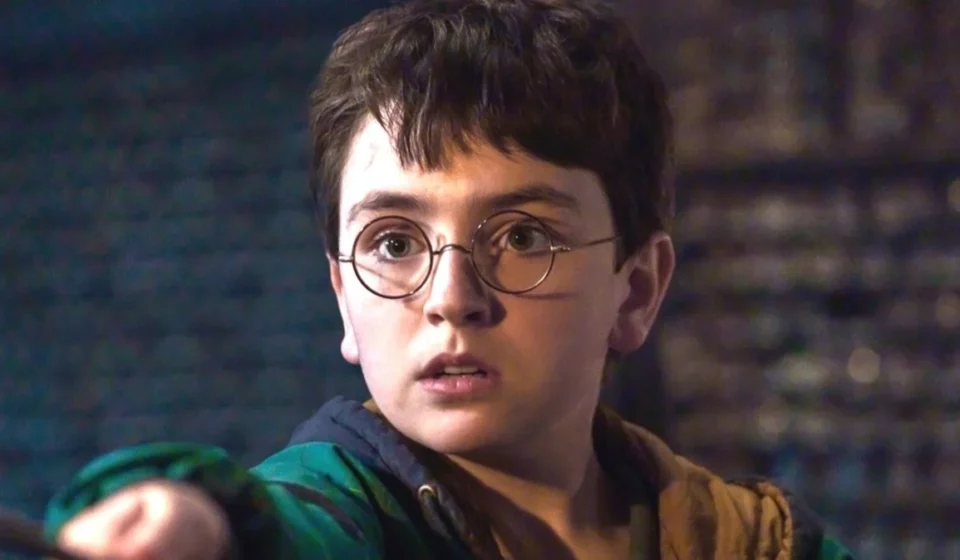
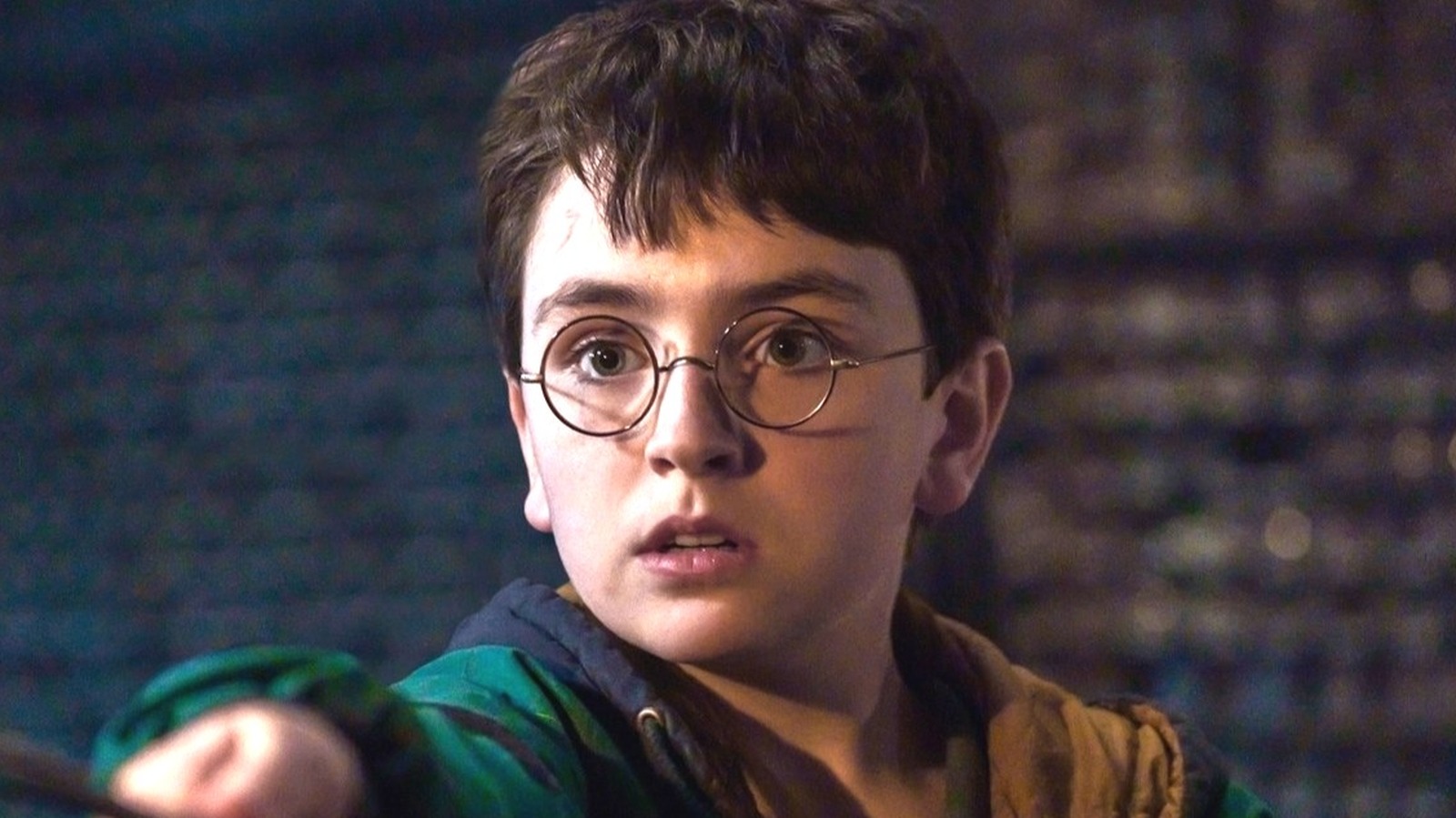
The production boasts a fresh, ensemble cast. Newcomer Dominic McLaughlin has been tapped to step into the iconic robes of Harry Potter, a role synonymous with Daniel Radcliffe. He is joined by Arabella Stanton as the brilliant, uncompromising Hermione Granger and Alastair Stout as the loyal, quick-witted Ron Weasley. The adult cast is equally formidable, anchored by the legendary John Lithgow as the headmaster Albus Dumbledore. Behind the camera, the series is under the stewardship of showrunner Francesca Gardiner, with Succession veteran Mark Mylod directing, signaling a shift toward a more character-driven, perhaps grittier, television aesthetic.
Chronology of the Production
The road to this series has been marked by a blend of anticipation and controversy. Following the announcement of the series, online discourse was immediately polarized. While the commercial potential of the IP remains undeniable, the project has been forced to navigate the turbulent waters surrounding author J.K. Rowling. Her public stances on gender and trans issues have caused significant friction, leading many to question the ethical and commercial viability of the project in an increasingly socially conscious entertainment landscape.
Despite these hurdles, the “Hogwarts Express” has left the station. The production timeline, accelerated by the massive resources of HBO, aims for a Christmas Day 2026 premiere. The trailer, which dropped this week, serves as the first substantial proof of concept for fans who have long wondered if a remake could offer anything that the original films did not.
Decoding the Trailer: Five Hidden Details
The trailer is a masterclass in “same but different.” While it pays homage to the imagery that defined the 2000s, it subtly deviates in ways that suggest a more modern, perhaps more nuanced, approach to the Wizarding World.
1. The Lily and James Potter Flashback
One of the most intriguing shots in the trailer features two figures running across a romantic, moonlit bridge, illuminating their path with whimsical magic. For lore experts, this is almost certainly a glimpse of Lily and James Potter in their youth. In the original films, the couple was portrayed as significantly older, despite the canon fact that they were in their early 20s when they were murdered by Voldemort. This creative choice by the new production team suggests a desire for greater narrative accuracy, aiming to emphasize the tragedy of lives cut short at the very beginning of adulthood.
2. Hedwig’s Debut
The introduction of Hedwig, the snowy owl, is a poignant moment in the trailer. Unlike the standard school owls, Hedwig represents Harry’s first true connection to his identity as a wizard. The trailer captures her distinct beauty—a point frequently referenced in the novels—and highlights her unique bond with Harry. While fans know the heartbreak that awaits in The Deathly Hallows, seeing her introduced here serves as a potent reminder of the innocence that the series will eventually strip away.
3. The Evolution of Wizarding Chess
In the original films, the wizarding chess sequence was a standout moment of practical and visual effects. The new trailer, however, hints at a more visceral approach. We see regulation-sized chess pieces engaged in a brutal, autonomous skirmish. The level of violence—with pieces "beating the snot out of each other"—suggests that the show is leaning into the slightly more dangerous, unpredictable nature of magic. It isn’t just moving statues; it’s a tactical, aggressive form of combat that raises the stakes for the "living" game Ron must play later in the season.
4. A Reimagined Hermione
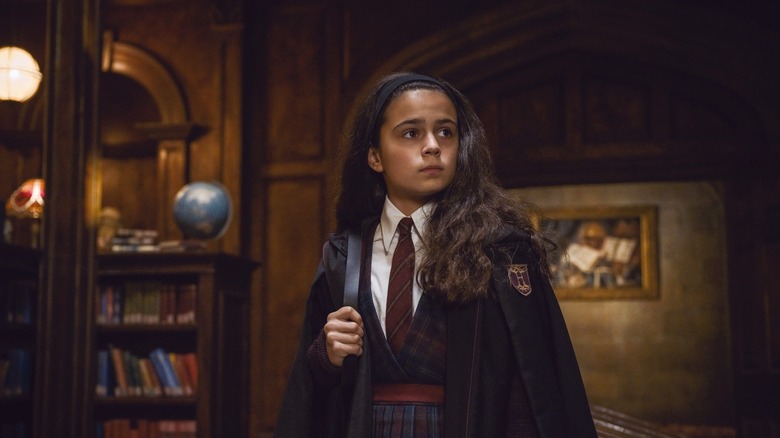
Perhaps the most notable departure from the established canon is the introduction of Hermione Granger. In the original movie, her arrival on the train was a whirlwind of energy and academic intensity, focused entirely on Harry and Ron. In the new trailer, we see a more expanded perspective. Hermione is shown interacting with other students, asking about summer reading assignments. This small shift does two things: it establishes her character before she meets the protagonists, and it hints that the show will break the "Harry-centric" viewpoint of the novels to provide a more ensemble-based narrative structure.
5. The First Look at The Burrow
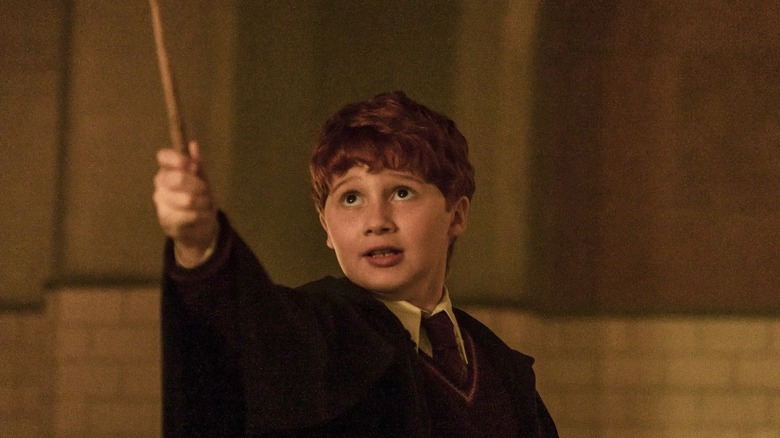
For many fans, the Weasley home, "The Burrow," is the heart of the Harry Potter experience. The trailer provides a warm, chaotic look at the family home, featuring Molly, Percy, and the mischievous twins, Fred and George. By introducing the Burrow early, the show is clearly positioning the Weasleys as the emotional center of the story, contrasting their ramshackle, loving home with the cold, sterile environment of the Dursleys’ residence at Privet Drive.
Supporting Data and Production Scope
The production budget for this series is rumored to be among the highest in HBO’s history, rivaling the scale of House of the Dragon. Warner Bros. Discovery is betting heavily on the fact that an episodic format will allow for a "one book per season" approach. This provides the creative team with roughly 8 to 10 hours of screen time per book, a massive increase over the original films.
Industry analysts point out that this allows for the inclusion of side characters, subplots, and magical lore that were cut from the films for time constraints. The casting of veteran actors like John Lithgow suggests that the studio is aiming for an Emmy-caliber prestige drama rather than a straightforward children’s fantasy show.
Official Responses and Industry Sentiment
The reception within the industry remains a cocktail of professional admiration and creative hesitation. While showrunner Francesca Gardiner has kept details under wraps, her work on Succession suggests a series that will prioritize complex interpersonal dynamics over mere spectacle.
Conversely, the "pointless" argument persists. Many critics, including Chris Columbus, argue that the original films are still held in high regard and that the "magic" of that era cannot be replicated. However, the studio’s internal data suggests that a new generation of viewers—those who were not alive when The Philosopher’s Stone hit theaters in 2001—are the primary target demographic. For these viewers, the original films are already "period pieces." A new version, with modern pacing and high-end visual effects, is seen as a necessary evolution of the IP.
Implications: Can Lightning Strike Twice?
The implications of this series are vast. If the show succeeds, it will likely lead to an expansion of the Wizarding World into a "Cinematic Universe" model, potentially exploring eras such as the Marauders’ time at Hogwarts or the founding of the school. If it fails, it could signal the end of the Harry Potter brand’s dominance in pop culture, proving that even the most beloved stories have an expiration date for remakes.
Furthermore, the show stands at a crossroads of the "culture wars." By maintaining the involvement of J.K. Rowling while attempting to modernize the cast and tone, HBO is walking a tightrope. The series will be judged not just on its visual effects or performances, but on its ability to navigate the complicated legacy of its source material in a modern context.
As we look toward Christmas 2026, the question is no longer whether we need a new Harry Potter series, but whether the creators can justify its existence by doing something truly profound with the narrative. With a high-budget, prestige-television approach, the new Harry Potter has the potential to redefine fantasy television—provided it can cast the right spell to capture a modern audience.