
The Marvel Cinematic Universe (MCU) has long been defined by its interconnectedness, a sprawling web of alliances where superheroes rarely find themselves truly alone. From the tactical synergy of the Avengers to the multiversal camaraderie of the "Spider-Verse," the genre has historically leaned into the power of the collective. However, with the release of Spider-Man: Brand New Day, directed by Destin Daniel Cretton, the franchise takes a startling, somber turn. This latest installment presents a Peter Parker who has traded the vibrant optimism of high school for a gritty, isolated existence, marking a tonal departure that seeks to redefine the character for a more "mature" audience.
Main Facts: The Loneliest Hero in the Multiverse
Spider-Man: Brand New Day picks up in the wake of the seismic shifts seen in 2021’s Spider-Man: No Way Home. While that film concluded with a grand, nostalgic spectacle, it left Peter Parker (Tom Holland) in a state of total social erasure. The new film explores the psychological toll of that sacrifice.
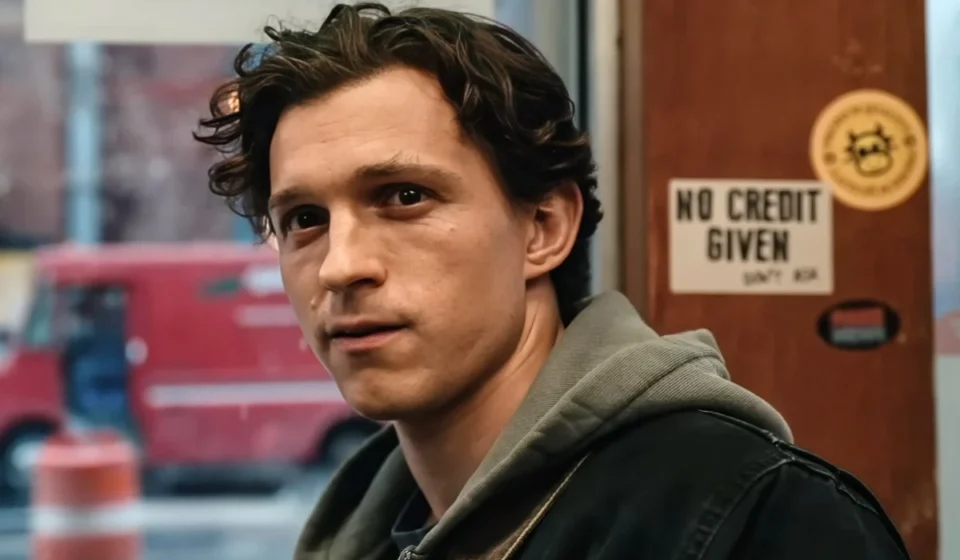
Now 30 years old, Holland’s Peter Parker has evolved from the "MIT wannabe" into a workaholic vigilante. He resides in a dilapidated attic apartment in New York City, living a life of monastic devotion to his "crusade." The film portrays him as a "Spider-Man gone Taxi Driver," a man surrounded by the hum of computer monitors and the mechanical parts of his own invention, yet entirely disconnected from the human race.
The core tension of the film lies in the "amnesia plot." Because of Doctor Strange’s spell, the world—including his soulmate MJ (Zendaya) and his best friend Ned (Jacob Batalon)—has no memory of Peter Parker’s existence. This creates a profound dramatic irony: Peter spends his nights watching their social media videos, a digital voyeur to a life he can no longer claim, while MJ and Ned view him as a total stranger when their paths finally cross.
Chronology: From Multiversal Chaos to Contemplative Drama
The narrative arc of Brand New Day serves as an intentional "balm" to the frenetic energy of its predecessor. To understand the pacing and structure of the new film, one must look at the timeline of Peter Parker’s recent cinematic history:
- The Aftermath of the Multiverse (2021): No Way Home ends with Peter choosing to be forgotten to save the fabric of reality. He loses his Aunt May (Marisa Tomei) and his social identity, ending the film in a cheap apartment with a sewing machine and a police scanner.
- The Hermit Phase: Brand New Day opens with an established routine. Peter has spent years honing his powers with "sticky-web precision," focusing on technical upgrades to his suit to compensate for his lack of emotional support.
- The Power Glitch: Early in the film, the plot introduces a biological complication. Peter’s "arachnid DNA" begins to destabilize, causing his powers to fluctuate. He is forced to develop an "inhibitor"—a silver device attached to his neck—to maintain his abilities.
- The Telepathic Threat: A mysterious force begins jumping between human hosts, using telepathy to manipulate the city. This leads to a series of episodic encounters where Spider-Man must fight "proxies" of the villain.
- The Collision of Worlds: The second act introduces external Marvel elements, including a "dark side" version of Mark Ruffalo’s Hulk and a grounded, gritty appearance by Jon Bernthal’s Punisher.
- The Resolution: The film culminates in a confrontation with a "villain" played by Sadie Sink, whose motivations are revealed to be sympathetic rather than malicious, leading to a climax that prioritizes emotional reconciliation over traditional combat.
Supporting Data: Box Office Weight and Critical Friction
The pressure on Spider-Man: Brand New Day is immense, given the financial shadow cast by No Way Home. The 2021 film earned nearly $2 billion worldwide, including $800 million in the U.S. alone. This success solidified Spider-Man as the undisputed crown jewel of the MCU’s post-Endgame era.
However, critical reception for Brand New Day suggests a divide between commercial viability and narrative cohesion. While the film avoids the "CGI overkill" that has plagued recent superhero outings—often referred to as "superhero fatigue"—it has been criticized for being "half an hour too long" and "overly episodic."
Key Technical and Narrative Metrics:
- Director Shift: Destin Daniel Cretton (Shang-Chi and the Legend of the Ten Rings) replaces Jon Watts, bringing a more "indie filmmaker" sensibility to the blockbuster format.
- Scripting: Written by veterans Chris McKenna and Erik Sommers, the film is noted for its "blocks of concept" rather than a fluid narrative.
- The Age Factor: Tom Holland, now 30, portrays a version of Peter that aligns with his actual age, moving the character away from the "teen idol" tropes and toward "stylish confidence."
- Action Set-Pieces: The film features a standout sequence involving a skyscraper battle with the Hulk, designed to satisfy the "bombastic and vertiginous" requirements of the genre.
Official Responses and Creative Direction
The creative team behind Brand New Day has signaled a desire to move away from the "nostalgia-as-star-marketing" stunts that defined the previous era. Destin Daniel Cretton’s direction is described as an effort to craft a "thoughtful, humane, and mature" comic-book movie.
In promotional discussions and the film’s subtext, the filmmakers emphasize the "meta" nature of the project. The scenes between Holland and Zendaya carry a heightened weight, given the real-life marriage of the two stars earlier this year. This "meta teen-idol dimension" adds a layer of poignancy to the amnesia plot, though some critics argue it creates a "frozen piece of sad irony" rather than a true character journey.
Marvel Studios’ decision to include Jon Bernthal’s Punisher and a morally complex antagonist played by Sadie Sink reflects a broader strategy to integrate the "street-level" grit of previous Netflix-Marvel properties into the mainline MCU. Sink’s character, in particular, represents a shift in how Marvel handles antagonists—moving away from "hissable cartoons" and toward characters in need of "salvation" and empathy.
Implications: The Future of the Web-Slinger
The release of Spider-Man: Brand New Day carries significant implications for the future of the Marvel Cinematic Universe and the superhero genre at large.
1. The "Mature" Superhero Pivot
By leaning into the "Taxi Driver" comparisons, Marvel is testing whether audiences will stay for a superhero movie that is "watchable without ever being transporting." If Brand New Day succeeds, it could pave the way for more character-driven, isolated stories that eschew the "connect-the-multiverse-dots" formula. However, the criticism that the movie is "more busy and self-serious than it is emotionally involving" suggests that the transition to "maturity" is a difficult balancing act.
2. Resolving the Amnesia Trope
The film leaves the Peter-MJ relationship in a state of "dramatic frustration." The decision to keep MJ and Ned unaware of Peter’s identity for the duration of the film suggests that Marvel is playing a long game. The implication is that the "Brand New Day" era is not a one-off reset, but a permanent status quo change that forces Peter to build a life from scratch, potentially introducing new supporting characters in future installments.
3. Addressing Superhero Fatigue
By focusing on practical-feeling tech (the inhibitor) and telepathic horror elements rather than massive sky-beams and alien armies, the film attempts to solve the "superhero fatigue syndrome." While the "telepathic host" concept was criticized as being out of a "B horror movie," it represents an attempt to find new visual languages for superhero conflict.
4. Commercial Outlook
Despite the critical notes on its length and episodic nature, Brand New Day is "destined to make a boatload of money." The primal appeal of Peter Parker remains the strongest asset in the Marvel portfolio. The film proves that even a "hermit" Spider-Man can draw a crowd, ensuring that the series will continue to evolve, even if it has to lose its heart—and its memories—to do so.
In summary, Spider-Man: Brand New Day is a film of contradictions. It is a big-budget blockbuster that wants to be an intimate character study; a superhero epic that feels like a lonely drama. While it may not reach the dizzying, nostalgic heights of No Way Home, it marks a necessary, if arduous, step in the evolution of Peter Parker from a boy with powers to a man with a burden.