Return to Altair IV: The Definitive 4K Restoration of the Sci-Fi Masterpiece Forbidden Planet

By Editorial Staff
September 25, 2026
In the annals of cinematic history, few films command the reverence reserved for Fred M. Wilcox’s 1956 magnum opus, Forbidden Planet. A landmark achievement that effectively birthed the modern era of science fiction cinema, the film is now poised for a monumental reappraisal. Arrow Video has officially unveiled a stunning 4K Limited Edition Blu-ray restoration, breathing new life into a work that predates the space-faring spectacles of 2001: A Space Odyssey, Star Wars, and The Black Hole. As the film prepares for its high-definition homecoming on September 28, 2026, cinephiles are once again invited to land on the treacherous, mystery-shrouded surface of Altair IV.
The Genesis of an Icon: Main Facts and Restoration
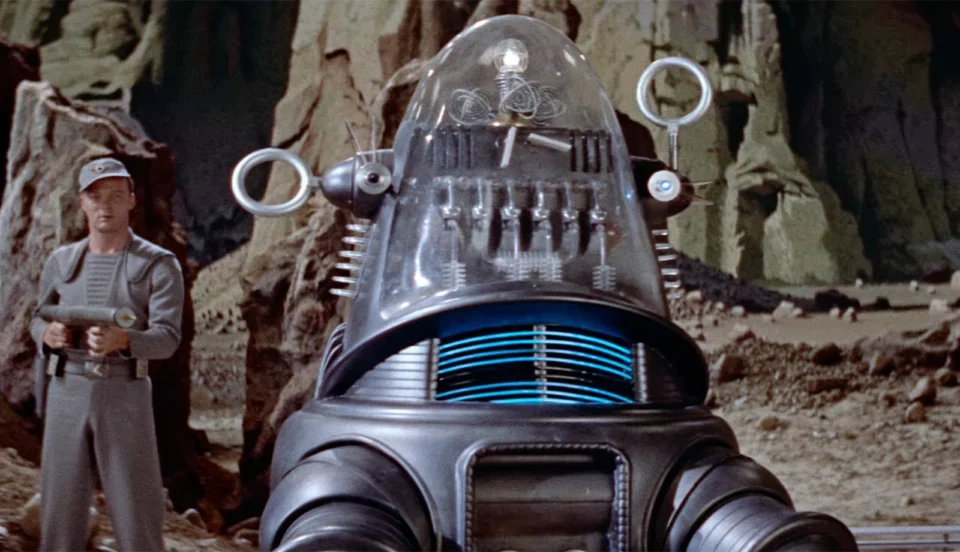
Forbidden Planet was never merely a "B-movie" creature feature. Released by MGM at the height of the 1950s space race paranoia, it was a high-budget, ambitious reimagining of William Shakespeare’s The Tempest transposed into the cold vacuum of deep space. With its groundbreaking practical effects, avant-garde electronic score—the first of its kind in film history—and the debut of the iconic Robby the Robot, the film established a visual and narrative vocabulary that would define the genre for decades.
The new 4K restoration, spearheaded by Arrow Video, is a technical triumph. For the first time, the film is presented in its original, sprawling Cinemascope aspect ratio of 2.55:1, meticulously restored to capture the lush, vibrant colors of the Krell civilization’s remnants. The theatrical "Perspecta" stereo soundtrack has been painstakingly preserved, ensuring that the eerie, otherworldly sound design—which once terrified audiences in 1956—retains its haunting potency. This is not a simple upscaling; it is a frame-by-frame resurrection of a piece of art that effectively changed the trajectory of Hollywood filmmaking.

A Chronological Journey: From 1956 to the Digital Age
To understand the significance of this 2026 release, one must look back at the film’s unique historical trajectory.
- March 1956: Forbidden Planet hits US theaters, stunning audiences with its massive, detailed sets and the sheer scale of its world-building. Critics of the time noted its unusual intellectual depth, marking it as a "prestige" science fiction film.
- The Mid-Century Influence: Throughout the 1960s and 70s, the film’s DNA was woven into the fabric of television and film, from the aesthetic of Star Trek to the hardware designs of Logan’s Run.
- 2006 (The 50th Anniversary): The film saw a major resurgence in the home media market, with high-definition transfers introducing a new generation to the plight of Commander John Adams and Dr. Morbius.
- 2026 (The 70th Anniversary Era): Now, seven decades after its initial release, the film is receiving the "Arrow Video" treatment—a gold standard in boutique home media—cementing its status as a foundational pillar of cinema history.
The Narrative Core: What Awaits on Altair IV
The plot of Forbidden Planet remains as compelling today as it was at the dawn of the Atomic Age. In the 23rd century, a United Planets starship, led by the stern but fair Commander John Adams (played by a pre-fame Leslie Nielsen), is dispatched to the distant, desolate planet of Altair IV. Their mission: to determine the fate of an expedition that vanished two decades prior.
Upon arrival, the crew is met with a warning—a desperate plea from Dr. Edward Morbius (Walter Pidgeon) to turn back. Ignoring the warnings, the crew descends to the surface, where they encounter a world defined by the lonely, brilliant Morbius, his daughter Altaira (Anne Francis), and their mechanical protector, Robby the Robot.
The mystery deepens when the crew discovers the remains of the original expedition, all of whom were slaughtered by an "unseen force." As the film progresses, the narrative evolves into a psychological thriller, exploring the dangerous intersection of god-like technology and the unchecked darker impulses of the human subconscious. The Krell—a long-dead civilization that once inhabited Altair IV—left behind a machine that could turn thoughts into reality. It is this core concept that elevates Forbidden Planet from a standard space adventure to a philosophical meditation on the inherent dangers of human progress.

Supporting Data and Technical Specifications
The Arrow Video Limited Edition set serves as a masterclass in archival preservation. The package includes:
- Resolution: 4K (2160p) Ultra High Definition presentation.
- Visuals: Original Cinemascope 2.55:1 aspect ratio.
- Audio: Restoration of the original Perspecta stereo track, alongside a newly remastered 5.1 surround mix for modern home theater setups.
- Supplemental Material: Extensive behind-the-scenes documentation, including interviews with the original effects team and historians who have spent decades analyzing the film’s influence on modern visual effects.
- Physical Collectibles: A Limited Edition hardbound book featuring newly commissioned essays, original lobby cards, and production art that showcases the design process of the Krell underground laboratories.
Official Responses and Industry Impact
Industry historians and film preservationists have hailed the restoration as a landmark moment. "There is a tendency to view Forbidden Planet as a museum piece," noted one industry critic. "But when you see the 4K transfer, you realize it was actually a time capsule that was ahead of its time. The color palette of the Krell labs and the stark, cold reality of the starship interiors look as if they could have been filmed yesterday."
Arrow Video’s decision to commit such resources to a 1956 film highlights a shifting trend in the home video market: the prioritization of "cinematic heritage" over contemporary blockbusters. By treating a 70-year-old film with the same technical rigor as a modern release, Arrow is validating the theory that high-quality science fiction is timeless, provided the preservation is executed with care.
Implications: The Enduring Legacy of the Krell
The implications of this 4K release extend beyond mere nostalgia. In an era dominated by CGI-heavy spectacles, Forbidden Planet serves as a stark reminder of the power of practical sets and miniature photography. Its influence is visible in the design of every major space-faring franchise, yet few have managed to replicate the film’s unique atmosphere of "technological dread."

Furthermore, the release sparks a necessary conversation about the preservation of mid-century cinema. As film reels deteriorate and digital formats evolve, the effort to maintain the integrity of classics like Forbidden Planet ensures that future generations can experience the same sense of wonder that greeted audiences in 1956.
The film’s exploration of human hubris—the idea that even with the power of a god, humanity remains shackled to its own nature—is perhaps more relevant today than it was during the Cold War. As we stand on the precipice of our own advancements in artificial intelligence and space exploration, the warning given to Commander Adams resonates with chilling clarity: "I warned you. I begged you not to land on this planet."
For those who have never visited Altair IV, or for those who wish to see it in a clarity previously reserved for the original camera negatives, the September 28th release is not just a purchase; it is an essential investment in the history of the imagination. Whether it is for the sake of the pioneering electronic score, the iconic design of Robby the Robot, or the intellectual weight of its Shakespearean narrative, Forbidden Planet remains the undisputed king of the genre.
Visit the official Arrow Video website to secure your copy and prepare to embark on a journey to the farthest reaches of the human psyche.