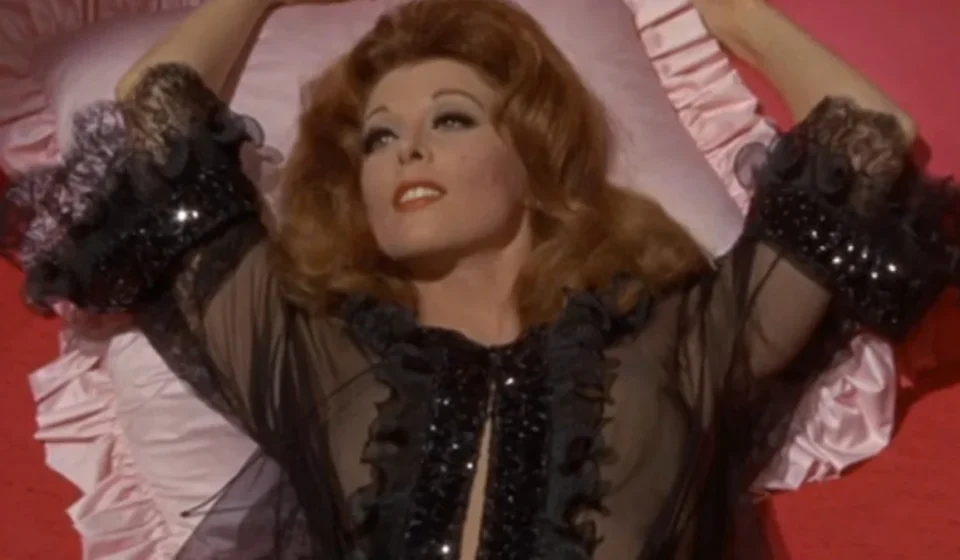

In the pantheon of 1960s pop culture, few genres capture the specific, high-gloss absurdity of the era quite like the spy-spoof craze. Following the global phenomenon of the James Bond franchise, Hollywood studios scrambled to capitalize on the secret agent archetype, often stripping away the grit of Ian Fleming’s prose in favor of Technicolor escapism. Among these, Phil Karlson’s 1968 film The Wrecking Crew stands out not merely as a relic of its time, but as a fascinating intersection of burgeoning legends, tragic endings, and the distinct stylistic choices of the late sixties.
While the film serves as a vehicle for the charismatic Dean Martin, it is increasingly remembered by film historians for its remarkable ensemble cast—featuring Gilligan’s Island star Tina Louise—and its status as a foundational moment for icons like Chuck Norris and Bruce Lee.
Main Facts: The Evolution of the Matt Helm Series
The Wrecking Crew holds the distinction of being the fourth and final entry in the Matt Helm film series, following The Silencers (1966), Murderers’ Row (1966), and The Ambushers (1967). To understand the film, one must understand the sharp pivot it took from its source material.
Author Donald Hamilton’s original Matt Helm novels were stark, violent, and deeply cynical. Helm was a cold-blooded operative who viewed his profession with a jaded, clinical detachment. However, the film adaptations—produced during the peak of the swinging sixties—transformed the character into a lighthearted, drunken, womanizing rogue. Dean Martin’s portrayal of Helm was less a tactical expert and more a suave lounge singer who stumbled into success. While purists of the novels were often aghast at the tonal shift, the films were undeniably successful as “goofy, campy, sexy comedy romps” that resonated with audiences of the day.
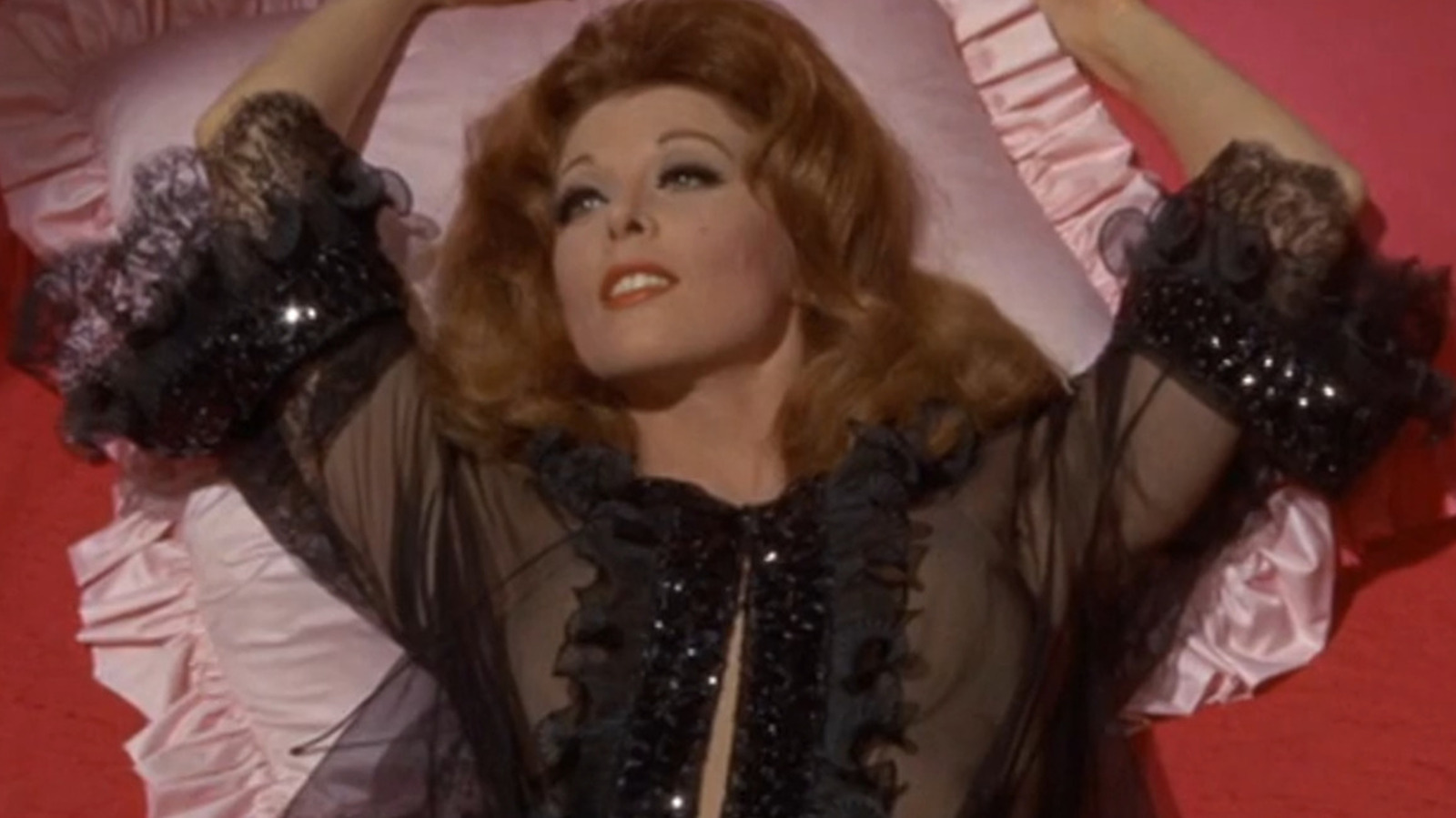
The plot of The Wrecking Crew follows this established formula: Helm is tasked with thwarting the schemes of the villainous billionaire Count Contini (Nigel Green). He is paired with a clumsy but endearing Danish tour guide named Freya, played by the luminous Sharon Tate. The narrative serves largely as a backdrop for a parade of beautiful guest stars, including Elke Sommer, Nancy Kwan, and Tina Louise, who transitioned from the comedic confines of Gilligan’s Island to the espionage antics of the big screen.
Chronology: A Snapshot of a Changing Hollywood
The production of The Wrecking Crew acts as a chronological marker for three distinct cinematic trajectories:
- The Rise of the Martial Arts Legend: Bruce Lee, while not appearing on screen, served as the film’s "karate advisor." In modern terms, he was the fight choreographer. At the time, Lee was transitioning from his role as Kato in The Green Hornet toward a feature film career. This assignment was his first major foray into American film production, a vital stepping stone that would eventually lead to his legendary output in the early 1970s.
- The Uncredited Debut: The film features a blink-and-you-miss-it appearance by a young, clean-shaven Chuck Norris. During a sequence at the "House of 7 Joys," Norris appears as one of the guards facing off against Helm. Though his role was minimal and lacked the martial arts fireworks he would later become famous for, it serves as the historical starting point for one of action cinema’s most enduring figures.
- The End of an Era: Most somberly, The Wrecking Crew holds the tragic distinction of being the final film released during Sharon Tate’s lifetime. Her performance as Freya captures the effervescent charm that made her one of the most promising stars of the decade. Her death in August 1969, at the hands of the Manson Family, cast a permanent shadow over the production and the era at large.
Supporting Data: Behind the Camera
The film’s significance extends beyond the star power of Dean Martin. The marketing of the film was a masterclass in 1960s aesthetic appeal. Previews for the film leaned heavily into the "gorgeous" ensemble, focusing on the visual chemistry between Martin and his co-stars.
However, the technical contributions are where the film gains its historical weight. The involvement of Bruce Lee is particularly noteworthy. By 1968, Lee was already a master of his craft, but the American studio system had yet to fully embrace his potential as a leading man. As a "karate advisor," Lee brought a level of discipline and authenticity to the fight choreography that stood in stark contrast to the standard, slapstick-heavy brawls typical of 1960s comedies. His influence helped bridge the gap between traditional Hollywood stunts and the dynamic, impactful combat sequences that would define the 1970s action boom.
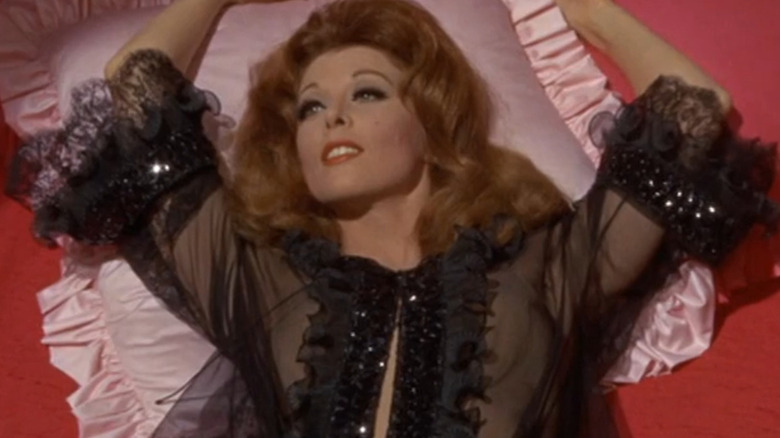
Similarly, the inclusion of Chuck Norris provides a link to the evolution of the B-movie genre. Norris, who passed away in 2026 at the age of 86, spent his career evolving from a silent guard in a Dean Martin vehicle to the titular hero of Walker: Texas Ranger, becoming a cultural touchstone that spanned three generations.
Official Responses and Cultural Reception
Upon its release in February 1969, The Wrecking Crew was received largely as a piece of disposable, fun entertainment. Critics of the era generally viewed the Matt Helm films as a pleasant, if unchallenging, way to spend an afternoon. Yet, as time has passed, the film has been re-evaluated through a more critical lens.
Historians often point to the Manson Family murders—which occurred just months after the film’s release—as the psychological "end" of the 1960s. Because Sharon Tate was a victim of this tragedy, her presence in The Wrecking Crew has become a focal point for retrospectives. In 2019, Quentin Tarantino’s Once Upon a Time… in Hollywood brought this discourse into the mainstream. By creating a fictionalized, alternate history where Tate survives the attack, Tarantino invited audiences to reconsider the loss of that "Golden Age." The film serves as a reminder that before the tragedy of 1969, the era was defined by the very type of lighthearted, optimistic, and glamorous cinema that The Wrecking Crew represents.
Implications: Why Revisit the Film Today?
Revisiting The Wrecking Crew today is not an exercise in critiquing the quality of its plot, but rather an appreciation of its cultural anatomy. It is a film that sits on the precipice of massive shifts in American cinema.
- The Intersection of Genres: It represents the peak of the "Spy Spoof," a genre that eventually gave way to more grounded action films and, eventually, the irony-drenched parodies of the 1980s.
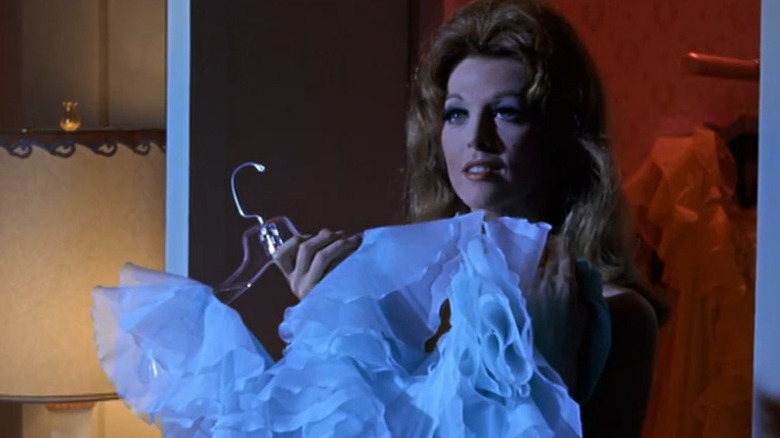
- The Preservation of Talent: For fans of Tina Louise, it offers a look at her transition from television icon to feature film actress. For fans of Sharon Tate, it remains a testament to her screen presence and the untapped potential of a career cut far too short.
- The Birth of Icons: It is a rare piece of archival evidence that captures the early days of Chuck Norris and the foundational American work of Bruce Lee.
In conclusion, while The Wrecking Crew may have been designed as a simple romp to showcase the charms of Dean Martin, history has imbued it with a much heavier significance. It remains a vital piece of the cinematic puzzle—a vibrant, if melancholic, time capsule that allows modern viewers to catch a glimpse of a Hollywood that was, for a brief moment, poised on the edge of a new, more intense reality. Whether viewed as a comedy, a time piece, or a historical document of legendary careers, the film is undeniably worth the time for any serious student of 20th-century film.