Netflix Doubles Down on Audio: The Streaming Giant’s Strategic Pivot into the Podcast Ecosystem

In a move that signals a significant maturation of its non-scripted content strategy, Netflix has announced a major expansion of its podcast portfolio. By commissioning a slate of new original series, renewing existing fan favorites, and aggressively acquiring established audio programming, the streaming giant is moving beyond the confines of video-on-demand to capture the ears—and the daily schedules—of its global subscriber base. With this latest push, Netflix now hosts more than 60 podcasts, cementing its transition from a pure-play video platform to a comprehensive entertainment hub.
The Strategy: Expanding the "Netflix Universe" Beyond the Screen
For years, Netflix’s business model was defined by the "binge-watch" culture—the practice of consuming high-budget dramas and films in long, uninterrupted sessions. However, the company has increasingly recognized the "dayside vacuum": the hours during the day when consumers are commuting, working, or performing chores, where video consumption is impractical but audio engagement is prime.
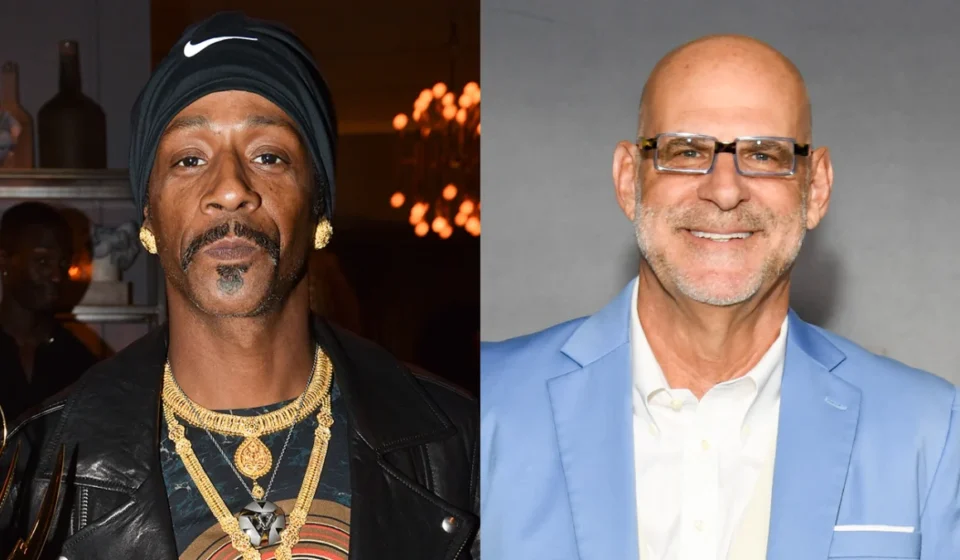
By diversifying into podcasts, Netflix is not merely experimenting; it is building a retention engine. By offering content that features familiar faces from its hit shows—such as bestselling author Harlan Coben or comedy heavyweight Katt Williams—Netflix creates a frictionless ecosystem where users can "stay" within the platform even when they are away from their television sets.
New Additions and Renewals
The expansion is characterized by a mix of high-profile celebrity talent and digital-native creators. The new original slate includes:
- Harlan Coben: The master of the plot twist, whose adaptation of I Will Find You became a global phenomenon, will host a show exploring the unexpected turns that define human lives.
- Katt Williams: The legendary stand-up comic brings his sharp observational style to the audio format.
- Digital Creators: The lineup features prominent influencers including Stephanie Soo, Kaelyn Moore, Meredith Hayden, and the duo Allison Kuch and Isaac Rochell.
In addition to these originals, Netflix is bolstering its library with established hits such as The Pivot Podcast and OUTLORE with Eleanor Neale. Meanwhile, the company has solidified its commitment to its initial roster, confirming renewals for Murder with My Husband, The Pete Davidson Show, Shut Up Evan, The Puzzle Room with David Kwong, and Allegedly with Ellison Barber.
Chronology of a Shift: From Niche Experiments to Mainstream Audio
The trajectory of Netflix’s involvement in audio has been steady, though often overshadowed by its massive film and series budget.
2020-2021: The Testing Ground
Netflix initially entered the space by releasing "companion podcasts" designed to market their hit series. These shows functioned as behind-the-scenes deep dives, aiming to deepen engagement with shows like The Crown or Stranger Things.
2022: The Pivot to Originals
Recognizing that companion podcasts were limited by the lifecycle of the parent show, the company began investing in standalone original audio content. The goal shifted from marketing support to independent intellectual property (IP) creation.
2023-2024: Scaling the Ecosystem
The current phase represents the "platformization" of audio. By securing over 60 titles and bringing in third-party talent with massive existing fanbases (such as the creators repped by major agencies like UTA and WME), Netflix is now competing directly with established audio giants like Spotify and Apple Podcasts, albeit with a focus on its specific curated "Netflix" brand of storytelling.
Supporting Data: Why Podcasts Make Business Sense
The data driving this decision is rooted in the concept of "share of wallet" and "share of time." While streaming video remains the company’s primary revenue driver, audio provides a secondary touchpoint that keeps the brand top-of-mind during non-viewing hours.
Genre Diversification
Netflix’s podcast library is strategically segmented into genres that mirror its most successful video categories:
- True Crime: Currently one of the most lucrative segments in the audio industry.
- Comedy: Leveraging the company’s extensive history with stand-up specials.
- Storytelling/Interviews: Providing a space for deeper, long-form exploration of themes present in Netflix’s scripted hits.
- Food and Lifestyle: Tapping into the massive popularity of non-fiction lifestyle programming.
This segmentation is not accidental. By aligning podcast content with video genres, Netflix creates a "content flywheel." A user who watches a true-crime documentary on Netflix is statistically more likely to listen to a true-crime podcast on the platform, reinforcing their subscription value.
Official Responses: The Creative Vision
The leadership at Netflix views this expansion as a logical evolution of the "Netflix experience." Brandon Riegg, Vice President of Nonfiction Series for Netflix, emphasized that the goal is to provide more of what the audience already loves, regardless of the medium.
"Podcasts are a way for members to get more of the genres, stories and personalities they love," Riegg stated in a recent press release. "No matter where or when you want to listen or watch, we have a curated selection of podcasts representing the best of true crime, sports, comedy, food, and storytelling of every kind."
The creators themselves are equally enthusiastic. Harlan Coben, whose transition to audio is perhaps the most anticipated of the new slate, sees the medium as a unique creative challenge. "I’ve always been fascinated by plot twists, in fiction and in real life," Coben remarked. "What’s the plot twist that formed you, surprised you, changed your life for the better—or even the worse? That’s a question I’m excited to explore together with a wide variety of guests."
Implications: The Battle for the Earbuds
The implications of Netflix’s aggressive entry into the podcast market are manifold.
1. The Challenge to Legacy Podcasters
By leveraging its massive user interface and algorithm-driven recommendations, Netflix can propel its original podcasts to the top of the charts with ease. This poses a competitive threat to independent podcasters and smaller networks that lack the ability to cross-promote to hundreds of millions of video subscribers.
2. Talent Retention
Agencies like UTA and WME, which represent the bulk of the talent involved in this rollout, are increasingly viewing "360-degree deals" as the gold standard. When Netflix offers a creator a platform to produce both a series and a podcast, the creator is incentivized to remain within the Netflix ecosystem rather than distributing their content across multiple disparate platforms.
3. The "Netflix-ification" of Audio
Netflix’s curation strategy is notably different from the "open" feed of traditional podcasting. By keeping these shows within their own app, Netflix is effectively creating a "walled garden" for audio. This ensures that data—how long people listen, which segments they skip, and what they binge next—remains proprietary, allowing Netflix to refine its content strategy with a level of precision that traditional podcast platforms cannot match.
4. A New Era for Non-Scripted Content
The move signals that Netflix no longer views "non-fiction" as a secondary priority. Between its highly successful reality television slate and its growing audio footprint, the company is positioning itself to be the dominant force in the "human interest" content space.
Conclusion: A Sound Strategy
As the streaming wars move into a phase of consolidation and increased scrutiny over profitability, Netflix’s pivot to podcasts is a shrewd move. It is a low-cost, high-engagement strategy that maximizes the value of its existing talent relationships and provides a necessary bridge between the platform’s high-production-value video hits and the daily, mobile-first habits of its global audience.
Whether this effort will succeed in permanently changing how subscribers interact with the Netflix app remains to be seen. However, with a catalog now exceeding 60 titles and a roster of A-list creators at the helm, the company has sent a clear message: Netflix is no longer just watching; it is listening. As the lines between visual and audio entertainment continue to blur, Netflix is ensuring that it remains the destination of choice, regardless of whether the audience is looking at a screen or listening through their headphones.