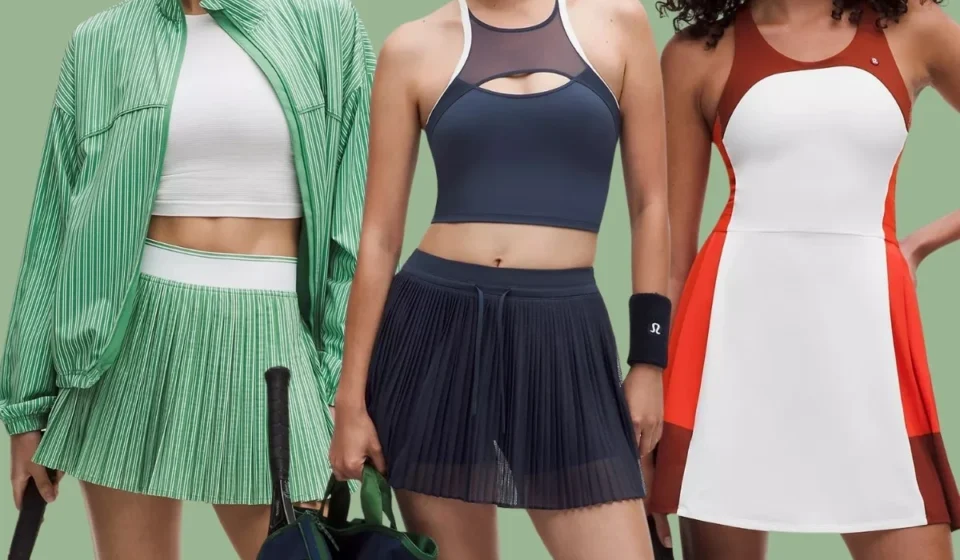

The intersection of high-performance athletics and luxury leisurewear has never been more vibrant than in the current tennis-obsessed cultural climate. As the U.S. Open captures the global spotlight, a surge of interest in tennis has spilled off the professional courts and onto local club courts, university campuses, and even city streets. This resurgence is not merely about athletic prowess; it is a full-scale aesthetic movement where the "tennis core" look has become a staple of modern wardrobes. Central to this evolution is Lululemon, the athletic apparel giant that has successfully bridged the gap between professional-grade gear and elevated street style.
Main Facts: The "Tennis Core" Phenomenon
Tennis has long been associated with a specific sartorial standard, but the modern player demands more than just tradition. Today’s consumer seeks versatility. They want apparel that can withstand a high-intensity serve, offer the breathability required for grueling rallies, and maintain a polished, stylish appearance for post-match social engagements.
Lululemon has responded to this demand by leveraging their "We Made Too Much" (WMTM) platform, a strategic outlet for high-quality, high-performance pieces at accessible price points. For tennis enthusiasts, this presents a unique opportunity: the chance to secure elite-tier activewear—frequently priced under $100—that incorporates the brand’s proprietary sweat-wicking fabrics and ergonomic design features. Whether it is the A-Line Side-Pleat skirt or the iconic Align Dress, the brand is providing the tools for players to elevate their game without compromising their budget or their look.
A Chronology of the Tennis Aesthetic
The evolution of tennis fashion from the rigid whites of the early 20th century to the technicolor, high-tech designs of today is a storied one.
- The Early Era: Tennis fashion was historically defined by restrictive, heavy fabrics and traditional silhouettes. For decades, the sport remained steeped in "proper" etiquette, which dictated the style of dress on the court.
- The Performance Shift (1980s-2000s): As the game became faster and more physical, fashion followed suit. Brands began experimenting with synthetic fibers and moisture-wicking technology. The focus shifted toward utility, often at the expense of aesthetic flair.
- The Modern "Lifestyle" Era (2010s-Present): With the rise of "athleisure," tennis apparel became untethered from the court. Influencers and professional players alike began to blur the lines between athletic performance and everyday wear.
- The Lululemon Integration: Over the past few years, Lululemon has effectively captured this market by focusing on "technical comfort." By integrating features like hidden ball pockets, adjustable straps, and buttery-soft, four-way stretch fabrics, they have redefined the baseline for what a tennis outfit should be.
Supporting Data: Why Function Meets Fashion
When analyzing the current market, it becomes clear why Lululemon’s offerings are resonating so strongly with the demographic. Data suggests that consumers are increasingly looking for "hybrid" garments—items that do not require an outfit change between the gym, the classroom, or the office.
The Engineering of the Skirt
Lululemon’s skirts, such as the RePleat High-Rise or the Knife-Pleat High-Rise, are not merely fashion statements. They are highly engineered pieces of equipment.
- Sweat-Wicking Capability: Most of the pieces featured in the current lineup utilize fabrics designed to pull moisture away from the skin, a critical factor during the long, humid matches typical of the U.S. Open season.
- Built-in Functionality: The inclusion of secure liners and strategically placed pockets for tennis balls demonstrates a deep understanding of the sport’s logistical needs.
- The "Stay-Put" Guarantee: Items like the High-Rise Pleated Tennis Skirt Long (4.5-inch length) are specifically marketed to eliminate the need for mid-match adjustments, providing players with the peace of mind necessary to focus entirely on their performance.
Pricing Accessibility
The "We Made Too Much" section serves as a democratic entry point for the brand. By offering items like the A-Line Side-Pleat Tennis Skirt for under $40, Lululemon is lowering the barrier to entry for younger players and students who want professional-quality gear without the professional-level price tag.
Official Responses and Strategic Positioning
While the brand maintains a neutral stance regarding professional endorsements, their strategic pivot toward tennis-specific collections speaks volumes. By curating a selection that emphasizes "court-to-brunch" versatility, the company is aligning itself with the lifestyle needs of the modern, multi-hyphenate individual.

In internal communications and marketing collateral, the brand emphasizes the "joy of movement." This messaging is designed to frame tennis not just as a competitive sport, but as an accessible, communal activity that fosters health and social connection. By highlighting pieces like the Court Champ Racerback Tennis Dress, the brand actively encourages players to express their personality on the court through bold color-blocking and modern, athletic silhouettes.
Implications for the Athletic Apparel Market
The success of Lululemon’s tennis-focused marketing has several profound implications for the broader sportswear industry:
1. The Death of the "Single-Use" Garment
The industry is seeing a sharp decline in the demand for single-use athletic gear. Consumers are voting with their wallets for items that can do it all. If a skirt cannot transition from a morning match to a casual lunch, it is increasingly being viewed as a poor investment. Lululemon’s dominance in this space suggests that versatility is now the primary currency of fashion.
2. The Rise of "Accessible Luxury"
By utilizing their outlet platforms, brands are learning that they can maintain their premium brand equity while simultaneously reaching a wider audience. This "accessible luxury" model creates brand loyalty at a younger age, as consumers who purchase their first piece of Lululemon via the WMTM section are statistically more likely to invest in full-priced, flagship items later in their professional lives.
3. The Democratization of Sport
Tennis has long been perceived as an elite, high-barrier-to-entry sport. By providing stylish, functional, and affordable apparel, Lululemon is contributing to a broader cultural shift that makes the sport feel more approachable. When a student on a campus tennis court feels confident and comfortable in their gear, they are more likely to stay engaged with the sport, thereby growing the game’s overall popularity.
Conclusion: A New Era of Play
As the U.S. Open continues to influence style trends, the message from the fashion world is clear: you do not need to be a professional athlete to dress like one. The current obsession with tennis is a celebration of both style and stamina. With options ranging from the minimalist Align Dress to the high-energy Ace Advantage series, Lululemon has successfully curated a collection that honors the history of the sport while embracing the needs of the modern player.
Whether you are looking to refine your backhand, participate in a social match, or simply embrace the "tennis core" aesthetic, the current offerings prove that high-performance, high-style, and high-value can exist within the same garment. In this new era of play, the outfit is indeed a fundamental part of the fun—and with the right gear, every court can feel like center stage.