Global Cinema Pulse: Pingyao’s Milestone, India’s New Horizon, and Taiwan’s Restored Legacy

The global cinematic landscape is witnessing a period of significant structural evolution. From the rugged, historic architecture of Shanxi, China, to the cultural heart of Bhopal, India, and the sophisticated screening rooms of Singapore, new initiatives and commemorative retrospectives are reshaping how independent and historical films are discovered, celebrated, and preserved. As the Pingyao International Film Festival prepares for its landmark tenth anniversary, the inaugural People’s International Film Festival of India (PIFFI) launches with an eye toward future technologies, while a monumental retrospective of Taiyupian cinema reminds audiences of the enduring power of linguistic heritage.
Pingyao International Film Festival: A Decade of Cinematic Discovery
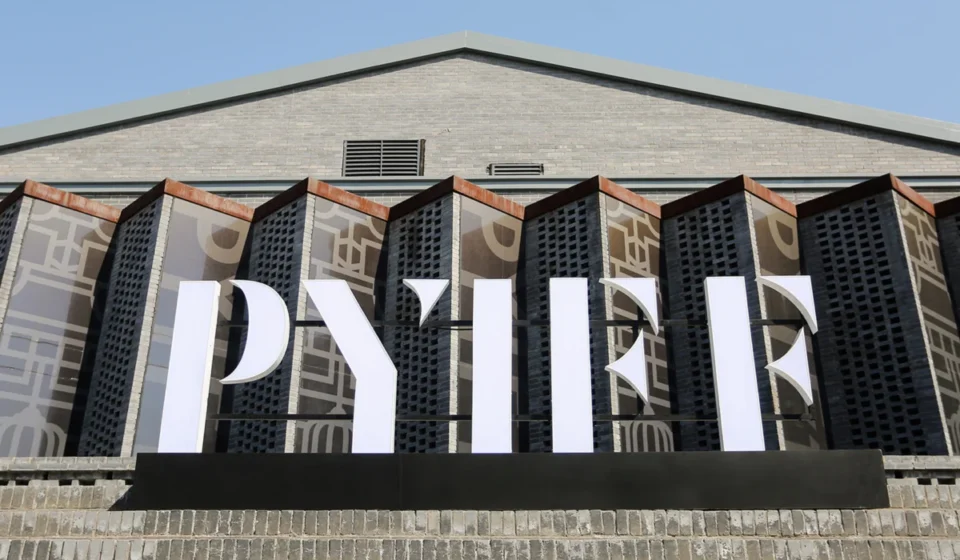
The Pingyao International Film Festival (PYIFF) is set to celebrate a decade of influence this September, marking a transformative journey that began in 2017. Founded by the internationally acclaimed director Jia Zhangke—a titan of the "Sixth Generation" of Chinese cinema—the festival has carved out a unique space within the global circuit. By situating itself in the Pingyao Festival Palace, a site that marries ancient heritage with modern artistic ambition, the festival provides a distinct atmosphere for filmmakers and critics alike.
The Structure of Success
The PYIFF is built on four distinct pillars: Screening, Market, Cultivation, and Academics. This comprehensive approach ensures that the festival functions as more than just a red-carpet event; it is a vital engine for industry growth. The "Screening" component remains the heartbeat of the event, divided into three specialized tracks:
- Crouching Tigers: A competitive section dedicated to the debut, second, or third features of emerging global directors. It is here that the festival has historically served as a launchpad for future visionaries.
- Hidden Dragons: A competitive slate reserved specifically for Chinese-language filmmakers in the early stages of their careers, fostering the next generation of domestic talent.
- Galas: A curated selection showcasing major international works and festival prizewinners, providing a bridge between high-profile global cinema and local audiences.
High Stakes and Prestigious Honors
The financial commitment of the PYIFF to the development of cinema is evidenced by its prize structure. Films competing in the Crouching Tigers and Hidden Dragons programs vie for the Roberto Rossellini Awards and the Fei Mu Awards. The Fei Mu Best Film prize is particularly significant, carrying a cash award of RMB 1 million ($140,000), while the Best Director earns RMB 200,000 ($28,000). These figures represent a substantial investment in the professional trajectories of winners.
The historical track record of the festival speaks for itself. Past editions have acted as the proving ground for directors who have since become household names in the arthouse circuit, including Chloé Zhao, Wei Shujun, and Liu Jian. By identifying talent early, the PYIFF has effectively positioned itself as a "tastemaker" festival, a reputation it seeks to solidify as it enters its tenth year from September 24–30.
The Bhopal Bow: PIFFI and the Future of Indian Cinema
While Pingyao marks a milestone, the city of Bhopal, Madhya Pradesh, is embarking on its inaugural cinematic journey. From December 17–20, the Rabindra Bhawan will host the first-ever People’s International Film Festival of India (PIFFI). Organized by the People’s Art, Culture and Education Foundation, this event signals a decentralized shift in India’s film festival landscape, which has traditionally been dominated by urban hubs like Mumbai, Goa, and Kolkata.
A Multidisciplinary Vision
PIFFI is designed as a four-day, competitive event that reflects the rapid diversification of modern filmmaking. The program is intentionally broad, encompassing features, shorts, and documentaries. Crucially, the festival is embracing the technological zeitgeist by incorporating a dedicated category for AI-assisted films, acknowledging the growing intersection of artificial intelligence and creative storytelling.
Beyond the screen, the festival aims to be a site of pedagogical growth. The schedule is packed with masterclasses and panel discussions led by industry veterans. This focus on "Education" as part of the festival’s mission is intended to cultivate a new generation of film critics and practitioners in Central India.
Leadership and Advisory Rigor
The festival is backed by a formidable team. Filmmaker Anwar Jamal serves as the festival director, bringing a wealth of experience in grassroots and independent cinema. Programming is helmed by renowned critic Saibal Chatterjee, while Ruchi Vijaywargia chairs the organizing committee. The prestige of the event is further bolstered by an advisory board that reads like a "who’s who" of Indian cinema, including legendary directors Adoor Gopalakrishnan and Sudhir Mishra, alongside former Film and Television Institute of India (FTII) director Tripurari Sharan.
Treasured Legacy: The Revival of ‘Taiyupian’
While Pingyao and Bhopal look toward the future of the medium, a collaboration between the Singapore Film Society, the Asian Film Archive, and the Taiwan Film and Audiovisual Institute is turning the clock back to the golden age of Taiwanese cinema. Running from September 4–6 at the Oldham Theatre in Singapore, the "Treasured Legacy: Celebrating 70 Years of Taiyupian" program represents a critical moment in regional film preservation.
The Significance of ‘Taiyupian’
Taiyupian refers to a distinct period of Taiwanese cinema—specifically films spoken in Taiwanese Hokkien and the Amoy dialect—that flourished in the mid-20th century. For decades, these films were relegated to the margins of film history, often neglected or lost. This tour, which positions Singapore as the first international stop, seeks to restore these works to their rightful place in the canon of Asian cinema.
Restoring a Cultural Heritage
The program includes five newly restored classics, marking their Southeast Asian premieres. These include:
- Zhang Di Seeks A-Zu
- Good Neighbors
- The Rice Dumpling Vendors
- Romance at Lungshan Temple
- Taming of the Princess (a major restoration by the Taiwan Film and Audiovisual Institute)
By pairing these screenings with a free public talk on Amoy-dialect cinema, the organizers are doing more than showing films; they are contextualizing a lost linguistic and cultural identity. This collaboration demonstrates how international archives can cooperate to rescue cultural artifacts from the brink of erasure.
Chronological Overview and Industry Implications
The upcoming months reflect a balanced approach to the film industry’s needs:
- Early September (Singapore): Focus on preservation, archival history, and the recovery of lost cultural narratives.
- Late September (Pingyao): Focus on the discovery of new talent, market development, and the sustainability of the festival-as-institution.
- December (Bhopal): Focus on decentralization, regional engagement, and the integration of emerging technologies like AI into the creative process.
The Economic and Cultural Implications
The proliferation of these events has profound implications for the global film economy. For the Pingyao International Film Festival, the challenge of its second decade will be maintaining its relevance in an increasingly saturated market. By offering significant cash prizes, it continues to attract high-quality submissions that might otherwise bypass regional festivals.
For the People’s International Film Festival of India, the success of the inaugural event will be measured by its ability to engage the local community in Bhopal while attracting national attention. If it succeeds, it could set a template for other Tier-2 cities in India to establish their own cultural anchors, thereby reducing the "silo effect" of the Indian film industry.
Finally, the Taiyupian tribute represents a vital trend in international cinema: the move toward decolonizing and broadening the film canon. By elevating regional dialects and forgotten eras, these institutions are acknowledging that the history of cinema is not just the history of Hollywood or the major Western festivals, but a mosaic of local experiences.
Official Responses and Future Outlook
While specific executive statements are often reserved for the opening ceremonies of these events, the organizers have consistently emphasized a shared theme: the necessity of the "physical" film festival. In an era of streaming and digital distribution, the gathering of audiences, critics, and filmmakers remains the primary mechanism for legitimizing cinema as an art form.
As Jia Zhangke noted in previous reflections on Pingyao, the goal is to create a "living room" for cinema—a place where the gap between the filmmaker’s vision and the audience’s interpretation can be bridged. Similarly, the organizers of PIFFI and the curators of the Taiyupian retrospective argue that the communal experience of watching a film in a theater—whether it is a new, AI-enhanced documentary in Bhopal or a restored 1950s classic in Singapore—is an irreplaceable ritual.
As we look toward the final quarter of the year, these three events serve as a barometer for the health of the industry. Whether through the lens of a fledgling festival in India, a well-established powerhouse in China, or a collaborative archival effort in Singapore, the message remains the same: cinema is a resilient medium, constantly adapting to the pressures of technology and the demands of cultural preservation. As these festivals open their doors, they remind us that the future of film is not just about what is being made tomorrow, but about how we curate and respect the diverse voices that have brought us to this point.