From Viral Sketches to Prime-Time Ambition: Julie Nolke’s Becky and Miranda Signals a New Era for Canadian Digital Media

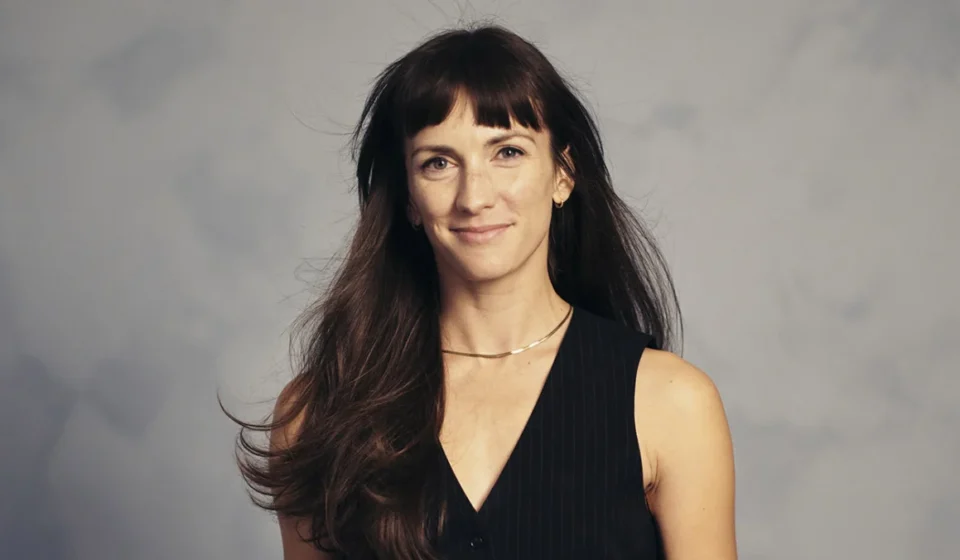
The landscape of Canadian entertainment is undergoing a seismic shift, one characterized by the erosion of traditional gatekeepers and the rise of creator-led content. At the forefront of this evolution is Julie Nolke, the powerhouse YouTube creator whose satirical, razor-sharp dissections of Millennial anxiety have garnered millions of views. On Wednesday, at the Access Canada Summit—powered by The Hollywood Reporter—Nolke made a landmark announcement: she is officially expanding her digital footprint with a brand-new, seven-episode dark comedy series titled Becky and Miranda.
The series, which features long-time collaborator and Kim’s Convenience star Nicole Power, promises to bring the duo’s signature "gallows humor" to a more narrative-driven, episodic format. As the lines between "YouTuber" and "professional actor" continue to dissolve, this project serves as a bellwether for the future of digital-first storytelling in Canada.
Main Facts: The Genesis of Becky and Miranda
Becky and Miranda is not merely a pivot for Nolke; it is an evolution of a character dynamic that has already proven successful on the platform. The series is built upon the foundation of several viral sketches produced by Nolke and Power, which explored the absurd, cynical, and often violent manifestations of dating frustrations.
The premise of the show leans heavily into a Heathers-esque dark comedy aesthetic, centering on two Millennial women navigating the treacherous waters of modern romance. Their bond is cemented through a shared, deep-seated skepticism toward the men they encounter—a skepticism that occasionally veers into the homicidal.
Production on the seven-episode first season is set to commence shortly, with the full treatment for the series already completed. By transitioning from short-form, high-concept sketches to a serialized format, Nolke and Power are signaling their intent to compete with traditional television, utilizing the creative autonomy that YouTube provides to maintain the distinct voice their audience expects.
Chronology: The Rise of the Digital Auteur
The journey to Becky and Miranda reflects the broader trajectory of the digital creator economy over the last decade.
- Pre-2020: Julie Nolke establishes herself as a formidable voice in the YouTube space, gaining traction for her high-production-value comedic sketches that tackle the nuances of Millennial life.
- 2020-2022: Nolke’s popularity explodes, specifically with her "Explaining the Pandemic to my Past Self" series, which resonates globally. During this period, she begins collaborating frequently with Nicole Power.
- Mid-2023: The pair releases a series of sketches featuring characters "Becky and Miranda," which garner significant engagement and prove the viability of a longer-form narrative.
- September 2024 (Access Canada Summit): During a panel discussion in Toronto, Nolke officially announces the development of the Becky and Miranda series, confirming that production is imminent.
- September 12, 2024 (Upcoming): YouTube Canada is scheduled to unveil its full slate of Canadian creator-led shows at its "YouTube Features" showcase in Toronto.
Supporting Data: YouTube’s Dominance in the Great White North
The timing of Nolke’s announcement is no coincidence. YouTube’s influence in the Canadian media market has reached a critical inflection point. As traditional cable bundles continue to lose subscribers—a phenomenon commonly referred to as "cord-cutting"—Canadian viewers are migrating en masse toward streaming platforms that offer lower costs and higher accessibility.
According to industry trends presented at the Access Canada Summit, YouTube has not only caught up to its streaming rivals but, in many metrics of audience engagement, has surpassed them. This is bolstered by the fact that Canadian viewers are increasingly seeking out "locally-driven" content. YouTube has positioned itself as the primary vehicle for this domestic creative output, effectively filling the void left by legacy broadcasters who have struggled to adapt to the pace of digital-first consumption.
The shift is further evidenced by the financial viability of these projects. Unlike traditional TV models, where creators often surrender intellectual property (IP) rights to the studio or network, the YouTube model allows creators to retain ownership. This change in the power dynamic is attracting top-tier talent who might have previously prioritized roles in conventional television dramas or sitcoms.
Official Responses: Empowering the Creative Entrepreneur
The panel discussion at the Access Canada Summit, moderated by The Hollywood Reporter’s Steven Zeitchik, provided a rare glimpse into the corporate philosophy guiding YouTube’s investment in local talent. Nicole Bell, Head of YouTube Canada, emphasized that the platform’s primary goal is to provide the infrastructure for "creative entrepreneurs" to succeed without compromising their artistic vision.
"They get to greenlight themselves," Bell noted during the panel. "They decide what their content will look like. They get to continue owning their IP, owning all their audience, and going directly to that audience to receive real-time feedback."
This "direct-to-consumer" philosophy is at the heart of the current creator boom. For creators like Nolke, this means that the "notes" they receive come from their actual viewers rather than network executives concerned with ad-buy demographics. Power, a veteran of the traditional Canadian acting circuit, echoed these sentiments. "The cool thing I’ve noticed as a creator is there used to be quite segregated lanes to be a digital creator and an influencer, or to be a ‘real’ actor," she remarked. "But those lines have totally blurred."
Implications: The Convergence of Digital and Traditional Media
The success of Becky and Miranda and the broader push by YouTube Canada suggests that we are entering a post-medium era. The distinction between a "YouTuber" and an "actor" is no longer relevant; in the modern landscape, the only distinction that matters is the ability to command an audience.
The Death of the Gatekeeper
For decades, the Canadian media industry was defined by high barriers to entry. Aspiring writers and actors needed the approval of major studios or public broadcasters to gain visibility. The YouTube model removes these gatekeepers. As Nolke pointed out, the ability to "greenlight oneself" is a revolutionary change in the creative process, allowing for more niche, daring, and non-conformist storytelling that might have been rejected by traditional networks as "too risky."
The Economic Shift
The convergence of digital and traditional media also has significant economic implications for local artists. By owning their IP, creators are no longer dependent on residuals or precarious contract work. They can leverage their audiences to secure brand partnerships, merchandise revenue, and, increasingly, funding for more ambitious, long-form projects. This creates a sustainable career path that keeps Canadian talent in Canada rather than forcing them to seek opportunities in Hollywood.
A New Standard for Dark Comedy
Becky and Miranda is positioned to test whether an audience that consumes short-form, high-paced sketches will make the leap to a seven-episode series. If successful, it could serve as a roadmap for other creators. The show’s reliance on "gallows humor" to address gender dynamics and societal frustrations speaks to a younger demographic that values authenticity over polish.
The Toronto Film Festival Connection
The announcement occurring during the Toronto Film Festival (TIFF) is symbolic. While TIFF has traditionally celebrated cinema, the presence of YouTube-led discussions at the Access Canada Summit indicates that the festival and the wider industry are acknowledging digital content as a legitimate form of prestige media. The barrier between the "big screen" and the "laptop screen" is thinning, and the industry is finally taking note.
Conclusion: What’s Next?
As we look toward the future of the Canadian media landscape, the story of Julie Nolke and Becky and Miranda serves as a compelling case study. It represents the maturation of the digital creator economy—a transition from experimental, ad-hoc content to planned, serialized, and professionally produced television-style narratives.
With YouTube Canada set to unveil more of its creative slate, the industry should expect to see more creators following in Nolke’s footsteps. The power has shifted from the boardroom to the creator’s desk. In this new ecosystem, those who can foster a direct, transparent, and authentic relationship with their audience are the ones who will define the next generation of entertainment.
For Nolke and Power, the challenge now lies in the execution. If Becky and Miranda can capture the same lightning-in-a-bottle energy that made their viral sketches a success, they will not only be continuing their own careers—they will be writing the new rules for what it means to be a "star" in the modern age. The production phase, which begins shortly, will be closely watched by fans and industry insiders alike, marking the official arrival of the digital creator as a dominant force in the Canadian cultural identity.