
Fragments of a Fractured Land: Lana Daher’s Do You Love Me and the Archive of Survival

In the landscape of contemporary documentary filmmaking, few works manage to capture the elusive, haunting intersection of personal history and national trauma as viscerally as Lana Daher’s debut feature, Do You Love Me (2026). A kaleidoscopic, 76-minute journey through the soul of Lebanon, the film is a monumental act of reclamation. By stitching together seven decades of found footage—ranging from private home movies and discarded newsreels to fragments of independent cinema—Daher constructs a portrait of Beirut that is as disorienting as it is deeply intimate.
Premiering to critical acclaim at Venice Days and currently enjoying a run at New York’s Metrograph, Do You Love Me is more than a film; it is a repository for a country that lacks a centralized national archive. In a nation where history is often erased, ignored, or fragmented, Daher’s work serves as a necessary, living counter-narrative.
The Genesis of an Archival Odyssey
The origins of Do You Love Me trace back to 2018, when Daher, a Beirut-based multidisciplinary artist, began a research project exploring the intricate relationship between war and music. The film’s title, a nod to the popular Lebanese band the Bendaly Family, belies the deeper, more melancholic exploration that followed.
"The film started as research into how music carries memory and moves through conflict," Daher explains. "But little by little, I realized that what mattered to me was much more personal: my own relationship with Beirut, my own childhood, and our collective relationship to memory and history."

What began as a music-centric documentary evolved into a sweeping, non-linear examination of Lebanese life. Daher found that the most profound stories were not found in textbooks—which are notoriously absent or biased in the Lebanese educational system—but in the discarded remnants of lives lived in the shadow of permanent crisis.
A Chronology of the Unseen
To understand the structure of Do You Love Me, one must accept that in Lebanon, time is not a straight line; it is a recurring loop of violence, celebration, and recovery. Daher deliberately eschews traditional chronology, opting instead for an "emotional logic."
The production process was an exercise in extreme curation. Daher and her team sifted through over 20,000 audiovisual fragments, spanning from a 1928 home video to the digital archives of the present day. To assemble the final 76-minute cut, they had to clear nearly 400 rights contracts, a Herculean task given the lack of institutional infrastructure for film preservation in Lebanon.
The film’s assembly was a collaborative effort with Paris-based Syrian editor Qutaiba Barhamji, known for his work on the Oscar-nominated Four Daughters (2023). Together, they established a set of rigid, self-imposed constraints: no full scenes from existing films, no appearances by Lebanese politicians, and no traditional voiceover. By fragmenting and recombining these isolated shots, they created a rhythmic, sensory experience that mirrors the feeling of living through Lebanon’s constant state of flux.

Supporting Data: The Weight of the Archive
The sheer scale of the research behind Do You Love Me underscores the precarious nature of Lebanese history. With no national archive to speak of, the country’s history is scattered across private hard drives, family basements, and the international festival circuit.
- Source Materials: The film draws from 106 distinct fiction and documentary features produced between 1958 and 2026.
- Archival Scope: The earliest footage dates back to 1928.
- The Selection Process: Only seven percent of the researched material made it into the final film, illustrating the rigorous editorial process required to move from raw data to a coherent artistic statement.
- The Gender Lens: A pivotal aspect of the film is its focus on the "female gaze." Daher notes that while men may have held the cameras, women were often the ones who preserved the photographs, diaries, and memories that survived the waves of migration and displacement. By centering these perspectives, Daher provides a record of domestic life, mourning, and resilience that is frequently omitted from state-sanctioned historical accounts.
Official Perspectives and Artistic Intent
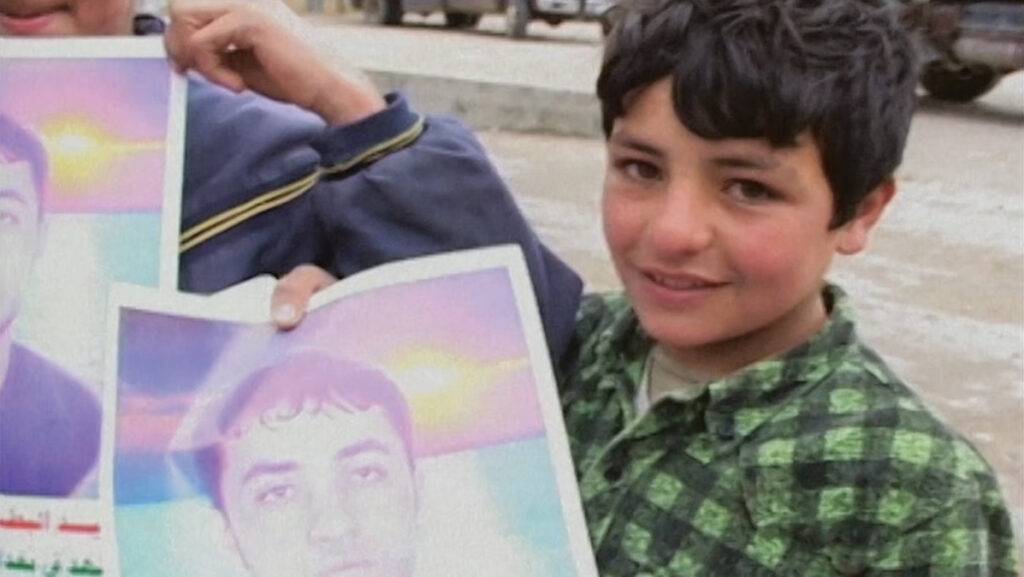
Throughout the film, the voices of civilians, intellectuals, and artists collide. Scenes from fiction films, such as the 2008 Beirut-set I Want to See, are juxtaposed with real-world newsreel footage of urban warfare. The distinction between the staged and the lived becomes purposefully blurred.
Daher’s collaboration with Barhamji allowed for an outside perspective, which she felt was essential. "I deliberately chose to work with an editor who wasn’t Lebanese," she says. "He didn’t carry the same attachment to the images or the traumas that I had. If a scene didn’t open into something more universal, we let it go."
The film serves as an homage to pioneers like the late filmmaker and journalist Jocelyne Saab, whose work documented the horrors of the 1975 Lebanese Civil War. By including excerpts from Saab’s documentaries, Daher connects her own creative lineage to those who dared to document the wreckage of their own homes.
Implications: A Country in Perpetual Crisis
The release of Do You Love Me comes at a time when Lebanon is once again in the international spotlight, facing intense geopolitical pressures and renewed cycles of violence. When asked about the film’s resonance in the context of the current conflict between Israel and Hezbollah, Daher is quick to reject oversimplified narratives.
"Lebanon isn’t simply ‘caught in the crossfire,’" Daher asserts. "Reducing what is happening today to a confrontation between Israel and Hezbollah overlooks a much longer history of invasion and occupation that predates the existence of those groups."
For Daher, the film is an act of resistance against the reduction of her homeland to a "war-torn statistic." By screening the film in Beirut during the current conflict, the boundaries between the screen and reality were stripped away. At one screening, the sound of an Israeli drone circling outside the venue blended with the film’s sound design, forcing the audience to confront the reality that for Lebanese people, trauma is not a memory—it is a current, inescapable state of being.
Conclusion: Holding Space for Humanity
Do You Love Me does not attempt to explain Lebanon; it attempts to hold it. By refusing to provide a neat, pedagogical history lesson, Daher allows the viewer to experience the beauty, absurdity, and profound tenderness of a city that refuses to vanish.
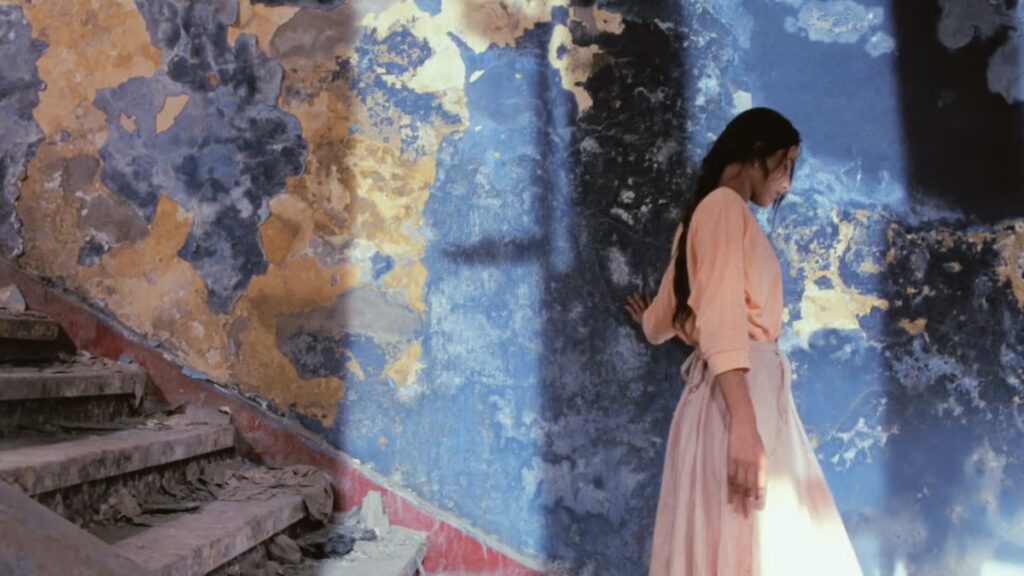
The film acts as a living archive—incomplete, subjective, and deeply felt. It honors the people who have lived through the cycles of destruction and rebirth, reminding the world that behind the headlines of conflict are families celebrating birthdays, poets writing in the dark, and a society that, despite everything, continues to love the ground beneath its feet.
As the film continues its global run, its legacy is already cemented as one of the most important cinematic explorations of memory in the 21st century. It provides a sanctuary for those who have lost their own history, a space where the fragmented pieces of a nation can finally, if only for 76 minutes, be held together in the light.