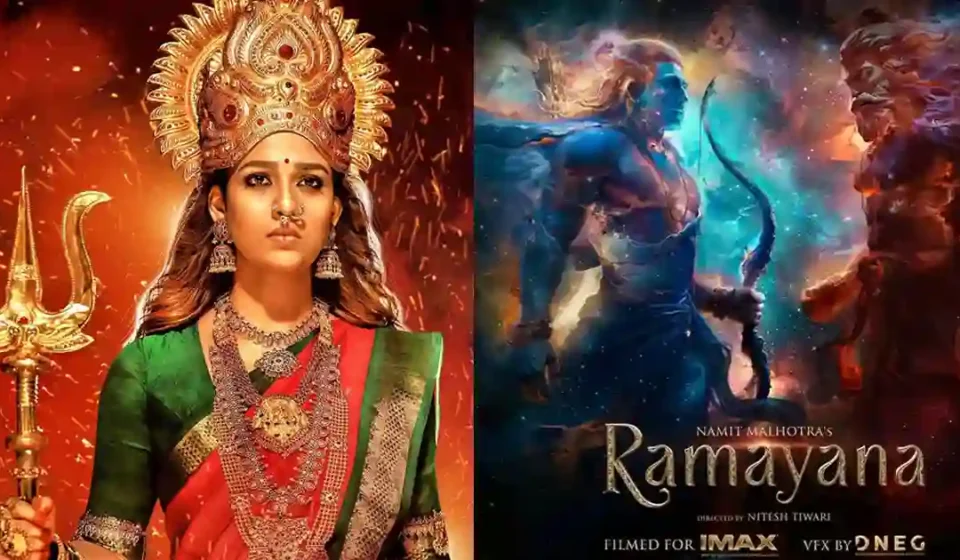

Mumbai, India – The Indian film industry is bracing for a monumental clash this Diwali, as two of the year’s most anticipated films, Nitesh Tiwari’s mythological epic "Ramayana" and Sundar C’s devotional sequel "Mookuthi Amman 2," are reportedly eyeing the same auspicious release window. What was initially perceived as a clear path for the pan-Indian spectacle "Ramayana" has now been complicated by the formidable entry of a regional powerhouse, setting the stage for an unprecedented box office showdown that could redefine festival release strategies in Indian cinema.
Main Facts: A Dual Assault on the Diwali Box Office
The festive season of Diwali, traditionally a golden period for film releases, is poised to witness a direct confrontation between two cinematic giants, each carrying immense expectations and significant financial backing. At the forefront is "Ramayana," a film that has captured national imagination since its inception. Directed by the acclaimed Nitesh Tiwari, known for his masterful storytelling in "Dangal" and "Chhichhore," this grand adaptation of the ancient Indian epic features a stellar cast including Ranbir Kapoor as Lord Rama, Sai Pallavi as Sita, and Yash in a pivotal role, reportedly as Ravana. Positioned as a tentpole production with pan-Indian appeal, "Ramayana" is envisioned as a cultural event, aiming to deliver a definitive cinematic rendition of the beloved narrative to a global audience. The film’s immense scale, advanced visual effects, and the star power of its lead actors have cemented its status as one of the most awaited releases, with many trade analysts initially predicting a solo, record-breaking run during Diwali.
However, the landscape dramatically shifted with the burgeoning whispers of "Mookuthi Amman 2" entering the fray. This sequel to the highly successful 2020 devotional family entertainer "Mookuthi Amman" stars the undisputed "Lady Superstar" of Tamil cinema, Nayanthara, in the titular role. The original film, a blend of comedy, devotion, and social commentary, resonated deeply with audiences, particularly in Tamil Nadu, establishing a strong emotional connection. Now, with a reported budget of Rs. 100 crore, "Mookuthi Amman 2" signals a significant escalation in ambition and scale for the franchise. Directed by the veteran commercial filmmaker Sundar C, with music by the popular Hiphop Tamizha and produced by Ishari K. Ganesh, the sequel aims to capitalize on the immense goodwill and fan base built by its predecessor.
The potential clash of these two behemoths has sent ripples through the industry. While "Ramayana" aims for a broad pan-Indian and international audience, "Mookuthi Amman 2" possesses a formidable stronghold in its home territory of Tamil Nadu, a critical market for any film’s overall box office success. Should both films indeed arrive during the same timeframe, "Mookuthi Amman 2" is expected to provide robust competition to "Ramayana," particularly in the southern state, potentially fragmenting the audience and challenging the financial prospects of both productions. This scenario presents a fascinating study in market dynamics, star power, and genre appeal, underscoring the intense competition inherent in India’s vibrant and diverse film industry.
Chronology: From Solo Spectacle to Dual Deluge
The journey to this potential box office confrontation has been marked by distinct phases of anticipation and strategic maneuvering, reflecting the complex nature of high-stakes film releases.
Initial Buzz for Ramayana: A Grand Vision Unfolds
The genesis of Nitesh Tiwari’s "Ramayana" has been a topic of fervent discussion for several years. Initial reports of a magnum opus adaptation of the revered epic began circulating, generating immense excitement among cinephiles and cultural enthusiasts alike. The project gained significant traction with the official announcements regarding its star-studded cast. Ranbir Kapoor’s portrayal of Lord Rama was met with a mix of anticipation and debate, given his diverse filmography. However, his commitment to transformative roles and Tiwari’s directorial finesse instilled confidence in the industry. Sai Pallavi’s selection as Sita brought an immediate wave of approval, particularly from the South Indian audience, where she commands a massive fan following for her expressive performances and natural screen presence. The casting of Yash, the pan-India sensation from the "KGF" franchise, as Ravana, further amplified the project’s national appeal, promising a formidable antagonist that could match the gravitas of the protagonist.
Director Nitesh Tiwari, celebrated for his ability to blend grand narratives with emotional depth, articulated a vision for "Ramayana" that transcended mere spectacle, aiming for a culturally resonant and emotionally impactful retelling. Early production glimpses and concept art hinted at a film that would leverage cutting-edge visual effects while staying true to the spiritual and philosophical essence of the original text. From the outset, the Diwali festival was identified as the ideal release window. Diwali, symbolizing the triumph of good over evil, perfectly aligns with the themes of "Ramayana," offering a synergistic cultural moment for its theatrical debut. Given the project’s scale, budget, and the perceived universal appeal of the subject matter, trade analysts and industry observers largely anticipated a solo release, allowing "Ramayana" to dominate the box office and achieve its full commercial potential without significant competition.
Emergence of Mookuthi Amman 2: A Regional Powerhouse Rises
While "Ramayana" meticulously progressed, whispers of a sequel to the successful 2020 Tamil film "Mookuthi Amman" began to gather momentum. The original "Mookuthi Amman" was a sleeper hit, a refreshing devotional comedy that skillfully blended humor, social commentary, and heartfelt performances. Nayanthara’s portrayal of the benevolent goddess, coupled with RJ Balaji’s (who co-directed the first film) witty script, struck a chord with Tamil audiences, making it a memorable and culturally relevant film, especially during its direct-to-OTT release during the pandemic. Its success underscored the enduring appeal of devotional themes when presented with contemporary sensibilities.
The announcement of "Mookuthi Amman 2" therefore came as no surprise, but its reported Rs. 100 crore budget signaled a significant leap from its predecessor, indicating a larger canvas and heightened production values. Sundar C, a director synonymous with commercial success and family entertainers, stepped into the director’s chair, promising to maintain the franchise’s unique blend while expanding its scope. Hiphop Tamizha, whose music for the first film was a highlight, was confirmed to compose again, ensuring continuity in the film’s popular soundscape. Producer Ishari K. Ganesh, known for backing diverse projects, indicated a strong commitment to making "Mookuthi Amman 2" a major festival release. As production began to ramp up, the Diwali window, historically a lucrative period for Tamil films, emerged as the prime target for the sequel’s release. The strategic decision to aim for Diwali, a festival celebrated with immense fervor in Tamil Nadu, highlighted the production house’s confidence in Nayanthara’s star power and the franchise’s regional appeal.
The Developing Narrative: Industry Reacts to the Imminent Clash
The initial industry consensus that "Ramayana" would enjoy an unchallenged Diwali run began to dissolve as credible reports of "Mookuthi Amman 2"’s Diwali release plans gained traction. Trade analysts, initially skeptical of such a high-stakes clash, started acknowledging the increasing likelihood. The news sparked immediate reactions across the industry and among fan communities. Social media platforms buzzed with discussions comparing the two films, their star power, and their potential box office trajectories.
Industry insiders began to weigh in on the implications, with many expressing concern over the potential for both films to cannibalize each other’s collections, especially in key markets like Tamil Nadu where Nayanthara holds sway. The narrative shifted from "Ramayana" as a solo event to a dynamic scenario where two distinct yet powerful films would vie for audience attention and screen space. The developing story underscores the increasing assertiveness of regional cinema on the national stage and the growing willingness of producers to challenge established norms, even if it means directly confronting a pan-Indian behemoth during a peak release period. The next few weeks are expected to be critical as official announcements from both camps will either confirm the clash or reveal a strategic retreat by one of the parties.
Supporting Data: Unpacking the Dynamics of a Festival Showdown
A potential box office clash of this magnitude during Diwali necessitates a deeper dive into the market forces, star power, genre appeal, and logistical challenges that define the Indian film industry. Understanding these elements is crucial to predicting the possible outcomes and implications.
Market Analysis and Box Office Trends: The Diwali Goldmine
Diwali is not just a festival; it’s a box office phenomenon in India. Historically, this period has been synonymous with record-breaking collections, driven by increased discretionary spending, family outings, and a festive mood conducive to movie-watching. Major production houses strategically aim for Diwali, Christmas, Eid, and Sankranti for their biggest releases, recognizing the amplified audience footfall. However, this lucrative window also breeds intense competition. Past Diwali clashes, such as "Jab Tak Hai Jaan" vs. "Son of Sardaar" (2012) or "Golmaal Again" vs. "Secret Superstar" (2017), have demonstrated both the potential for multiple films to succeed and the risk of one overshadowing the other. The ideal scenario for any tentpole film is a solo release, which maximizes screen count, ticket sales, and critical word-of-mouth propagation. A split release, especially between two major films, invariably leads to a division of screens, marketing budgets, and audience attention, potentially capping the individual film’s ceiling. For "Ramayana," a truly pan-Indian spectacle with a massive budget, a solo release would have been paramount to recoup investments and achieve blockbuster status across all territories. The entry of "Mookuthi Amman 2" challenges this fundamental assumption, particularly in the crucial South Indian markets.
Star Power and Regional Influence: The Battle of Titans
The star power behind both films is immense, yet their spheres of influence differ, creating a fascinating dynamic.
Ramayana:
- Ranbir Kapoor: Coming off the phenomenal success of "Animal," Ranbir Kapoor is at a career high. His ability to deliver intense, complex performances, coupled with his pan-Indian recognition, makes him a significant draw. While "Ramayana" is a genre departure from his recent action-heavy roles, his association lends gravitas and commercial viability.
- Sai Pallavi: A celebrated actress primarily in South Indian cinema, Sai Pallavi brings immense credibility and a dedicated fan base. Her naturalistic acting and strong screen presence are highly admired, particularly in Tamil and Telugu states. Her inclusion broadens "Ramayana"’s appeal beyond traditional Hindi-speaking audiences.
- Yash: The "KGF" phenomenon transformed Yash into a national icon. His portrayal of Rocky Bhai resonated across linguistic barriers, establishing him as a pan-Indian superstar. His role as Ravana in "Ramayana" is eagerly awaited, promising a powerful antagonist that could appeal to his massive fan following, especially in Karnataka and other South Indian regions.
- Nitesh Tiwari: As a director, Tiwari has a proven track record of delivering both critical acclaim and commercial success ("Dangal" remains one of India’s highest-grossing films). His ability to handle sensitive subjects and grand narratives with nuance makes him a compelling force behind "Ramayana."
Mookuthi Amman 2:
- Nayanthara: The undisputed "Lady Superstar" of Tamil cinema, Nayanthara commands an unparalleled fan following and box office pull. Her films often open strong purely on her star power, especially with female audiences and families. Her recent foray into Hindi cinema with "Jawan" further solidified her national recognition, though her core strength remains in the South. For "Mookuthi Amman 2," her presence is the primary draw, a guaranteed crowd-puller in Tamil Nadu.
- Sundar C: A seasoned director and actor, Sundar C is known for his commercially successful and entertaining films, particularly in the comedy and horror-comedy genres. His understanding of the pulse of the Tamil audience is a significant asset, ensuring "Mookuthi Amman 2" is crafted to appeal directly to its target demographic.
- Hiphop Tamizha: His music is popular among the youth, and his songs for the first "Mookuthi Amman" were well-received. His involvement ensures a continuation of the film’s popular musical identity, which is crucial for devotional films.
The stark contrast lies in their primary influence: "Ramayana" aims for broad pan-Indian appeal, leveraging a diverse cast to penetrate multiple linguistic markets, while "Mookuthi Amman 2" possesses an undeniable, concentrated strength in Tamil Nadu, a region where Nayanthara’s star power can often overshadow even pan-Indian releases.
Genre Appeal and Audience Demographics: A Tale of Two Audiences
The two films also cater to somewhat distinct, though potentially overlapping, audience segments.
- Ramayana: As a mythological epic, "Ramayana" holds universal appeal across India. It taps into deep cultural and religious sentiments, attracting families, devotees, and those interested in grand cinematic experiences. Its themes of dharma, duty, sacrifice, and the eternal battle between good and evil resonate with a wide age group. The film’s narrative is inherently familiar to most Indians, reducing the need for extensive plot exposition and allowing audiences to immerse themselves directly in the spectacle and emotional journey.
- Mookuthi Amman 2: This film targets a specific, yet substantial, demographic: families, especially women, and devotees in Tamil Nadu who appreciate devotional themes presented with humor and contemporary relevance. The original film’s success was rooted in its ability to be both entertaining and spiritually uplifting, offering a light-hearted yet meaningful experience. Its regional flavor, local humor, and focus on specific cultural nuances will ensure strong connect with its core audience. While devotional films can have broader appeal, the specific cultural context and comedic style of "Mookuthi Amman 2" are tailored for the Tamil market.
The overlap could occur with families seeking entertainment during Diwali, where both films offer family-friendly content. However, the specific genre appeal might lead to a natural bifurcation, with audiences choosing based on their preferred style of storytelling – a grand mythological spectacle versus a humorous, regional devotional tale.
Production and Distribution Logistics: The Battle for Screens
The practicalities of releasing two major films concurrently are daunting.
- Screen Allocation: Securing prime screens in multiplexes and single-screen theaters is a fierce battle during festival periods. Distributors for both films will vie for the maximum number of shows, especially in key cities. In Tamil Nadu, "Mookuthi Amman 2" might leverage its local connections and Nayanthara’s immense popularity to secure a significant share of screens, potentially reducing "Ramayana"’s penetration.
- Marketing Overload: Both films will require extensive and expensive marketing campaigns. A direct clash means that marketing messages could get diluted, and audiences might struggle to decide which film to prioritize. The sheer volume of promotional material from two high-profile releases could lead to audience fatigue or confusion.
- Exhibitor Dilemma: Theater owners face a difficult choice. They must balance potential profits from both films while ensuring fair play. The decision of which film gets more screens and prime showtimes will be critical for their respective box office outcomes.
The supporting data paints a picture of a high-stakes scenario where market dynamics, star power, genre appeal, and logistical challenges will all play a crucial role in determining the victor, or perhaps, the shared fortunes of this Diwali clash.
Official Responses: A Strategic Silence
In the high-stakes world of film releases, particularly when a potential clash looms, official communication often follows a carefully calibrated strategy, usually leaning towards silence until a definitive decision is made. This period of quiet is not indicative of inaction but rather a testament to intense negotiations, strategic planning, and a desire to avoid premature declarations that could either undermine future bargaining power or create unnecessary controversy.
Silence from Production Houses: The Art of Non-Commitment
As of now, there have been no official statements from the production houses behind either "Ramayana" or "Mookuthi Amman 2" confirming or denying the Diwali clash. This radio silence is a common industry practice. For Namit Malhotra’s Prime Focus (Allu Aravind’s Geeta Arts is also involved with "Ramayana"), the producers of "Ramayana," a film of such monumental scale and investment, a solo release would be the most desirable outcome. Publicly acknowledging a clash before it’s finalized could be seen as an admission of vulnerability or a challenge to a competitor, neither of which is strategically advantageous. Their focus would likely be on completing production, finalizing visual effects, and securing the widest possible release, ideally without direct competition. Any announcement would likely come only after all avenues for a solo run have been exhausted, or a firm decision has been made to proceed with the clash.
Similarly, Ishari K. Ganesh’s Vels Film International, the banner behind "Mookuthi Amman 2," has maintained a discreet posture. While the industry buzz is strong about their Diwali intentions, a formal announcement is yet to be made. For a regional film, even one with a substantial budget and a superstar like Nayanthara, taking on a pan-Indian epic like "Ramayana" is a bold move. They would be meticulously assessing market conditions, potential screen availability, and the overall landscape before committing to a date. Announcing their Diwali release officially would effectively throw down the gauntlet, a move that producers typically reserve for the opportune moment, often after internal strategies are watertight. The absence of official confirmations suggests that discussions, both internal and external (with distributors, exhibitors, and potentially even the "Ramayana" team), are likely ongoing.
Actor/Director Perspectives: Deferring to the Producers
Actors and directors, while the creative forces and faces of these projects, typically defer to their producers when it comes to release dates, which are primarily business decisions.
- Ranbir Kapoor, Sai Pallavi, and Yash: For the cast of "Ramayana," their focus would remain on delivering compelling performances. While they understand the commercial implications of release dates, their public statements generally align with the producers’ narrative. They are unlikely to comment on a potential clash directly, instead emphasizing the film’s artistic merit, its cultural significance, and the hard work involved. Any past remarks on festival releases would likely be generic, expressing excitement for the audience to experience the film during a festive period, without naming potential competitors.
- Nayanthara and Sundar C: Similarly, Nayanthara, known for her private nature and focus on her craft, would likely let the producers handle release date specifics. Her public appearances would center on promoting "Mookuthi Amman 2"’s unique appeal and the entertainment it promises. Sundar C, as a veteran filmmaker, is well-versed in industry dynamics. He would likely express confidence in his film’s ability to connect with its audience, irrespective of competition, but would not preempt any official announcements from his production house regarding release strategy.
Trade Analyst Insights: Reading Between the Lines
In the absence of official statements, trade analysts and industry trackers become crucial sources of information, piecing together whispers, distribution trends, and market intelligence. Prominent analysts, speaking off the record or through their columns, have generally expressed a mix of apprehension and intrigue regarding the potential clash.
- "This Diwali could be a game-changer," remarked a Mumbai-based trade analyst, requesting anonymity. "Two films of this scale clashing is rare. While ‘Ramayana’ is a national spectacle, one cannot underestimate Nayanthara’s pull in Tamil Nadu. It’s not just a regional vs. national fight; it’s a battle of different genres and fan bases."
- Another Chennai-based analyst highlighted the logistical nightmares: "Screen sharing will be the biggest challenge. Exhibitors will be under immense pressure. Both films need significant screens for a profitable run. Unless one blinks, both might end up splitting the pie, which is never ideal for big-budget films."
- Some analysts speculate that the current silence might be a strategic waiting game, with each production house hoping the other will flinch first and shift its date. The first one to officially announce its Diwali slot often gains a psychological advantage, but also risks committing to a battle.
Ultimately, the official responses remain carefully guarded, a clear indication that the situation is fluid and strategic decisions are being meticulously weighed behind the scenes. The industry awaits a definitive word, knowing that the outcome will have significant ramifications for the box office landscape.
Implications: The Ripple Effect of a Diwali Showdown
The potential clash between "Ramayana" and "Mookuthi Amman 2" during Diwali extends far beyond the immediate box office numbers of these two films. It signals broader implications for the Indian film industry, influencing strategic planning, market dynamics, and the evolving relationship between pan-Indian and regional cinema.
Impact on Box Office Performance: The Zero-Sum Game
The most immediate and tangible implication of a direct clash is the inevitable fragmentation of the audience and, consequently, the box office collections. In a festival window, while overall movie-going numbers are high, there’s a finite capacity for audience attention and spending.
- Audience Splitting: Even with distinct target demographics, a significant portion of the audience, particularly families looking for festive entertainment, might be forced to choose between the two. This directly impacts footfalls for both films, preventing either from reaching their full potential.
- Reduced Screen Counts: The fierce competition for screens, especially prime shows in multiplexes, will lead to both films having fewer optimal slots than they would in a solo release. This is particularly critical for "Ramayana," which relies on a wide, pan-Indian release to recoup its massive investment. In Tamil Nadu, "Mookuthi Amman 2" is expected to dominate local screens, potentially severely limiting "Ramayana"’s penetration in that crucial Southern market.
- Cannibalization: There’s a real risk of one film cannibalizing the other’s collections. While "Mookuthi Amman 2" has a strong regional hold, "Ramayana" carries the weight of a national epic and pan-Indian star power. The outcome in specific territories will depend on local preferences and the effectiveness of pre-release buzz. A weaker performance by either film due to competition could severely impact its overall profitability and critical reception, especially for films with budgets reportedly exceeding Rs. 100 crore.
Strategic Considerations for the Future: The High-Stakes Chess Match
This clash highlights several strategic considerations that will shape future release calendars:
- Date Shifting: The most logical, albeit challenging, outcome would be for one film to shift its release date. However, rescheduling a big-budget film is a logistical nightmare, involving re-negotiating with distributors, exhibitors, and marketing partners, not to mention potential financial penalties. Neither production house would want to be seen as "blinking first," as it can be perceived as a sign of weakness.
- First Mover Advantage vs. Content Power: The debate often arises whether being the first to announce a date provides an advantage or if ultimately, content triumphs. In this scenario, both films seem confident in their content. The question becomes whether the advantage of a clear run (if one shifts) outweighs the strategic importance of a festival release.
- Marketing Warfare: A direct clash will escalate marketing budgets and tactics. Both films will need to be incredibly aggressive and creative in their promotional campaigns to cut through the noise and convince audiences to choose them. This could involve innovative digital campaigns, strategic celebrity appearances, and high-visibility advertising, further increasing the financial burden on the producers.
- Long-Term Festival Strategy: This clash could force the industry to re-evaluate its festival release strategies. If two major films significantly undercut each other’s performance, it might lead to more coordinated release planning in the future, or conversely, a more aggressive stance where producers are willing to directly challenge competitors.
Broader Industry Impact: Evolving Landscape of Indian Cinema
The clash also sheds light on the broader shifts within the Indian film industry:
- Pan-Indian vs. Regional Assertiveness: The willingness of a regional film like "Mookuthi Amman 2" to challenge a pan-Indian epic like "Ramayana" on a national festival date underscores the growing assertiveness and confidence of regional cinema. The success of films like "KGF," "Pushpa," and "RRR" has shown that regional content, when executed well, can transcend linguistic barriers and command national attention. This clash is a testament to the fact that "regional" no longer equates to "smaller" or "less significant."
- Content Over Scale: While "Ramayana" boasts immense scale and a massive budget, "Mookuthi Amman 2" relies on established character goodwill, a proven genre, and Nayanthara’s formidable star power. This clash will be a litmus test for whether sheer scale and universal mythology can overpower a deeply rooted, culturally specific, and commercially proven regional franchise.
- Consumer’s Perspective: For the audience, a clash offers more choice, but also potential fatigue and the difficult decision of which film to watch first. It could lead to a scenario where audiences cherry-pick, prioritizing one in theaters and waiting for the other on OTT.
Cultural Significance: Festive Offerings
Finally, from a cultural perspective, both films offer different yet significant festive offerings. "Ramayana" provides a grand, spiritually resonant experience aligned with the ethos of Diwali – the victory of light over darkness. "Mookuthi Amman 2," while devotional, offers a more contemporary, light-hearted take on faith and tradition, rooted in regional sensibilities. The simultaneous release presents a diverse cinematic platter for the festival, reflecting the multifaceted cultural fabric of India.
In conclusion, the potential Diwali clash between "Ramayana" and "Mookuthi Amman 2" is more than just a box office battle; it’s a pivotal moment that will test the resilience of the Indian film market, redefine strategic release planning, and offer profound insights into the evolving power dynamics between pan-Indian aspirations and entrenched regional might. The industry watches with bated breath to see how this high-stakes drama unfolds.