Bridging the Gap: How the ASC’s StEM3 is Standardizing the Unpredictable World of Virtual Production

In the high-stakes environment of modern filmmaking, the LED volume has emerged as one of the most powerful—and volatile—tools in a cinematographer’s arsenal. By merging real-time game engine rendering with physical camera capture, Virtual Production (VP) allows for "final pixels" to be achieved on set. However, this technical marvel brings with it a significant challenge: the stage itself has become an active, often unpredictable component of the imaging pipeline.
A cinematographer may arrive at a stage with a meticulously calibrated lens package, a specific sensor, and a defined color workflow, only to encounter a wall that displays color shifts, poor dynamic range, or scanning artifacts that compromise the footage. To combat this, the American Society of Cinematographers (ASC) Motion Imaging Technology Council (MITC) has released StEM3 (Standard Evaluation Material 3). Hosted by the Academy Software Foundation (ASWF), this free, open-source collection of assets provides the industry with a standardized "litmus test" to ensure that the virtual stage is performing exactly as intended before the cameras roll.
The Technical Labyrinth: Why Volume Calibration is Not Enough
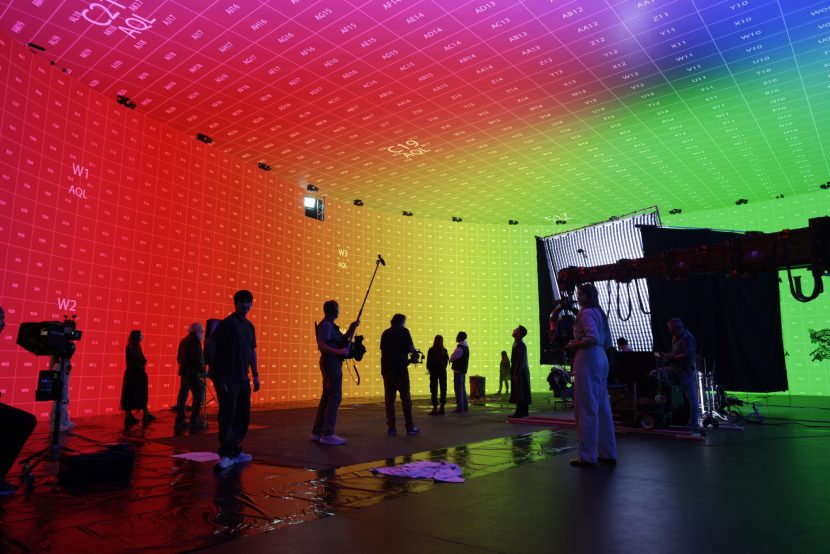
An LED volume is far more than a background screen; it is an intricate ecosystem consisting of Unreal Engine (UE5) render nodes, high-speed synchronization hardware, complex LED processors, and various display panel architectures. Because every component in this chain—from the GPU to the individual LED diode—can influence the final image, traditional display calibration is often insufficient.
A wall might look visually perfect to the human eye while failing to capture accurately through a cinema lens. Factors such as panel pitch, refresh rate interactions with camera shutters, and the specific way a system handles deep blacks or high-contrast highlights can create "baked-in" errors that are difficult or impossible to correct in post-production.
StEM3 provides a unified reference point. By loading the same test material across different stages, cinematographers can move beyond subjective impressions—such as the wall "feeling off"—and rely on empirical data. This is not merely a tool for technicians; it is a vital bridge between the creative vision of the cinematographer and the engineering complexity of the LED stage.
Chronology of Innovation: From StEM to StEM3
The journey to StEM3 is the latest chapter in a long history of the ASC’s commitment to image science. The legacy began with the original StEM project, which was developed to guide the film industry through the chaotic transition from photochemical film to digital acquisition and projection. At that time, the industry was struggling with inconsistent digital standards, and the ASC provided the benchmarks needed to ensure that cameras, monitors, and projectors were speaking the same language.
As the industry matured, StEM2 was introduced to address the complexities of the modern digital pipeline. It focused on the demands of high dynamic range (HDR), wide color gamuts (WCG), and the intricacies of high-resolution digital cinema. It provided the stress-test material needed for colorists and post-production facilities to ensure that the image being captured was the image being preserved.
StEM3 represents the natural, yet radical, evolution of these concepts. With the rise of In-Camera Visual Effects (ICVFX), the post-production process has been pulled forward into pre-production. The "post-production" of a shot often happens on the day of filming, inside the volume. By shifting the evaluation process to the stage itself, the ASC is ensuring that the cinematographer remains the primary custodian of the image, even as the medium shifts from physical sets to virtual environments.
Supporting Data: What’s Inside the Toolkit?
StEM3 is not a singular test; it is a robust library of assets available via the ASWF Digital Production Example Library. The suite is designed to push the boundaries of a stage’s capabilities, utilizing a wide array of content donated by industry leaders.
The collection includes:
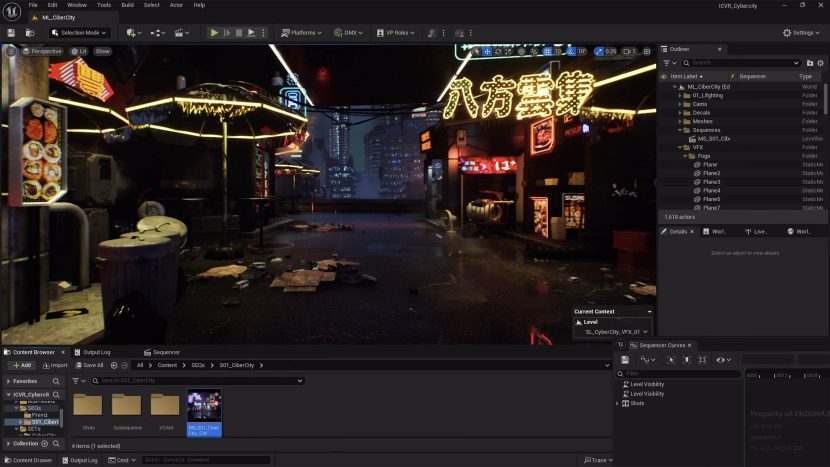
- Virtual Environments: A diverse set of UE5 scenes, including urban landscapes, natural forests, interiors, and extreme environments like Himalayan base camps. These are designed to test lighting interaction, depth perception, and motion tracking.
- 2D Test Elements: Standardized imagery for evaluating color fidelity, sharpness, and highlight roll-off.
- Driving Plates: Essential for testing the synchronization of background motion with foreground camera movement, a notoriously difficult aspect of VP.
These assets are packaged under the ASWF Digital Assets License v1.1, ensuring they remain accessible for testing, education, and production prep. When a production moves from one stage to another, they can load the same StEM3 scenes to determine how the two facilities differ. This eliminates the "memory game" of trying to match looks based on subjective recollection or low-resolution monitor grabs.
Official Responses: The Collaborative Effort
The development of StEM3 was a monumental cross-industry collaboration. The project brought together major players—including Amazon Studios, Epic Games, Sony, Walt Disney Studios, and ROE Visual—to solve a shared industry pain point.
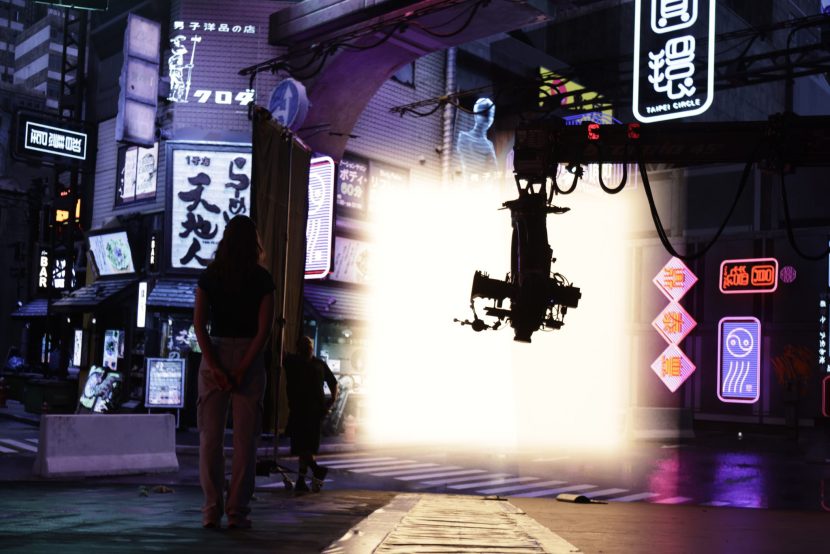
Michael Goi, ASC, ISC, and co-chair of the ASC MITC, has been instrumental in articulating the necessity of this project. He notes that the impetus was the alarming frequency with which cinematographers reported "sketchy" dynamic range or "off" color rendition during high-profile shoots. The goal was never to force a singular creative look upon the industry, but rather to establish a "neutral ground."
"Once the volume, camera, and color pipeline have been shown to behave predictably, the cinematographer is free to deliberately depart from that baseline," says David Morin, executive director of the Academy Software Foundation. This sentiment is echoed by the project’s contributors: the standard exists to free the creative, not to restrict them. By establishing what "neutral" looks like, artists can make informed choices about how to push that look, rather than fighting against an unknown technical variable.
Implications: The Shift Toward Pre-Production
Perhaps the most significant implication of StEM3 is the cultural shift it signals within the filmmaking workflow. Virtual production demands a higher degree of discipline earlier in the schedule. Elements that were once decided during a months-long post-production phase—such as lighting color, perspective, and color grading—must now be settled before the first actor steps onto the stage.
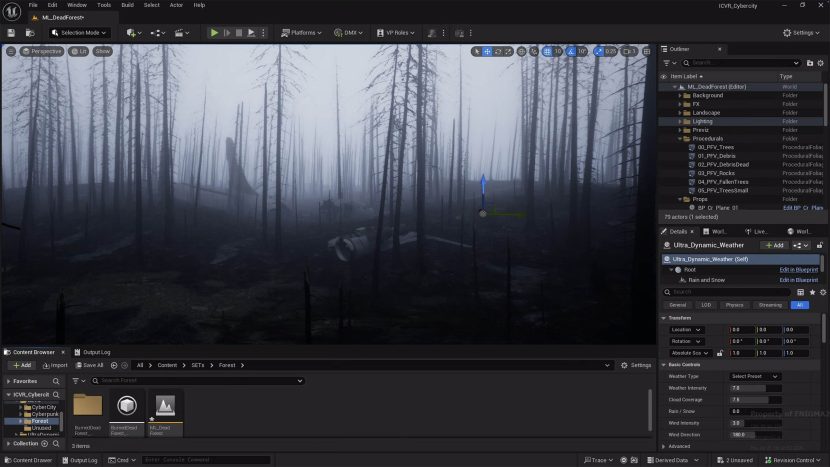
The "Virtual Production Supervisor" role has emerged as the linchpin in this new workflow, balancing the needs of the VFX department, the art department, and the camera team. StEM3 serves as a common language for these stakeholders. If the virtual sun is placed incorrectly, or if the LED wall is clipping the highlights of a costume, the crew no longer has to guess why the shot looks wrong. They can load a known StEM3 asset, observe the result, and troubleshoot the specific technical bottleneck.
This shift does not mean that the cinematographer must become a software engineer. Instead, it empowers the cinematographer to communicate effectively with the motion-imaging scientists. It restores the cinematographer’s ability to judge the final image in real-time, effectively returning the "final pixel" power to the person behind the lens.
A Cinematic Context: "Warped: CyberCity"
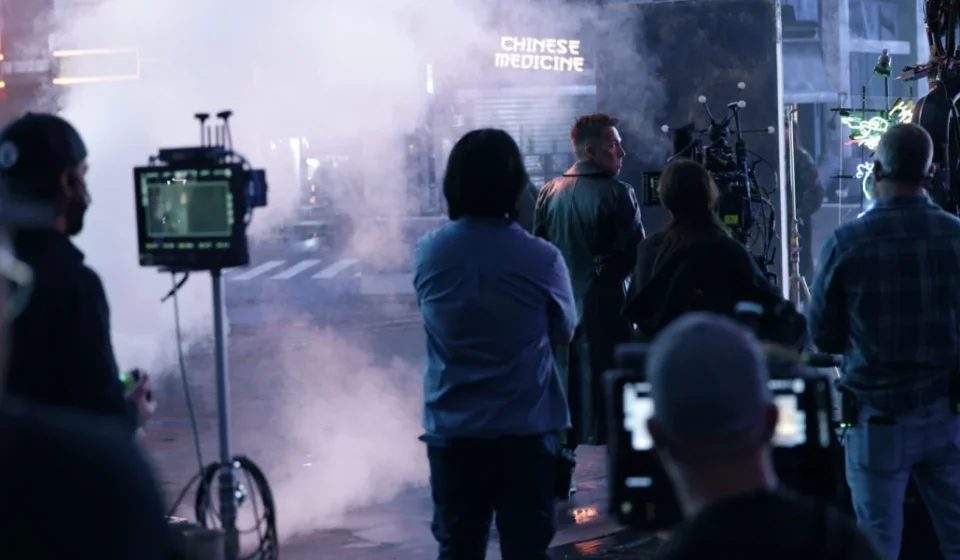
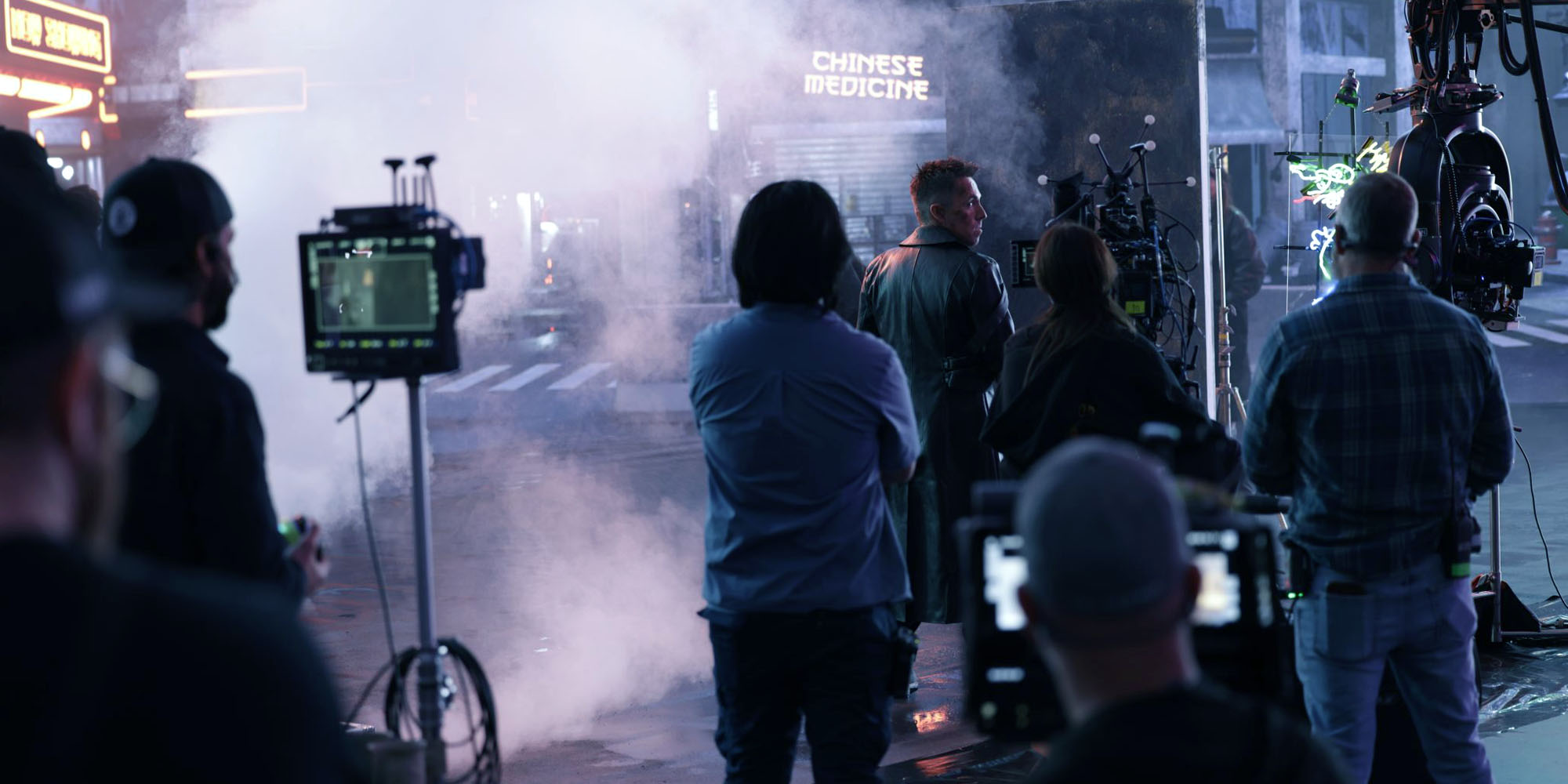
To prove that these tools are not just for charts and graphs, the ASC commissioned a short dramatic film, Warped: CyberCity, written by Michael Goi and Jay Holben, and photographed by David Klein, ASC.
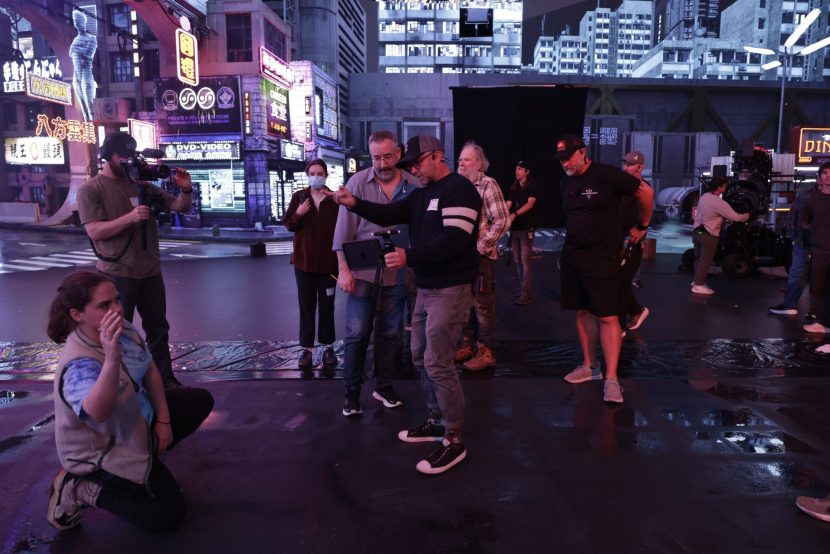
This short serves as a practical, real-world application of the StEM3 assets. It features actors, complex lighting, and moving camera work within a virtual environment. By watching the film and reviewing the accompanying documentation, cinematographers can see how skin tones, fabrics, and production design interact with the virtual background. It is a masterclass in the potential of ICVFX, demonstrating that when the technology is correctly calibrated, it creates a seamless, immersive reality that feels as tangible as any physical set.
Conclusion: Complexity in Service of Story
Virtual production is, by its nature, complex. It requires the convergence of disparate fields: display engineering, real-time rendering, color science, and traditional cinematography. There is a risk that this complexity can overwhelm the creative process, turning the set into a debugging session rather than a place of artistic discovery.
The ASC’s StEM3 project provides the industry with the clarity it desperately needs. By providing a common, open-source framework for testing and evaluation, it removes the "unknowns" from the LED volume. It allows the cinematographer to establish a baseline, verify the system, and then turn their attention to what truly matters: the story. As the industry continues to integrate virtual production into the mainstream, projects like StEM3 will be the bedrock upon which the next generation of visual storytelling is built. The mandate for the industry is clear: load the material, look through the lens, and let the creativity begin.