Bridging Dimensions: How DNEG Engineered the Physics of Comedy for Coyote vs. Acme

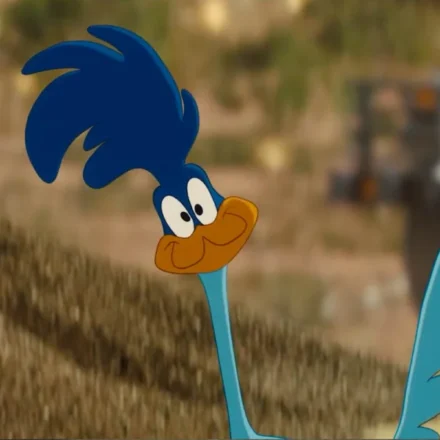
In the landscape of modern visual effects, few challenges are as daunting as the "Roger Rabbit" problem: how to seamlessly integrate two-dimensional, non-Euclidean cartoon physics into a photorealistic, three-dimensional world. In the latest fxpodcast, Visual Effects Supervisor Alexander Seaman and Animation Director Keith Roberts pull back the curtain on the technical wizardry behind Coyote vs. Acme. Working alongside director Dave Green and Production VFX Supervisor George Murphy, the DNEG team embarked on a mission to preserve the sacred, violent, and idiosyncratic comedy of Looney Tunes while anchoring it within a tangible, photographed reality.
The Foundation: A Technical Love Letter to Looney Tunes
The production was defined by a shared, deep-seated affection for the source material. For Alexander Seaman, the project was a career milestone that tapped into childhood nostalgia—he recalls dressing as Roger Rabbit for a birthday long ago—while Keith Roberts was involved from the project’s inception. This emotional investment was not merely aesthetic; it was a functional requirement. Translating characters like Wile E. Coyote into 3D space required DNEG to abandon the standard industry playbook.
"We couldn’t just drop a model into a scene and apply physics," Roberts notes. The team realized early on that conventional CG practice—which prioritizes realistic light bounces, fluid motion, and consistent gravity—would actively work against the comedy. To make a falling piano feel like a Warner Bros. cartoon, they had to embrace "abrupt, violent timing" that defied the laws of the real world while maintaining enough weight to ensure the surrounding environment felt coherent.
Chronology: From Sketchvis to Final Render
The production pipeline for Coyote vs. Acme was a study in iterative development, moving away from rigid 3D blocking toward a more fluid, organic process.

1. The Sketchvis Phase
Almost every sequence in the film underwent a rigorous "sketchvis" process. Rather than jumping straight into complex 3D rigs, artists drew directly over live-action plates. This allowed a small team—often as few as four people—to experiment with the performance without the constraints of lens geometry or rig limitations. It provided director Dave Green with a rapid-fire feedback loop, enabling him to refine the comedic beats of a scene in days rather than weeks.
2. On-Set Interaction
The performance began on the film set, where puppeteer Dave Barclay served as a vital surrogate for the animated stars. Barclay provided the actors with a physical, tangible Wile E. Coyote, allowing for genuine eye contact and reactive chemistry. By removing the puppet and puppeteer in post-production, the VFX team preserved the specific, spontaneous rhythm of the actors’ performances, effectively "baking" the animation into the live-action timing.
3. The Rendering and Line-Work
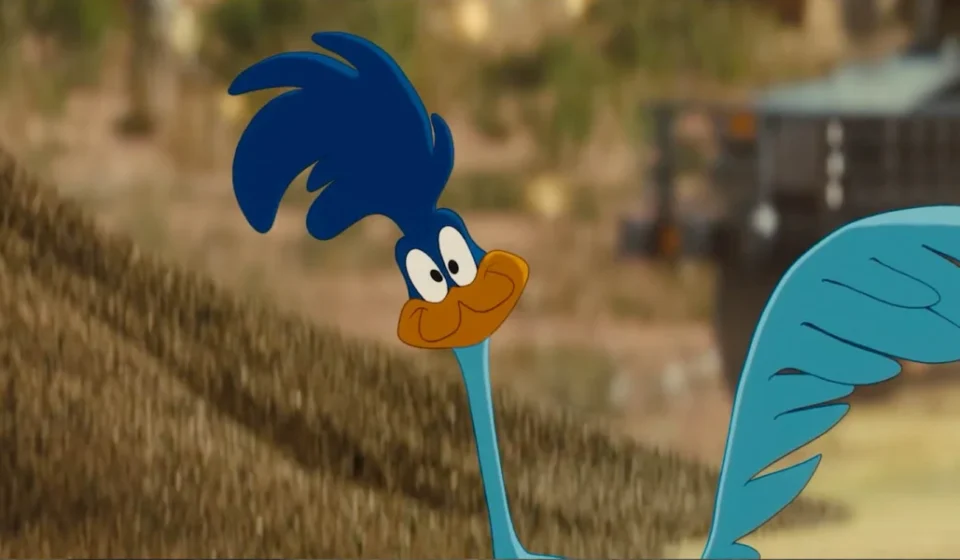
Once the animation was locked, the focus shifted to the "graphic identity" of the characters. DNEG utilized custom toon shaders within Clarisse, but the most complex hurdle was the line-work. Generated in Houdini, these outlines were not static; they were dynamic elements adjusted based on the character’s distance from the camera, their movement, and their position in the scene. Maintaining a consistent "drawn" look while moving through a 3D environment required constant, meticulous technical intervention.
Supporting Data: The Physics of "The Cartoon"
One of the most significant takeaways from the production is the refusal to standardize the frame rate. While CG animation is often rendered at a consistent rate, the team found that Wile E. Coyote required a "hybrid" approach to frame timing.

-
Ones and Twos: Early tests revealed that animating on "twos" (holding a pose for two frames)—a staple of classic animation—worked perfectly for isolated moments. However, when Wile E. walked alongside a live-action actor, the animation had to be updated every frame ("on ones") to match the movement of the human actor. The final film features a sophisticated blend of these techniques, chosen on a shot-by-shot basis to serve the narrative context.
-
The Lens Dilemma: The production frequently used different lenses for the character than those used for the live-action photography. A lens that provided a beautiful, cinematic shot of a human actor would often distort Wile E. into an unrecognizable shape. By rendering the characters with custom virtual lenses, DNEG maintained the "graphic arrangement" of the Coyote’s face, ensuring that he looked like a cartoon regardless of the camera’s perspective.
Official Perspectives: The Philosophy of Restraint
A recurring theme in the production was the necessity of restraint. When discussing the lighting, Seaman emphasizes that the team had to actively "steer artists toward simpler, flatter results." In an era where VFX artists are trained to render every micro-surface and light bounce, the requirement to simplify was a radical shift.
"Their comedy was all about clean timing and about the spare quality of the animation," Roberts explains. This ethos extended to the environments as well. The desert, for instance, had to be a "realistic" place, but one that felt fundamentally impossible to visit. The team utilized Unreal Engine to block out camera moves and environment layouts, allowing the background to evolve in service to the evolving animated gags. This flexibility—keeping the environment malleable until the final stages of post-production—was, according to Seaman, one of the most grueling but rewarding aspects of the process.

Implications for the Future of Hybrid Filmmaking
The technical achievements in Coyote vs. Acme represent a significant evolution in how visual effects can interact with legacy intellectual property. By prioritizing the "intent" of the original animators—specifically the economy of posing associated with Chuck Jones—over the raw capabilities of modern CG, DNEG has established a new benchmark for character-driven VFX.
The implications for the industry are clear: the future of blending animation and live-action lies not in the pursuit of absolute photorealism, but in the intelligent application of "non-realistic" techniques to support a performance. The work done on Coyote vs. Acme proves that when VFX teams are given the freedom to manipulate the physics of the camera and the rendering pipeline, they can create a world where the laws of nature are subservient to the punchline.
As audiences become increasingly sophisticated in their understanding of CGI, the success of this film rests on the fact that it never feels like a "digital character" pasted onto a plate. It feels like a living, breathing, and occasionally flattened inhabitant of a real world. For students of visual effects and animation alike, the film serves as a masterclass in the balance between technical precision and artistic intuition.
For those interested in the deep-dive technical specs, including the specific Houdini-based line-weight algorithms and the intricacies of the Nuke-based lighting pipelines, the full fxpodcast interview with Seaman and Roberts offers an exhaustive look at the thousands of hours of work required to make a cartoon look "naturally" impossible.