Beyond the Spotlight: Why Hollywood’s Icons Are Trading Stardom for Solitude and New Chapters

The allure of Hollywood—the red carpets, the prestige, and the global adoration—has long been viewed as the ultimate professional destination. Yet, in recent years, a growing number of industry legends have made a deliberate, often quiet decision to step away from the glare of the cameras. From child stars who grew up in the studio system to A-list actors who reached the pinnacle of their craft, the trend of “leaving Tinseltown” has become a defining narrative of the modern entertainment era.
The Case of Billy Gray: A Pioneer in Life After Hollywood
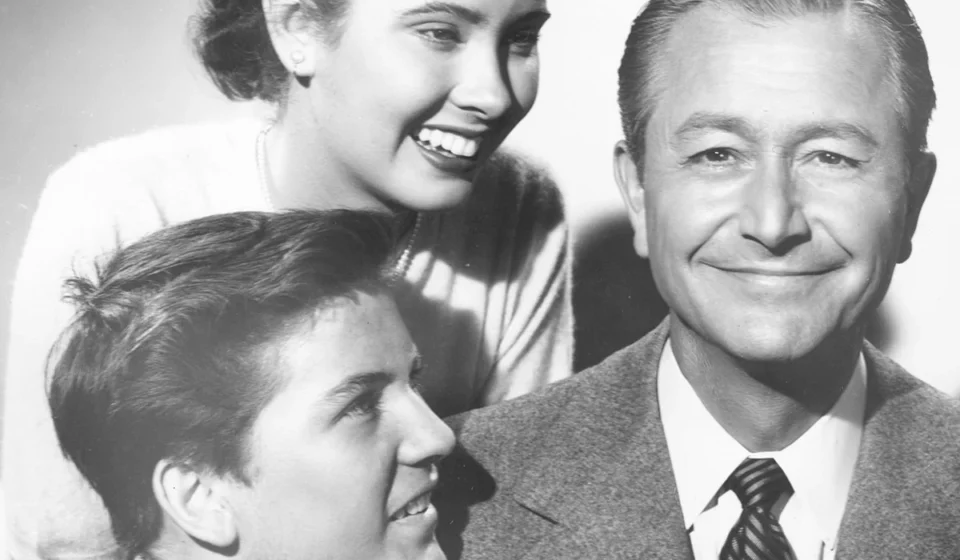
Recent headlines were captured by the rare public appearance of Billy Gray, the 88-year-old former Father Knows Best star. Nearly 50 years after retiring from the industry, Gray emerged in Los Angeles, looking nearly unrecognizable to those who only remember him as the clean-cut "Bud" Anderson of the 1950s.
Gray’s trajectory serves as a cautionary tale of the fragility of fame. His career, which began when he was just a child, faced an abrupt hurdle in 1962 following an arrest for marijuana possession. In the rigid climate of mid-century Hollywood, this personal struggle effectively blacklisted him. "When I got out, I thought I could go back to work, but my agent said, ‘We can’t handle you anymore,’" Gray recounted in a 2021 interview.
Rather than fading into obscurity, Gray pivoted entirely, finding fulfillment in competitive motorcycle racing for over two decades. His journey illustrates a common theme among those who leave the industry: the transition is rarely a failure, but rather a redirection of energy toward passions that the studio system often neglected.
Chronology of the Great Hollywood Exodus
The phenomenon of stars walking away is not isolated to a single decade or generation. It spans from the mid-1990s through the present day, with various motivators driving the shift.
- The 1990s and 2000s: Icons like Rick Moranis stepped back at the height of his career following personal tragedy, choosing to prioritize his children over the frantic pace of film production.
- The 2010s: Stars like Portia de Rossi and Cameron Diaz began to publicly question the grind of the "studio owner" lifestyle, noting that the 12-hour days left no room for personal development or family life.
- The 2020s: A wave of departures—including Eva Longoria, Richard Gere, and Ellen DeGeneres—coincided with a shifting global landscape, where the desire for community, safety, and cultural connection outweighed the professional benefits of remaining in the Los Angeles bubble.
Examining the Motivations: Why Leave Now?
The reasons for these departures are as varied as the actors themselves, yet several key themes emerge from their testimonies.
The Search for Authenticity and Roots
For many, the departure is a return to a more grounded existence. Antonio Banderas, following a near-fatal heart attack in 2019, moved back to his native Málaga, Spain. He describes the move not as a retirement, but as a reclaiming of his identity as a theater actor. "Faced with death, it made me look back and realize that I am, in fact, a theater actor," he noted. Similarly, Richard Gere and Christina Milian have relocated to Spain and France, respectively, seeking environments that offer their children bilingual educations and a slower, more deliberate pace of life.
The Burden of the "Public" Persona
The relentless scrutiny of the paparazzi and the industry machine has prompted others to retreat. Lindsay Lohan, who navigated a tumultuous youth in the spotlight, found solace in moving to Dubai. "I wish that part didn’t happen," she told Bustle regarding the intrusion of her early career. "I feel like that kind of took on a life of its own. So that’s why I wanted to disappear." For Lohan, leaving Hollywood was the only way to regain agency over her own narrative and find the space to build a private life with her husband and child.
Professional Fulfillment vs. Industry Expectations
Some stars have left simply because they outgrew the work. Jennette McCurdy, in her candid memoir I’m Glad My Mom Died, articulated a deep-seated resentment toward the roles she played as a child actor, describing them as "cheesy" and "embarrassing." Her transition into writing and directing highlights a shift from being a product of the industry to an architect of her own creative output.
Supporting Data: The Global Shift
The migration of talent is not just anecdotal; it is geographic. Europe, specifically Spain, Ireland, and France, has become a haven for those looking to exit the American industry.
- Political and Social Factors: Figures like Rosie O’Donnell and Eva Longoria have cited the shifting political climate in the United States as a factor in their decision to seek residences elsewhere. While Longoria clarified that her move was driven by work commitments in Spain and Mexico, she acknowledged that the "dystopian" feeling of current American politics weighs heavily on many in the industry.
- Lifestyle Rebalancing: Elisha Cuthbert and Josh Hartnett both emphasized the need to raise their children away from the "one-note" conversation of the film business. For Hartnett, moving to the English countryside was a conscious choice to ensure his life remained multifaceted. "I’ve never wanted that [one-note life]," he explained. "I’ve always wanted to be around people generally doing lots of other things."
Official Responses and Industry Implications
The entertainment industry, for its part, has had to adapt. When Daniel Day-Lewis announced his retirement in 2017, the news sent shockwaves through the acting community. Yet, his return in 2025 for Anemone—a project he wrote with his son—suggests that for many, the "retirement" is not a final curtain call, but a transition to a more selective, passion-driven career model.
Similarly, the return of Cameron Diaz for Back in Action underscores the reality that Hollywood remains a powerful gravitational force. Even those who "leave" often do so on their own terms, returning to projects only when the conditions align with their personal values.
The Psychological Implications of "The Third Chapter"
Psychologists suggest that the "third chapter" for these former stars—where they shift from performance to entrepreneurship, philanthropy, or education—is essential for mental health.
Eliza Dushku’s move into the field of psychedelic-assisted therapy is a prime example of this professional pivot. "I had the means to shift directions and choose a course in my life that focused on healing myself so that I could help heal others," she stated. This transition from "performer" to "practitioner" allows these individuals to maintain a sense of purpose without the psychological toll of public judgment.
Bridgit Mendler’s path is perhaps the most unconventional: moving from the Disney Channel to MIT, Harvard Law, and eventually becoming the CEO of a space startup. Her journey signals a departure from the idea that a "career" in entertainment must be a lifelong commitment, proving that the skills honed in front of the camera—discipline, communication, and adaptability—are highly transferable to the worlds of science, law, and business.
Conclusion: The New Definition of Success
The "Hollywood Exodus" of the 2020s represents a fundamental shift in how we define success. For generations, the goal was to remain relevant, visible, and employed within the studio system until the very end. Today, however, the most successful stars are those who prioritize their own well-being, their family’s development, and their personal autonomy over the demands of the box office.
As Billy Gray’s rare outing reminds us, the glitz of the screen eventually dims, but the life lived outside of it remains the true measure of a person. Whether these stars are ranching in the countryside, operating boutiques in New York, or building space startups in the tech sector, they are redefining what it means to lead a meaningful life. In a world that often demands constant visibility, perhaps the most radical act of all is the choice to step out of the light and into a life of one’s own choosing.