Beneath the Southern Gothic: Why Peacock’s ‘The Good Daughter’ Is a Brutal, Flawed, and Necessary Addition to the Streamer’s Slate

Peacock’s latest limited series, The Good Daughter, serves as the latest installment in a distinct, thematic run of women-led thrillers that have defined the streamer’s original programming identity since 2022. While the label "thriller" is often applied loosely in the era of prestige television, Peacock has cultivated a specific niche: stories of women navigating biographical mysteries, pulpy book adaptations, and, most frequently, the crushing weight of the patriarchy.
From the enigmatic, star-studded allure of Angelyne (2022) to the domestic suspense of Apples Never Fall (2024) and the darkly comedic, meta-commentary of All Her Fault (2025), the streamer has successfully built a platform for stories that center on the female experience—often framed by the institutional or domestic "shady men" who complicate their lives. The Good Daughter, premiering November 12, leans into the grittier, more solemn end of this spectrum, offering a six-episode descent into the trauma-soaked town of Pikesville, Georgia.
The Evolution of the Peacock Thriller
To understand the gravity of The Good Daughter, one must look at the lineage that preceded it. Peacock’s strategy has been a deliberate pivot toward high-stakes, character-driven mysteries. The 2022 limited series Angelyne introduced audiences to a stylized, biographical take on an L.A. icon, setting a precedent for series that prioritize the internal lives of women over mere plot mechanics.
By 2024, the streamer shifted into the territory of high-gloss book adaptations with Apples Never Fall. Featuring Annette Bening, the series served as an effective amuse-bouche for the subsequent All Her Fault (2025), a project that leaned heavily into the "unserious" thriller archetype. That show, a Sarah Snook showcase, was widely lauded—and occasionally roasted—for its biting critique of male incompetence.
However, not every foray into this genre has found the same level of mainstream traction. Ponies, the Susanna Fogel-directed spy caper starring Emilia Clarke and Haley Lu Richardson, and the jaundiced, atmospheric Long Bright River (2025) both struggled to capture a massive audience. Yet, these shows shared a common DNA: they were inherently feminist works that positioned their protagonists in an uphill battle against systemic oppression, represented by the brothers, bosses, and husbands who routinely fail them.

A Deep Dive into Pikesville: The Plot of ‘The Good Daughter’
The Good Daughter, adapted by Karin Slaughter from her own bestselling novel and directed entirely by Steph Green (Duster, Dare Me), occupies the same tonal space as Long Bright River. It is a show defined by its brutality.
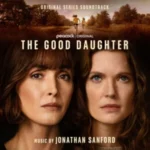
Set in the fictional town of Pikesville, Georgia, the story centers on two sisters: Charlie (Meghann Fahy), a local public defender, and Sam (Rose Byrne), a patent attorney who escaped to New York to build a life free from the suffocating history of her hometown. Their past is defined by a singular, horrific event: the murder of their mother, Gamma (Olivia Williams), which occurred in front of the sisters when they were children. The violence left Sam with a permanent limp, impaired vision, and a lifelong stutter, scars that serve as constant reminders of the family’s shattered foundation.
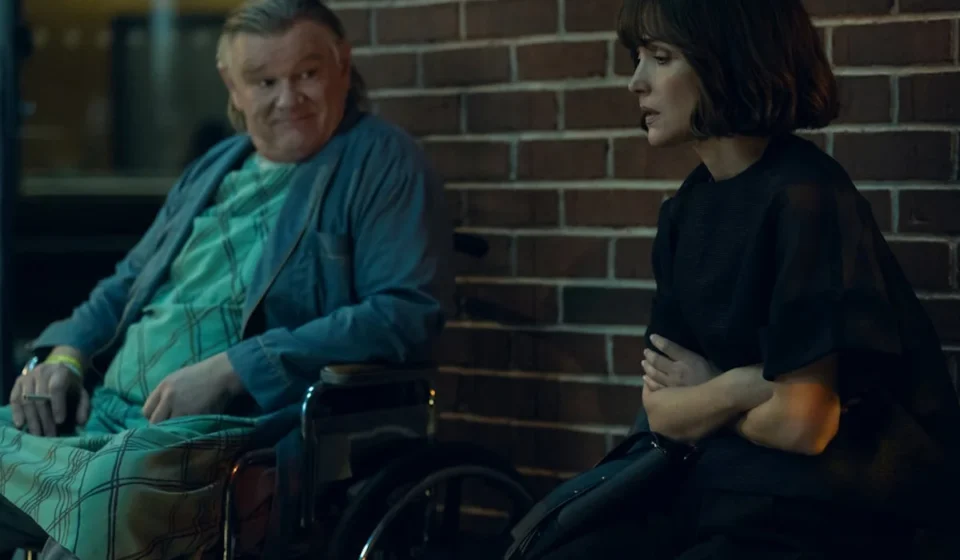
The catalyst for the series is a return home. Their father, Rusty Quinn (Brendan Gleeson)—a town pariah and private defense attorney—calls Sam back to Georgia to assist with a new, urgent case. Charlie, who has remained in Pikesville, has been caught in a cycle of tragedy, most recently witnessing a school shooting that claimed the lives of a principal and a 13-year-old student. The sisters find themselves tasked with defending the perpetrator: Kelly Wilson, an 18-year-old with an intellectual disability whom the local power structure is desperate to condemn to death.
Character Dynamics and the "Patriarchy" Problem
At the heart of the series is the complex, often volatile relationship between the two sisters. Fahy and Byrne deliver performances that elevate the material, particularly in how they embody their characters’ physical and psychological baggage.
Brendan Gleeson’s portrayal of Rusty Quinn is arguably the show’s most daring element. He is a man who speaks in Flannery O’Connor quotes and has the peculiar habit of wearing a red clown nose when he feels a situation requires levity. It is a risky, sometimes jarring performance choice—one that could easily veer into the absurd—but Gleeson manages to ground it in the genuine grief of a father trying to protect his children from a world that has already taken so much from them.

The antagonists of the series are the "Coins," a family with deep, corrupt roots in local government who have spent years poisoning the town against the Quinns. The series is unflinching in its portrayal of these men, and the sisters’ struggle to achieve justice in a landscape rigged against them provides the emotional backbone of the story.
Critical Analysis and Narrative Shortcomings
Despite the strength of its lead performances, The Good Daughter is not without its flaws. Adapted directly by the source material’s author, the show suffers from a pacing issue that becomes particularly evident in the final act. The series holds back a significant volume of narrative revelations for the finale, resulting in an exposition-heavy conclusion that feels more like a list of answers than a climactic resolution.
Furthermore, the trauma-heavy plotting occasionally edges into the realm of overkill. While the show aims for a gritty, self-serious tone, it sometimes loses the thread of its own urgency, making the six-episode journey feel longer than it is. It lacks the "fun", bingeable quality of Apples Never Fall, opting instead for a brutal, often depressing look at cyclical violence.
Implications for the Streamer
The implications of The Good Daughter for Peacock are clear: the platform has found a reliable, if sometimes uneven, formula for "prestige-lite" television. These shows, with their strong feminist underpinnings and focus on the psychological toll of trauma, clearly resonate with a specific segment of the audience.
The chemistry between Fahy and Byrne is the series’ greatest asset. There is a palpable, lived-in quality to their dialogue—poking fun at one another amidst the rubble of their lives—that creates a dynamic far more compelling than the surrounding legal thriller. It is the kind of buddy-cop chemistry that usually begs for a second season, though, in this case, the limited series format is likely the correct choice.

Conclusion: A Grade of C+
The Good Daughter is a testament to the power of a strong cast to elevate a script that occasionally collapses under the weight of its own narrative gravity. While the plot may be overstuffed and the pacing uneven, the performances by Byrne, Fahy, and Gleeson make it a worthwhile watch for fans of the genre.
Ultimately, the series functions as a reminder of why these stories of "crusading women" continue to be produced. There is a hunger for narratives that allow women to stand up to the "Bad Men" and, in one fell swoop, attempt to reclaim their autonomy. If Peacock decides to return to this well, however, they might consider adapting a source material that allows for a bit more breathing room—and perhaps a little less trauma—in the final act.
Grade: C+
“The Good Daughter” premieres Thursday, November 12, on Peacock. All six episodes will be released simultaneously for streaming.