Standardizing the Virtual Frontier: The ASC Launches StEM3 to Revolutionize LED Volume Production

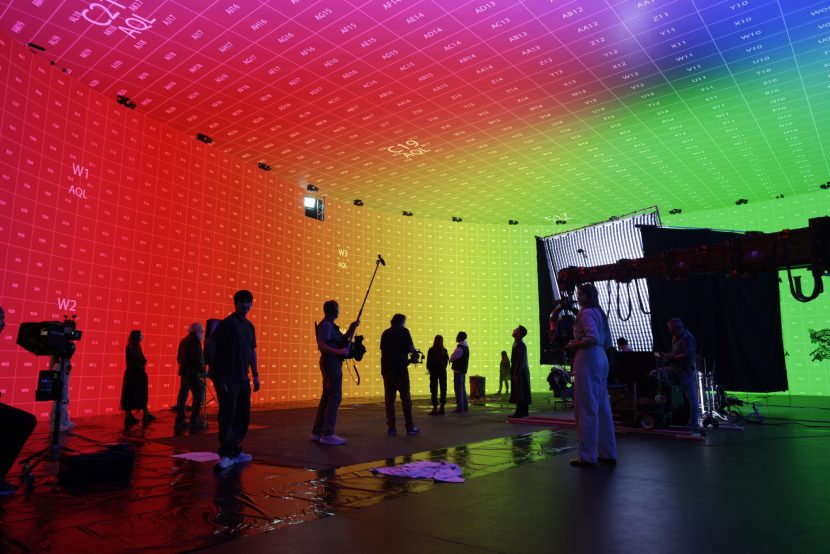
The landscape of modern cinematography has been irrevocably altered by the rise of In-Camera Visual Effects (ICVFX). By utilizing massive LED volumes to project real-time virtual environments, filmmakers have gained unprecedented control over their sets. Yet, this technological leap has introduced a complex, multifaceted pipeline where the "stage" itself acts as a critical component of the optical chain. A cinematographer might arrive on set with a meticulously calibrated camera and lens package, only to find the virtual environment riddled with technical inconsistencies—compromised dynamic range, color shifts, or mismatched LED panels.
To mitigate these challenges, the American Society of Cinematographers (ASC) Motion Imaging Technology Council (MITC) has officially released StEM3 (Standard Evaluation Material 3). Hosted by the Academy Software Foundation (ASWF) as part of its Digital Production Example Library, this free, open-source collection of standardized assets provides the industry with a common language for testing, education, and pre-production validation.
The Core Challenge: When the Stage Becomes the Lens
At the heart of the StEM3 initiative is a fundamental, yet surprisingly difficult question: How does a cinematographer know if an unfamiliar virtual production stage is actually functioning correctly?
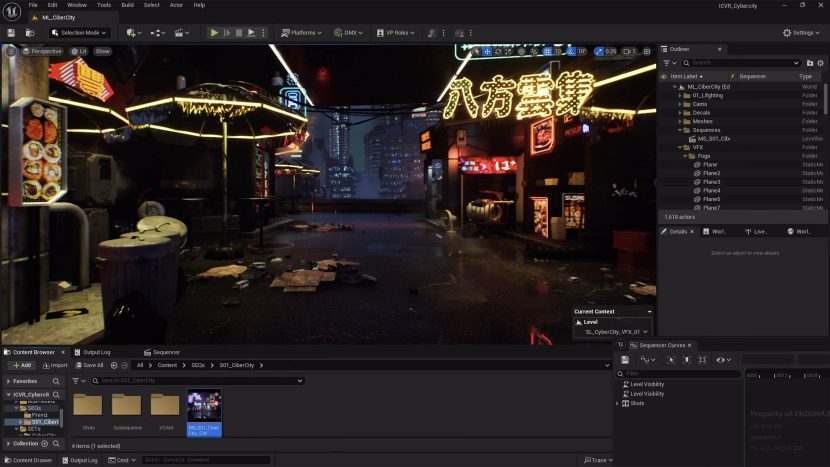
An LED volume is far more than a high-resolution screen; it is an intricate ecosystem involving real-time content engines (like Unreal Engine 5), render nodes, sophisticated synchronization hardware, LED processors, camera tracking systems, and the physical camera itself. A failure in any single link in this chain can fundamentally alter the captured image.
Conventional display calibration, while necessary, is insufficient for motion pictures. A wall might look perfect to the human eye, but the camera’s sensor may perceive it entirely differently. Issues such as panel response near black, spectral color shifts, and interaction between the LED refresh rate and the camera’s shutter can create artifacts that are only visible during the final review process. StEM3 provides a "known entity"—a series of standardized, high-quality test files—that allow crews to stress-test the entire pipeline before a single frame of principal photography is shot.
A Chronology of Evaluation: From Film to Virtual
The release of StEM3 is the latest chapter in a long-standing ASC tradition of providing standardized benchmarks for the industry.
- The Original StEM: Developed during the industry’s pivotal transition from photochemical film to digital acquisition and projection, the original StEM provided the baseline for digital cinema testing.
- StEM2: As the industry moved toward high-dynamic-range (HDR) imaging, wide-color-gamut (WCG) displays, and modern color pipelines, StEM2 expanded these concepts to ensure that post-production facilities and manufacturers had a reliable, high-fidelity reference for the increasingly complex digital imaging chain.
- StEM3: Today, the focus has shifted to the virtual stage. With ICVFX, the traditional post-production workflow has been inverted. Many creative and technical decisions—which were once delayed until months after principal photography—are now being "baked in" on set. The LED wall is simultaneously a background, a light source, and a color-managed asset. StEM3 represents the logical evolution of the ASC’s mission to keep the cinematographer’s vision at the center of this technological upheaval.
Supporting Data: What’s Inside the Package?
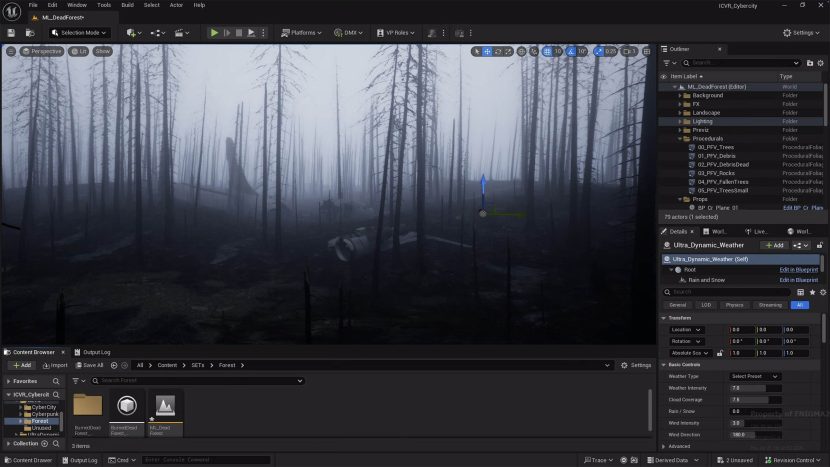
StEM3 is not a one-size-fits-all solution; it is a comprehensive toolkit designed to stress-test the limits of any virtual production volume. The assets, which can be downloaded via the ASWF, include a mixture of Unreal Engine 5 (UE5) scenes, 2D driving plates, and dedicated technical test elements.
The environments were contributed by industry leaders and cover a broad range of photographic scenarios, including:
- Diverse Lighting Environments: Interiors and exteriors, ranging from high-contrast daylight conditions to subtle night scenes.
- Geographic Variety: Himalayan base camps, dense forests, subways, Western towns, and urban alleys.
- Technical Test Elements: Specialized patterns to identify synchronization issues, color-space discrepancies, and dynamic range limitations.
By loading the same StEM3 environment across different stages, a production team can move between facilities with a shared, objective reference point. This eliminates the "subjective memory" trap, where a crew attempts to replicate a look based on fuzzy recollections or poor-quality screen grabs from a previous stage.
Official Perspectives: Empowering the Cinematographer
Michael Goi, ASC, ISC, co-chair of the ASC MITC, has been a vocal proponent of this initiative. Reflecting on the frustrations of early virtual production, he notes that many cinematographers have found themselves on stages where "color rendition was off" and "dynamic range was sketchy."
"The aim was to establish evaluation material that shows how a correctly configured system should look," says Goi. By providing a baseline, the ASC is not looking to restrict creativity. On the contrary, they are empowering it. Once a cinematographer knows that the system is behaving predictably, they are free to experiment with confidence.
David Morin, Executive Director of the ASWF and an ASC associate member, emphasizes the collaborative spirit of the project. "The goal is to keep the cinematographer’s contribution central," Morin explains. The project bridges the gap between motion-imaging science and practical filmmaking. Cinematographers do not need to become engineers, but they do need the tools to communicate effectively with the VFX teams, colorists, and virtual production supervisors who hold the keys to the digital kingdom.
Implications: The "Warped" Standard
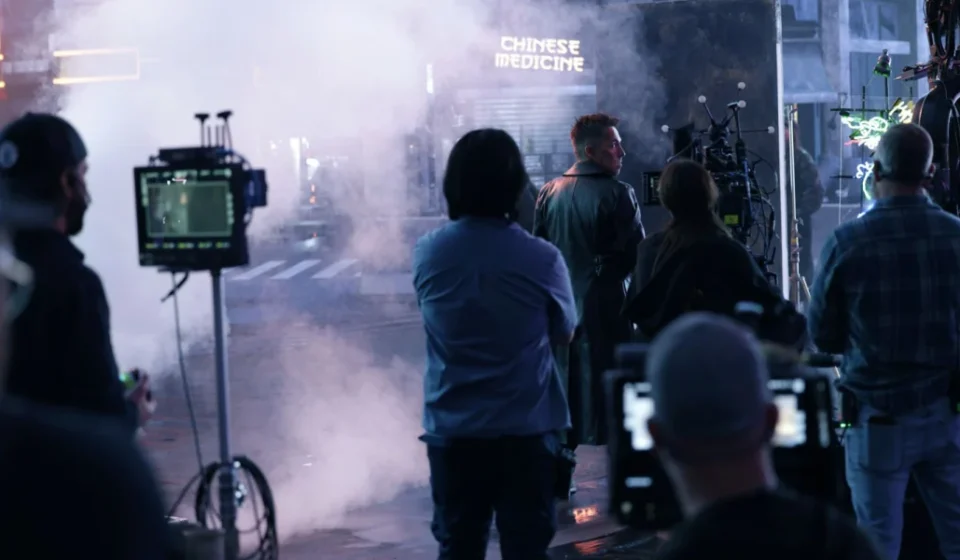
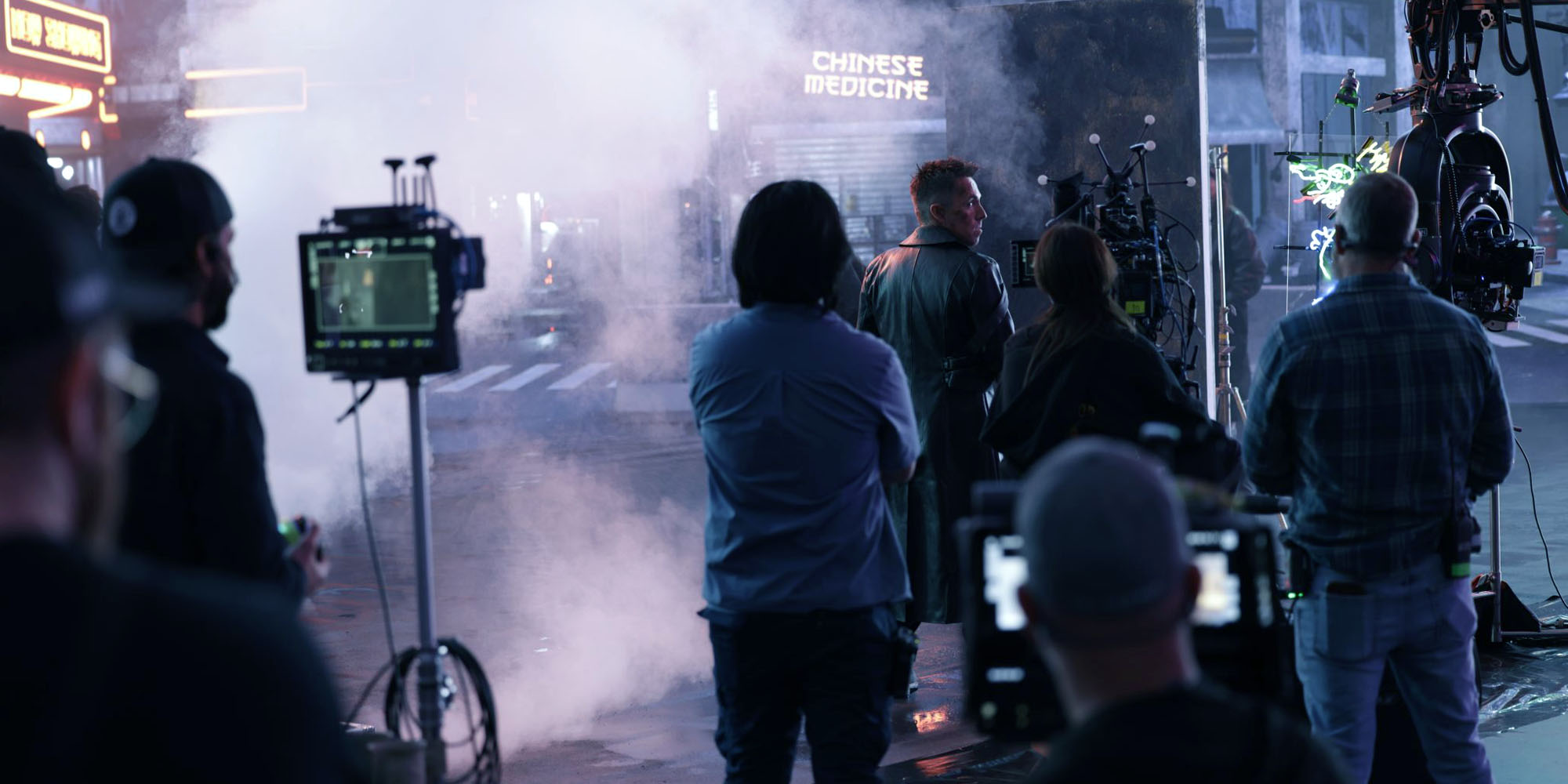
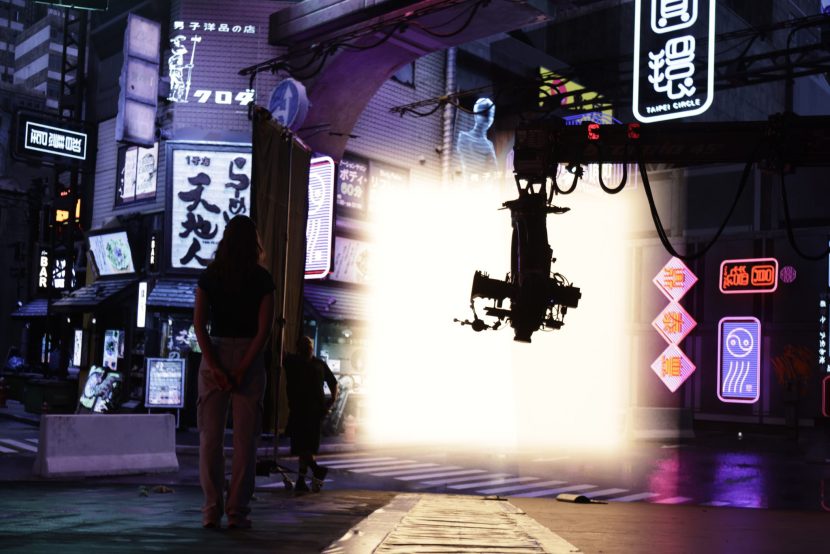
Perhaps the most ambitious component of StEM3 is Warped: CyberCity, a short dramatic film produced specifically as a reference for the industry. Written by Michael Goi and Jay Holben, and photographed by David Klein, ASC, this short film demonstrates the asset under actual production conditions.
Warped features actors, practical foreground props, and complex lighting interactions. It serves as more than just a test pattern; it is a "production-grade" reference. When crews load this scene onto their volumes, they can see how the system handles skin tones, the transition between physical and virtual space, and the quality of light falling on costumes and production design.
The implications for the industry are profound. Virtual production is often described by DOPs as a "frustrating but exciting color-correction suite driven by computers." By providing a standardized reference, StEM3 helps filmmakers move from a state of guesswork to one of technical precision.
The Future of Virtual Production: Beyond Uniformity
There is a common, though misplaced, fear that standardization will lead to a homogenized, "corporate" look in cinema. The reality is quite the opposite. When the baseline is known, deviations become artistic choices rather than technical accidents.
As LED technology advances—with higher pixel densities, better color accuracy, and more advanced processing—the variables will only increase. StEM3 allows the industry to quantify these variables. Whether a facility uses a high-end ROE Visual setup or an emerging boutique solution, StEM3 offers a common benchmark.
The project is a testament to the power of collaboration, supported by a massive coalition of stakeholders including Amazon Studios, Epic Games, Sony, Walt Disney Studios, and many others. It marks a shift in how the industry views the virtual stage: not as a magical "black box" that we hope will perform, but as a known, calibrated tool that serves the story.
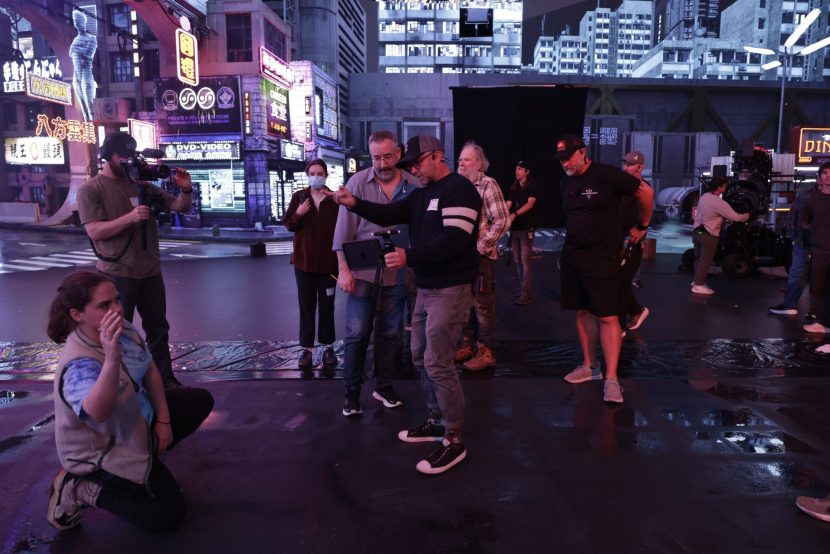
In the final analysis, the message from the ASC is clear: Load the material. Look through the camera. Establish your baseline. And then, start making the creative choices that define the future of the medium. The complexity of virtual production is here to stay, but with StEM3, that complexity is finally within our reach to master.