The Equalizer 3: How Denzel Washington’s Final Chapter is Finding a Resurgence on HBO Max

In the landscape of modern action cinema, few franchises have maintained the consistent, gritty appeal of The Equalizer. When Denzel Washington teamed up with director Antoine Fuqua in 2014 to reimagine the 1980s CBS television series for the big screen, few could have predicted that the partnership would yield a decade-long trilogy. Now, with the arrival of The Equalizer 3 on HBO Max, a fresh wave of viewers is discovering what many critics hailed as a poignant, atmospheric conclusion to the saga of Robert McCall.
The 2023 release has found a second life on streaming platforms, sparking renewed conversations about the evolution of the action hero, the unique chemistry between Washington and Fuqua, and the legacy of a character defined by his quest for atonement.
The Evolution of Robert McCall: From TV Icon to Cinematic Enforcer
To understand the weight of The Equalizer 3, one must look at the character’s origins. The original television series, which ran from 1985 to 1989, starred Edward Woodward as a sophisticated, retired intelligence officer who placed classified ads in newspapers offering his services as a "benevolent helper." He was a man attempting to balance the ledger of a life spent in the shadows of government-sanctioned violence.
When Antoine Fuqua and Denzel Washington stepped into this universe in 2014, they pivoted the tone. The film version of Robert McCall became a more terse, lethal, and tactical force. While he maintains the "everyman" facade—working a mundane job at a hardware store—his past as a black-ops operative remains a constant, simmering pressure. The 2014 film, which saw McCall take on the Russian mob to protect a young girl (Chloë Grace Moretz), set a blueprint for the franchise: a modest budget, a high-octane body count, and a moral compass that points toward the vulnerable.
The success of the first film, which grossed $193 million against a $73 million budget, proved that audiences were hungry for a mature, grounded action star. It also cemented the professional bond between Washington and Fuqua, leading to a rare occurrence in Washington’s career: the sequel. The Equalizer 2 followed in 2018, continuing the trend of financial success and cementing the duo’s reputation as one of the most bankable pairings in Hollywood.
A Chronology of Violence and Redemption
The narrative arc of the trilogy is one of gradual exhaustion. By the time we reach The Equalizer 3, the relentless vigilante justice that characterized the first two entries has taken its toll.
The story begins in Sicily, where McCall is systematically dismantling a cybercrime ring hidden within a winery. However, the film quickly shifts gears. After a near-fatal gunshot wound, McCall is rescued by a local Italian police officer, Gio, and taken to the tranquil seaside village of Altamonte.
What follows is perhaps the most unconventional act in the entire franchise. For a significant portion of the film, the pacing slows to a crawl. We see McCall not as a weapon, but as a man seeking refuge. He navigates the cobblestone streets, interacts with the local shopkeepers, and finds a sense of peace that has eluded him for decades. This "vacation" serves as a narrative mirror to the reality of the production; shot on location in Italy, the film captures the genuine warmth of the environment, a stark contrast to the cold, industrial settings of the first two films.
However, the peace is short-lived. The intrusion of the local Camorra—a brutal crime syndicate—forces McCall back into the role of the protector. The final act of the film serves as a cathartic release, not just for the character, but for the audience, as McCall systematically dismantles the criminal element threatening his newfound sanctuary.
Supporting Data: The Consistency of the Franchise
In an industry obsessed with exponential growth and ever-increasing budgets, The Equalizer trilogy is a statistical anomaly. The financial performance of the series has remained remarkably stable.
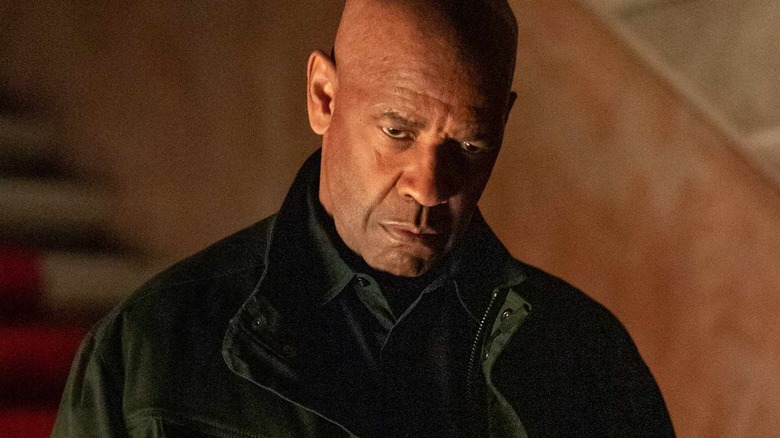
- The Equalizer (2014): Produced for $73 million, it pulled in roughly $193 million globally.
- The Equalizer 2 (2018): Produced for roughly $62 million, it mirrored the success of its predecessor with approximately $190 million worldwide.
- The Equalizer 3 (2023): With a budget of approximately $70 million, it grossed over $191 million.
This level of consistency suggests that the brand has a dedicated, reliable audience that isn’t looking for the spectacle of a superhero blockbuster, but rather the grounded, "star-driven" performance that only an actor of Washington’s caliber can provide. The streaming numbers on HBO Max indicate that this audience is expanding, as new subscribers discover the series and older fans revisit the conclusion of the trilogy.
Official Responses and Critical Reception
Critical reception to The Equalizer 3 has been generally positive, holding a 76% approval rating on Rotten Tomatoes. The critical consensus often centers on the film’s "end-of-the-road" atmosphere.
Prominent critics like Christy Lemire have lauded the film for its emotional resonance, noting that while it remains a "dumb action series" at its core, there is a surprising amount of poignancy in watching an aging warrior finally put down his sword. Conversely, the film has had its detractors. Robert Daniels, writing for RogerEbert.com, offered a scathing one-star review, arguing that the film’s attempt to transplant the Western archetype—a lone stranger protecting a small town—onto the Amalfi Coast felt forced and hollow.
The reunion of Denzel Washington and Dakota Fanning, who famously shared the screen in 2004’s Man on Fire, was a significant marketing hook for the film. Fans and critics alike noted the palpable chemistry between the two, which felt like a "meta" moment of cinematic history. This sense of real-world history between the actors added a layer of warmth to the film that elevated it above a standard genre exercise.
The Implications: Is This the End of the Road?
The success of The Equalizer 3 on HBO Max raises a pertinent question: where does the character go from here? Antoine Fuqua has hinted in various interviews that while The Equalizer 3 was intended as a "final" chapter, the door is never fully closed in Hollywood. However, the narrative trajectory of the trilogy suggests that McCall’s story has reached its natural conclusion.
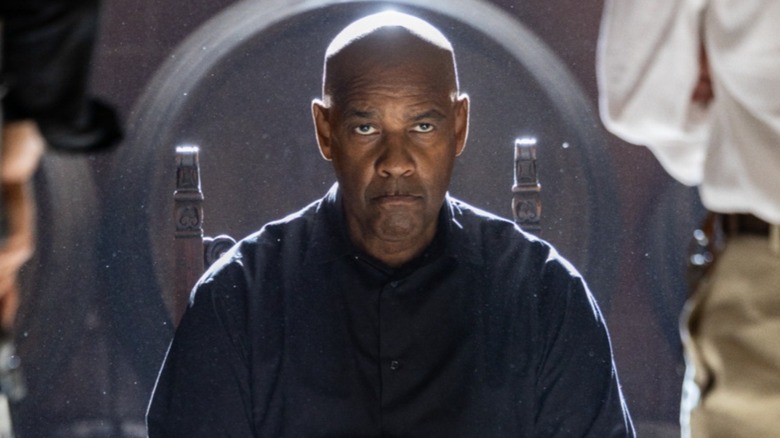
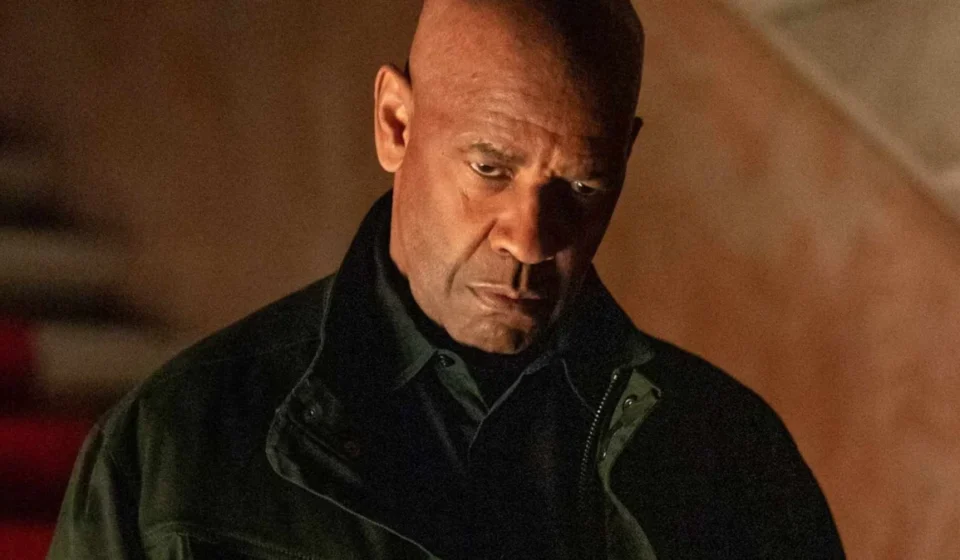
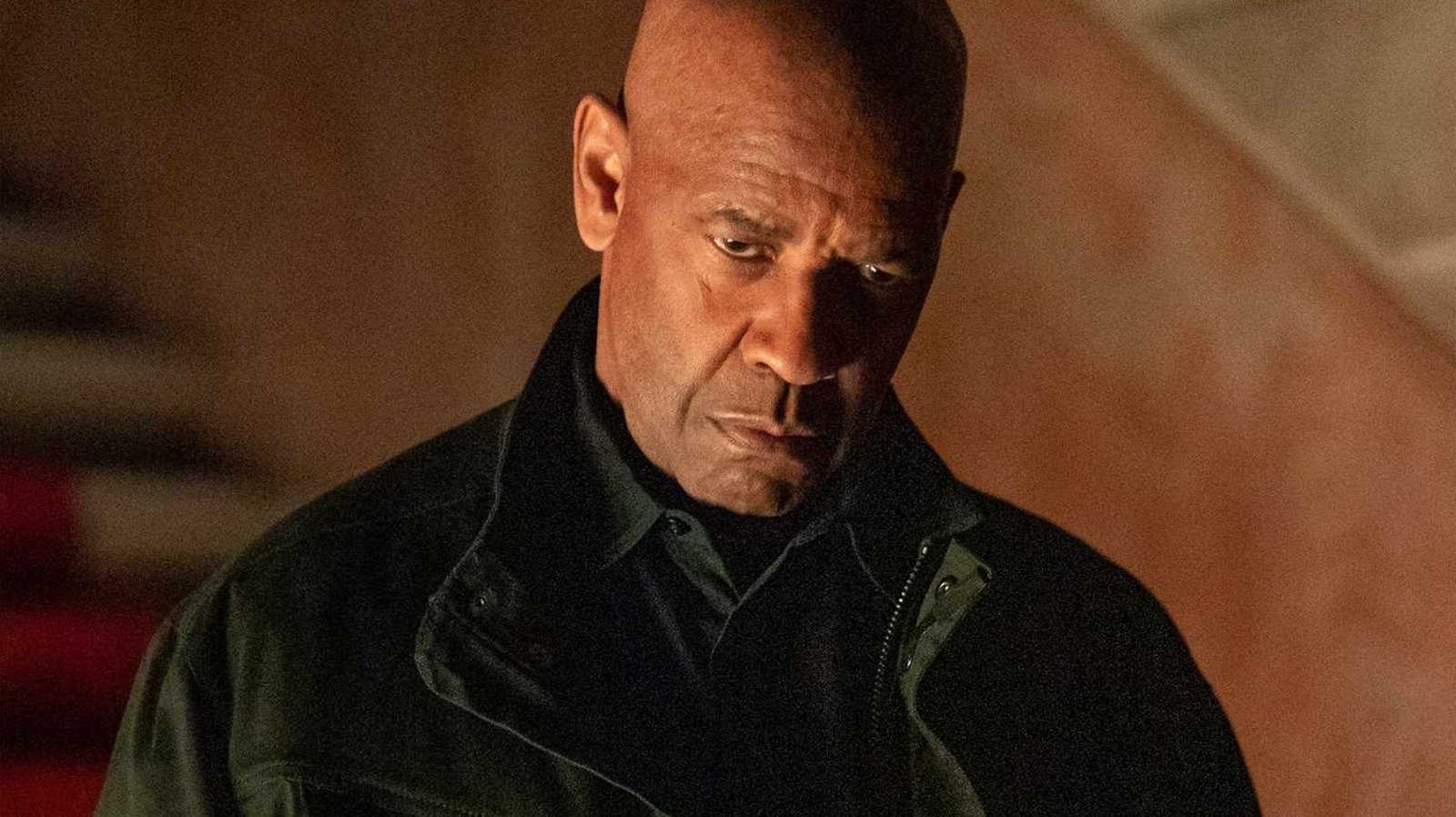
The implications for Denzel Washington’s career are also noteworthy. As he moves into his late 60s and beyond, the roles he chooses reflect a transition. He can still command a screen with a single glance, but The Equalizer 3 proves that he is interested in characters who possess a sense of history and fatigue. He is no longer playing the invincible action hero; he is playing a man who is tired of the violence he creates, even when that violence is directed at those who deserve it.
Furthermore, the film’s success serves as a case study for the mid-budget action thriller. In an era where studios are increasingly risk-averse, focusing on massive IP and CGI-heavy spectacles, The Equalizer stands as proof that there is still a massive market for character-driven, mid-budget films.
As viewers continue to stream The Equalizer 3 on HBO Max, they are engaging with a work that represents the "old school" of Hollywood filmmaking: a big star, a clear narrative goal, and a director who understands how to build tension without relying on green-screen pyrotechnics. Whether or not Robert McCall ever returns to the screen, the trilogy stands as a testament to the enduring power of the vigilante myth—and to the singular, magnetic talent of Denzel Washington.