Behind the Absurdity: How David Wain and Ken Marino Engineered the Chaos of ‘Gail Daughtry and the Celebrity Sex Pass’

In the landscape of modern American comedy, few voices are as distinct—or as misunderstood—as that of director David Wain. Since his formative years with the influential ’90s alt-comedy troupe The State, Wain has cultivated a cinematic aesthetic defined by a peculiar blend of surrealist whimsy, slapdash energy, and deeply earnest human connection. His latest feature, Gail Daughtry and the Celebrity Sex Pass, co-written with longtime creative partner Ken Marino, is the latest case study in this unique brand of organized chaos.
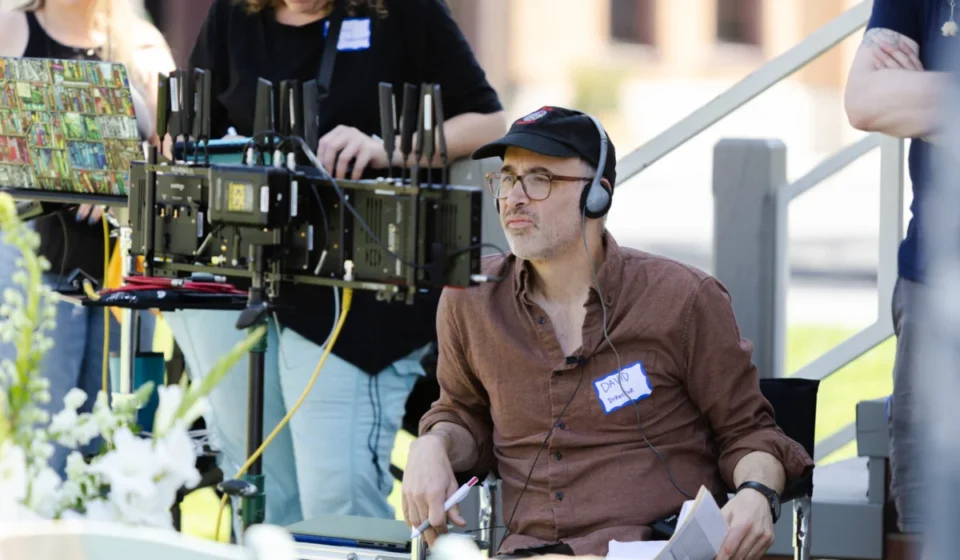
While a casual viewer might mistake the film’s manic pacing and left-field detours for loose, improvised riffing, the reality is far more calculated. Speaking on IndieWire’s Filmmaker Toolkit podcast, Wain and Marino pulled back the curtain on the rigorous, highly structured screenwriting process that powers their seemingly "breezy" comedies.
The Architecture of the Absurd
The core mission for Wain and Marino is to make the audience feel as though they are witnessing a spontaneous, off-the-cuff adventure, while actually maintaining a tightly controlled narrative engine. "The goal is it feels sort of breezy and off the cuff," Wain explained. "But if you look at it just one more layer, you see that we’ve really put in a lot of effort and thought. It’s not nearly as much improv as one might think based on the feel of the material. We’ve figured it out in the script."
This methodology is not new for the duo, but in Gail Daughtry and the Celebrity Sex Pass, it reaches a new level of sophistication through its structural homage to classic storytelling. The film functions as a subversive, modern-day Wizard of Oz, a foundation that provides enough stability for the filmmakers to take their signature "absurdist detours" without the film collapsing under the weight of its own eccentricity.
Chronology of a Hollywood Quest
The narrative of the film mirrors the structural beats of the 1939 L. Frank Baum classic. Zoey Deutch stars as the titular Gail Daughtry—a name that serves as a playful phonetic inversion of Dorothy Gale. Instead of being swept away by a cyclone to the Land of Oz, the innocent, wide-eyed Daughtry leaves the pastoral comforts of Willowbrook, Kansas, to embark on a quest to Los Angeles to secure a "celebrity sex pass" with actor Jon Hamm.

As she navigates the concrete jungle of Southern California, Daughtry encounters a "ragtag crew" of Hollywood rejects, each representing a broken archetype reminiscent of the Tin Man, the Scarecrow, and the Cowardly Lion.
"It started with thinking, what are different varieties of types of people that would each have a reason to want to find Jon Hamm?" said Marino. "We thought, ‘Who needs a brain? Who needs a heart? Who needs courage?’ It started with Ben [Wong’s] character, and we’re like, ‘Well, he thinks he needs a brain to be a big agent, but he doesn’t. He’s already got the tools for it.’ Vincent, my character, he’s a paparazzi guy who everybody thinks is heartless, but he’s got a bigger heart and he will help all his friends consistently."
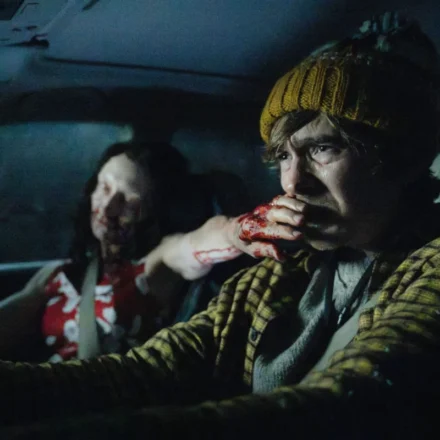
The film’s geographical journey is equally intentional. Wain and Marino fought to ensure the production took place in Los Angeles, allowing the city itself to act as the "Oz" of the story. The production begins with an idyllic, backlot-constructed version of Kansas, transitioning into a vibrant, high-energy version of L.A., before finally descending into the "grittier, bloodier" reality of the industry, culminating in a showdown at an old Western town set.
Supporting Data: The Rigor of the Writers’ Room
The production of Gail Daughtry was a masterclass in efficiency. With a limited 21-day shooting schedule, the luxury of "finding the scene" through lengthy improvisation simply did not exist. Every beat, every punchline, and every stylistic pivot had to be accounted for on the page.
Wain and Marino relied on their decades-long rapport and a stable of familiar performers who intuitively understand the "music of the comedy." This shorthand is essential for maintaining the film’s specific tonal tightrope walk. By working with actors who are already acclimated to their sensibilities, the directors saved precious time, allowing for a more focused execution of the script’s most complex segments.

The "Wet Hot" Legacy
Comparisons to their breakout hit Wet Hot American Summer are inevitable, particularly regarding the way the film treats narrative momentum. In Wet Hot, a famous montage sequence involving a trip into town descends into a completely different genre of film—a chaotic, drug-fueled fever dream—before snapping back into the wholesome, awkward reality of the summer camp setting.
Wain defends these choices as fundamentally purposeful. "Once in a while, when it does grind to a halt on purpose, or go into a left turn that means nothing, it is itself purposeful," he said. "People looked at Wet Hot American Summer like it’s just a strung-together series of skits, but I think people who appreciate it see that it’s really not. It’s put together in a certain way."
Official Responses and Creative Collaborations
A cornerstone of the film’s success is the participation of Jon Hamm and John Slattery, both of whom play satirical, heightened versions of themselves. While they were not involved in the earliest drafting phases, their presence was a non-negotiable prerequisite for the story to function.
Wain and Marino’s relationship with Hamm predates his Mad Men superstardom, with Wain even having shared a living space with the actor during their early, struggling years. "He was always a comedy nerd from day one," Wain noted. "We’ve both been buddies with him for a long time, but he has always been a super fan of all comedy."
The duo acknowledges that as they grow older, they are increasingly focused on integrating "new blood"—such as newcomers Ben Wong and Zoey Deutch—into their established comedy ecosystem. According to Marino, after years in the business, they have developed a refined radar for identifying talent that can survive and thrive within the specific demands of their world.

The Brutality of Post-Production
If the screenplay is the engine, the editing room is where the car is tuned to its highest performance. Under the supervision of editor John Daigle, the film underwent a process of aggressive refinement. The initial cut of Gail Daughtry clocked in at a sprawling 140 minutes—a length that the directors felt betrayed the inherent energy of the comedy.
"We just kept chopping it down and finding new ways to kind of make it move and make it faster and funnier, just cutting to the funniest stuff and saying goodbye to some of the babies," Marino said.
This "brutal" process involved frequent living-room screenings with friends and collaborators, turning their home into a testing ground for jokes. Wain describes his personal litmus test for humor: if a joke makes him laugh on the 10,000th viewing, it survives. If it fails to land consistently, it is excised, regardless of how much time or effort was invested in its creation.
Implications for the Future of Comedy
The release of Gail Daughtry and the Celebrity Sex Pass serves as a poignant reminder of the value of intentionality in comedic filmmaking. In an era where the industry often prioritizes franchise stability or overly safe, focus-grouped humor, the work of Wain and Marino stands as a testament to the power of a specific, auteur-driven vision.
The film does more than just mock the industry; it explores the desperation for recognition and the search for identity in a culture obsessed with celebrity. By anchoring this search in the familiar, comforting tropes of the American fairy tale, they allow the audience to digest the absurdity with a sense of emotional security.

As the film continues its theatrical run, the legacy of Wain’s approach to comedy—one that favors the "well-structured screenplay" over the "slapdash" impression—continues to influence a new generation of creators. For those interested in the granular details of their craft, the Filmmaker Toolkit podcast offers a deeper dive into the specific writing techniques that keep this veteran team at the top of their game.
Gail Daughtry and the Celebrity Sex Pass is currently in theaters, distributed by Sony Pictures Classics. For further insights into the production, subscribers can listen to the full interview with David Wain and Ken Marino on the Filmmaker Toolkit podcast via Apple, Spotify, or other major podcast platforms.