The Indomitable Spirit of Independent Cinema: Killer Films’ Legacy and the Path to the Thalberg Award

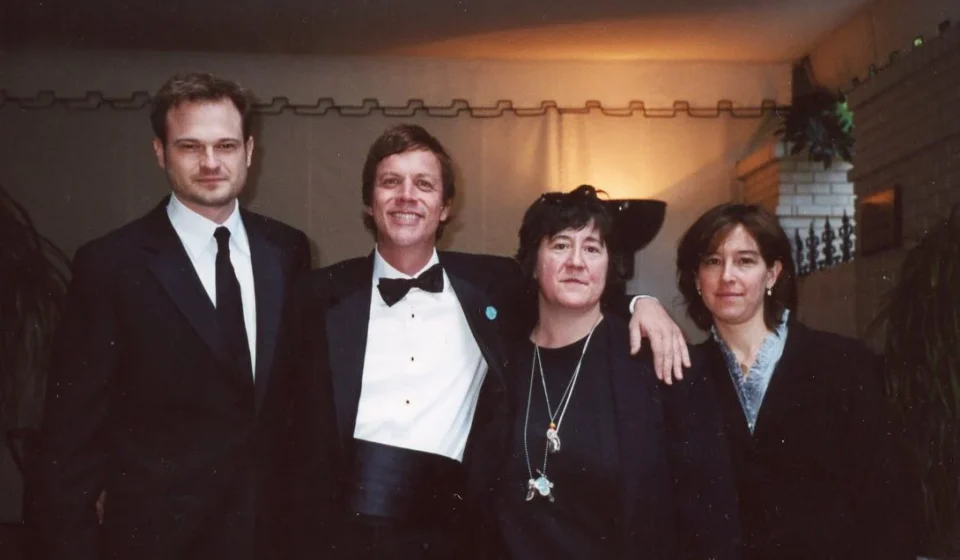
For over three decades, the New York City-based production house Killer Films has served as the heartbeat of American independent cinema. From the gritty, transgressive fringes of the 1990s New Queer Cinema movement to the polished, poignant prestige of the 2020s, founders Christine Vachon and Pamela Koffler have built a body of work that is as commercially daring as it is artistically uncompromising.
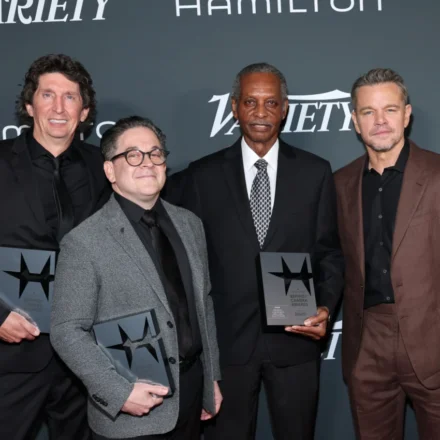
On November 15, at the Academy of Motion Picture Arts and Sciences’ Governors Awards, the industry will formally recognize this monumental contribution. Vachon and Koffler are set to receive the Irving G. Thalberg Memorial Award, an honor that recognizes producers whose body of work reflects a consistently high quality of motion picture production. The accolade marks a historic milestone: it is the first time the award has been bestowed upon an all-female producing team and the first time it has been awarded to a queer filmmaker in Vachon. They join a distinguished class of honorees this year, including Glenn Close, animator Floyd Norman, and visionary director Ridley Scott.
The Pillars of Independent Storytelling
The list of films produced under the Killer Films banner reads like a syllabus for modern cinematic history. Their portfolio includes generational classics that defined the indie aesthetic: Poison, Safe, Far from Heaven, Boys Don’t Cry, Still Alice, Happiness, Velvet Goldmine, First Reformed, Past Lives, and the recent critical darling A Different Man.

The studio is perhaps most synonymous with the career of Todd Haynes. Their collaboration has spanned decades, resulting in some of the most visually and narratively complex films of the late 20th and early 21st centuries. Their partnership remains robust, with the upcoming Mexico-set gay road drama De Noche currently in post-production. The project, which features Pedro Pascal, notably moved forward after a highly publicized casting shift in 2024 when Joaquin Phoenix departed the project.
Despite their massive cultural footprint, the road to the Academy’s highest production honor has been unconventional. While the pair has navigated the awards circuit for years—culminating in their 2024 Best Picture nomination for Celine Song’s Past Lives—they have often existed on the periphery of the "Oscar machine." Even their 2015 masterpiece Carol, which garnered six Academy Award nominations and a Best Actress win for Rooney Mara at Cannes, suffered a notable snub in the Best Picture category—a lingering point of contention for cinephiles that remains a symbol of the friction between the indie world and traditional industry gatekeepers.
A Chronology of Artistic Defiance
To understand the weight of the Thalberg Award for Vachon and Koffler, one must look back at the origins of Killer Films.

The Formative Years (1990–1999):
The early 1990s were defined by the emergence of "New Queer Cinema." Vachon’s collaboration with Todd Haynes on Poison (1991) signaled a new era of provocative storytelling. This period was marked by low budgets, high creative risk, and a total disregard for the traditional studio system. Films like Safe (1995) and Velvet Goldmine (1998) established the studio’s signature: an unflinching look at societal alienation and identity.
The Prestige Transition (2000–2010):
As the 2000s dawned, Killer Films began to bridge the gap between art-house sensibilities and wider critical recognition. Boys Don’t Cry (1999/2000) was a pivotal moment, proving that a film produced with a fierce indie spirit could command the national spotlight and earn major Academy recognition, including Hilary Swank’s Best Actress win. Far from Heaven (2002) further cemented their ability to blend genre homage with deep social commentary.
The Mature Era (2011–Present):
In recent years, Vachon and Koffler have shifted toward producing films that resonate with contemporary global audiences while maintaining their idiosyncratic edge. From the harrowing, existential exploration of First Reformed (2017) to the quiet, devastating emotional clarity of Past Lives (2023), Killer Films has proven that "indie" is not a budget level, but a standard of integrity.

Supporting Data: The Killer Films Impact
The studio’s longevity is an anomaly in an industry known for its volatility. Their success can be quantified by several key performance indicators that distinguish them from traditional studio producers:
- Diversity of Talent: Killer Films has consistently provided a platform for marginalized voices, particularly LGBTQ+ creators and female directors.
- Budgetary Efficiency: The studio has famously mastered the art of maximizing impact with limited resources. By leveraging long-term relationships with auteurs, they maintain production stability that larger entities often struggle to replicate.
- Awards Recognition: While the "Best Picture" win has remained elusive for the producers themselves, the cumulative impact of their films—spanning acting, directing, writing, and technical categories—is among the highest of any independent production house in history.
The Institutional Response
The decision to honor Vachon and Koffler with the Thalberg Award is being hailed as a "correction" of sorts by the Academy. By recognizing producers who operate outside the major studio system, the Academy is acknowledging that the future of cinema is often incubated in the offices of companies like Killer Films.
"Christine and Pamela have redefined what it means to be a producer in the 21st century," said a spokesperson for the Academy during the announcement. "They have demonstrated that you do not need the backing of a major conglomerate to change the course of film history. Their commitment to the director’s vision, even when that vision challenges the status quo, is the very definition of the Thalberg spirit."

Industry peers have also rallied behind the announcement. Directors who have worked with the duo describe a collaborative environment where "no" is rarely the final answer. They are known for shielding their filmmakers from the pressures of financiers, allowing the creative process to remain the top priority.
Implications for the Future of Indie Cinema
The implications of this award extend far beyond the trophy itself. For the next generation of independent producers, the success of Vachon and Koffler serves as a blueprint. It validates the idea that one can build a sustainable, influential career without compromising artistic identity.
However, the industry remains at a crossroads. As streaming services continue to disrupt traditional theatrical distribution, independent production houses face new hurdles in securing funding and ensuring their films reach audiences. The recognition of Killer Films serves as a reminder to the industry—and to the streamers—that the "human element" of production (the relationships, the trust, the creative intuition) cannot be replaced by algorithms or data-driven content models.

As Vachon and Koffler prepare to take the stage in Los Angeles, the conversation is already shifting toward what comes next. With De Noche on the horizon and a slate of development projects that continue to push boundaries, the duo shows no signs of slowing down. They are not merely celebrating a career of past achievements; they are signaling that the indie spirit is more vital now than ever.
In a climate where blockbuster tentpoles dominate the conversation, Killer Films stands as a testament to the power of the singular vision. Their Thalberg Award is not just a capstone; it is a declaration that the films that matter most—the ones that change how we see the world—are those made with the grit, the courage, and the unwavering conviction that have defined Killer Films since day one.