The Sound of Stewardship: Alex Somers’ Ethereal Score for ‘The Biggest Little Farm’ Series

The release of the soundtrack for the highly anticipated documentary series The Biggest Little Farm marks a significant intersection between environmental storytelling and avant-garde composition. KRUNK has officially launched the expansive original score, composed by the celebrated artist Alex Somers, just as the 12-part series makes its debut on YouTube.
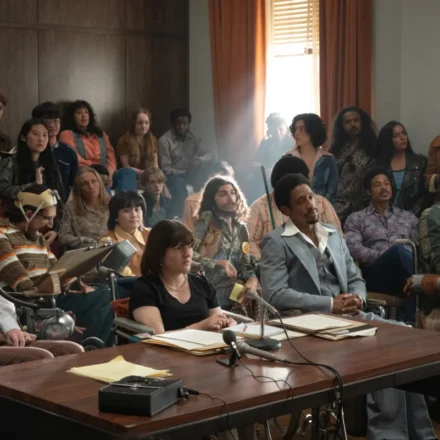
As viewers return to the Apricot Lane Farms ecosystem—the subject of John Chester’s Oscar-shortlisted 2019 documentary—they are greeted by a soundscape that mirrors the maturation of the land itself. Somers, known for his ability to craft fragile, atmospheric textures in films like Nickel Boys and Captain Fantastic, delivers a hauntingly beautiful auditory accompaniment that elevates the Chesters’ ongoing journey of agricultural perseverance.
Main Facts: A New Chapter in Sustainable Storytelling
The original 2019 documentary, which detailed the Chesters’ transition from city dwellers to farmers in the Ventura County foothills, was defined by the evocative work of composer Jeff Beal. For this new 12-part series, the creative mantle has been passed to Alex Somers.
The series picks up years after the initial narrative, focusing on the farm as a mature, complex ecosystem. John and Molly Chester are no longer just fighting for survival; they are navigating the intricate, often painful realities of long-term stewardship. The music serves as the emotional heartbeat of this evolution, underscoring the "hardest kind of balance": deciding which elements of nature to protect, which to encourage, and when to accept the inevitable loss that comes with a wild, functioning farm.
The soundtrack, available now across major digital platforms, features 33 tracks that range from delicate, piano-driven miniatures to expansive, layered soundscapes. Notable collaborations include ethereal vocal contributions from Julianna Barwick, adding a transcendental quality to the organic themes of the series.
Chronology: From Feature Film to Episodic Documentary
To understand the weight of this new musical endeavor, one must look at the trajectory of the Biggest Little Farm project.
- 2019: The feature-length documentary is released, garnering critical acclaim for its breathtaking cinematography and its hopeful message regarding biodiversity and regenerative agriculture.
- 2020–2025: As the farm matures, John Chester continues to document the unseen complexities of the land. The project shifts from a single film to an episodic format to capture the nuanced, seasonal cycles that define life at Apricot Lane.
- Late 2026: Alex Somers is brought on board to interpret the farm’s maturity through sound. His process involves embedding himself in the sonic environment of the farm, capturing the textures of the wind, the animals, and the soil.
- November 2026: The 12-part series premieres on YouTube, accompanied by the digital release of the Somers soundtrack.
This transition from a focused feature film to a long-form series allows for a more "lived-in" musical score. While the 2019 film provided the introduction, this series provides the deep-dive analysis, and Somers’ score reflects this increased intimacy.
Supporting Data: The Soundtrack Composition
The soundtrack for The Biggest Little Farm is a sprawling work of art, clocking in at over an hour of music. The tracklist is as follows:
- Fast Fuzzy (3:24)
- Twosome (feat. Julianna Barwick) (2:41)
- Nightlight (2:11)
- Ever (feat. Julianna Barwick) (2:00)
- Onesome (1:41)
- Tightrope Piano Wire (2:27)
- Blinking (2:14)
- Plucked (1:17)
- Other Way (1:41)
- Following (1:39)
- Penny (2:16)
- Fog Cloud (4:33)
- Log Cabin (feat. Julianna Barwick) (5:07)
- Skipping Stone (2:03)
- Wandering (2:30)
- Here, There (1:56)
- Sworn (2:19)
- Puppies (2:30)
- Outdated (4:37)
- Pride (2:22)
- Sympathy (2:22)
- smöl (3:20)
- Get Along (1:18)
- Crazy Person (1:36)
- Closed Book (1:51)
- Dear (2:44)
- Sun (2:03)
- LARP (1:24)
- All of Us (2:08)
- Running (3:38)
- A Little Never (1:24)
- Far and Away (4:07)
- Running River (2:03)
The track "Fast Fuzzy," which serves as a lead single, exemplifies Somers’ signature style—a blend of warm, analog synthesizer pulses and subtle, tactile acoustic instrumentation.
Official Perspectives: The Synergy of Image and Sound
In the lead-up to the series premiere, director John Chester noted that the shift in the farm’s development required a different tonal approach to the score. "The farm is no longer a blank slate," Chester remarked in recent press communications. "It is a conversation between us and nature that has been going on for years. We needed a sound that felt like that conversation—sometimes quiet, sometimes chaotic, always interconnected."
Alex Somers has long been recognized for his work in the "ambient-folk" space, often creating scores that feel less like traditional orchestral accompaniment and more like an extension of the film’s atmosphere. His previous work on projects like Honey Boy and Causeway established his reputation for "emotional minimalism." For The Biggest Little Farm, Somers utilized field recordings from the farm to blur the lines between diegetic sound (the actual noise of the farm) and the non-diegetic score.
Implications: The Future of Documentary Scoring
The release of this soundtrack and the series launch on a platform as accessible as YouTube signals a shift in how nature documentaries are being consumed and scored. By moving away from the traditional, bombastic "nature doc" orchestral style—often characterized by swelling strings and didactic narration—The Biggest Little Farm opts for an experiential, sound-design-heavy approach.
The Role of Independent Platforms
The choice to distribute the series via YouTube underscores a growing trend of filmmakers bypassing traditional broadcast networks to maintain direct contact with their audience. This democratization allows for more creative freedom, not only in the visual storytelling but in the sonic palette. A documentary series about regenerative agriculture, scored with the same care as an independent feature film, elevates the genre from "educational content" to "high-art cinema."
Environmentalism as an Emotional Experience
By focusing on the "hardest kind of balance"—the decision of when to intervene and when to step back—the score forces the audience to sit with the discomfort of nature. It is not always peaceful. It is often taxing. Somers’ music captures this by introducing dissonant tones and rhythmic shifts that mirror the struggles of the farm, such as managing pests or enduring climate-related stressors. This creates a profound sense of empathy; the audience is not just watching the farm, they are feeling the pressure of its survival.
Conclusion: A Sonic Ecosystem
As listeners dive into the 33 tracks of the The Biggest Little Farm soundtrack, they are invited into a world that is as complex as the soil under the Chesters’ feet. Alex Somers has managed to compose a love letter to the land, one that acknowledges both the beauty of growth and the stark reality of the natural order.
Whether you are watching the series on YouTube or simply exploring the digital release on Amazon or other streaming services, the work stands as a testament to the power of collaborative storytelling. The music does not simply accompany the visuals; it provides the context, the tension, and the ultimate resolution of a project that continues to redefine our understanding of what it means to live in harmony with the wild.
The series is now available for viewing, and the soundtrack is available for streaming. As the first two chapters (titled "A New Way" and "When To Give Up") introduce the latest challenges at Apricot Lane, the score ensures that every moment, from the smallest blade of grass to the widest panorama of the valley, is underscored with intention and deep, resonant humanity.