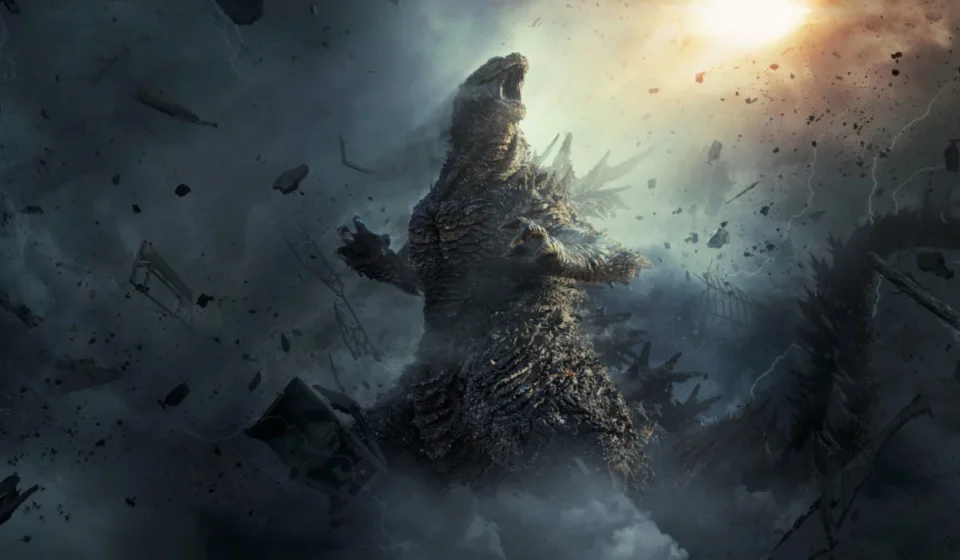
Kaiju Supremacy: ‘Godzilla Minus Zero’ Poised to Dominate the North American Box Office

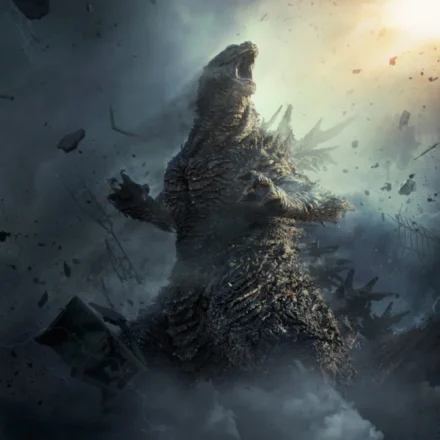
The theatrical landscape this weekend is bracing for a seismic shift as the King of the Monsters returns to the big screen. Godzilla Minus Zero, the highly anticipated sequel to 2023’s cultural phenomenon Godzilla Minus One, is projected to stomp over the competition, targeting a formidable $30 million opening from 3,254 North American theaters. As the cinematic world looks to the horizon, the sheer scale of the Kaiju’s return highlights a shifting tide in audience preferences, premium format demand, and the enduring power of international intellectual property.
The Main Event: Godzilla’s Continued Ascendance
The projections for Godzilla Minus Zero are more than just numbers; they represent the successful evolution of Toho’s monster franchise in the Western market. By leveraging the goodwill and critical acclaim generated by its predecessor—which defied expectations to become the highest-grossing live-action Japanese film in North American history—the sequel is positioned to capitalize on a growing fan base that transcends traditional blockbuster boundaries.
Produced by Japan’s Toho and brought to North American audiences via GKids, Godzilla Minus Zero is breaking technical barriers. It stands as the first Japanese production ever filmed specifically for the IMAX format. This decision is expected to drive significant over-indexing on premium large formats (PLFs), as fans seek the most immersive experience possible to witness Godzilla’s latest struggle against a new, mysterious monster in the bleak, atmospheric setting of postwar Japan.
Chronology of a Kaiju Phenomenon
To understand the current dominance of the franchise, one must look at the rapid evolution of the Godzilla brand since late 2023.
- Late 2023: Godzilla Minus One debuts in the U.S. amidst the volatility of the Hollywood actors and writers strikes. Despite the lack of traditional promotional muscle, the film becomes a word-of-mouth sensation.
- The Run: Propelled by universal critical acclaim and a vacuum of high-quality genre competition, the film ultimately secures $57 million domestically and $113 million globally, culminating in a historic Oscar win for Best Visual Effects.
- 2024–2025: Pre-production and global anticipation build as director Takashi Yamazaki confirms his return to helm the sequel, focusing on the immediate aftermath of the first film’s events.
- Present Day: Godzilla Minus Zero arrives, with Variety’s own chief film critic Owen Gleiberman hailing it as an "even grander follow-up," solidifying the franchise’s trajectory toward long-term theatrical viability.
Supporting Data: The Competitive Landscape
While Godzilla captures the spotlight, the weekend box office features a diverse array of newcomers struggling to find their footing in a saturated market.
The Animated Challenge: ‘The Cat in the Hat’
Warner Bros. Animation’s The Cat in the Hat is tracking for a second-place finish with $20 million to $25 million from 4,000 domestic venues. While the IP is iconic, the numbers represent a conservative start compared to previous Dr. Seuss adaptations like The Grinch ($67M) and The Lorax ($70M).
Industry analysts point to a changed theatrical landscape, noting that while the opening is lower than historical benchmarks, the film benefits from a lack of family-oriented animated content since September’s Forgotten Island. The studio is banking on "legs"—the ability for a film to sustain interest over several weeks—similar to the performance of 2024’s Garfield, which turned a modest $23 million opening into a $257 million global haul. With a production budget of $92 million, The Cat in the Hat must rely heavily on international performance and sustained word-of-mouth to reach profitability.
Niche Prestige: ‘Wild Horse Nine’
Searchlight Pictures is taking a calculated risk with Wild Horse Nine, the dark buddy comedy from auteur Martin McDonagh. Starring Hollywood heavyweights John Malkovich and Sam Rockwell, the film is targeting a $5 million to $7 million opening from 1,000 screens.
This release strategy is a direct evolution of the playbook used for The Banshees of Inisherin (2022). By opting for a wider initial footprint than its predecessor, Searchlight is attempting to balance prestige award-season ambitions with the realities of an older, more selective demographic. The film follows two CIA officers in Santiago, Chile, during the lead-up to a military coup, a narrative premise that aims to capture the "prestige drama" audience that has been notoriously difficult to mobilize in recent post-pandemic cycles.
The Global Surge: ‘Ramayana: Rise of a Legend’
Adding a unique international flavor, Ramayana: Rise of a Legend is projected to earn $6 million during its four-day debut. Sony’s distribution of the film across 1,300 theaters marks the widest North American release for an Indian production to date. This mirrors the success of other 2024 Telugu-language epics like Kalki 2898 AD and Pushpa: The Rule, which have proven that South Asian cinema is no longer a fringe segment but a core component of the North American box office ecosystem.
Official Responses and Industry Sentiment
The industry’s reaction to these projections has been one of cautious optimism. Theater owners, who retain approximately 50% of ticket sales, are particularly pleased with the diversity of the slate.
"We are seeing a return to genre-specific appeal," says one industry analyst. "You have the massive, event-level spectacle of Godzilla, the family-friendly void being filled by The Cat in the Hat, and the sophisticated indie-prestige market being served by Wild Horse Nine. It’s a balanced ecosystem."
The creators of The Cat in the Hat have emphasized that the film’s narrative—the antics of a mischievous cat helping two siblings adjust to a new life—is designed to bridge the generational gap. With Bill Hader providing the voice for the titular character, the studio hopes to evoke the charm of the original Seuss work while updating the visual language for a modern audience.
Implications: The New Box Office Reality
The success of Godzilla Minus Zero underscores several vital implications for the future of cinema:
- The Premium Format Shift: The success of Godzilla proves that audiences are willing to pay a premium for high-quality, large-scale cinematic experiences. The decision to film specifically for IMAX is likely to become a standard for international blockbusters.
- The "Slow Burn" Strategy: As seen with Garfield and Banshees of Inisherin, the era of the $100 million opening weekend for everything is over. Studios are increasingly focusing on the "long tail"—relying on positive reviews and audience sentiment to keep films in theaters for months rather than weeks.
- Diversification of Content: The wide release of Ramayana: Rise of a Legend highlights that North American audiences are increasingly comfortable with subtitles and non-Hollywood narratives. This shift forces domestic studios to compete with global content providers, raising the bar for storytelling quality across the board.
- The IP Dilemma: The moderate tracking for The Cat in the Hat serves as a warning that established IP is not a guarantee of success. Audiences are becoming more discerning, requiring fresh perspectives and strong, modern storytelling to justify a trip to the theater.
As Godzilla Minus Zero prepares to take its throne this weekend, it serves as a bellwether for the industry. Whether through the lens of a giant monster or the intimate drama of a political thriller, the common thread is clear: the modern moviegoer is looking for experiences that feel unique, immersive, and significant. In a world of streaming options, the theater is becoming a space for the "must-see" event, and for this week at least, that event is measured in thousands of tons of radioactive Kaiju.