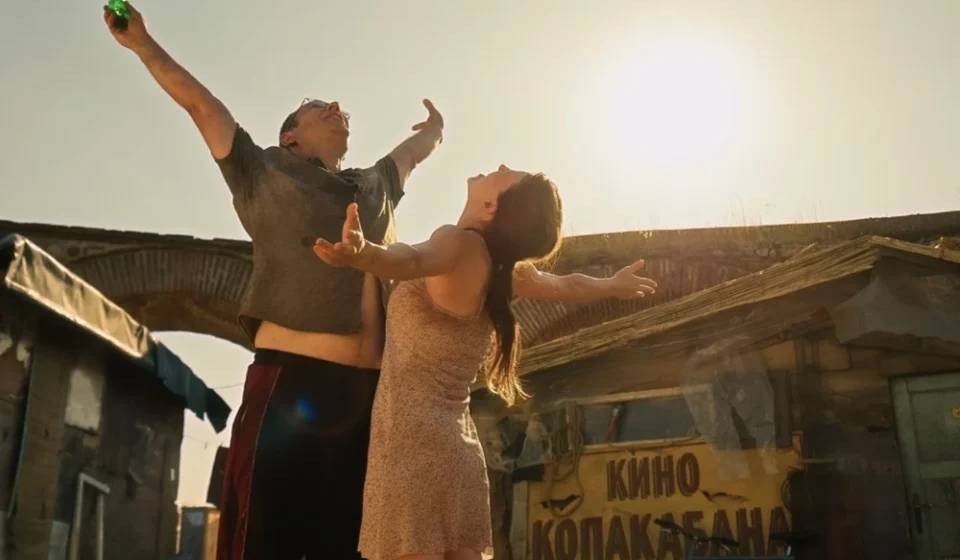
A Triumph of Humanity: "Sister Brother Manhole Cover" Sweeps the 39th Tokyo International Film Festival

The 39th Tokyo International Film Festival (TIFF) concluded its ten-day cinematic marathon on a note of poignant, gritty realism. In a ceremony marked by precise choreography and a sense of global camaraderie, the festival’s top honor, the Tokyo Grand Prix, was awarded to Milcho Manchevski’s Sister Brother Manhole Cover. The film, a whimsical yet melancholic allegory set against the backdrop of the North Macedonian capital, Skopje, emerged from a diverse and challenging selection of international features to claim the festival’s most coveted prize.
As the curtains fell at Hulic Hall, the atmosphere was one of celebration despite the steady drizzle outside—a stark contrast to the torrential downpour that marked the festival’s opening on October 26. The 2024 edition of TIFF proved once again to be a vital hub for global dialogue, bridging cultural divides through the universal language of film.
The Champion: A Quirky Tale of Survival
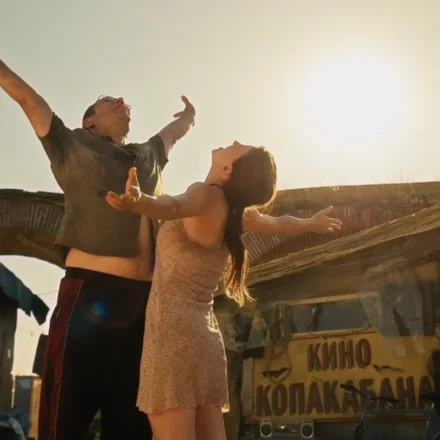
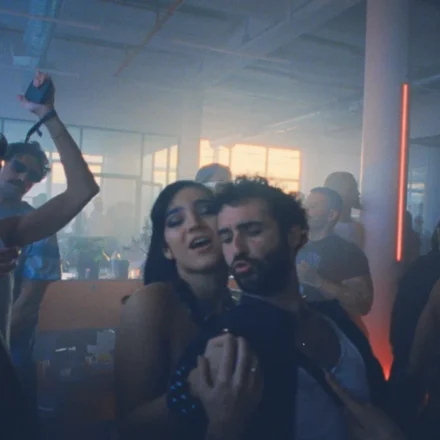
Sister Brother Manhole Cover is a multifaceted narrative following two siblings who make their meager living scavenging scrap metal from the streets of Skopje. Their precarious existence takes a surreal turn when a pilfered bronze bust of a national hero falls on the protagonist’s foot, pulling the duo into the literal and metaphorical depths of the city.
Jury president Rolf de Heer praised the film for its profound humanity and technical cohesion. "It is a complex, coherent film that manages to be both touching and playful," de Heer remarked, highlighting the jury’s appreciation for the film’s balanced tone. The production, a massive collaborative effort involving North Macedonia, Bulgaria, Serbia, Albania, Italy, and the U.K., marks a triumphant return for Manchevski, serving as his first fiction feature since the acclaimed Kaymak.
The film’s producer, Jane Kortoshev, accepted the award alongside the film’s lead actors, Sara Klimoska and Filip Trajković. Reflecting on the journey from the streets of Skopje to the grand stage in Tokyo, Kortoshev quipped, "We came here to Tokyo with a manhole cover, and we are going back to Macedonia with a beautiful award. I’d say it’s a pretty good deal, huh?"
Chronology of the 39th TIFF
The festival, which spanned from October 26 to November 4, was characterized by a diverse programming slate that left even the jury members surprised. Jury president Rolf de Heer noted that the 15 competition titles were so wildly different in style, subject matter, and origin that comparing them was an intellectual challenge.
"It was like programming director Shozo Ichiyama was playing a trick on us in his selection of the films, or giving us a test," de Heer joked during his overview.
Key Moments in the Competition:
- Opening Night (Oct 26): Despite heavy rain, the festival kicked off with high spirits, setting the tone for a celebration of international cinema.
- Mid-Festival Highlights: The screening of various competition titles, including the highly anticipated Magic Atlas and Double Freedom, drew significant critical attention and audience engagement.
- The Closing Ceremony (Nov 4): The event was marked by a shift toward more modern, informal attire among the attendees, though the production itself was executed with military-grade precision, ending within one minute of its scheduled finish.
Supporting Data: A Global Win
The Tokyo International Film Festival distributed a range of honors to recognize excellence in direction, acting, and artistic contribution. The financial awards, while modest in the grand scheme of global film funding, provide essential support for independent creators.
Selected Award Winners:
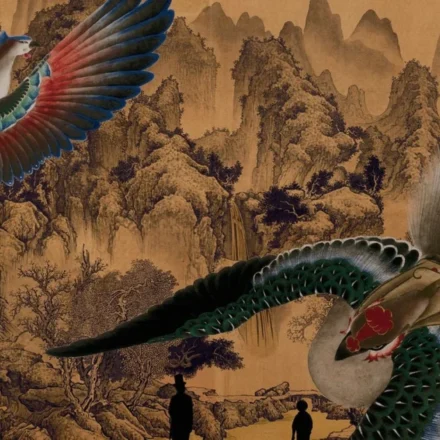
- Special Jury Prize: Magic Atlas (dir. Sun Xun, Singapore/China). This animated feature, which took over a decade to complete, was lauded for its remarkable craftsmanship and its visual journey from ink-wash painting to medieval engraving.
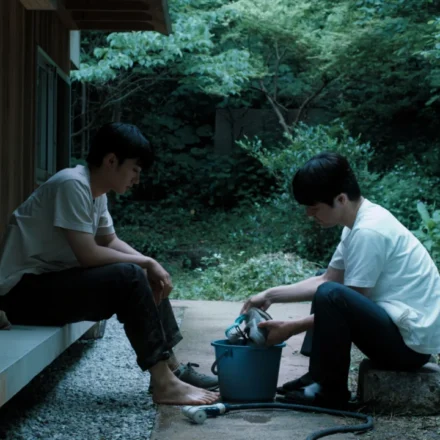
- Best Director: Lisandro Alonso for Double Freedom. The film, a meditative look at a woodcutter’s life, was praised for its "minimalist yet efficient cinematic language."
- Best Actress: Hu Ling for her performance in The Night That Binds Us, portraying a grieving dormitory manager in Shanghai.
- Best Actor: Narita Ryo for Two Cigarettes, Three Nights, Japan’s primary win in the main competition.
- Best Artistic Contribution: Jelena Maksimović’s Until the Day Ends, a poignant film documenting the 2024 Serbian protests.
Official Responses and Director Statements
The impact of these awards extends beyond the monetary value of the prizes. For many directors, the recognition serves as a "vindication" of their creative risks. Milcho Manchevski, appearing via video message, noted that his film was a project that "almost did not happen."
"This is a film about unusual families, and about the haves and have-nots," Manchevski said. "A film not about messages, but about people."
Similarly, Teodora Ana Mihai, whose film Heysel 85 took home the Audience Award, expressed her gratitude for the reception of a film dealing with the heavy, historical subject of the 1985 Brussels stadium disaster. "There is always a bit of fear that it will not, you know, be received well," she admitted. "So this is so special."
The festival also recognized industry leadership. Bill Kramer, CEO of the Academy of Motion Picture Arts and Sciences, received the Global Cinema Leadership Special Award, while the Kurosawa Akira Award—a testament to the legacy of Japan’s most famous filmmaker—was presented to O Mipo and Mohammad Rasoulof, honoring their contributions to the global cinematic landscape.
Implications for the Future of TIFF
As the festival looks toward its 40th anniversary next year, the management, led by director Hisamatsu Takeo, is positioning the event as a pivotal milestone for the next decade of Asian and international cinema. Hisamatsu emphasized that the festival’s mandate is not necessarily to showcase "bright and cheerful" content, but to provide a space for all types of stories to be celebrated and analyzed.
The 39th edition of the Tokyo International Film Festival highlighted several key trends in the industry:
- The Rise of Cross-Border Co-Productions: The success of Sister Brother Manhole Cover underscores the necessity of international funding and collaborative production structures in the modern era.
- The Persistence of Political Cinema: Films like Until the Day Ends and I Rarely Wake Up Dreaming (which won the Ethical Film Award) prove that global audiences remain deeply invested in stories of social justice, activism, and the human struggle against authoritarianism.
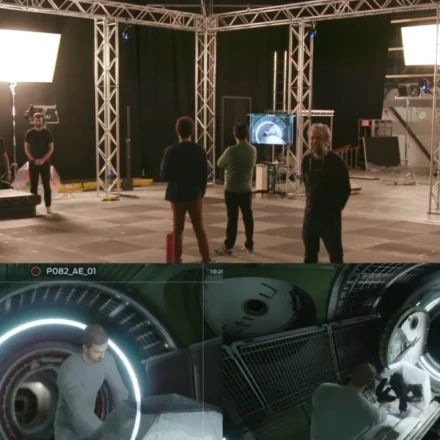
- Technological Integration: The festival balanced traditional filmmaking techniques with cutting-edge animation and storytelling, as seen in the work of Sun Xun, while also acknowledging the ongoing debate over the use of CGI versus practical performance (as discussed by the team behind the closing film, Colony).
Conclusion: A Clockwork Celebration
The final evening was a testament to the organizational prowess of the Tokyo festival. The use of a "Rolex-timed" ceremony, complete with stage managers guiding winners with millimeter precision, ensured that the event remained professional and efficient.
As the industry looks forward to the 40th edition, the legacy of this year’s festival will be defined by its diversity. From the whimsical, metallic streets of Skopje to the chilling, claustrophobic high-rises of the closing zombie thriller Colony, the 39th TIFF reaffirmed that cinema remains the most effective tool for "safely immersing ourselves in lives and situations we’ve never lived," as Yeon Sang-ho perfectly articulated.
The festival has successfully set a high bar for its milestone anniversary, proving that even in a world of rapid technological change, the human element—the "people, not messages"—remains at the heart of the cinematic experience.