The Near Miss That Almost Killed a Horror Phenomenon: How ‘Obsession’ Escaped the Streaming Abyss

The landscape of modern horror cinema is littered with the ghosts of films that never saw a marquee—projects acquired by streaming giants, dropped into a content algorithm, and forgotten within a fortnight. For director Curry Barker, the massive success of his horror juggernaut Obsession serves as a stark reminder of how close his career-defining project came to that very fate.
In a recent, candid appearance on the Q With Tom Power podcast, Barker revealed that Obsession—now a cultural touchstone that has transcended the genre—was dangerously close to being swallowed by the Netflix machine. What began as a high-stakes bidding war nearly resulted in the film being relegated to a "straight-to-streaming" release, a move that likely would have robbed the film of its communal, theatrical power.
The Bidding War: A Director’s Worst Nightmare
When Obsession began making waves in the industry, the reception was overwhelming. Barker, who was navigating the sudden surge of interest in his work, recalled the frantic nature of the acquisition process.
"I called my manager, and he was like, ‘Dude, everybody is putting in a bid for this thing,’" Barker told Tom Power. For a filmmaker, such news is typically a cause for celebration. However, for Barker, the prospect brought immediate anxiety. He was not merely looking for a payday; he was looking for a partner who understood the delicate, visceral DNA of his film.
"At that time, I was still thinking maybe a small theatrical release," Barker explained. "Maybe they just want to acquire it. But as a director, I’m thinking, ‘Are they going to want to change my movie? Are they going to want to take out certain parts that I like?’"
These concerns were not unfounded. The "Netflix Model"—defined by massive distribution but often criticized for creative interference and the "churn" of content—has become a point of contention for many auteurs. Barker’s fear was rooted in the reality that streaming platforms often prioritize marketability over the uncompromising vision of a horror director.
Chronology: From Potential Streaming Content to Theatrical Juggernaut
The timeline of Obsession’s journey is a testament to the importance of theatrical distribution.

- The Acquisition Phase: Following the completion of the film, a bidding war broke out. Netflix was among the primary suitors, offering a direct-to-platform release. Had they succeeded, the film would have likely been uploaded to the streamer’s vast library, where its discovery would have been left to an algorithm rather than word-of-mouth buzz.
- The Theatrical Pivot: Ultimately, the decision was made to pursue a traditional theatrical path. This allowed the film to build momentum through critical acclaim and, crucially, the shared experience of a packed theater.
- The Cultural Explosion: Because the film thrived in cinemas, its brand awareness exploded. The subsequent announcement that star Inde Navarette would host Saturday Night Live on October 31st is a direct result of the film’s massive, public-facing footprint.
- The Legacy Building: The integration of the film’s iconography into Universal’s Halloween Horror Nights solidified Obsession as a modern classic. This kind of experiential marketing is rarely granted to films that exist only in the digital cloud.
The Theatrical Experience: Why ‘Obsession’ Required the Big Screen
There is an intangible quality to a horror film viewed in a darkened theater. The collective gasp of an audience, the shared tension in the air, and the roar of the sound mix in a professional cinema environment are elements that simply cannot be replicated on a tablet or a laptop.
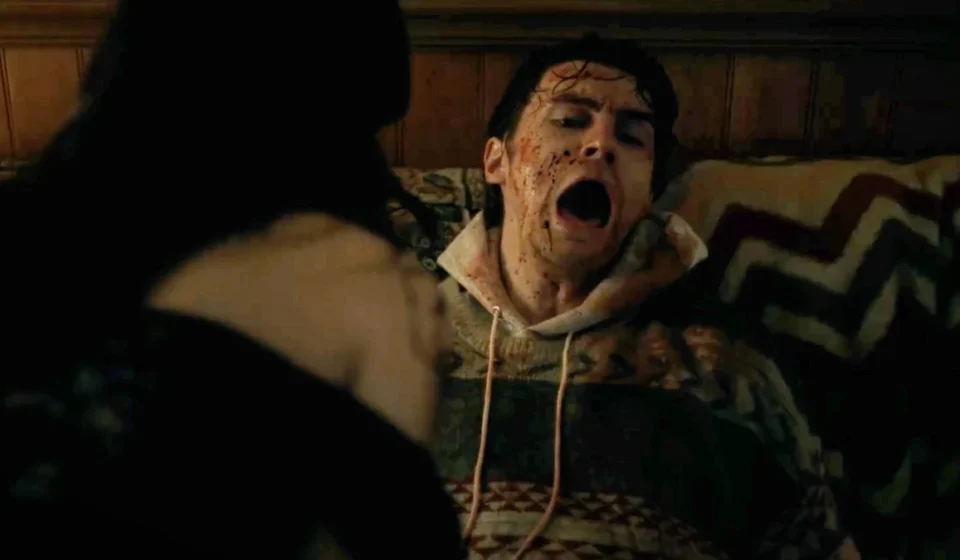
Obsession was designed to manipulate the nerves of its viewers, utilizing silence, jump scares, and atmospheric dread that demand a captive audience. By avoiding a Netflix release, Barker ensured that his film was not just "content" to be consumed while scrolling through a feed, but an event to be witnessed.
The "One Wish Willow," a central thematic element in the film, serves as a dark cautionary tale about getting what you want at a hidden cost. Ironically, the film’s journey mirrors this sentiment; the "wish" for a massive distribution deal almost cost the film its soul, but by resisting the convenience of the streamer, the creative team secured the film’s longevity.
Implications for the Film Industry
The near-miss of Obsession highlights a growing rift in Hollywood. As studios continue to consolidate, the theatrical experience is becoming a luxury rather than an industry standard.
The Netflix Critique
Critics of the streaming model argue that Netflix has effectively "devalued" the horror genre by creating a quantity-over-quality environment. When a film like Obsession—which has the potential for a long-tail cultural impact—is dropped into a feed alongside thousands of other titles, it is essentially being buried alive.
The Power of the "Event"
The success of Obsession proves that audiences are still hungry for theatrical horror. When a film is treated with respect—given a proper release window and marketed as a communal experience—the box office returns follow. The success of Inde Navarette, who is now being touted for potential Oscar consideration for her powerhouse performance, is a byproduct of the "prestige" that comes with a theatrical run.
The Creative Tug-of-War: Re-edits and Artistic Integrity
Beyond the distribution debate, there is the matter of the film’s production. It has been reported that during the post-production phase, the editorial control of Obsession was a point of intense negotiation.

Barker has spoken openly about the pressure to conform to specific pacing requirements. The process of re-editing and reshooting was not merely a technical necessity; it was a battle for the film’s identity. By maintaining control—or at least, having a seat at the table during these crucial discussions—Barker managed to refine a "horror masterpiece" rather than a sanitized product. This level of granular focus is rarely afforded to projects that are fast-tracked for streaming platforms, where efficiency often trumps artistic evolution.
Looking Ahead: The Future of Horror
The lesson from the Obsession saga is clear: Distribution matters. The filmmakers who choose to fight for the big screen are not just fighting for their own vanity; they are fighting for the survival of the audience experience.
As we approach October and see the Obsession aesthetic dominate the cultural landscape—from the SNL stage to the scare-zones at Universal—we are reminded of what is at stake. If the film had gone to Netflix, it would be a fleeting memory in a recommendation queue. Because it went to theaters, it is a cultural phenomenon.
For fans of the genre, the takeaway is simple: Support theatrical horror. Seek out the films that dare to play on the big screen. Because, as Curry Barker’s near-miss proves, the difference between a forgotten digital file and a legendary piece of cinema is often just one choice, made in the right office, at the right time.
The "One Wish Willow" might have been a metaphor for the film’s characters, but for the rest of us, we should be careful what we wish for. We wished for more horror, and we got it—let’s just make sure we keep watching it where it belongs: in the dark, with a crowd, on the biggest screen available.