The Ghostface Return: Drew Barrymore and Kevin Hart Reunite for a Surreal ‘Scream’ Spoof

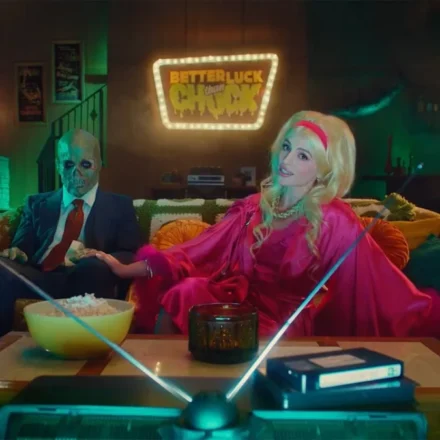
In a surprising collision of high-finance marketing and legendary horror cinema, Chase Bank has unveiled a new promotional campaign that has set the internet ablaze. The commercial, designed to highlight the benefits of the bank’s cash-back rewards program, features a playful, surrealist homage to Wes Craven’s seminal 1996 slasher masterpiece, Scream. Starring original franchise icon Drew Barrymore, the ad sees her facing off against a rather unconventional iteration of the Ghostface killer: comedian and actor Kevin Hart.
While the marriage of banking and horror might seem an odd juxtaposition, the campaign taps into the enduring cultural legacy of Scream as it approaches its monumental 30th anniversary.
The Main Facts: A Genre-Bending Marketing Pivot
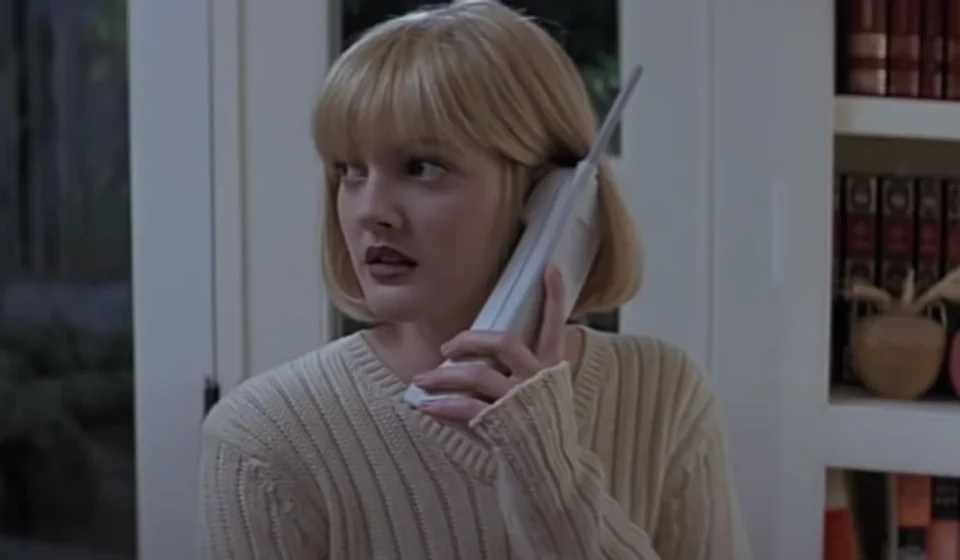
The advertisement is, at its core, a direct riff on the opening sequence of Scream. In the original film, Barrymore’s character, Casey Becker, famously endures a terrifying phone call from a masked assailant that ultimately leads to her demise. In this 2026 iteration, the stakes are significantly lower, replaced by the mundane yet popular pursuit of financial incentives.
Kevin Hart, donning the iconic black robe and Ghostface mask, places a phone call to Barrymore. However, instead of asking about her favorite scary movies, he poses the pressing question: “Do you like… cash back?”
What follows is a rapid-fire, stylized montage. The duo trades lines with frantic energy, repeating the phrase "cash back" with every transaction they simulate. The commercial shifts from a tense, suspenseful atmosphere—complete with the familiar eerie ring of a landline—into a comedic whirlwind that emphasizes the bank’s rewards offerings. The campaign has been positioned as a “goofy” take on the slasher subgenre, successfully stripping away the visceral horror of the 1996 original while retaining its most recognizable aesthetic hallmarks.
Chronology: From Woodsboro to the Modern Financial Landscape
To understand why this commercial has garnered such significant attention, one must look at the timeline of the Scream franchise and the career trajectories of its participants.
1996: The Iconic Beginning
When Scream premiered in December 1996, it revitalized the horror genre. Drew Barrymore’s casting as Casey Becker was a masterstroke of marketing; audiences were led to believe that the A-list star was the film’s lead. Her brutal, early exit shocked viewers and set the tone for the meta-commentary that defined the franchise. For three decades, that telephone sequence has remained one of the most parodied and revered moments in horror history.
The Interim Years
Over the last thirty years, the Scream franchise has expanded into a sprawling cinematic universe, with multiple sequels and a television spin-off. Barrymore, meanwhile, transitioned from a scream queen to a powerhouse producer, talk show host, and cultural icon. Kevin Hart ascended to global superstardom, becoming one of the most recognizable faces in comedy.
2026: The Anniversary Synergy
As 2026 marks the 30th anniversary of Wes Craven’s classic, the cultural consciousness has shifted toward nostalgia. Chase Bank’s decision to pair Barrymore with Hart acts as a bridge between generations. By leaning into the "Scream" imagery, the bank is leveraging the intellectual property’s massive cultural cache to ensure their message of "cash back" cuts through the noise of traditional financial advertising.
Supporting Data: Why "Horror-vertising" Works
The effectiveness of this campaign is not accidental. The integration of horror icons into commercial advertising has seen a significant uptick in recent years. Data suggests that consumers are more likely to engage with advertisements that utilize "cultural shorthand"—images, sounds, or scenarios that require no explanation.
![Drew Barrymore Faces Ghostface in Chase Ad ‘Scream’ Spoof [Watch]](https://www.dreadcentral.com/wp-content/uploads/2026/02/scream-1.jpg)
- Recognition Factor: The Ghostface mask is one of the most recognizable pieces of iconography in modern media. According to brand engagement studies, using established horror tropes increases "stop-the-scroll" rates on social media platforms like Instagram and TikTok by nearly 40% compared to standard financial ads.
- The Nostalgia Multiplier: With the 30th anniversary approaching, Scream is seeing a resurgence in streaming numbers. By timing the release of this ad to coincide with this period of reflection, Chase Bank is tapping into a pre-warmed audience.
- The "Hart" Effect: Kevin Hart’s involvement provides a comedic buffer. The contrast between the menacing Ghostface persona and Hart’s high-energy, neurotic comedy style creates a "cognitive dissonance" that keeps viewers watching to see how the skit resolves.
Official Responses and Public Reception
The response to the commercial has been largely positive, albeit with a heavy dose of irony from the horror community.
Representatives for the marketing firm behind the campaign noted that the goal was to "subvert expectations." In a press release, they stated, "We wanted to take a moment that once defined fear and turn it into a moment that defines personal empowerment—specifically, the empowerment of getting money back on your daily purchases."
Drew Barrymore has shared behind-the-scenes glimpses of the shoot, expressing her affection for the source material. "I have such a deep history with this character and this film," she mentioned during a recent segment on her talk show. "It’s a delight to revisit it, even if it’s just to joke about bank rewards with Kevin."
On social media, the reception has been a blend of amusement and lighthearted criticism. Horror purists have noted the absurdity of seeing Ghostface discuss APR and credit rewards, while casual viewers have praised the chemistry between the two stars. The consensus, however, is clear: the ad is "dumb," as some have pointed out, but it is an intentionally, charmingly "dumb" piece of content that successfully promotes a product without taking itself too seriously.
Implications: The Future of Brand Collaborations
The success of the Chase/Scream crossover carries significant implications for how major corporations will approach marketing in the coming years.
1. The Death of the "Serious" Financial Ad
Financial institutions have historically maintained an image of stoic, untouchable professionalism. This campaign signals a shift toward a more approachable, internet-native tone. By adopting the language of meme culture and horror fandom, Chase is signaling to younger consumers—Millennials and Gen Z—that they are "in on the joke."
2. Intellectual Property as a Marketing Vehicle
We are entering an era where movies are not just entertainment; they are a language. The ability to rent or license the "vibe" of a classic film for a 30-second spot is becoming a vital tool for advertisers. Expect to see more crossover events where cinematic history is repurposed for mundane brand messaging.
3. The "Legacy" Effect
As the 90s and 2000s continue to be the primary focus of modern nostalgia, the market value of legacy actors like Barrymore is skyrocketing. Her participation here demonstrates that iconic stars can effectively move the needle on financial products, provided the context is sufficiently creative or subversive.
Conclusion
The Chase Bank commercial featuring Drew Barrymore and Kevin Hart is, on its surface, a simple advertisement for a cash-back program. Yet, beneath that, it serves as a testament to the enduring power of Scream. By taking one of the most terrifying moments in cinematic history and flipping it into a punchline about credit card rewards, the campaign effectively captures the current zeitgeist: a blend of high-stakes nostalgia and low-stakes, humorous distraction.
As we look toward the 30th anniversary of Scream later this year, this ad serves as a reminder that even the most iconic monsters can eventually be tamed—or at least, convinced to help you save some money on your next purchase. Whether you find the commercial a brilliant piece of meta-marketing or a bizarre relic of modern advertising, it has undeniably succeeded in one crucial area: it has made us all talk about "cash back."