A Personal Lens on a Nation’s Soul: Inside Pegah Ahangarani’s ‘Rehearsals for a Revolution’

By Editorial Staff
August 6, 2026
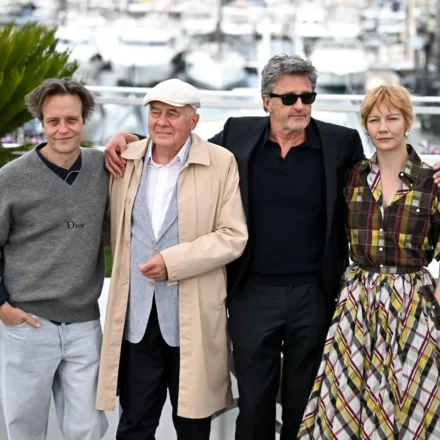
In the landscape of contemporary documentary filmmaking, few works manage to bridge the chasm between the intimate domestic sphere and the seismic shifts of geopolitical history with as much grace as Rehearsals for a Revolution. Directed by the acclaimed Iranian actress and filmmaker Pegah Ahangarani, the film has emerged as one of the most significant cinematic achievements of 2026. Following a triumphant world premiere at the Cannes Film Festival—where it secured the prestigious L’Œil d’or (Golden Eye) for Best Documentary—the film is now poised to embark on a global festival run, beginning with a highly anticipated screening at the Melbourne Film Festival.
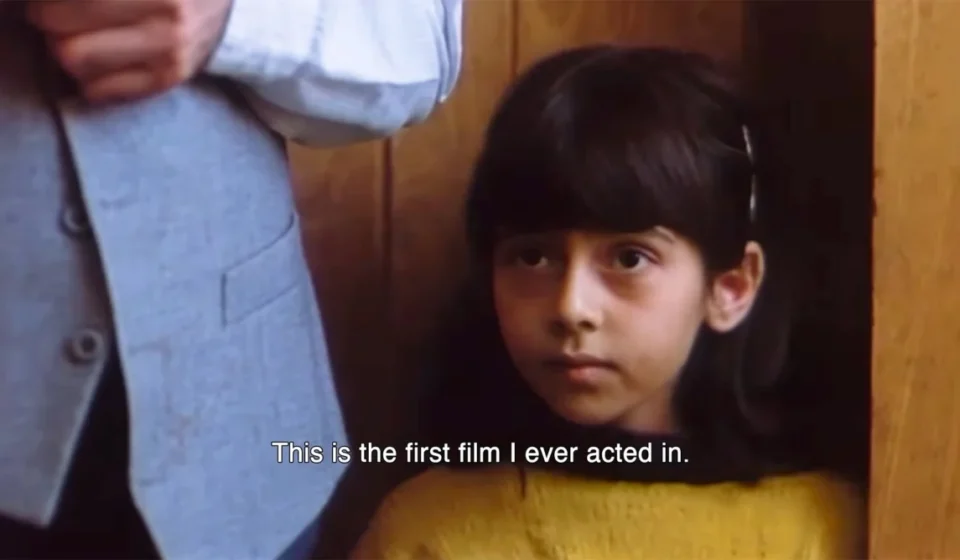
The documentary, distributed by Madman Films, serves as both a memoir and a historical tapestry, meticulously woven from four decades of personal archives, home movies, and the volatile realities of Iranian life from 1979 to 2026.
The Core Narrative: A Portrait of a Nation Through Five Lives
At its heart, Rehearsals for a Revolution is an inquiry into the nature of identity under the pressure of systemic change. Rather than adopting a dry, academic approach to the history of Iran, Ahangarani chooses a path of radical vulnerability. She frames the last forty-seven years of Iranian history through the lens of five specific individuals—relatives and mentors who have shaped her worldview and, by extension, her understanding of her homeland.
"This is the story of my homeland, and the people I grew up with," Ahangarani notes in the opening of the official trailer. This foundational sentiment drives the film’s narrative engine. By focusing on these five portraits, the director avoids the trap of reductive historical generalization. Instead, she invites the audience to see the Iran-Iraq war, the 1979 Revolution, and the modern "Woman, Life, Freedom" movement not as mere headlines, but as lived experiences that carve lines into the faces and spirits of ordinary citizens.

Chronology of a Revolution: From 1979 to the Present
To understand the scope of the project, one must view the timeline Ahangarani presents. The film functions as an architectural reconstruction of memory, beginning in the late 1970s—a period of intense transition that set the stage for the modern Iranian state.
The Foundation (1979–1988)
The early sections of the film utilize rare, personal archival footage to document the immediate aftermath of the 1979 Revolution. Ahangarani explores how the collective fervor of that era permeated the domestic lives of her subjects. The inclusion of the Iran-Iraq war, a conflict that defined a generation, is handled with profound sensitivity, focusing on the domestic toll of the front lines.
The Intermediate Years (1989–2010)
As the film progresses through the 90s and the early 21st century, the tone shifts from one of revolutionary zeal to one of complex adaptation. Through newspaper clippings, personal diaries, and home videos, the director charts how the subjects of her film navigated changing social mores and the tightening of political constraints. This section acts as a bridge, demonstrating the persistence of human culture even under rigid governance.
The Contemporary Reckoning (2011–2026)
The climax of the film is undeniably tied to the "Woman, Life, Freedom" movement. Ahangarani does not present these events as a distant observer; she integrates them into the ongoing arc of her subjects’ lives. By connecting the protests of the present to the "rehearsals" of the past, the film suggests that history is not a static set of dates, but a continuous performance that the Iranian people are constantly being forced to recalibrate.
Supporting Data: Why This Film Matters
The critical reception of Rehearsals for a Revolution has been nothing short of extraordinary. The jury at Cannes, in awarding the L’Œil d’or, praised the film for its "extraordinary sensitivity" and its ability to weave personal and collective history into a single, cohesive narrative.

Critical Consensus
Reviewers have consistently highlighted the film’s "human-centric" approach. In a world where Iran is often discussed in terms of sanctions, nuclear programs, and state rhetoric, Ahangarani’s work serves as a necessary corrective. By grounding the history in the "human being at the end of every story," she provides a level of empathy that geopolitical analysis often strips away.
Production and Craft
Produced by Kaveh Farnam and Adrià Monés, the documentary is a triumph of archival restoration and editorial pacing. The film’s aesthetic is intentionally textured; the use of grainy home video footage contrasts sharply with the clarity of modern protest imagery, highlighting the passage of time and the fragility of the records we leave behind. The film’s ability to turn disparate, often hidden, personal artifacts into a coherent feature-length documentary is a testament to Ahangarani’s growth as a filmmaker, following her earlier works like Kudak Sarbaz and Taraneh: A Documentary.
Official Responses and Festival Reception
Since its debut, the film has become a touchstone for the Iranian diaspora and international observers alike. The festival circuit, including the upcoming Melbourne Film Festival, has positioned Rehearsals for a Revolution as a centerpiece of its documentary programming.
"Ahangarani weaves together archival materials in order to show the world that personal and collective history cannot be separated," reads the official festival synopsis. This statement has been echoed by critics who see the film as a masterclass in subjective filmmaking. While no official release date for the United States has been announced, the buzz surrounding the film suggests that a major distributor will likely pick it up for a wider release in the coming months.
Implications: The Power of Subjective History
What makes Rehearsals for a Revolution a "must-watch" is its refusal to simplify. In the context of Iran, a country that remains a profound "mystery" to the Western world, the film provides a vital service: it humanizes the abstract.

The Interplay of Personal and Political
The film challenges the viewer to rethink the concept of a "revolution." By titling the film Rehearsals for a Revolution, Ahangarani implies that the struggle for change is not a singular event but a lifelong, recurring process. Her subjects are not just victims or heroes; they are individuals whose daily lives are caught in the wake of grand historical currents.
A Global Perspective
The film’s success at Cannes signals a shift in the international appetite for documentary filmmaking. Audiences are increasingly looking for stories that prioritize intimate, personal stakes over broad-stroke political reporting. By looking at her own mentors and family members, Ahangarani has created a universal story about the cost of living through history.
Conclusion: A Legacy in the Making
As we look toward the remainder of 2026, Rehearsals for a Revolution stands as a benchmark for the genre. It is a rare work that manages to be simultaneously a private diary and a public monument. For those interested in the complexities of the Middle East, the art of documentary storytelling, or simply the enduring power of the human spirit, this film is essential viewing.
As the film continues its journey through the festival circuit, it will undoubtedly spark conversations about the role of the artist in times of national trauma. Pegah Ahangarani has not just directed a documentary; she has archived a consciousness. Whether or not it secures an immediate US release, the film is destined to be studied and screened for years to come as a definitive document of the Iranian experience in the early 21st century.
For those eager to catch a glimpse, the official trailer—released this week—offers a poignant introduction to the themes and visual style of the film. It is a haunting, beautiful invitation to look past the news cycles and into the living rooms and memories of the people who call Iran home.

Stay tuned for further updates regarding the theatrical release and streaming availability of Rehearsals for a Revolution as they are announced.