The Architecture of Isolation: Inside the VFX and Narrative Evolution of Spider-Man: Brand New Day

The Marvel Cinematic Universe (MCU) has long been defined by its interconnected web of heroes, but the 38th installment, Spider-Man: Brand New Day, represents a daring departure from that tradition. Directed by Destin Daniel Cretton, the film serves as a somber meditation on the cost of anonymity. Following the cataclysmic events of No Way Home, where Doctor Strange’s spell effectively erased Peter Parker from the collective memory of the world, we find a protagonist who has retreated entirely behind the mask.
In our latest deep-dive episode of The VFXShow (Episode 308), we dissect the technical wizardry and narrative risks of this new chapter. While the film is a blockbuster in every sense, its core is surprisingly intimate, exploring the psychological toll of a hero who is celebrated by a city that no longer knows his name.
The Narrative Landscape: A Hero Without a Past
Four years have passed since the world forgot Peter Parker. While New York City continues to rely on the protection of Spider-Man, the human behind the suit has effectively ceased to exist in the eyes of his loved ones. MJ, Ned, and the rest of Peter’s former circle have moved on, leaving him in a state of perpetual, self-imposed isolation.
The film, penned by veteran MCU scribes Chris McKenna and Erik Sommers, avoids the common pitfalls of "reset" sequels. Instead of re-treading old ground, Brand New Day leans into the noir-adjacent reality of Peter’s existence. His only grounding forces are his nightly patrols and his silent, solitary visits to Aunt May’s grave. This emotional vacuum creates a fascinating contrast to the high-octane, street-level action that defines the film’s first act.
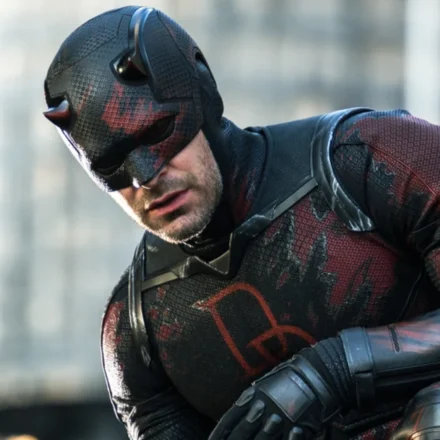
The ensemble cast—featuring the returning Tom Holland, Zendaya, Jacob Batalon, and Florence Pugh, alongside newcomers like Jon Bernthal (as Frank Castle/The Punisher)—brings a grit to the MCU that feels distinct from the cosmic scale of the Avengers films.
Chronology of Conflict: From Street-Level to Spectacle
Spider-Man: Brand New Day is meticulously structured to ground the audience before escalating into the trademark Marvel spectacle. The film begins in the shadows of New York’s criminal underworld. We see a Spider-Man who has evolved into a methodical, street-level vigilante, navigating a working relationship with police detective Jean DeWolff.
The narrative turning point arrives when the relentless Frank Castle—The Punisher—pursues an armored vehicle through the city. The ensuing chaos, which culminates in a tank crashing into a Department of Damage Control prison, serves as the film’s inciting incident. This sequence is a masterclass in modern blockbuster pacing, transitioning from tight, character-driven tension to a massive, practical-effects-heavy disaster set piece.
The Hybrid Methodology: VFX and Practicality
One of the most discussed aspects of Brand New Day is its commitment to "tactile" filmmaking. In an era where many superhero films are criticized for their reliance on "green screen soup," director Destin Daniel Cretton and his team have opted for a hybrid methodology.
The Return of the Physical Suit
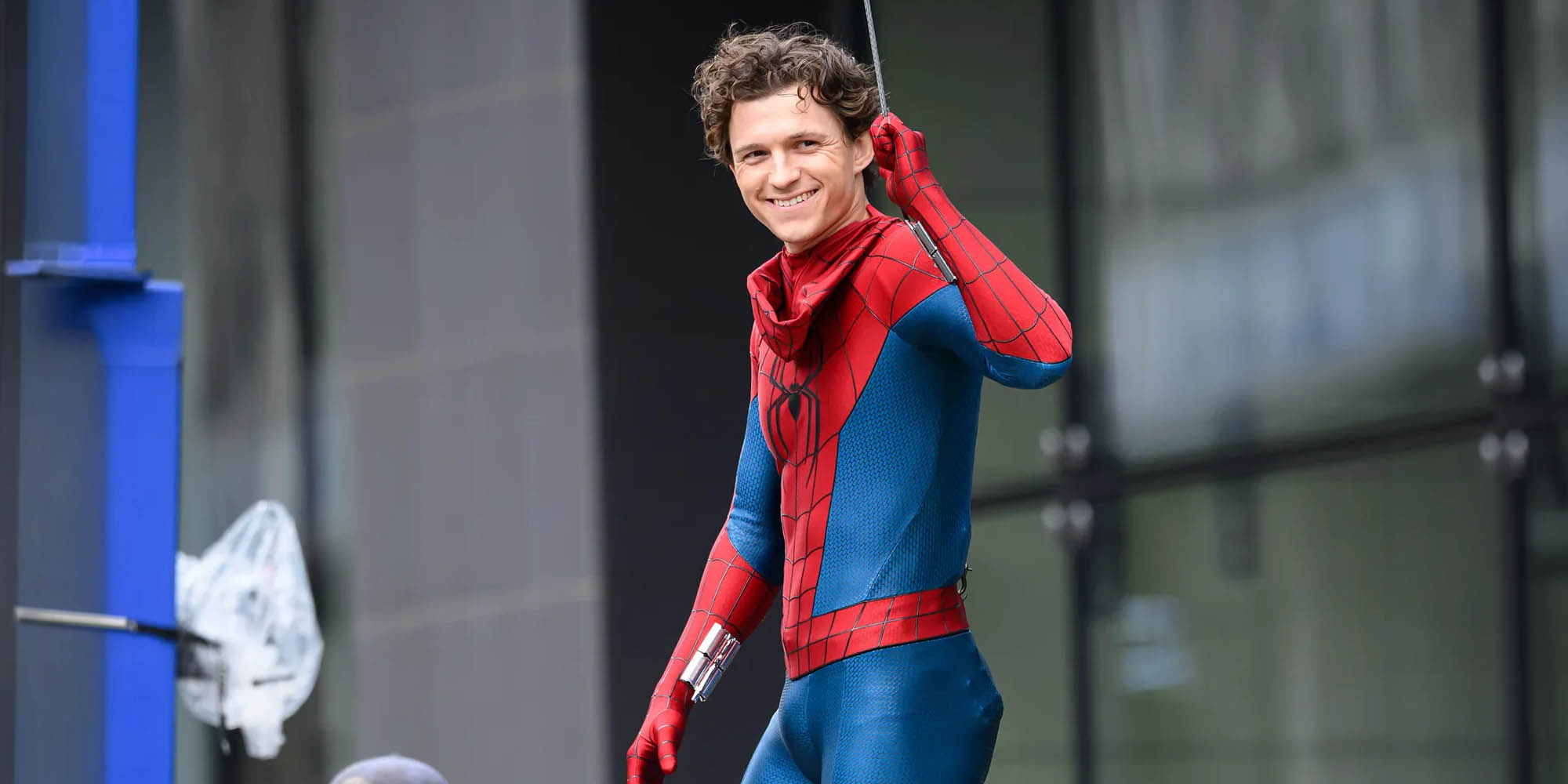
Tom Holland has been vocal about the production’s insistence on a real, physical suit for the majority of the film’s stunts. This is not merely a stylistic choice; it is a fundamental pillar of the film’s visual language. By capturing the natural weight, fabric tension, and environmental lighting of the suit on location, the production creates a baseline of reality that digital artists can then augment.
The "Invisible" Transition
The challenge, as explored by our panel of VFX experts, lies in the seamless hand-off between practical photography and digital augmentation. In any given action sequence—such as the high-speed pursuit involving the Punisher’s armored vehicle—the viewer is often watching a continuous shot that oscillates between:
- Practical Photography: Tom Holland or a stunt performer on location, providing authentic movement and "grounding."
- Digital Doubles: Used for physics-defying maneuvers, high-velocity swings, or complex aerial acrobatics that would be impossible to capture safely in-camera.
- Rigging Removal and Environment Extension: The invisible work of cleaning the frame and expanding the urban environment to reflect the scale of the destruction.
The success of Brand New Day hinges on the invisibility of these transitions. When Spider-Man accelerates, twists, and lands, the animation is layered over the physical performance to give the character the heightened, "super-human" athleticism that audiences expect, without sacrificing the weight of the physical world.
Supporting Data: The Physics of the Web-Slinger
A recurring point of debate on The VFXShow is the intersection of physics and animation. When dealing with a character as kinetic as Spider-Man, the temptation is often to ignore gravity in favor of aesthetic flair. However, the team behind Brand New Day has placed a renewed focus on "gravity as a constant."
Even when Spider-Man is swinging at impossible speeds, the animators have focused on maintaining the laws of inertia. As our own Mike Seymour noted during the podcast, when mass is treated as a variable rather than a constant, the suspension of disbelief breaks. By tethering the digital animation to the practical physics of the real-world stunt work, the film achieves a "heaviness" that has been missing from previous, more CG-reliant iterations of the character.
Official Responses and Industry Reception
While reviews are still rolling in, the industry consensus suggests that Brand New Day is being heralded as a "return to form" for the MCU’s grounded storytelling. Marvel Studios head Kevin Feige has previously stated that the objective of this film was to "re-humanize" Peter Parker.
"We didn’t want to just give him a new gadget or a new mentor," Feige noted in a recent press junket. "We wanted to see what happens when the boy from Queens is stripped of everything that made him Peter Parker, leaving only the Spider."
The collaboration between Cretton and the VFX houses has also been lauded for its transparency. By releasing behind-the-scenes featurettes highlighting the use of practical vehicles and real locations, the studio has managed to win over a segment of the fanbase that has grown weary of the "digital-first" approach seen in recent years.
Implications for the Future of the MCU
Spider-Man: Brand New Day sets a new standard for how the MCU handles legacy characters. By effectively rebooting Peter’s life without rebooting the actor or the continuity, Marvel has found a way to keep the franchise feeling fresh.
The implications for the broader MCU are significant. If this hybrid approach—prioritizing practical, location-based action augmented by high-fidelity VFX—proves as successful as early indicators suggest, we can expect future projects to move away from the "volume-heavy" production style that characterized Phase 4 and 5.
Furthermore, the film’s success demonstrates that audiences are willing to engage with darker, more introspective superhero narratives. The "Brand New Day" model suggests that the future of the genre is not necessarily in higher stakes (like multiversal collapses), but in deeper, more intimate character studies where the spectacle serves the narrative, not the other way around.
Join the Conversation
Is the hybrid approach the future of the blockbuster? Did the film successfully balance its noir tone with its high-octane action? Join our "friendly neighbourhood disagreement" in VFXShow 308, where we dive deeper into the technical failures and triumphs of the year’s biggest hit.
The Panel:
- Matt "4th Wall" Wallin: Expert in breaking the frame and challenging audience perception.
- Jason "The Rough-Cut Diamond" Diamond: Renowned for his uncompromising critiques of narrative pacing.
- "Evil Doctor" Mike Seymour: Our resident physics-obsessed lead, dissecting the light, weight, and digital integrity of the film’s most complex shots.
Subscribe to The VFXShow on Apple Podcasts, Spotify, or your preferred platform. Watch the full breakdown on our YouTube channel.