Echoes of the End: Harry Gregson-Williams Composes the Haunting Score for Ridley Scott’s ‘The Dog Stars’

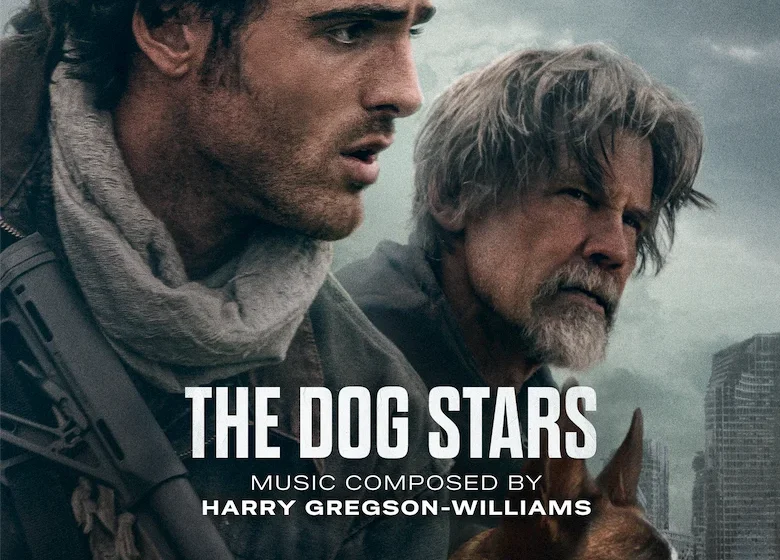
As the cinematic landscape prepares for the highly anticipated arrival of Ridley Scott’s latest post-apocalyptic vision, The Dog Stars, the film’s auditory heartbeat has finally been unveiled. Hollywood Records has officially announced the upcoming release of the original motion picture soundtrack, composed by the prolific and Academy Award-nominated composer Harry Gregson-Williams.
Set to debut on digital platforms this Friday, August 28—coinciding with the film’s nationwide theatrical release by 20th Century Studios—the soundtrack serves as a critical component in the atmospheric storytelling of a world forever altered by tragedy.
Main Facts: A Collaboration of Titans
The partnership between director Ridley Scott and composer Harry Gregson-Williams is one of the most enduring and effective collaborations in modern cinema. With a shared history spanning blockbusters like The Martian, Kingdom of Heaven, and the recent Gladiator II, the duo has developed a distinct shorthand for crafting tension and emotional resonance.
The Dog Stars, based on the acclaimed 2012 novel by Peter Heller, promises to be a departure from the grand historical epics often associated with Scott. The film follows Hig (played by Jacob Elordi), a civilian pilot and former Marine, as he navigates the desolate, haunting landscapes of a post-pandemic America. With a population decimated, Hig lives in a hangar with his dog and a gun-toting neighbor, Bangley (Josh Brolin), until a mysterious transmission pulls him toward the horizon.
The ensemble cast, which also includes Margaret Qualley, Guy Pearce, Benedict Wong, Allison Janney, Ewen Bremner, and Sam Spruell, provides the dramatic weight for Gregson-Williams to anchor his score. The soundtrack consists of 17 tracks, ranging from the delicate acoustic nature of "Mennonite Folk Song" to the sweeping, cinematic urgency of "Up in the Air" and "World Without End."
The Chronology of Production: From Page to Screen
The journey of The Dog Stars from Peter Heller’s prose to the silver screen has been a meticulous process of adaptation. Heller’s novel, praised for its lyrical prose and stark depiction of isolation, required a tonal balance that could translate the internal monologue of a survivor into visual and auditory cues.
Development and Pre-Production
The project began development under the watchful eye of Ridley Scott, who sought to capture the "quiet" horror of the novel—the silence of a world without humanity. Casting announcements began rolling in throughout late 2024 and early 2025, signaling a high-profile production schedule. As the filming moved across rugged landscapes to capture the isolation of the American West, the creative team sought a composer who could master the "minimalist maximalism" required to score a film that is simultaneously intimate and vast.
Scoring the Apocalypse
Harry Gregson-Williams joined the project during the latter half of the filming schedule. His approach to the score was dictated by the film’s central conceit: loneliness. Unlike his work on The Martian, where the score had to emphasize scientific ingenuity and hope, The Dog Stars required a more melancholic, organic sound palette.
"The music needed to feel like it was emerging from the dust," a source close to the production noted. Throughout the spring and summer of 2026, Gregson-Williams worked from his studio to develop themes that would mirror the erratic nature of the pandemic’s aftermath. The inclusion of tracks like "Where’s Jasper" and "Bangley’s Last Stand" indicates a narrative structure that fluctuates between the search for connection and the necessity of violence in a lawless world.
Supporting Data: The Soundtrack Tracklist
The official tracklist, released by Hollywood Records, highlights the emotional arc of the film. Fans of Gregson-Williams will note the mix of traditional orchestral elements and more atmospheric, synth-driven textures that have defined his recent output.
- First Flight (2:22)
- Getting Supplies (2:53)
- Roaches in Town (2:54)
- Visiting the Mennonites (3:23)
- Where’s Jasper (5:18)
- Bangley (3:38)
- Cima (2:55)
- Up in the Air (3:04)
- Clearing the Way (1:53)
- Bangley’s Last Stand (3:49)
- They’ve Spotted You, Hig (4:18)
- Heading to Grand Junction (3:15)
- Darlene (2:33)
- Back to Eerie (3:01)
- Mennonite Folk Song (1:15)
- Hig Goes Home (2:20)
- World Without End (3:11)
Official Perspectives: The Director’s Vision
Ridley Scott has long been vocal about the role of music as a "third character" in his films. In a brief statement provided by the studio, Scott remarked on the necessity of Gregson-Williams’ contribution:
"When you are dealing with a world that has lost its voice, the score must provide the dialogue. Harry understands that the silence in The Dog Stars is as important as the sound. He has crafted a score that respects the isolation of our characters while never letting the audience lose the thread of their humanity."
Similarly, Harry Gregson-Williams spoke to the challenge of scoring a film where the protagonist is essentially alone for the majority of the runtime. "The music had to be a reflection of Hig’s internal state. It’s not a score about the end of the world; it’s a score about the persistence of the human spirit in a world that has forgotten how to be human. Every note was chosen to underscore that fragility."
Implications for the Film and the Composer
The release of The Dog Stars carries significant implications for both the studio and the creative team.
A Critical Test for 20th Century Studios
Following the success of several high-budget sci-fi and thriller projects, 20th Century Studios is positioning The Dog Stars as a prestige thriller. By releasing it in late August, the studio is setting the stage for a potential awards season run. The film’s focus on human relationships during an existential crisis is expected to resonate with contemporary audiences who remain hyper-aware of pandemic-era anxieties.
The Evolution of Harry Gregson-Williams
For Gregson-Williams, this project serves as a bridge between his massive, percussion-heavy scores for action franchises and his more introspective, character-driven work. The inclusion of "Mennonite Folk Song" suggests an experimental turn in his methodology, utilizing diegetic music to root the film in a specific cultural reality before expanding into his own score. It reinforces his position as a composer capable of transitioning between the bombast of Gladiator and the subtle, haunting atmosphere required for a post-apocalyptic drama.
Cultural Impact
As the film reaches theaters, the music is expected to play a vital role in its reception. In an era where blockbuster scores often fall into the trap of "wall-to-wall" sound design, Gregson-Williams’ tracklist suggests a disciplined, deliberate approach. By pacing the 17 tracks to reflect the narrative beats of the film, he provides a roadmap for the audience, helping them process the bleakness of the setting while finding the flickers of hope that the story promises.
Conclusion: A Symphony of Survival
The Dog Stars is poised to be one of the most discussed films of the late summer season. With Ridley Scott’s unflinching eye for detail and Harry Gregson-Williams’ evocative, emotionally charged score, the production offers a masterclass in atmospheric filmmaking.
As the digital soundtrack drops this Friday, listeners will be able to experience the sonic landscape of Hig’s journey independently of the film. Whether it is the tension-filled rhythms of "They’ve Spotted You, Hig" or the reflective closer, "World Without End," the album is a testament to the power of film music to convey what words cannot.
For fans of the original novel, this adaptation offers a chance to see, and hear, the desolate beauty of Heller’s world brought to life. For those new to the story, it promises an immersive, harrowing, and ultimately moving experience that defines the very best of the post-apocalyptic genre.
Check your local theater listings for showtimes beginning August 28, and prepare to be transported to a world where, even after the end, the music continues to play.