
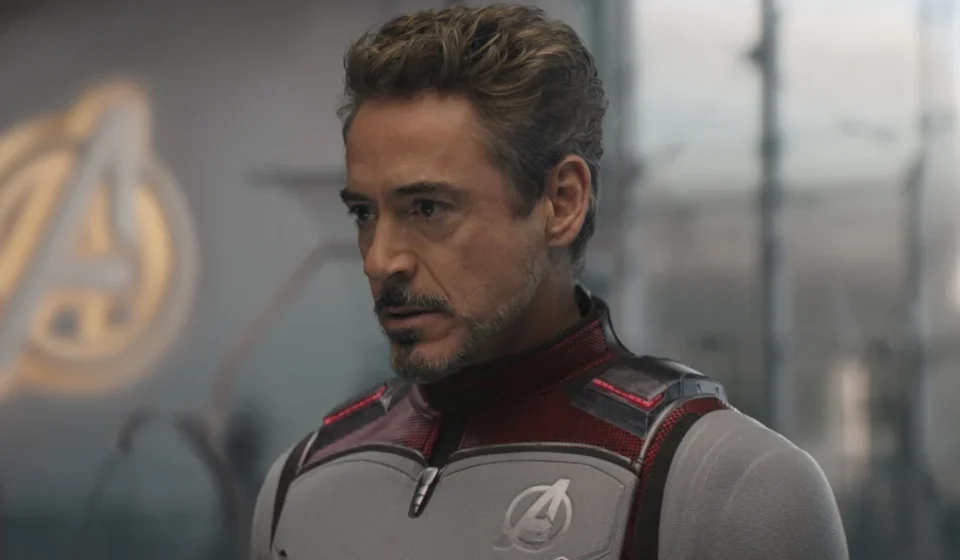

The cinematic landscape of the 21st century has been defined by a high-stakes, multi-billion-dollar rivalry between two giants: James Cameron’s immersive sci-fi spectacle Avatar and the cultural juggernaut that is Marvel Studios’ Avengers: Endgame. As the industry looks toward the highly anticipated release of Avengers: Doomsday, Disney and Marvel have announced a strategic, nostalgic, and potentially record-breaking move: the theatrical re-release of the 2019 epic, titled Avengers: Endgame: Encore.
Arriving in theaters on September 25, 2026, this "Encore" presentation is not merely a trip down memory lane. With exclusive, never-before-seen footage attached to the screening, Marvel is positioning the event as essential viewing for fans eager to prime themselves for the next phase of the Multiverse Saga. But beyond the fan service and the nostalgia, a massive, industry-defining question looms: Can this re-release generate enough revenue to reclaim the title of the highest-grossing film of all time?
The Current State of the Box Office Hierarchy
To understand the magnitude of this challenge, one must look at the current leaderboard. Avatar, thanks to its multiple successful re-releases—most notably in 2022—sits comfortably atop the global box office throne with a staggering $2.923 billion in lifetime earnings. Avengers: Endgame, which held the title briefly following its 2019 debut, currently rests at approximately $2.79 billion.
The gap, while seemingly insurmountable at $133 million, is not necessarily a wall. In the world of modern blockbuster economics, where "event cinema" drives massive surges in ticket sales, the math begins to look interesting. Industry analysts at Box Office Theory suggest a domestic opening frame for Encore between $19 and $28 million. If these figures are projected globally, and if the film sustains even a modest performance in its second week, the path to reclaiming the throne is narrow but mathematically possible.
A Chronology of the Cinematic Cold War
The rivalry between Marvel and Pandora began in earnest in the spring of 2019. When Avengers: Endgame first hit theaters, it was an unprecedented cultural phenomenon. It smashed records with a $1.2 billion global opening weekend—a figure that remains the gold standard for wide-release success. By the time it finished its initial run, it had narrowly surpassed the original $2.78 billion record held by James Cameron’s Avatar.

However, the "king of the hill" status proved transient. James Cameron, a filmmaker who has made a career of defying odds, orchestrated a series of strategic re-releases for Avatar. These returns to the big screen were designed to remind audiences why the film changed 3D technology forever. By 2022, Avatar had solidified its lead, once again pushing past the Marvel titan.
Now, with Avengers: Endgame: Encore, Marvel is attempting a "counter-strike." By re-releasing the film during a period of renewed interest in the MCU, the studio is betting that the current generation of fans—and those nostalgic for the height of the Infinity Saga—will turn out in droves.
Supporting Data and Market Realities
Analysts are closely monitoring the shift in international market dynamics. When Endgame first premiered, nearly 69% of its revenue—roughly $1.94 billion—came from overseas markets. However, the global box office has shifted significantly since 2019. The decline of the Chinese market as a reliable engine for Hollywood blockbusters represents a major hurdle for any film attempting to reach the $3 billion mark.
Despite this, the "Encore" strategy relies on a different kind of motivation: the "carrot" of Avengers: Doomsday. With the Russo Brothers returning to helm the next Avengers chapter, the hype cycle is already in full swing. Recent reports confirm that Avengers: Doomsday has already secured over $50 million in advance ticket sales, 100 days ahead of its release. This suggests that the appetite for Marvel content is not only alive but ravenous.
If the Encore release can piggyback on this momentum, it could perform well beyond standard re-release projections. Furthermore, the inclusion of "extra footage" serves as a powerful incentive for superfans. In the era of streaming, where content is ubiquitous, the promise of an exclusive theatrical experience is often the only thing that can bridge the gap between casual viewing and "must-see" box office revenue.
Official Perspectives and Industry Implications
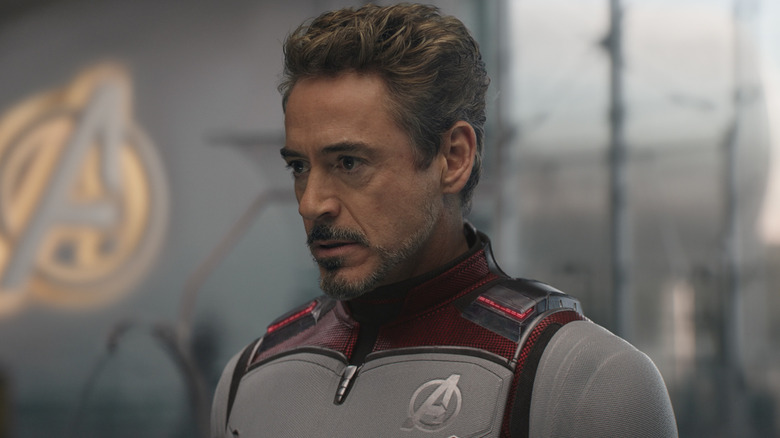
The Russo Brothers have explicitly stated that Avengers: Endgame is "required viewing" for anyone intending to understand the stakes of Avengers: Doomsday. This framing is a masterclass in studio synergy. By positioning the re-release as a foundational necessity rather than a simple cash-grab, Marvel is elevating the importance of the Encore event.
While some critics argue that using new footage to pad a film’s total gross is a departure from the "purity" of the original run, the industry standard has long moved toward fluid metrics. The success of Spider-Man: Brand New Day, which recently became only the eighth film in history to cross the $2 billion threshold, proves that the public’s desire for interconnected, high-stakes superhero cinema is far from exhausted.
From the perspective of Disney, this is a low-risk, high-reward strategy. The film has already paid for itself ten times over; any additional revenue is purely additive. More importantly, it re-establishes the MCU’s dominance in the public consciousness just months before the next massive entry in the franchise.
Looking Ahead: The Road to $3 Billion
If Avengers: Endgame: Encore achieves the "over-performance" predicted by some bullish analysts, we could witness the most dramatic comeback in box office history. The cultural impact of the Endgame snap and the emotional resonance of the final battle remain high-water marks for the genre.
Yet, Avatar remains a formidable adversary. James Cameron has a habit of making his audience wait, and in doing so, he builds a sense of prestige around his work that few other franchises can replicate. The battle for the top spot is not just about the numbers; it is about which franchise can claim to have defined the modern era of filmmaking.

As September 25, 2026, approaches, the industry will be watching the ticket counters with bated breath. Will the combined power of the Russo Brothers’ return, the hype for Doomsday, and the nostalgia for the Avengers’ greatest stand be enough to topple the blue-skinned titans of Pandora?
Whether or not the record is broken, one thing is certain: the battle has once again proven that the theatrical experience is far from dead. In an era of shrinking attention spans and streaming dominance, the fact that a seven-year-old movie can still spark a global conversation about box office records is, in itself, a testament to the enduring power of the Marvel brand. The "Encore" is playing, and the world is listening.