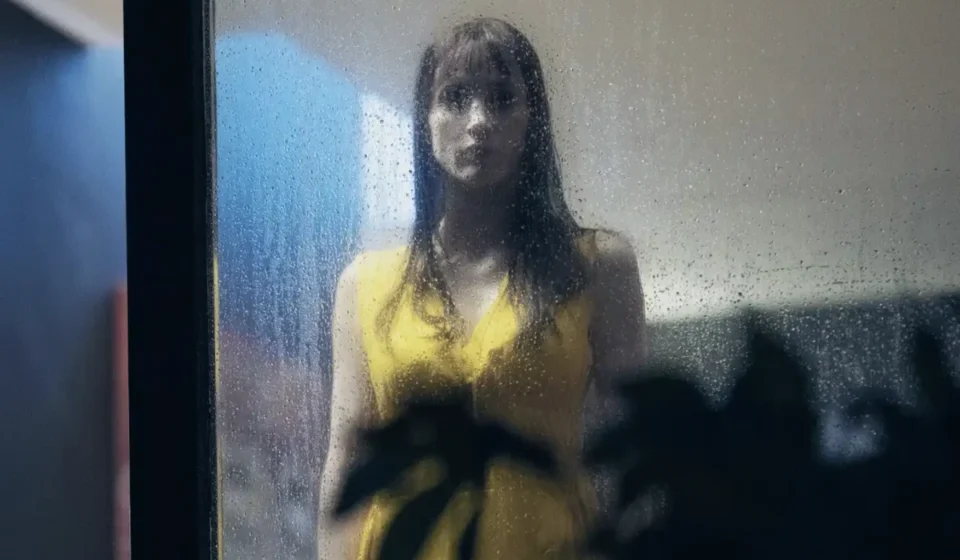

As the autumn leaves begin to turn and the air grows thin, horror aficionados are setting their sights on October 9—the release date for what is shaping up to be the most intense cinematic experience of the year. Director Rob Savage, known for his masterful manipulation of audience nerves in The Boogeyman and Dashcam, is returning to the big screen with Other Mommy. Based on the chilling novel Incidents Around the House by Josh Malerman, the film has generated a tidal wave of anticipation, further fueled by a fresh batch of promotional images that hint at a psychological and visceral descent into terror.
The Core Premise: A Childhood Nightmare Manifested
At its heart, Other Mommy is a terrifying exploration of the fragile boundaries between a child’s imagination and a genuine, malevolent threat. The narrative centers on eight-year-old Bela, whose domestic life is already under immense strain. This underlying tension serves as the perfect breeding ground for the entity that emerges from her closet—a sinister force with a singular, horrifying goal: to displace Bela’s mother, Ursula, and take up permanent residence within the family unit.
The brilliance of Malerman’s source material lies in the insidious nature of the antagonist. It is not merely a monster that goes "bump" in the night; it is an entity that mimics, manipulates, and gaslights. As the boundaries blur, both the young protagonist and the audience are forced to confront an agonizing question: Is the woman standing in the kitchen actually her mother, or has the "Other Mommy" finally succeeded in her intrusion?
A Masterclass in Tension: The "50 Jump Scares" Claim
In a recent interview with Entertainment Weekly, director Rob Savage addressed the film’s pacing and intensity, dropping a statistic that has sent ripples of excitement through the horror community. When asked to quantify the film’s reliance on the traditional jump scare, Savage offered a provocative estimate: "Oh, like 50. It depends on what you refer to as a jump scare."

While the "jump scare" has become a divisive element in modern horror—often criticized as a cheap substitute for genuine dread—Savage is positioning Other Mommy as a film that transcends the "quiet, quiet, loud" formula. For Savage, the jump scare is a rhythmic tool, not merely a startled reaction.
"Jump scares get s— on a lot," Savage noted during his discussion with the publication. "And I think crafting a really great jump scare can sometimes happen without the kind of quiet…quiet…loud sting that everyone associates with jump scares."
By weaving these moments into a broader tapestry of psychological paranoia and atmospheric dread, Savage intends to keep the audience in a perpetual state of unease. He describes the film as playing the "hits of every aspect of horror," blending large-scale, terrifying set pieces with the intimate, claustrophobic fear of being unable to trust the people closest to you.
Chronology of Terror: From Page to Screen
The adaptation process for Other Mommy has been highly deliberate, with Savage working closely to ensure the film’s opening sets a tone of immediate, unrelenting anxiety. According to the director, the opening sequence is lifted directly from the first page of Malerman’s Incidents Around the House.

The scene is deceptively simple: Bela’s parents tuck her into bed, turn off the light, and exit the room, offering the standard reassurances of safety. But the moment the door clicks shut, the darkness shifts. Alone, the child whispers into the void: "Goodnight, Other Mommy."
"Immediately, hairs on the back of the neck," Savage remarked, emphasizing that the film intends to maintain that specific, prickling sensation of being watched from the very first frame. The chronological progression of the film follows Bela’s descent as she realizes her reality is being replaced by a shadow version of her life. This descent is not a slow burn; it is a rapid, escalating nightmare that pushes the PG-13 boundaries of standard family-horror into a hard-earned R-rating for "some bloody violence and language."
The Ensemble: A Cast of High Stakes
The weight of the film rests on the shoulders of an exceptional cast capable of navigating the film’s duality. Jessica Chastain (It Chapter Two) leads the production, tasked with the complex performance of balancing the maternal warmth of Ursula against the fractured, sinister presence of the entity. Her ability to pivot between vulnerability and predatory coldness is central to the film’s success.
Joining her is Jay Duplass (Transparent), who provides the grounding for the fractured family unit, and Arabella Olivia Clark, whose portrayal of young Bela acts as the film’s emotional anchor. Dichen Lachman (Severance) rounds out the cast, adding a layer of gravitas to the production. Behind the camera, the creative pedigree is equally impressive, with horror titan James Wan producing alongside the heavyweights at Blumhouse and Atomic Monster—a collaboration that practically guarantees a polished, high-tension experience.

Supporting Data: Why "Other Mommy" Matters
The excitement surrounding Other Mommy is not merely anecdotal. It represents a significant shift in how studios are approaching the "home invasion" subgenre. By focusing on the "Other"—an entity that replaces a loved one—the film taps into the primal fear of losing one’s identity and the betrayal of the domestic sanctuary.
Recent industry data suggests that audiences are increasingly seeking "elevated" horror that combines visceral, physical scares with high-concept emotional stakes. With an R-rating and the backing of James Wan’s production banner, Other Mommy is perfectly positioned to capture this demographic. The film’s marketing campaign, which has prioritized "J-horror" vibes and psychological unease, has already outperformed similar genre entries in terms of social media engagement and trailer views, according to early analytical tracking.
Implications for the Genre
If Savage succeeds in his goal of delivering 50 distinct, high-quality jump scares, Other Mommy could fundamentally alter the discourse on how these elements are utilized in contemporary cinema. The industry has long struggled to reconcile the audience’s desire for sudden frights with the critical demand for artistic integrity. Savage’s assertion that he is moving beyond the "loud sting" suggests that he is attempting to innovate within the form, treating the jump scare as a narrative punctuation mark rather than a crutch.
Furthermore, the film’s focus on the "dual role" performance—a staple of psychological horror—could set a new benchmark for character-driven scares. By forcing the audience to constantly re-evaluate the protagonist’s mother, the film keeps the viewer in a state of cognitive dissonance, mirroring the confusion and terror of the lead character.

Conclusion: The Countdown Begins
As October 9 approaches, the anticipation for Other Mommy continues to build. The combination of Rob Savage’s visionary direction, Josh Malerman’s unsettling source material, and an A-list cast promises a film that is as emotionally harrowing as it is terrifying. Whether it lives up to the promise of its 50 jump scares or creates something even more lasting, the film is poised to be a defining moment in the 2026 horror landscape.
For those who enjoy the sensation of the hairs on the back of their necks standing up, the message from the production team is clear: prepare for a sleepless night. Other Mommy is coming, and it is ready to move into your nightmares.
For further details, character insights, and a deeper look at the visual aesthetic of the film, fans are encouraged to visit Entertainment Weekly for the full interview and the complete collection of newly released production stills. The closet door is opening; it’s up to you whether you look inside.