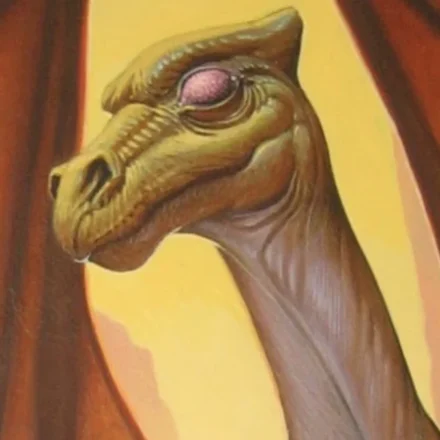


The latest installment of HBO’s Lanterns—the gritty, grounded crime drama set within the sprawling tapestry of the DC Universe—has left fans reeling. Episode 4 promised the arrival of one of the most iconic, psychologically menacing figures in Green Lantern lore: Hector Hammond. However, in a narrative pivot that has become a hallmark of this series, the show pulled the rug out from under its audience, transforming a highly anticipated villain introduction into a complex, multi-layered puzzle.
As John Stewart (Aaron Pierre) and Hal Jordan (Kyle Chandler) continue to navigate a landscape that feels less like a traditional superhero romp and more like True Detective meets Watchmen, the appearance of a “fake” Hector Hammond raises critical questions about the series’ direction, its relationship with source material, and the expanding mystery of the DCU timeline.
The Anatomy of the Misdirection: Main Facts
The intrigue began when Sheriff Kerry Kane (Kelly Macdonald) traced a destructive satellite—the same device that decimated Zoe Macon—to a company named Atlas Inc. The investigation pointed directly to a man identified as Hector Hammond, a figure described as the owner of high-tech “slaughterhouses.”
For comic book enthusiasts, the name carries significant weight. Created by John Broome and Gil Kane in 1961, the original Hector Hammond is a telepathic, megalomaniacal antagonist whose physical mutation—a massive, bulbous head—serves as a grotesque manifestation of his heightened psychic intellect. He has remained a persistent thorn in the side of the Green Lantern Corps for decades, even posing credible threats to Superman.
In Lanterns, however, the figure introduced as Hammond is portrayed by Jason Manuel Olazábal. When confronted by Stewart and Jordan, the character quickly sheds the persona, revealing himself to be Hector Gutierrez, an engineering student coerced into a decoys’ role by Will Macon (Garret Dillahunt). This revelation forces viewers to reconcile the show’s commitment to grounded realism with the fantastical expectations of the source material.

A Chronological Breakdown of the Investigation
To understand the scope of the deception, one must look at the procedural beats that led to this encounter.
- The Catalyst: The series established a tone of mystery early, with Zoe Macon’s explosive demise serving as the spark for the current investigation.
- The Lead: After Hal Jordan (in his capacity as a space-faring Lantern) retrieved the satellite, the trail led to Atlas Inc. The records for the company indicated that the owner, Hector Hammond, had no documented existence prior to 1986—the pivotal year Abin Sur crash-landed on Earth.
- The Confrontation: Stewart and Jordan tracked "Hammond" to a facility where they observed, firsthand, the use of advanced, seemingly extraterrestrial-adjacent technology to process livestock.
- The Admission: Upon cornering the man in his office, the duo forced a confession. The man identified himself as Hector Gutierrez, claiming he was a pawn in a larger game. He alleged that Will Macon provided him with the tech to assist his community, while also using the "Hector Hammond" moniker to serve as a distraction from the true mastermind.
- The Twist: Following the confrontation, the narrative shifted focus toward Zoe Macon, hinting that the true threat—the entity known as the Manhunter—may not be a man at all, but a far more elusive and dangerous presence.
Supporting Data: Why "Hector" Matters
The use of the name Hector Hammond is rarely coincidental in the DC Universe. The fact that the showrunners—spearheaded by the creative vision behind this new DCU era—chose this specific name to act as a red herring suggests a calculated effort to manipulate audience expectations.
There are three prevailing theories as to why the writers chose this path:
- The Origin Seed: It is possible that Hector Gutierrez is an original character intended to eventually undergo a transformation. By having him start as a pawn, the show may be crafting a "grounded" origin story for the villain we recognize from the comics, slowly stripping away his humanity until he becomes the psychic threat fans expect.
- The Legacy of 1986: The show explicitly links "Hammond’s" lack of history to the year of Abin Sur’s death. This reinforces the idea that the fallout from the original Green Lantern’s crash is still rippling through the modern timeline. Every mystery in Lanterns seems to orbit that singular event, suggesting that the "Manhunter" conspiracy is deeply tied to the secrets the Guardians of the Universe are desperate to keep.
- The Meta-Commentary: Lanterns is actively deconstructing superhero tropes. By introducing a "fake" villain who uses a comic book name, the writers are signaling to the audience that this version of the DCU is unpredictable. It challenges the viewer to stop relying on comic book knowledge as a roadmap and start engaging with the show as a standalone noir thriller.
Official Responses and Creative Direction
While Warner Bros. and DC Studios have remained tight-lipped regarding the long-term trajectory of the Hector Gutierrez character, the creative team has been vocal about the show’s thematic ambitions.
The series is positioned as a character study, focused heavily on the generational trauma of the Green Lanterns. By keeping John Stewart and Hal Jordan grounded in a "detective-noir" framework, the showrunners are clearly aiming to differentiate Lanterns from the more bombastic cosmic adventures found in other superhero franchises.

The inclusion of peripheral figures like Paul Ben-Victor’s Antaan—who fans speculate could be the iconic villain Atrocitus—suggests that while the current "Hector Hammond" is a fake-out, the show is simultaneously building a larger, more formidable rogues’ gallery in the shadows. The writers appear to be playing a long game, layering mysteries that reward viewers who pay attention to subtle environmental storytelling rather than just overt action sequences.
Implications for the Expanding DC Universe
The implications of Episode 4 reach far beyond the borders of the Lanterns narrative. With the DCU timeline currently in flux—highlighted by confusion regarding John Stewart’s lack of a ring in the 2026 segments and Guy Gardner’s presence as Earth’s primary Lantern in other upcoming projects—every piece of information is vital.
The "One Mystery Too Many" Problem
Critics have begun to question whether the show is becoming too dense. Between the multiple timelines, the mystery of the Manhunters, the death of Hal Jordan (which itself remains a point of intense fan speculation), and now a fake villain, the narrative density is reaching a fever pitch.
However, this complexity is also the show’s greatest strength. It treats its audience with intelligence, refusing to provide easy answers. The "fake" Hector Hammond forces us to ask: If he isn’t the villain, what does his existence as a decoy tell us about the power dynamics at play?
A New Standard for Villainy
By using a name like Hector Hammond—a name associated with a specific, high-stakes threat—to facilitate a "decoy" plot, Lanterns is establishing a new paradigm for its villains. The threats in this series are not just physical; they are systemic. The Manhunter is not just an enemy to be punched; it is a conspiracy to be unraveled. If Hector Gutierrez is merely a cog in a machine, it suggests that the true villain of the series is a force that is far more organized and pervasive than a single psychic with a large head.

Conclusion: The Path Forward
As Lanterns continues its run, the mystery of Hector Gutierrez will likely serve as a turning point. Whether he remains a tragic figure manipulated by the Macons or emerges as a legitimate threat in his own right, his role as a "fake" Hammond is a masterstroke of narrative subversion.
For now, the audience is left to navigate the same ambiguity as Stewart and Jordan. We are looking for a monster, but the show is reminding us that in the real world—and in the grounded world of Lanterns—the most dangerous monsters are the ones hiding in plain sight, often using familiar names to mask their true, more insidious agendas. As we wait for the next episode, one thing is certain: in the world of Lanterns, the truth is rarely what it appears to be on the surface, and the most iconic villains may just be the ones we haven’t truly met yet.