The Unlikely Resurrection of a Lost New York Masterpiece: The 40-Year Journey of No Picnic

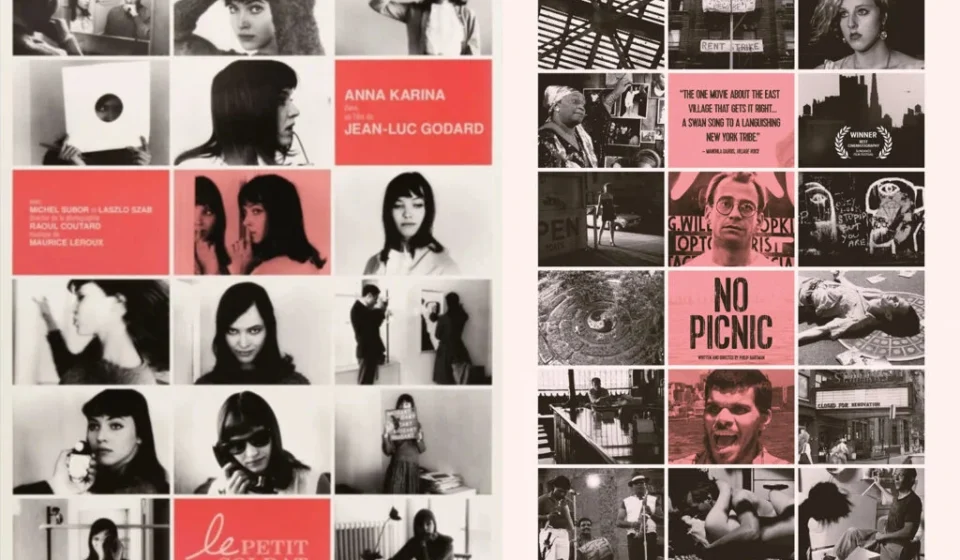
In the annals of New York independent cinema, few stories are as improbable—or as heartwarming—as the recent reclamation of Phil Hartman’s No Picnic. A gritty, noir-inflected punk comedy filmed in the mid-1980s, the movie spent the better part of four decades languishing in the shadows, known only to a small circle of downtown cinephiles. Yet, in 2025, a perfect storm of archival serendipity, a city-wide longing for its own lost history, and a savvy theatrical rollout transformed this "lost" film into a legitimate box-office phenomenon.
A Product of the Downtown Zeitgeist
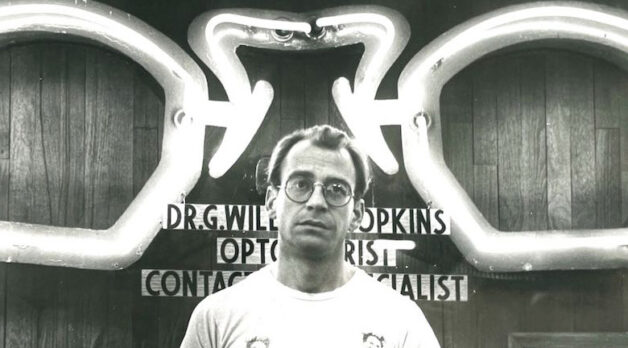
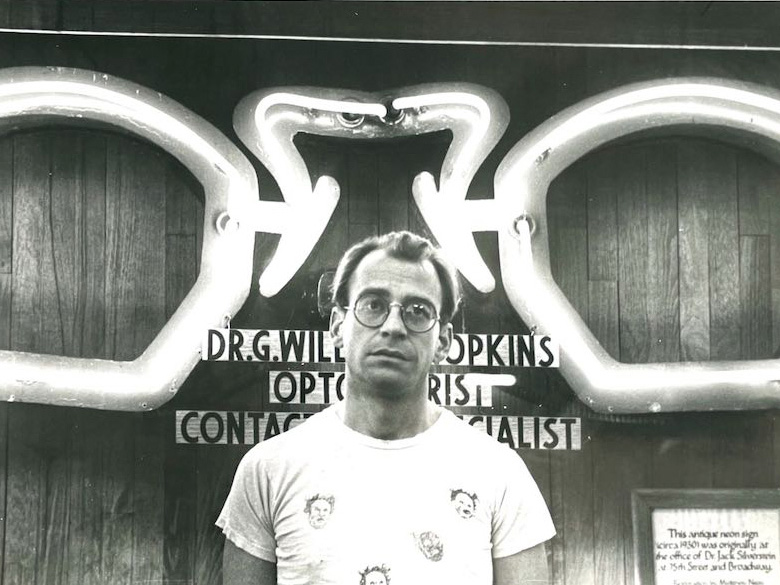
To understand No Picnic, one must understand the New York of 1985. Phil Hartman was not primarily a filmmaker; he was a restaurateur, the co-founder of the beloved Cajun-inspired NoHo haunt, the Great Jones Cafe. Using the profits from his bar, Hartman set out to capture the lightning-in-a-bottle energy of the Lower East Side—a neighborhood then caught in the agonizing transition between the countercultural frontier of the 1960s and the aggressive, real-estate-driven gentrification that would eventually define it.
The film, photographed on lustrous 16mm black-and-white stock by the experimental luminary Peter Hutton, serves as an ethnographic document of a disappearing world. It is an episodic ramble through the "East Village"—a term Hartman notes was a realtor’s invention—populated by a cast that feels like a cross-section of the era’s bohemian elite. Before they were household names, actors like Luis Guzmán and Steve Buscemi populated the frame, while the legendary musician Richard Hell made a memorable appearance as an irate neighbor.
The narrative centers on Mac, played with wistful, self-aware charm by David Brisbin. A 30-something former musician who scrapes by servicing jukeboxes and cigarette machines, Mac is a man out of time. He is a relic in a neighborhood where the rent is rising, the familiar dive bars are closing, and the very ground beneath his feet is being auctioned off to the highest bidder.
A Chronology of Obsolescence and Discovery
The production of No Picnic was as idiosyncratic as the film itself. Completed in 1987 with backing from Wim Wenders’s Gray City Films and, eventually, funds from Hartman’s new venture, Two Boots Pizza, the film initially showed promise. It premiered at the 1987 Sundance Film Festival, where it secured the Cinematography Award.
However, the film’s momentum stalled. A plan to open the film at the historic St. Mark’s Cinema—which appears on-screen in the movie—evaporated when Gray City folded. It was only through the grace of Jonas Mekas, the godfather of American avant-garde film, that No Picnic found a temporary home at the Anthology Film Archives. Despite a rave review from critic Manohla Dargis, who dubbed it "a valentine to a neighborhood under siege," the film slipped into a long, quiet hibernation.
For 35 years, the film existed as a phantom. It was relegated to VHS and DVD copies on the shelves of the Two Boots Video Store, a local landmark that eventually closed in 2008. The film was effectively invisible to the public, a secret kept by the neighborhood that birthed it.
The "jump cut" to 2025 arrived through a network of personal connections. Hartman, still friends with the family of The Little Fugitive director Morris Engel, was introduced to archivist Mary Engel. She connected him with Jake Perlin, the founder of The Film Desk, a company dedicated to restoring and exhibiting neglected cinema. Perlin, who had been a student of the film’s DP, Peter Hutton, recognized the film’s immense cultural value.
The Restoration and the Box Office Surge
Under Perlin’s supervision, No Picnic was restored and premiered at the Museum of Modern Art’s "To Save and Project" series. The reception was electric. When the film was offered to Film Forum’s repertory director Bruce Goldstein, he was initially skeptical of taking a chance on an unknown title. He was eventually convinced by the tenacity of his programming team to grant it a limited run.
The result was an unqualified success. Opening in April 2025, No Picnic defied the odds. It sold out nearly every screening, grossing over $28,000 in its first week and $16,000 in its second. By the end of its twelve-week run, it had grossed $123,000—outperforming established classics like Federico Fellini’s 8½ and Akira Kurosawa’s The Seven Samurai.
The "Terroir" of a Lost New York
The implications of the film’s success are manifold. Critics and audiences alike have struggled to define why a low-budget, 40-year-old film resonates so deeply with modern audiences.
Producer Christine Vachon, who worked on the film as an assistant sound editor, believes the film functions as a "perfect time capsule that in a funny way has folded back onto this time." The film captures a pre-digital, pre-Starbucks era where community was maintained through fire escapes, window-to-window chats, and local haunts.
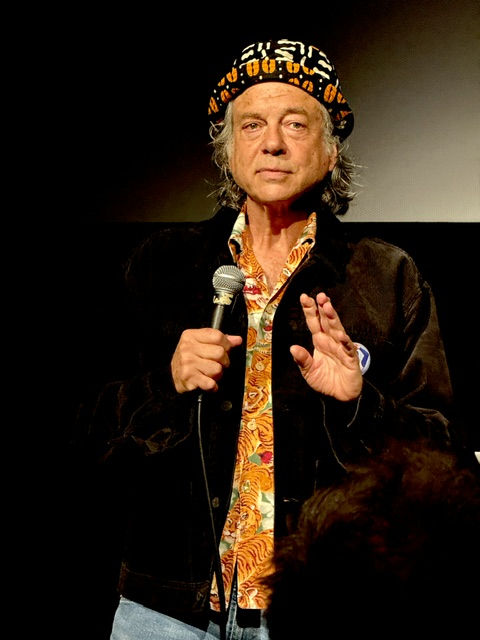
For younger generations, such as filmmaker Meg Aubry, the film serves as an essential education. "We don’t really know the grounds we’re stomping on," Aubry notes. For these viewers, No Picnic is not merely a movie; it is a primary source document for a city that no longer exists.
However, the film is not a dry historical lecture. It remains, as its creator intended, a "parody noir" that possesses a sharp, self-deprecating wit. Its central theme—the struggle to maintain creative integrity and a sense of home in an increasingly unaffordable urban landscape—is as evergreen as it is painful.
Official Reflections
In a recent interview, Phil Hartman reflected on the irony of his film’s success. "You talk about terroir for a wine," Hartman said. "I feel like there’s a terroir to No Picnic. You can feel the earthiness of the East Village and the rubble, the empty lots, the abandoned buildings."
He views the long hiatus as a bizarre form of marketing. "It had time to ferment. It’s marketing genius to create something and then keep it a secret for 40 years."
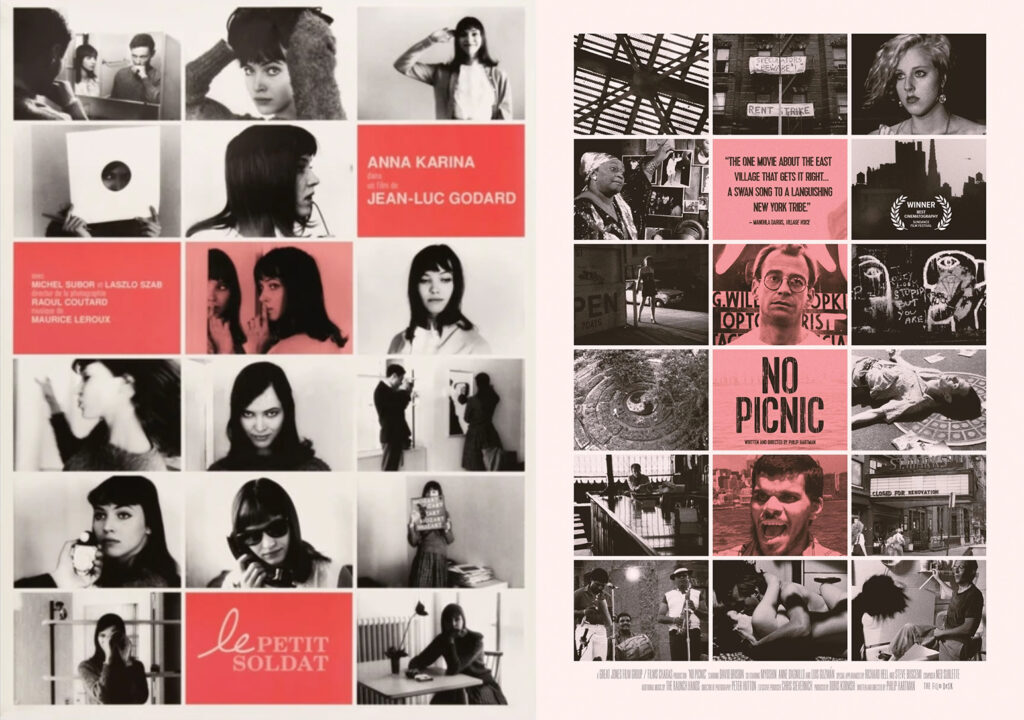
Manohla Dargis, who remains one of the film’s most ardent champions, notes that the current fascination with the film is rooted in the "familiar, relatable issue of affordability." The film captures the exact moment the tide turned against the artist-class of the Lower East Side, and it provides a mirror for the contemporary struggle in cities like New York, London, and Berlin.
A Legacy Reclaimed
The success of No Picnic represents more than just a successful repertory run. It signals a shift in how we value independent film history. In an era of infinite digital content, there is a renewed hunger for the tangible, the analog, and the authentic.
As David Brisbin noted in correspondence regarding the film’s resurgence: "Young people in the East Village now have a sense they missed something and want to know what that time was like. Old folks like me like to remember their youth."
No Picnic has transitioned from a discarded fragment of the 1980s to a vital touchstone of urban identity. It reminds us that while cities are in a constant state of flux, the human desire for community, art, and a place to call home remains, against all odds, the same. By documenting the end of an era, Hartman and his collaborators accidentally created a bridge to the future, proving that even a film buried for four decades can find its audience when the timing—and the hunger for truth—is right.