The Rhyme Behind the Mask: Tom Hardy Officially Unveils His Hip-Hop Alter Ego, Frankie Pulitzer

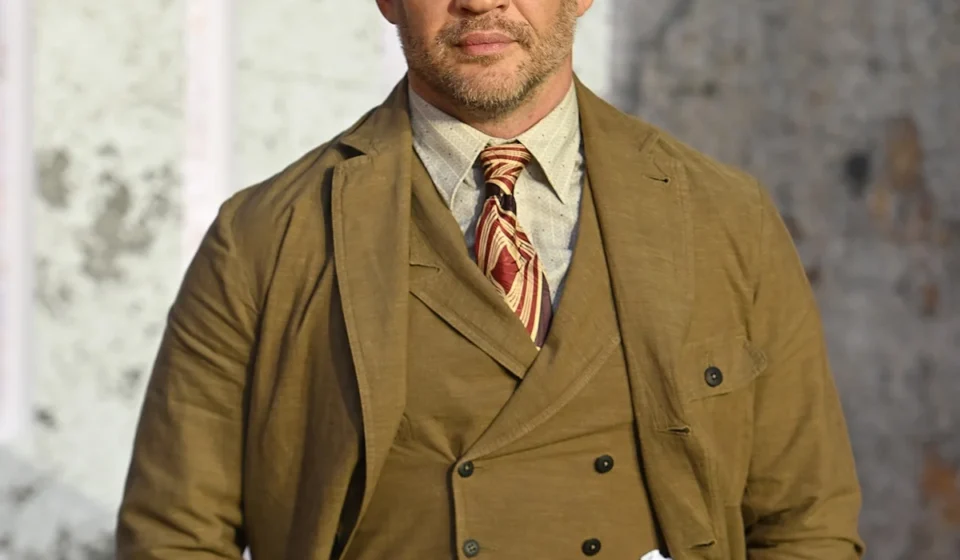
In a move that has sent shockwaves through both the cinematic landscape and the underground hip-hop community, Hollywood heavyweight Tom Hardy has officially transitioned from the silver screen to the recording booth. On August 28, the Venom and Mad Max: Fury Road star unveiled his debut rap album, Czarface Meets Frankie Pulitzer, marking a formal entry into the music industry under the gritty, meticulously crafted persona of "Frankie Pulitzer."
Collaborating with the acclaimed hip-hop collective Czarface—a group synonymous with boom-bap authenticity and comic-book-inspired lyricism—Hardy’s 15-track project is far more than a vanity experiment. It is a dense, referential, and technically proficient body of work that reveals a lifelong obsession with the craft of rap, a passion that has simmered in the shadows of his acting career for over two decades.
The Genesis of Frankie Pulitzer: A New Sonic Identity
The release of Czarface Meets Frankie Pulitzer is a testament to Hardy’s commitment to immersion. By adopting the alias "Frankie Pulitzer," the 48-year-old actor effectively detaches himself from the global celebrity of his film persona, allowing him to navigate the hip-hop medium with a level of anonymity that lends credibility to the project.
The album is a sonic tapestry, blending Czarface’s signature gritty, golden-era production with Hardy’s rhythmic flow. The project boasts an impressive roster of industry titans, featuring collaborations with rap heavyweights such as Busta Rhymes, Method Man, and EL-P. These inclusions underscore the seriousness with which the music industry has received Hardy’s project; these are not mere cameos, but calculated artistic endorsements of Hardy’s ability to hold his own against genre legends.
A Chronology of the Craft: From "Tommy No. 1" to the Mainstage
While the August release serves as the official public debut of Frankie Pulitzer, the seeds for this career move were sown long before the red carpets and blockbuster franchises.
The 1990s Underground Roots
Hardy’s foray into hip-hop dates back to his teenage years. In a 2011 interview with the BBC, the actor candidly reflected on his early attempts at rapping. "I started out rapping when I was 14 or 15," he admitted. "Because I come from a nice middle-class neighborhood, it was a very hard sell. And I wasn’t very good!"
Despite his self-deprecation, Hardy was prolific. In 2018, the public received a rare glimpse into this formative period when former music producer Edward Tracy released a 1999 mixtape titled Falling on Your Arse. The project, recorded under the monikers "Eddie Too Tall" and "Tommy No. 1," showcased a raw, unpolished, but undeniable enthusiasm for lyricism. The emergence of these tracks confirmed that for Hardy, the recording booth was a space of creative sanctuary long before he became a household name.
The "Quiet" Evolution
Between his 1999 experiments and the 2024 launch of Czarface Meets Frankie Pulitzer, Hardy maintained a discreet relationship with music. He often hinted that his rapping was a vital part of his character development process. "I’ve got albums, man," he told the BBC. "My best friend, Peanut, he grew up in the south Bronx. He’s a very good MC and we still play. It’ll come out in a film one day, it’ll come out in a character somewhere."
This prophecy proved accurate. Fans have long speculated about the musicality underlying his intense performances, and Czarface Meets Frankie Pulitzer acts as the culmination of years of private refinement, demonstrating that his musical evolution was a deliberate, slow-burn process rather than a sudden pivot.
Lyrical Analysis: When Cinema Meets Hip-Hop
The most compelling aspect of Czarface Meets Frankie Pulitzer is the intersection of Hardy’s two worlds. The album is saturated with pop-culture references, acting as a meta-commentary on his own filmography and the broader landscape of modern media.
Cinematic Intertextuality
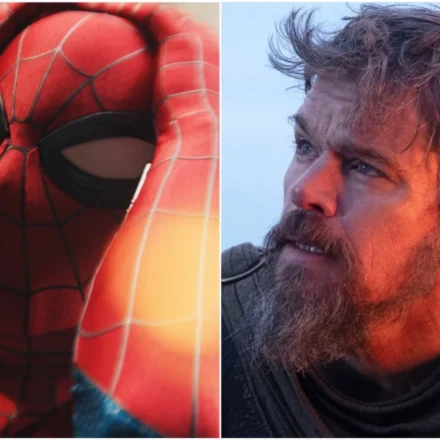
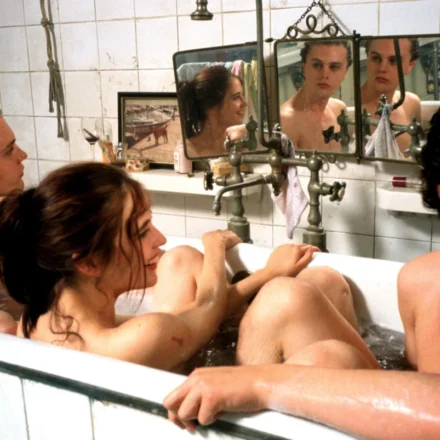
In the track "Raw Forever," Hardy bridges the gap between his craft and his fandom, dropping lyrical references to his Spider-Man: No Way Home co-star Willem Dafoe. The track also pays homage to Martin Scorsese’s 1999 thriller Bringing Out the Dead, grounding the song in the gritty urban aesthetic that defines both the film and the hip-hop genre.
Further displaying his penchant for literature, the track "Mad Technology" incorporates thematic elements and direct references to the works of Stephen King. This is not merely name-dropping; it is an integration of narrative structure into the flow of the music, proving that Hardy views rapping as a form of storytelling akin to scriptwriting.
The Shakespearean Twist
Perhaps the most notable moment on the album occurs in the track "Grim-Visaged War." In a display of theatrical prowess, Hardy recites passages from William Shakespeare’s Richard III. However, he delivers these lines in the guttural, menacing vocal cadence he famously used to portray the villain Bane in Christopher Nolan’s The Dark Knight Rises (2012). This moment is a brilliant synthesis of his disparate identities—the classically trained actor, the blockbuster icon, and the burgeoning rapper—coalescing into a singular, haunting performance.
Artistry and Pop Culture
Hardy’s lyrical range extends into the meta-referential. In the track "Gnawing at My Rhyme Like a Poisonous Rat," he weaves in the iconic Titanic quote, "draw me like one of your French girls," while simultaneously referencing Leonardo DiCaprio’s artistic process. The lyric—"You act amused like DiCaprio scratching his pencils to capture your figure"—demonstrates a playful awareness of his place within the Hollywood ecosystem, using it to build a bridge to his audience.
Implications for the Industry and the Artist
The arrival of a Hollywood A-lister in the hip-hop scene often invites skepticism. Critics frequently argue that such transitions are superficial or lack the necessary "struggle" associated with the genre’s origins. However, Hardy’s approach—utilizing a pseudonym, collaborating with respected underground artists like Czarface, and focusing on technical lyricism—deflects many of these common criticisms.
Redefining the "Celebrity Side-Hustle"
Hardy’s strategy serves as a blueprint for how actors can engage with secondary art forms without compromising their primary identity. By separating the man (Tom Hardy) from the artist (Frankie Pulitzer), he avoids the "actor-turned-rapper" cliché that has stifled similar attempts in the past. This project suggests a shift in how audiences consume celebrity art: we are no longer looking for a star to be a version of themselves, but rather, we are invited to witness the full breadth of their creative expression.
The Future of Frankie Pulitzer
The critical question moving forward is whether "Frankie Pulitzer" will remain a one-off collaboration or if it will evolve into a sustained musical career. Given the depth of the project and the positive reception from his collaborators, the infrastructure for a long-term musical project is firmly in place.
Hardy has effectively proven that his artistic ambitions are not confined to the screen. By choosing to release this music, he has invited his fans into the private, rhythmic world he has inhabited for decades. Whether as an actor or as an MC, Hardy has shown that he is not merely a performer, but an interpreter of the human experience—whether that experience is captured through a lens or a microphone.
Conclusion: A Multi-Hyphenate Legacy
Tom Hardy’s debut as Frankie Pulitzer is a fascinating case study in artistic evolution. It serves as a reminder that the lines between creative disciplines are increasingly porous. By blending the high-brow influence of Shakespeare with the street-level grit of boom-bap hip-hop, Hardy has created a body of work that is as intellectually stimulating as it is musically engaging.
As the industry continues to digest this surprise release, one thing remains clear: Tom Hardy is a man of many masks, and with the launch of his rap career, he has proven that behind every character, there is a voice waiting to be heard. Czarface Meets Frankie Pulitzer is not just a debut album; it is the realization of a lifelong ambition, proving that for Hardy, the rhythm has always been there—he was just waiting for the right beat to drop.