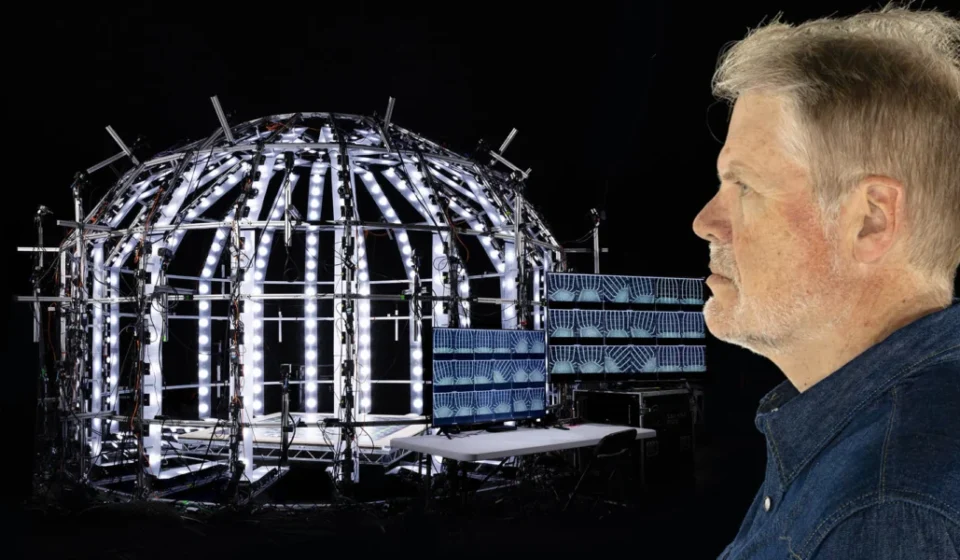

In the high-stakes world of modern visual effects, the gap between the physical performance on set and the final digital render has never been more critical. As audiences demand increasingly photorealistic characters and immersive environments, production pipelines have shifted from purely creative endeavors to complex data-management operations. At the center of this evolution is Clear Angle Studios, a company that has quietly transitioned from a specialized scanning service provider to an indispensable pillar of the global VFX infrastructure.
From their sprawling operations at Pinewood Studios in the UK to remote locations across the globe, Clear Angle is bridging the chasm between reality and digital reconstruction. Through a blend of high-fidelity LiDAR, volumetric capture, and cutting-edge neural rendering, the company is fundamentally altering how data is captured, processed, and utilized in post-production.
Main Facts: The Evolution of Capture
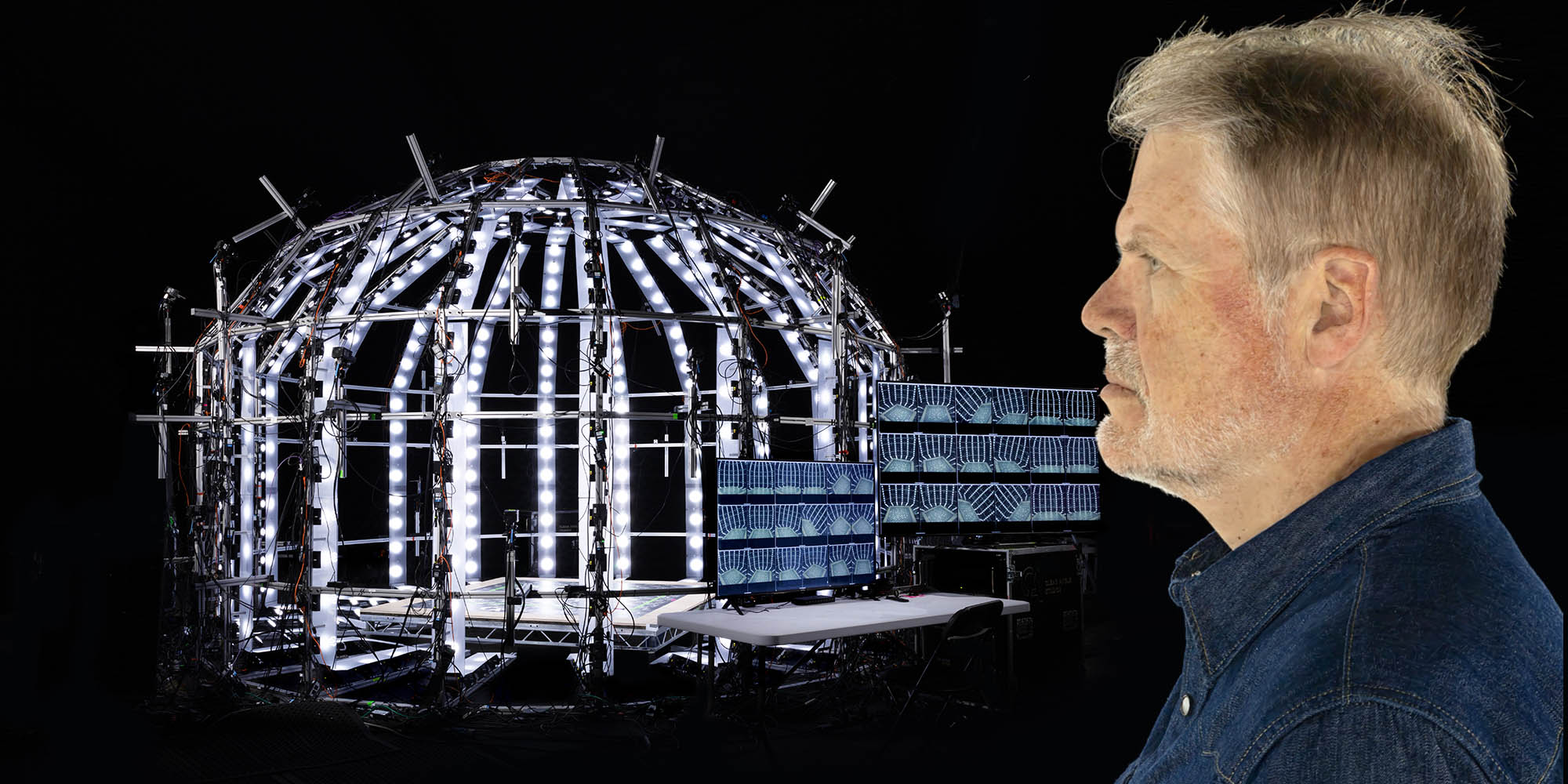
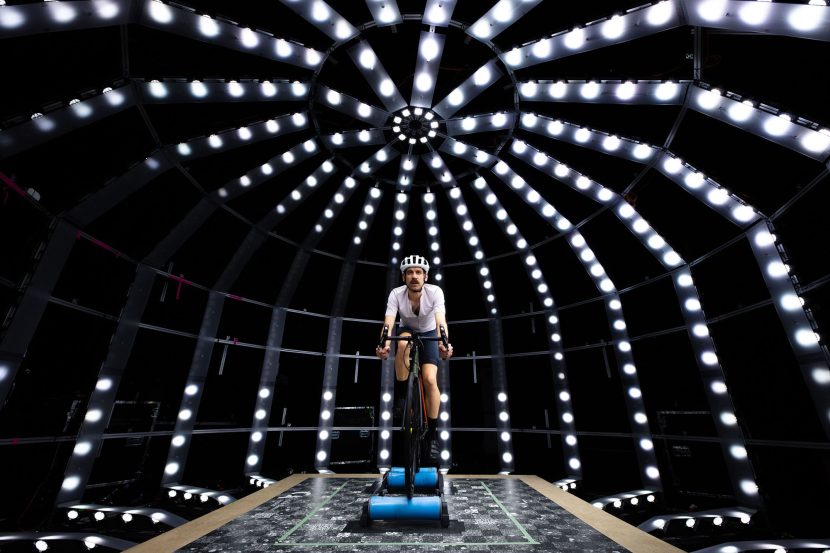
Clear Angle Studios has become synonymous with precision. While the industry initially sought them out for basic 3D body scans, the company now operates a sophisticated ecosystem of 18 global rigs. These systems—ranging from 24-camera arrays for static geometry to the massive 40-camera Volumetric Capture Rig (VCR)—serve as the backbone for high-end feature film and episodic television pipelines.
The core philosophy at Clear Angle is that data capture is not a static process; it is a dynamic conversation between physical lighting, complex surface geometry, and the downstream needs of digital artists. Whether it is a full-body scan at Pinewood or an exterior LiDAR survey of an Icelandic landscape, the goal remains the same: to provide the raw fidelity required to sustain the "final 20 percent" of a visual effect—the nuances of skin, hair, and reflection that determine the believability of a shot.
Chronology: From Static Geometry to Neural Realism
The trajectory of Clear Angle mirrors the maturation of the VFX industry itself.
- The Early Years: The focus was primarily on traditional photogrammetry—taking a set of static photos and converting them into a clean, geometric mesh. This was the era of "rebuilding" actors in 3D space.
- The 4D Revolution: With the introduction of rigs like the "Dorothy" head capture system, Clear Angle began moving into 4D capture. By leveraging FACS (Facial Action Coding System) poses, the company allowed for the recording of temporal performance, capturing the non-linear way skin shifts during speech and expression.
- The Integration of DI4D: More recently, the firm integrated DI4D technology, specifically their TopoTrack systems. This was a watershed moment, allowing for consistent topology and texture correspondence over time—a prerequisite for high-end digital doubles that don’t "break" when they move.
- The Neural Frontier: Today, the company is pioneering the use of radiance fields and Gaussian splatting. By moving away from the traditional "mesh-only" workflow, Clear Angle is using neural rendering to capture scenes exactly as the cameras see them, overcoming the historical hurdles of hair, transparency, and complex light refraction.
Supporting Data: The Technical Architecture
To understand the scale of Clear Angle’s influence, one must look at their hardware ecosystem. The VCR (Volumetric Capture Rig) is a prime example of modern production engineering. Utilizing 40 machine-vision cameras equipped with high-sensitivity Sony sensors, the rig is capable of synchronized, high-frame-rate capture that is specifically tuned for Gaussian splatting.
Unlike older systems that struggled with the "uncanny valley" of digital human hair or translucent fabrics, the VCR treats the subject as a light-field-aware entity. Jamie Hearing, Digital Effects Supervisor at Clear Angle, notes that this approach is vital because it preserves the raw light interaction data. "When you rely on traditional meshes, you often lose the micro-reflections and light-scattering properties that define a human face," Hearing explains. "By capturing the scene via neural rendering, we provide the artist with a ground-truth reference that is far more accurate than any manually sculpted CG asset."
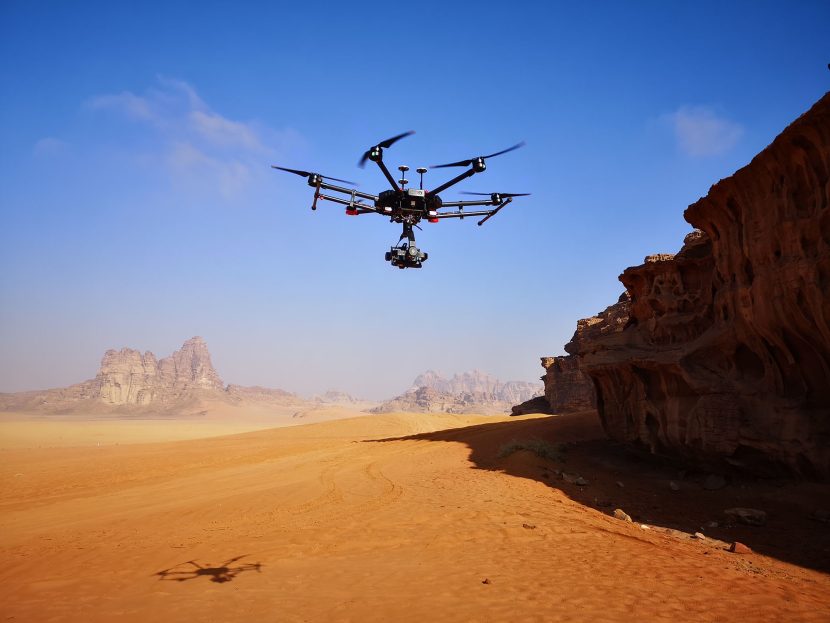
The environment work, too, relies on a data-first approach. In projects requiring expansive exterior shots, Clear Angle deploys a multi-modal capture strategy:
- LiDAR: For absolute spatial accuracy.
- Drone Photogrammetry: For high-altitude coverage and topography.
- Aerial/Ground-Level Imaging: For high-resolution texture mapping.
This multi-layered data is then synthesized into a single, massive environment asset that serves as the foundation for both physical set extensions and digital matte painting.
Official Perspectives: The Philosophy of Jamie Hearing
In a recent discussion, Jamie Hearing reflected on his path from Bournemouth University to his current role as a Digital Effects Supervisor. His career, which included a stint in character work at the renowned VFX house DNEG, provides him with a unique vantage point: he speaks the language of both the scanner and the artist.
Hearing emphasizes that Clear Angle’s growth is not driven by the desire to "automate" VFX, but to provide artists with better ingredients. "There is a misconception that scanning replaces the artist," Hearing says. "In reality, it frees the artist from the technical drudgery of creating basic geometry. When we provide a perfect 4D capture of a performance, the animator doesn’t have to guess where the facial muscles moved. They have the truth of the performance right there in the data."
This sentiment is echoed in the company’s recent pivot toward providing training data for machine-learning (ML) pipelines. As AI-assisted VFX workflows become the industry standard, the demand for high-quality, controlled, "clean" data has skyrocketed. Clear Angle is positioning itself as a "data refinery"—taking the raw input of the real world and cleaning it into the high-octane fuel needed for neural-driven rendering engines.
Implications: The Future of the VFX Pipeline
The implications of Clear Angle’s work extend far beyond the immediate gains in production efficiency. We are witnessing the end of the "re-creation" era and the beginning of the "re-rendering" era.
1. The Death of the "Re-creation" Guesswork
Historically, VFX artists spent months "sculpting" an actor’s digital double. By utilizing 4D capture and neural reconstruction, the industry is moving toward a workflow where the digital double is essentially a clone of the performance, derived directly from the physical capture. This drastically reduces the time required for iteration and approval.
2. The Rise of Neural-Ready Assets
As more studios adopt Gaussian splatting and NeRF (Neural Radiance Fields), the traditional asset delivery format (OBJ or FBX files) may eventually become secondary to volumetric radiance fields. Clear Angle’s foresight in aligning their capture rigs with these new technologies ensures that their clients are future-proofed against shifting rendering standards.
3. Democratizing High-Fidelity
While the hardware is specialized, the data it produces is increasingly accessible to mid-sized VFX houses. By providing these assets as a service, Clear Angle allows smaller studios to produce content that rivals the quality of major blockbusters. This levels the playing field, allowing creative vision to take precedence over the budget required to build massive in-house capture teams.
4. The Data-Driven Production Culture
Perhaps the most significant change is the cultural shift on set. Clear Angle’s presence has changed how directors and DPs view the "physical" set. It is no longer just a backdrop for the camera; it is a capture environment. The metadata gathered during these sessions—lighting information, sensor data, spatial mapping—is now considered as vital as the primary camera footage.
Conclusion
Clear Angle Studios is no longer merely a company you call for a "scan." They are a fundamental component of the modern digital production stack. By sitting at the intersection of traditional VFX craft, physical capture, and the burgeoning field of neural rendering, they are ensuring that as the industry moves toward a more complex, AI-driven future, the foundation—the data—remains grounded in reality. As we look toward the next generation of cinema, it is clear that the companies that win will not be those that can render the fastest, but those that can capture the truth of the world with the greatest fidelity. Clear Angle is currently leading that charge.