From Tennis Prodigy to Pickleball Pro: Why ‘The Dink’ Has Become Apple TV’s Biggest Summer Smash

In an era dominated by high-octane blockbusters, sprawling multi-season fantasy epics, and grim, hyper-realistic dramas, there is a burgeoning hunger among audiences for the "gentle watch." It is a sentiment that has propelled director Josh Greenbaum’s latest feature, The Dink, to the top of the Apple TV+ charts. Since its mid-July debut, the 103-minute sports comedy has defied the typical metrics of streamer longevity, consistently maintaining the number one spot on the platform’s daily top 10 lists throughout August 2026.
But what is it about this specific blend of athletic hubris and low-impact sport that has captured the zeitgeist? The answer lies in a winning combination of stellar performances, a sharp, subversive script, and a tonal balance that favors a warm smile over the exhaustion of a constant belly laugh.
The Premise: A Fall from Grace on the Court
At the center of The Dink is Dustin Boyd, played by Jake Johnson in what critics are calling his most vulnerable and resonant performance since his acclaimed work in the 2017 indie darling Win It All.
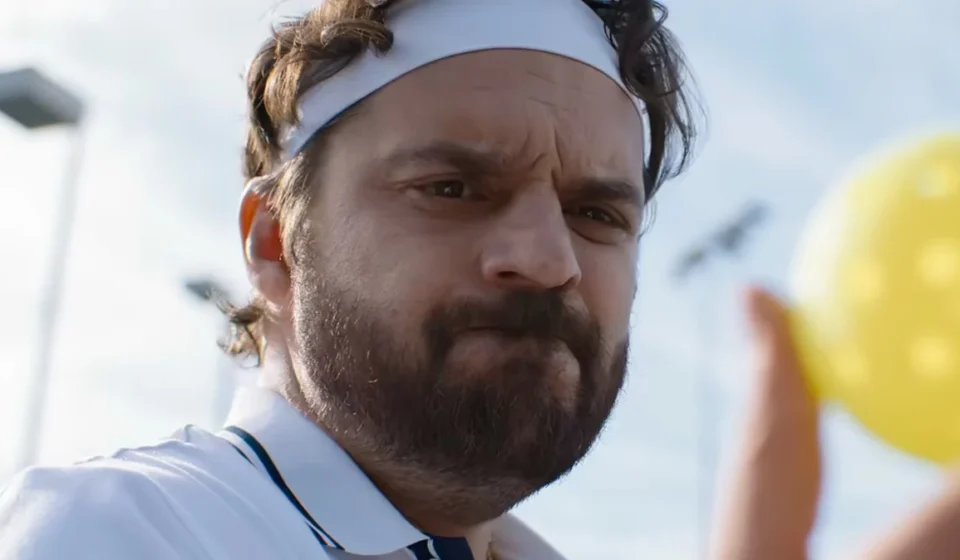
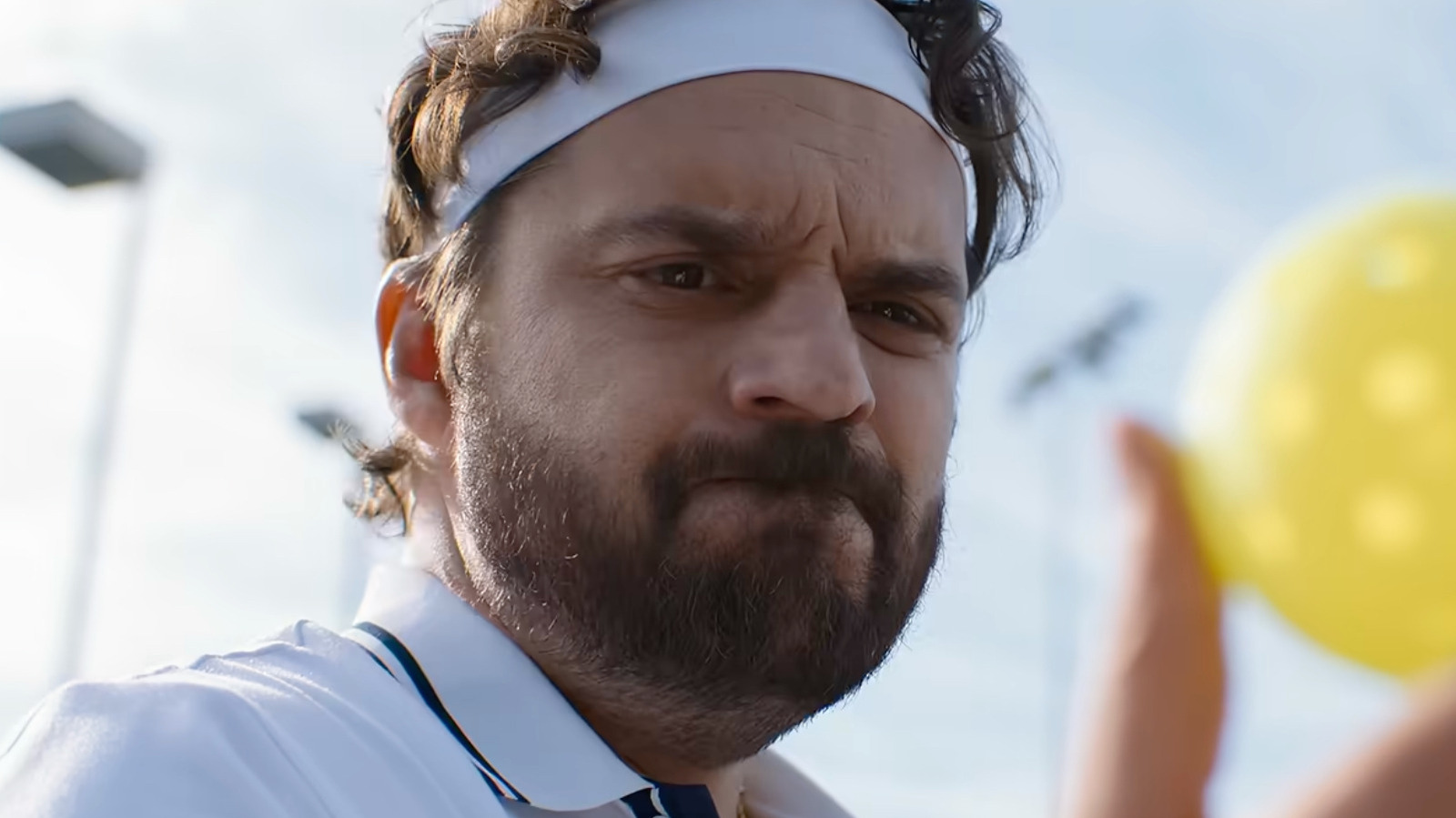
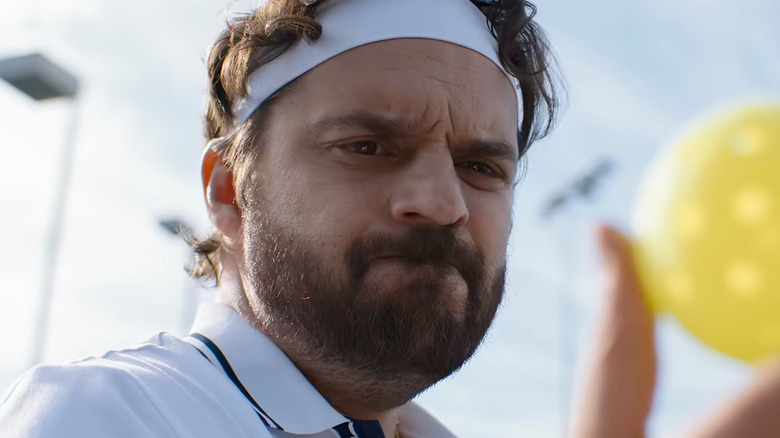
When we first meet Dustin, he is a man defined entirely by his ego. Known on the professional circuit as "The Hammer," he is a tennis prodigy whose abrasive, "aggro" antics are as famous as his serve. However, his volatile playing style proves to be his undoing. A severe wrist injury brought on by his own stubborn intensity forces a sudden, humiliating end to his professional career.
The film shifts gears as Dustin is forced to return to the world he once looked down upon: his father’s country club. The role of the father is masterfully inhabited by Ed Harris, who portrays a man whose disappointment in his son is palpable and suffocating. For Dustin, the club is a purgatory—a reminder of his failure to meet his own sky-high expectations.
The narrative catalyst occurs when Dustin, desperate to prove his worth, enters a local tournament intended to determine the future of pickleball at his father’s facility. In a cruel twist of irony, he re-injures his wrist, necessitating a period of forced recovery. Enter Ben Stiller, appearing as the deadpan, pragmatically inclined doctor who prescribes the "low-impact" alternative to tennis: pickleball.
Chronology of a Viral Success
The rise of The Dink was not an overnight explosion, but rather a steady, organic ascent that highlights the power of word-of-mouth in the streaming age.
- Mid-July 2026: The Dink premieres on Apple TV+ with minimal fanfare but strong internal buzz regarding the ensemble cast.
- Late July 2026: Within its first ten days, the film cracks the top 5 on FlixPatrol’s daily streaming charts for the United States, signaling that the "feel-good" marketing campaign is resonating with subscribers.
- Early August 2026: As reviews begin to praise the chemistry between Johnson and co-star Mary Steenburgen, the film secures the number one position, successfully fending off new releases from major competitors.
- Late August 2026: Industry analysts confirm that the film has achieved the highest "completion rate" for a comedy on the platform to date, suggesting that viewers are not only clicking on the title but watching it through to the end—and often returning for repeat viewings.
The Chemistry of an Unlikely Duo
While the plot follows the structural blueprints of the traditional "underdog sports movie," the heart of the film is found in the relationship between Dustin and Candace, played by the incomparable Mary Steenburgen.
Steenburgen, an Academy Award winner with a career spanning decades of diverse roles—from the eccentric tap-dancer in Melvin and Howard to her recent turn in The Dink—brings a grounded, effortless warmth to the role of a recently divorced woman looking for a new lease on life. Her character provides the perfect foil for Johnson’s frayed, high-strung intensity.
Their "will-they-or-won’t-they" dynamic avoids the tired clichés of romantic comedies. Instead, it evolves into a genuine partnership rooted in mutual respect and the shared absurdity of their situation. For Johnson, this role represents a evolution from the manic energy of New Girl’s Nick Miller. Here, he is allowed to be messy, broken, and ultimately, relatable, showcasing a nuanced range that suggests he is currently operating at the peak of his craft.
Supporting Cast and Creative Direction
The success of The Dink is further bolstered by a deep bench of comedic talent. The film features appearances by Aaron Chen, Chloe Fineman, Patton Oswalt, Cleo King, Lennon Parham, and Chris Parnell. Furthermore, the inclusion of Lynne Marie Stewart—beloved by generations for her portrayal of Miss Yvonne in Pee-wee’s Playhouse—adds a layer of nostalgic charm that has been widely celebrated by the film’s multi-generational audience.
Director Josh Greenbaum, who previously helmed the vibrant, highly stylized Barb and Star Go to Vista Del Mar, brings a different approach here. While Barb and Star was a kaleidoscopic explosion of color and surrealist humor, The Dink is more restrained. Greenbaum demonstrates a clear understanding of the "pickleball aesthetic," finding humor in the sport’s specific mechanics without ever turning the sport itself into the butt of the joke. He treats the action with the same reverence as a high-stakes tennis match, which only amplifies the comedic contrast when the players occasionally struggle with the smaller court and the lighter plastic ball.
Industry Implications: The Rise of the "Cozy" Stream
The massive success of The Dink provides a fascinating case study for streaming platforms in 2026. Data suggests that subscribers are experiencing "content fatigue" regarding high-stakes, high-budget dramas that require significant emotional and intellectual investment.
By contrast, films like The Dink serve as a "comfort watch"—a category previously occupied by cable television syndication hits. Apple TV’s decision to acquire and promote a mid-budget, character-driven comedy appears to be a calculated shift in strategy. By prioritizing projects that offer a pleasant, low-stress viewing experience, Apple has successfully increased its platform’s stickiness.
Industry analysts are already predicting a pivot among major studios, with several executives looking to replicate the "Greenbaum model": lower budgets, high-concept hooks (like the pickleball craze), and A-list comedic talent allowed to play against their typical archetypes.
Conclusion: Why We Need the Dink
In his review of the film, one critic noted that while he personally finds pickleball to be "human ping-pong," the film is undeniably "adorable." This sentiment captures the essence of The Dink’s appeal. It does not demand that you care about the sport; it demands that you care about the people playing it.
It joins the ranks of other "gentle treasures"—films like Bill Forsyth’s Local Hero or Bonnie Hunt’s Return to Me—that prioritize humanity over high-concept spectacle. As the summer of 2026 draws to a close, The Dink remains a testament to the fact that when you give a talented cast a sharp, witty script and a director who understands the value of a warm, human moment, audiences will show up in droves.
Whether you are a pickleball enthusiast or someone who has never stepped foot on a court, the film offers a rare, refreshing experience: the simple joy of watching talented people find their footing—one dink at a time.