The Architecture of Desire: Georgia Bernstein’s Night Nurse and the New Subversive Cinema

In the landscape of contemporary independent film, where festivals like Sundance often drift toward the comfortable gravity of safe, narrative-driven dramas, Georgia Bernstein’s Night Nurse (2026) arrives as a jagged, provocative outlier. Premiering in the festival’s NEXT competition, the film is a masterclass in atmospheric dread and psychological entrapment. It is a work that feels less like a conventional story and more like a fever dream filtered through the lens of mid-century exploitation, European art-house sensibilities, and the cold, gray isolation of suburban Chicago.
The Premise: A Twisted Symbiosis
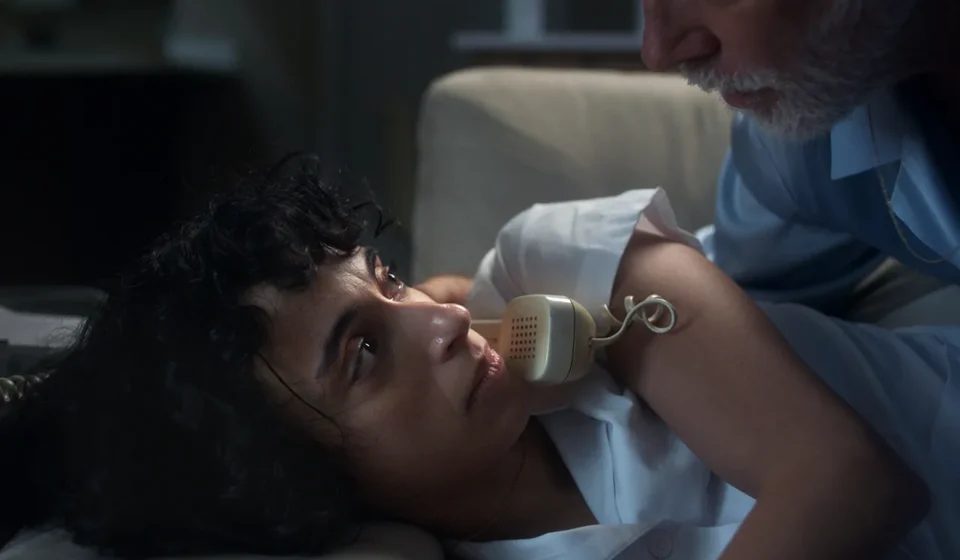
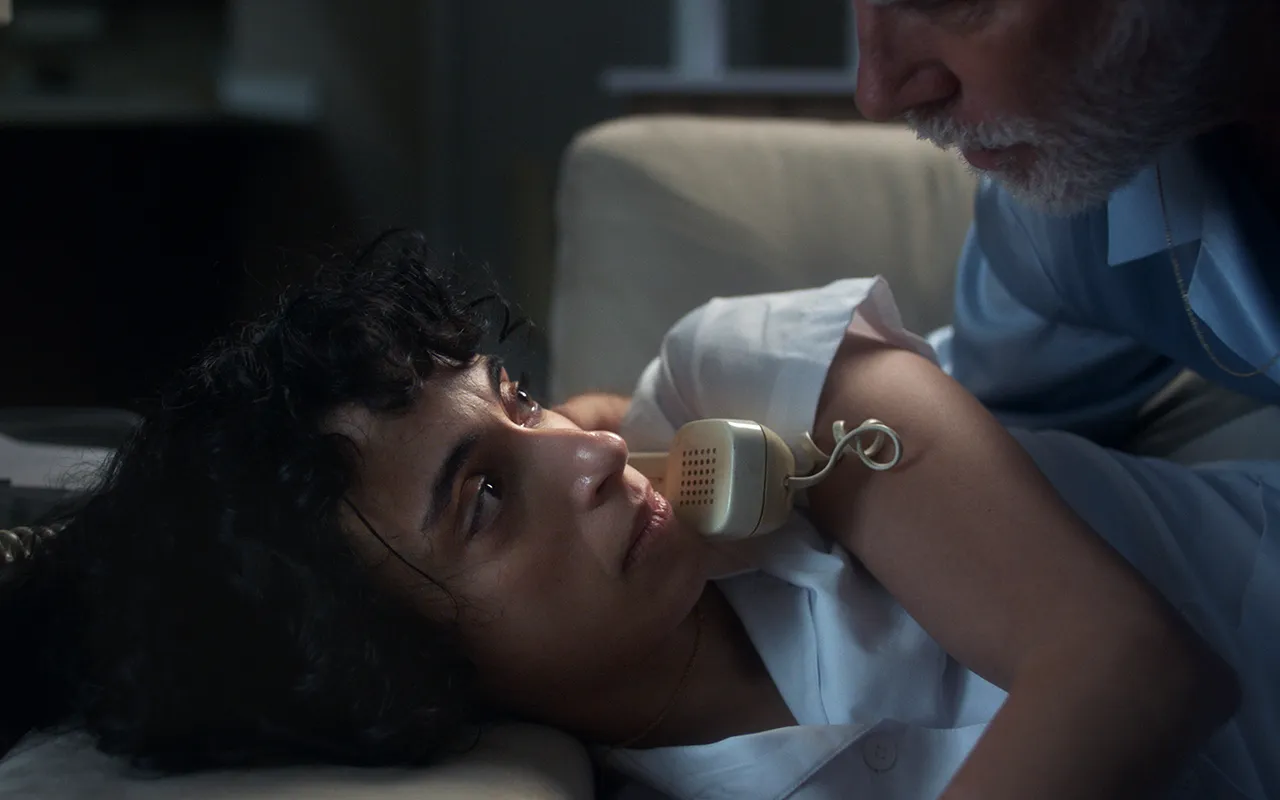
The film follows Eleni (Cemre Paksoy), a novice nurse beginning her tenure in a memory-care unit. Her nights are spent tending to Douglas (Bruce McKenzie), an elderly patient undergoing evaluation for early-onset Alzheimer’s. What begins as a clinical observation quickly devolves into a symbiotic, morally bankrupt partnership.
The pair discovers a shared thrill in orchestrating elaborate telephone scams, targeting other vulnerable elderly individuals by posing as desperate granddaughters in need of quick cash. This confidence game, however, is merely a vehicle for something darker. Bernstein explores the intersection of monetary gain and a perverse sexual charge, creating a power dynamic that constantly shifts. Is Eleni the caretaker or the predator? Is Douglas a victim of his own mind, or the puppet master manipulating the young woman’s desire to be "needed"?
Chronology of Production: From Classroom to Screen
The genesis of Night Nurse is as unorthodox as its narrative structure. Following her work producing Alex Phillips’ features—including Anything That Moves (2025)—Bernstein sought to bring her own vision to life, utilizing the community of filmmakers she had cultivated in Chicago.
The project found its legs in a collaborative academic setting. When producer Eddie Linker, a Chicago-based fixture, was scheduled to teach a course at Northwestern University, he opted to use Bernstein’s script as the class curriculum. The students, under the guidance of producers Linker and Veronica Barbosa, essentially functioned as a pre-production unit. They handled everything from LLC formation and budget drafting to tax credit applications. This "real-world" pedagogy allowed the production to bypass traditional hurdles, turning an academic endeavor into a sophisticated, professional-grade feature.
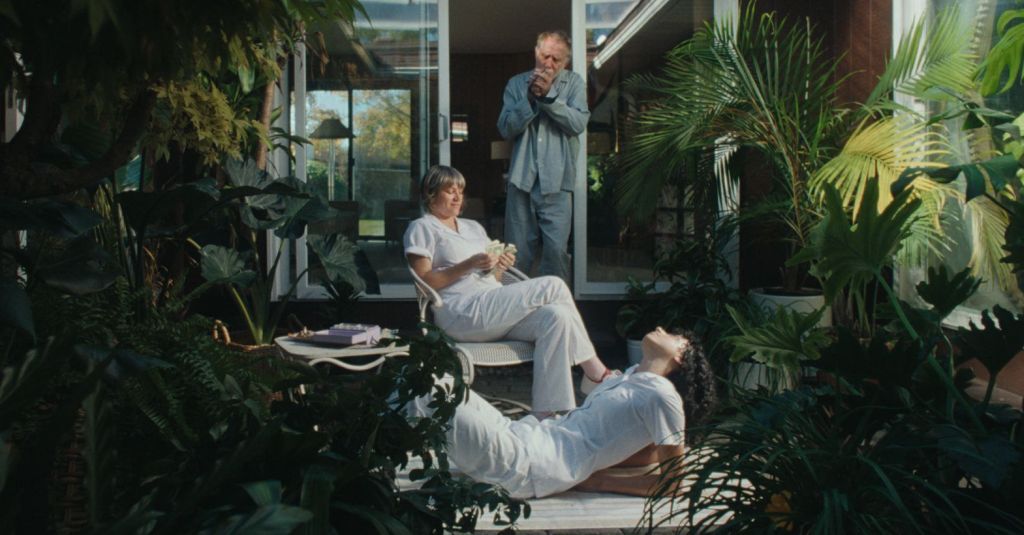
The filming process was equally intimate. Bernstein made the deliberate choice to shoot almost the entire film in her grandmother’s house. This decision was not merely financial; it was foundational to the film’s aesthetic. The house, with its dated wallpaper and stagnant, out-of-time atmosphere, became a character in its own right. By blocking scenes to match the physical layout of the home—moving from the atrium to the bedroom, then through the narrow hallways—Bernstein instilled a sense of claustrophobia that permeates every frame.
Supporting Data: Influences and Aesthetic Choices
Bernstein’s visual language is a conscious amalgamation of high-concept influences. While critics have drawn parallels to David Cronenberg’s Crash (1996)—specifically in its depiction of urban/suburban grayness and the psychosexual allure of technology—Bernstein leans heavily into the "Ballardian" dread of isolation.
The Cinematographic Gaze
Working with cinematographer Lidia Nikonova, whom Bernstein scouted online after seeing her work on the 2024 film Family Portrait, the director sought to subvert the traditional "male gaze." The film utilizes long, rhythmic takes, favoring the physical, mechanical weight of a dolly shot over the fluidity of a Steadicam. Bernstein describes the choice as intentional: "I really wanted the weight of the dolly, the camera’s ga-dunk on the dolly moving really slowly." This deliberate, glacial pacing forces the audience to sit with the discomfort of the characters’ moral compromises.
The Score as a Narrative Device
The sonic landscape of Night Nurse was crafted by Steven B. Jackson and Samm Clapp, frequent collaborators of Bernstein’s. The score functions as a loop, mirroring the nurses’ routine of walking patients in circles around the facility pool. By utilizing live-to-picture instrumentation—flute, violin, and piano—the score provides a haunting, rhythmic foundation that suggests the characters are trapped in a cycle from which there is no exit. The influence of Francis Ford Coppola’s The Conversation (1974) is evident, with melodies that are both melodic and unnervingly repetitive.
Official Perspectives: The Director’s Intent
In a wide-ranging interview ahead of the film’s July 10, 2026, release via IFC, Bernstein addressed the inevitable comparisons to the 1931 Barbara Stanwyck classic of the same name. She clarified that her film is not a remake but rather an homage to the "nurseploitation" genre of the 1970s, specifically citing Stephanie Rothman’s The Student Nurses (1970).
"I think what I love about [Atom] Egoyan is his pacing and his lighting," Bernstein noted during the discussion. "Both Exotica and The Adjuster are so perfectly paced. My DP and I also watched a lot of Lucrecia Martel, so I think that’s where the feeling of the film differs from Cronenberg. It has that perspective of me and my DP, who’s also a woman, and the ‘gaze,’ if you will, permeates the film."
When asked about the discomfort the film intentionally stirs, Bernstein pointed to the works of Catherine Breillat as her primary compass. "A lot of [Breillat’s] films are about the power that a young woman has… I was like, ‘What’s a newer way to do this?’ I thought, ‘Let’s push it to the extreme.’" By removing the conventional markers of power, Bernstein has created a space where the audience is left questioning the veracity of every interaction, particularly regarding Douglas’s cognitive state.
Implications: The Future of "Sister Movies"
The success of Night Nurse highlights a burgeoning trend in independent cinema: the "sister movie." Bernstein notes the thematic and tonal similarities between her film and Lucy Kerr’s Family Portrait. Both films utilize domestic spaces as sites of psychological upheaval, relying on atmosphere, humidity, and a lack of temporal clarity to unmoor the audience.
The film’s reliance on "out-of-time" aesthetics—using 1970s decor alongside modern landlines and an absence of smartphones—serves as a pointed critique of the "memory-care" industry. By stripping away the digital markers of the 2020s, Bernstein forces the audience to confront the core of human connection: the desperate, often toxic need to be needed.
As Night Nurse prepares for its wide release, it stands as a testament to the power of localized, collaborative filmmaking. It is a bold, uncompromising exploration of the human shadow, proving that the most terrifying horror often happens not in the dark, but under the sterile, flickering lights of a quiet room in the suburbs. Whether the audience embraces the film’s ambiguity or finds themselves repelled by its cold, clinical cruelty remains to be seen, but one thing is certain: Georgia Bernstein has announced herself as a formidable voice in the American independent landscape. The "something in the air" that she describes—that cross-continental flow of psychosexual tension from the UK to Toronto to Chicago—has found its newest, most potent vessel.