Echoes of the PlayStation Era: Why ‘Crow Country’ is the Modern Survival Horror Masterpiece We Needed

The landscape of modern gaming is often dominated by high-fidelity, open-world experiences that prioritize graphical fidelity and massive scale. However, there has been a palpable yearning among horror enthusiasts for the tactile, claustrophobic, and deliberate design of the 1990s. Following the recent buzz surrounding Resident Evil: Requiem, the appetite for "retro-styled" survival horror has reached a fever pitch. Enter Crow Country, a title that does not merely mimic the past but masterfully deconstructs and reassembles it to create an experience that feels both comfortingly familiar and chillingly new.
The Genesis of Terror: Main Facts and Premise
Set in the year 1990, Crow Country places players in the shoes of Mara Forest, a mysterious protagonist tasked with an unsettling mission: infiltrating the long-abandoned, titular theme park to locate its missing owner. What begins as a search-and-rescue operation quickly devolves into a desperate fight for survival.
The park, once a destination for joy and family outings, has been transformed into a nightmarish labyrinth of rot, decay, and supernatural entities. The game’s core loop is a love letter to the golden age of the genre. Players must navigate the derelict grounds, unlock restricted zones using specific keys, solve intricate environmental puzzles, and slowly piece together the dark, twisted history of the park through found documents and chilling cutscenes. It is a game that rewards the curious and punishes the reckless, demanding the same level of environmental awareness that defined the seminal Resident Evil and Silent Hill titles.
A Visual Tapestry: The Aesthetic Evolution
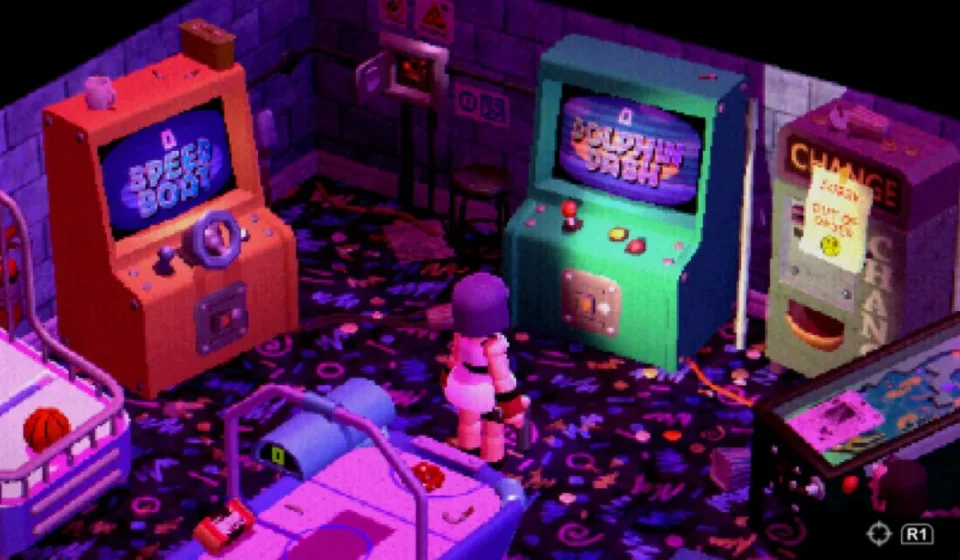
While the game’s structural DNA is unmistakably survival horror, its visual identity draws deep inspiration from an unexpected source: the pre-rendered, polygonal charm of Final Fantasy VII. The game utilizes a low-poly aesthetic that, rather than feeling dated, creates an uncanny valley effect that heightens the sense of dread.
The interplay between the blocky, distinct character models and the hauntingly detailed, pre-rendered backgrounds creates an atmosphere that feels simultaneously whimsical and oppressive. This aesthetic choice is not merely nostalgic; it is a functional tool that keeps the focus on the environment’s storytelling. Every interactable object and rusted ride serves to tell the story of a place that has been consumed by something far more sinister than simple neglect.
Combat Mechanics: The Art of Stasis
In a modern gaming climate where mobility is king, Crow Country makes a bold, defiant choice: it forces the player to stand their ground. Borrowing the "tank-style" limitations of classic horror, the game prohibits players from moving and shooting simultaneously.

Mara begins her journey with a modest handgun, but as the threats escalate, the arsenal expands to include a shotgun, explosive grenades, and a flamethrower. Managing this inventory is as vital as the combat itself. Because the player must stop to aim, every encounter becomes a high-stakes calculation. Do you waste your limited shotgun shells on a minor threat, or do you risk taking damage to conserve resources for the horrors that undoubtedly lurk behind the next turn? This tension is the heartbeat of the survival horror genre, and Crow Country executes it with surgical precision.
Beyond the Fixed Camera: A Modern QoL Revolution
One of the most significant departures from the "tank-control" era is the game’s camera system. While initial screenshots suggest a rigid, fixed-camera perspective typical of 1998, Crow Country offers a subtle but revolutionary evolution. The camera is dynamic; it allows for rotation, enabling players to investigate corners and hidden paths that would have been obscured in older titles.
This design choice bridges the gap between the limitations of the past and the expectations of the present. By providing more control over the field of view, the developers allow for a more immersive investigation of the park’s secrets without sacrificing the sense of vulnerability that makes the game so effective. It is a masterclass in modernizing a genre without stripping away its identity.
Chronology of Development and Design Philosophy
The development of Crow Country did not happen in a vacuum. It represents a culmination of years of iterative design within the indie horror space. The creators set out with a specific goal: to avoid the pitfall of "cloning" the classics. Instead, they aimed to identify the "magic" of early 3D horror—the pacing, the sense of isolation, and the reliance on environmental storytelling—and apply those principles to a new, original narrative.
By focusing on the "haunted theme park" trope, the developers were able to create a contained, logical, yet surreal environment that justifies the presence of puzzles and locked gates. The chronology of the player’s journey—from the initial, eerie silence of the park’s entrance to the escalating chaos of its deepest, most mutated sectors—is paced to ensure that the player never feels entirely safe, even when they believe they have mastered the mechanics.
Supporting Data: Why It Resonates
The critical reception of Crow Country underscores its success. With high praise from both legacy horror fans and newcomers to the genre, the game has been lauded for its "masterpiece" status in survival horror. Data from player engagement suggests that the "exploration-to-combat" ratio is perfectly balanced, with players spending a significant portion of their playtime investigating the park’s lore.

The game’s availability across all major platforms—PlayStation 4/5, Xbox Series X/S, Nintendo Switch, and Windows—has ensured that it has reached a wide audience. Its performance on the Nintendo Switch, in particular, has been highlighted as an ideal way to experience the game, as the portable nature of the console enhances the intimacy of the horror experience.
Implications: The Future of Retro-Horror
The success of Crow Country signals a broader shift in the industry. It proves that there is a sustainable, passionate market for "retro-survival horror" that doesn’t rely on modern AAA budgets to achieve its impact. By stripping away the bloat and focusing on core design pillars—resource management, exploration, and atmosphere—the developers have provided a blueprint for future titles.
This game serves as a bridge, inviting younger players who were not around for the original PlayStation era to experience the unique thrill of limited resources and fixed-perspective tension, while offering long-time fans a fresh, high-quality experience that respects their history with the genre.
Final Verdict
Crow Country is not just a nostalgic trip; it is a sophisticated, frightening, and impeccably paced survival horror game that stands on its own merits. It successfully recaptures the unease of the 90s while utilizing modern sensibilities to provide a seamless, gripping experience. Whether you are a veteran of the genre looking for that familiar chill or a newcomer curious about why these old-school mechanics continue to influence modern gaming, Crow Country is an essential addition to your library.
It is, without question, a perfect title for a dark, stormy night—or, perhaps, the ideal companion for a spooky Halloween playthrough. As we look toward the future of horror gaming, one thing is clear: the spirit of the 90s is alive, well, and terrifyingly active in Crow Country.