The Hybrid Revolution: How Impossible Objects Redefines VFX with Localized AI Compute

In the high-stakes world of premium advertising and blockbuster visual effects, the line between "impossible" and "done" is increasingly being drawn by AI. Impossible Objects (IO), a Los Angeles-based boutique VFX powerhouse, has become the industry’s vanguard for this transition. By marrying traditional 2D compositing and CGI workflows with a bespoke, fine-tuned generative AI pipeline, the studio is punching significantly above its weight, delivering output volumes that rival major facilities.
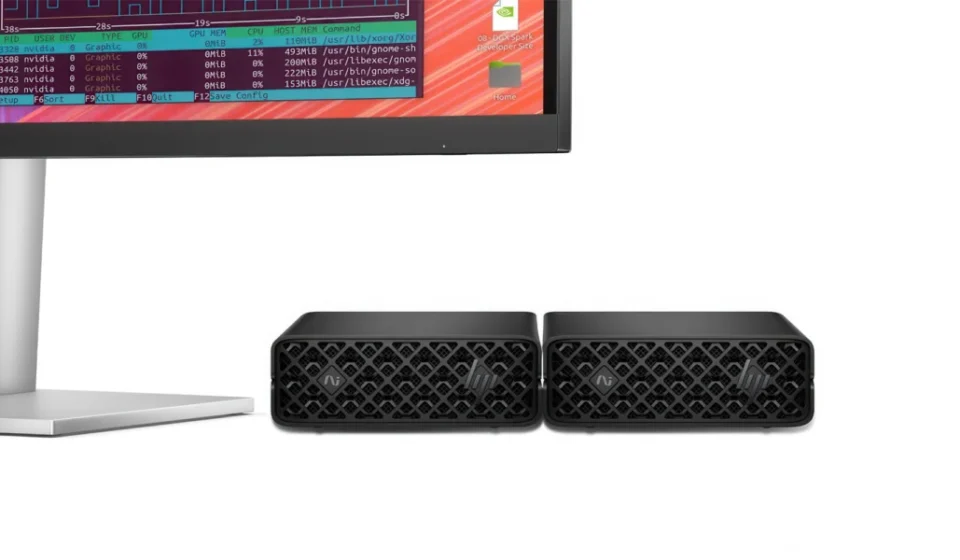
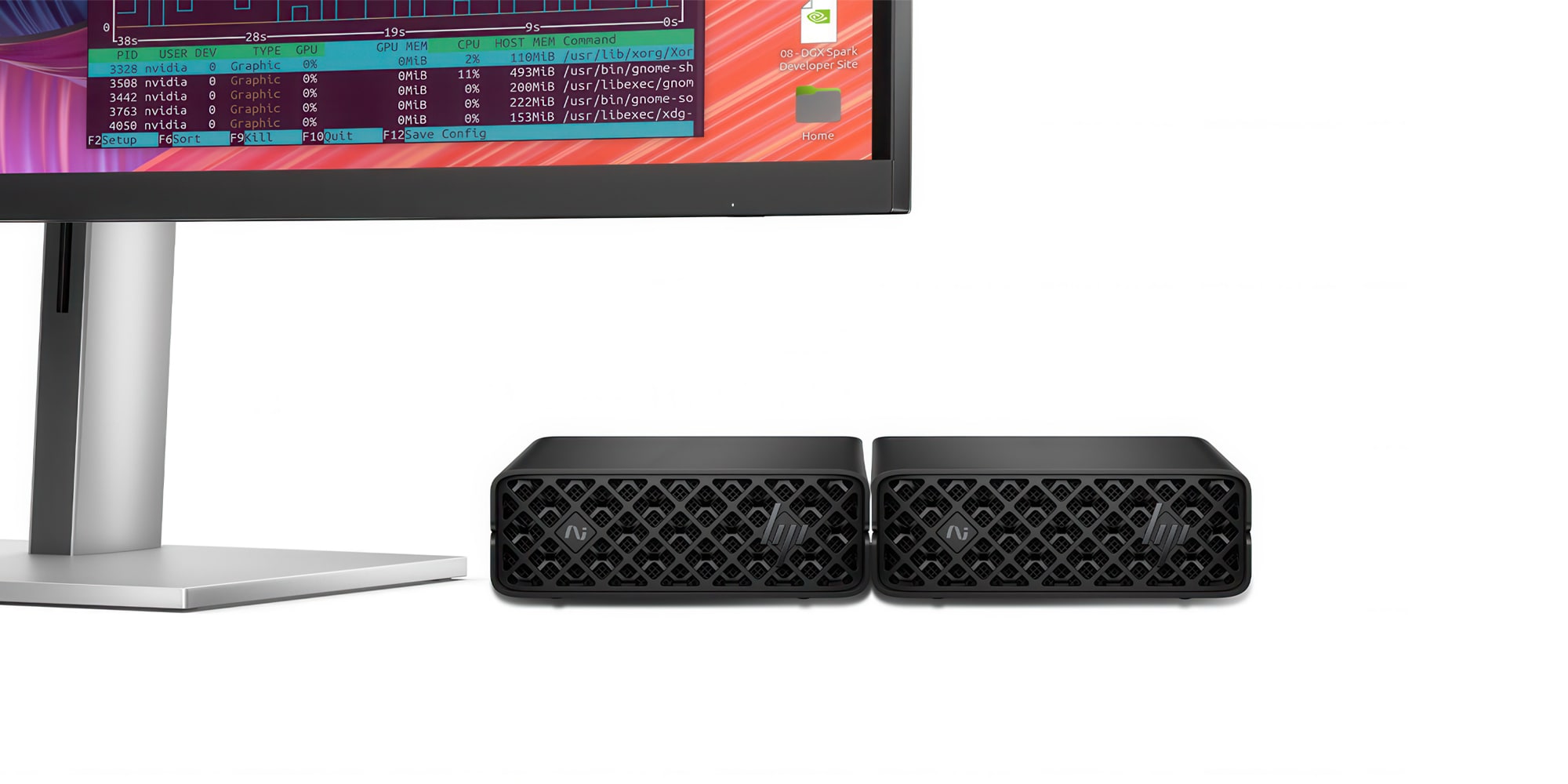
At the heart of this transformation is a commitment to local, on-premise compute. By integrating the new HP ZGX AI stations—powered by the NVIDIA GB10 Grace Blackwell Superchip—Impossible Objects has moved beyond the limitations of cloud-based generative tools, ensuring that their creative "superpowers" remain secure, scalable, and entirely within their control.
The Genesis of a Hybrid Pipeline
The journey for Impossible Objects began with a clear objective: how to harness the creative velocity of generative AI without sacrificing the uncompromising photorealism required by global brands like Porsche, Cadillac, Subaru, Nike, and Google.
Nhan Le, AI Lead at Impossible Objects, recognized early on that off-the-shelf generative video models were insufficient for the rigorous scrutiny of automotive advertising. "The spots we do for car brands are highly scrutinized, and generally, AI video models can’t deliver the level of photorealism demanded of this kind of work," Le explains.
Instead of relying on a "prompt-to-video" paradigm, the studio developed a hybrid model. This process uses generative AI as a sophisticated assistant rather than a primary creator. By training custom models on proprietary, high-quality video inputs, the studio ensures that the "latent memory" of their AI retains the specific visual identity of the client’s brand. This approach, refined over two years of intensive research and development, allows artists to maintain artistic control while offloading time-consuming, repetitive tasks to an AI backend.
Chronology: From R&D to Infrastructure Deployment
The evolution of Impossible Objects’ workflow has been a multi-stage process, characterized by a persistent focus on repeatability and scalability.
- 2023 – Early 2024: The studio initiated a deep-dive R&D phase, exploring how to integrate ComfyUI into their existing Nuke, After Effects, and Houdini pipelines. The team focused on creating modules that could interpret lighting changes across a shot, effectively automating frame-by-frame light matching—a process that previously required hours of manual labor.
- Mid-2024: The team began tackling the "provenance problem." They realized that to be a viable partner for major brands, they needed to ensure that no proprietary intellectual property (IP) was ever sent to cloud-based LLMs. This necessitated a shift toward entirely local, air-gapped or private-networked AI processing.
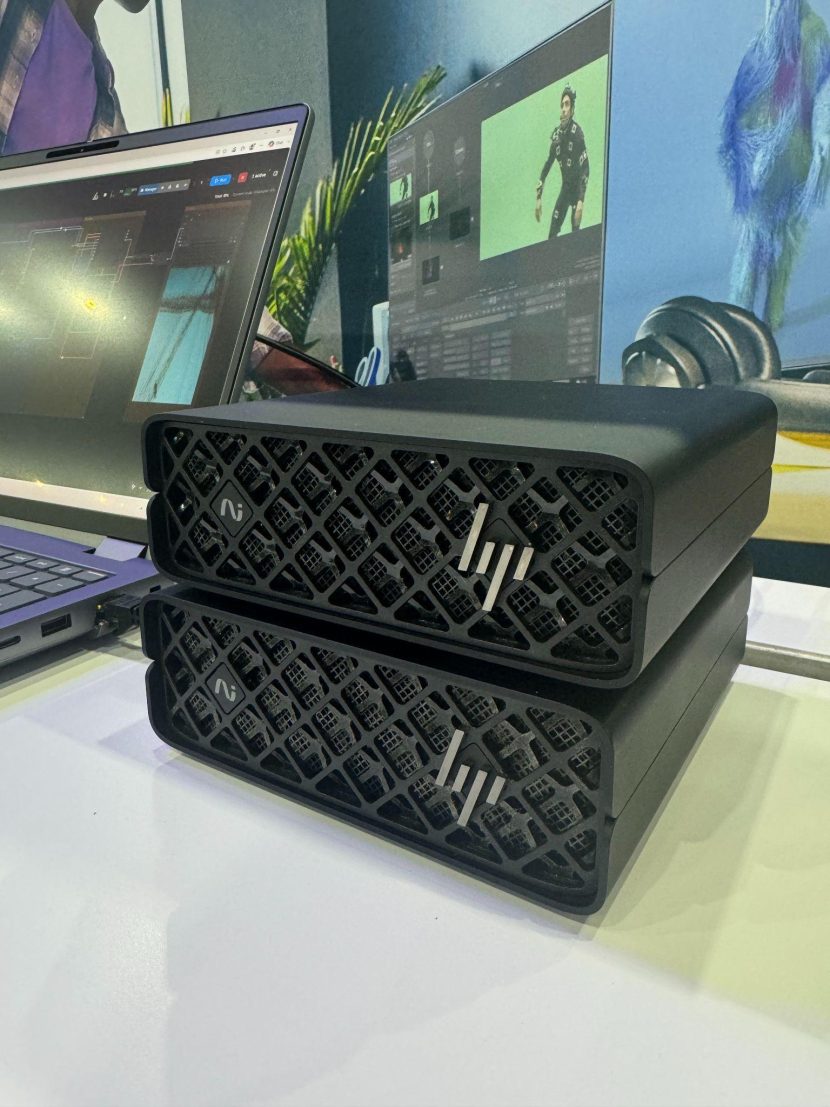
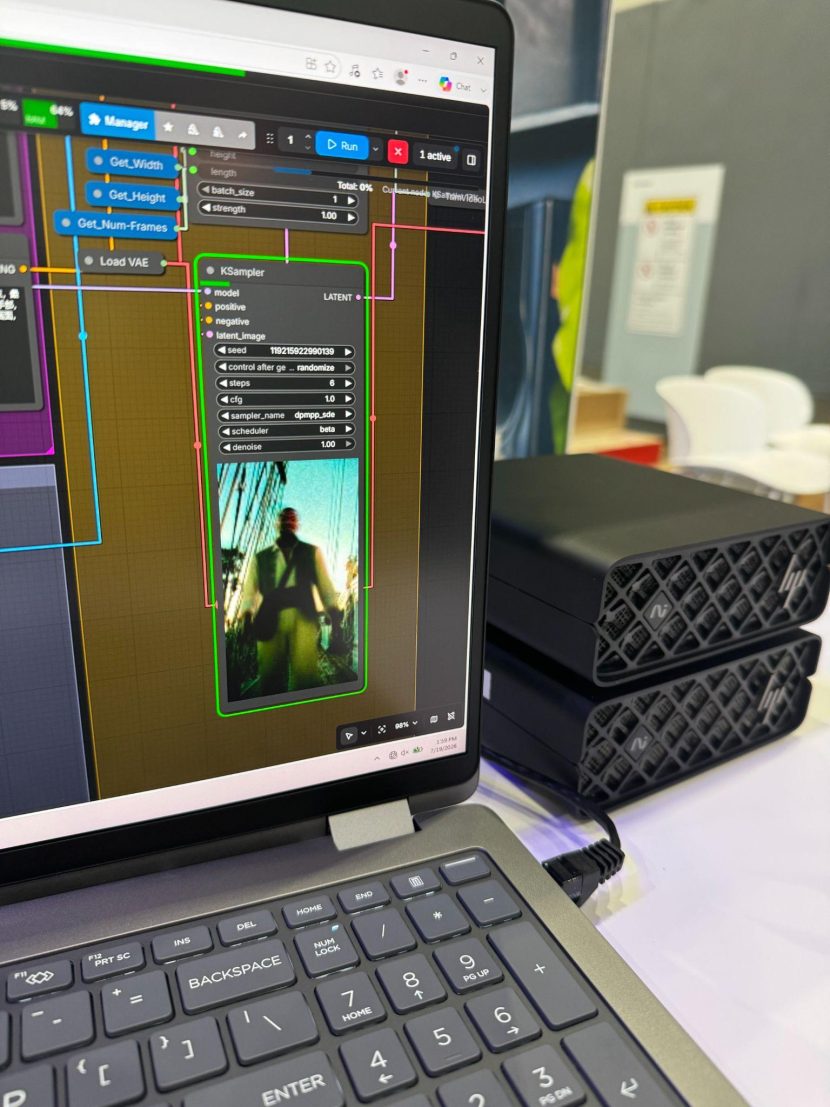
- Late 2024 – 2025: Impossible Objects expanded its infrastructure by deploying two HP ZGX AI stations. These units were selected for their ability to handle massive local compute loads and their integration with the ZGX Toolkit, which allowed for near-instant deployment into the studio’s existing network.
- Present Day: The studio is currently in the process of scaling its "smart render farm," utilizing multi-agent AI to orchestrate rendering tasks. This represents the next evolution of their workflow: a fully autonomous, AI-managed backend that allows artists to focus exclusively on the creative "final mile."
Supporting Data: Why Local Compute Matters
For boutique studios, the decision to invest in hardware like the HP ZGX Nano is not merely about raw processing speed; it is about security, cost-efficiency, and creative freedom.
The HP ZGX Nano, equipped with the NVIDIA GB10 Grace Blackwell Superchip, provides an enterprise-grade solution that fits in a small form factor. According to the studio, the primary benefits observed since deployment include:
- Security and Provenance: By keeping all processing on-premise, Impossible Objects provides clients with a verifiable audit trail. There is no risk of proprietary car designs or brand-sensitive footage leaking into public cloud models.
- Throughput Scalability: By connecting two ZGX Nanos via 200 Gbps ConnectX-7 ports, the studio effectively doubled its memory bandwidth. This allows for the processing of 4K video clips and high-resolution model loading that would cause standard workstations to throttle or crash.
- Cost Mitigation: Cloud-based GPU rendering at scale can lead to "ballooning" costs. By moving these workflows in-house, the studio has converted a variable operational expense into a fixed capital asset, significantly lowering the cost per shot.
- Instant Integration: The ZGX Toolkit allowed the studio to bypass weeks of configuration. Le reported that the systems were ready to push ComfyUI jobs within hours of unboxing, allowing the team to maintain their aggressive production schedules without downtime.
Official Perspectives: The Human-AI Partnership
Impossible Objects co-founder Jerad Anderson emphasizes that the studio’s success is not about replacing artists, but about empowering them. "People like Nhan and his counterpart Aiden Silver are really amazing creative engineers," says Anderson. "They have paved a way with this new workflow that marries AI into production in a way that firmly plants a flag in craft and the human element, while embracing the time-saving elements of generative AI."
Nhan Le echoes this sentiment, framing AI as the ultimate "backend shortcut." By automating the tracking of LED volume footage—a process that once took days—the studio can now generate accurate set extensions in a fraction of the time. "I come from LED wall work," Le notes, "and the idea that I don’t need to manually track and combine data… it’s a blessing. It allows us to focus on the work that’s important: the creative."
Implications for the Future of VFX
The shift at Impossible Objects signals a broader industry trend: the "Boutique-to-Enterprise" transition. Through the strategic use of local AI compute, small teams can now handle workloads that previously required hundreds of artists.
The Rise of Multi-Agent Render Farms
Perhaps the most significant implication is the move toward "smart" render farms. By utilizing multi-agent LLMs, the studio is moving toward a system where the infrastructure itself makes decisions about how to allocate resources. This self-optimizing backend will likely become the gold standard for high-end post-production facilities by the end of the decade.
Redefining Production Value
As generative tools become more sophisticated, the value of a VFX house will shift from "the ability to render" to "the ability to curate." Because Impossible Objects builds its solutions on original, in-house captured footage, they are creating a bespoke library of data. This ensures that their AI output remains distinct, branded, and uniquely crafted—avoiding the "generic" look that plagues many AI-assisted projects.
Security as a Competitive Advantage
In an era where brand security is a top priority, the ability to guarantee that IP never touches the cloud is becoming a critical differentiator. As more clients demand provenance reports for every pixel in a commercial, studios that rely solely on public, cloud-based AI tools may find themselves losing ground to firms like Impossible Objects, which have prioritized local control.
Conclusion: A Blueprint for the Modern Studio
The story of Impossible Objects and their implementation of HP ZGX AI stations is more than just a tech upgrade; it is a blueprint for the modern creative facility. By refusing to choose between the efficiency of generative AI and the precision of traditional craftsmanship, they have created a third path.
"Every time we start a job now," Le concludes, "we actually think of scalability instead of just whatever it takes to get the job done. How can we empower the artist to unlock backend shortcuts so they can focus on making the final work look amazing?"
For studios looking to compete in an increasingly automated landscape, the lesson is clear: invest in local compute, prioritize the provenance of your training data, and ensure your AI is a tool for the artist, not a replacement for the craft.
For more information on how to equip your studio with the power of the HP ZGX Nano, visit the official HP Workstations portal.