The Horror of Ambition: How ‘Big Break’ Turns Hollywood’s Industry Anxiety into Absurdist Farce

For many artists navigating the labyrinthine corridors of Hollywood, the dream of "making it" acts as an ever-present, haunting metronome. It is an infinite ticking clock that measures one’s viability in a town that equates youth with currency and relevancy with survival. Initially, the pressure is existential: How long can one sustain a life in the arts without reaching a plateau of success? Later, should that elusive "big break" finally manifest, the anxiety shifts into a defensive posture. How far can you pull ahead before the industry—ever hungry for the next fresh face—inevitably reclaims your status and hands it to someone younger?
In Ian Faria’s Big Break, which world-premiered to a buzz-worthy reception at the 2026 Fantasia Festival, this cyclical trauma is given a surreal, blood-soaked makeover. By blending the recognizable beats of low-budget slasher cinema with the erratic, high-energy rhythm of sketch comedy, Faria crafts a biting farce that explores what happens when artistic ambition curdles into pure, unadulterated desperation.
The Premise: A Reunion with Fatal Consequences
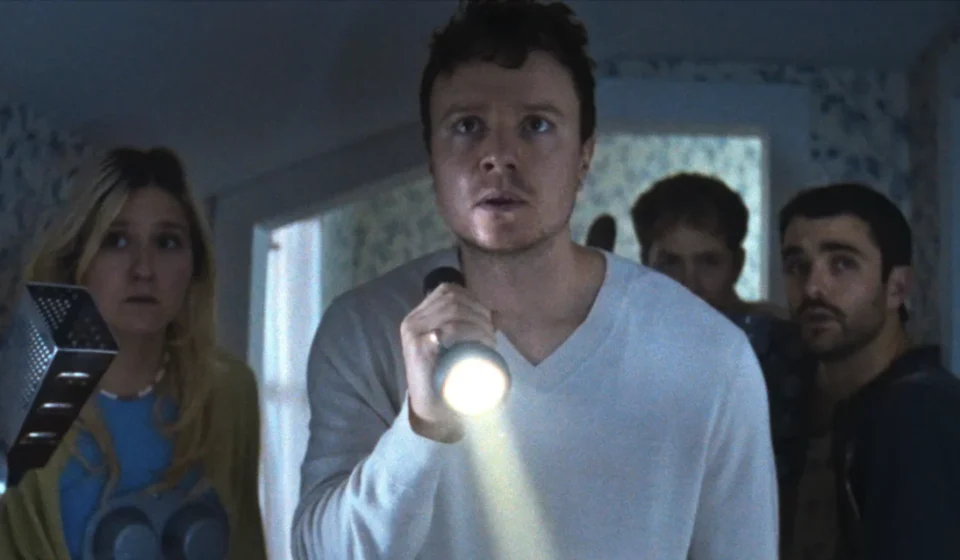
The narrative centers on the remnants of Simple Town, a defunct comedy collective that once held promise before the slow erosion of their creative partnership. The group’s members—Will (played by Will Niedmann), Caroline (Caro Yost), and Felipe (Felipe Di Poi Tamargo)—find themselves at a crossroads, both personally and professionally. Years after the dissolution of their troupe, they receive an invitation to the secluded, aestheticized home of their estranged former collaborator, Sam (Samuel Lanier).
Sam is the outlier, the "success story" who managed to escape the doldrums of obscurity. He is also, by all accounts, a total narcissist—a man whose strange, cold intensity seems to have been the catalyst for his meteoric rise following the massive, inexplicable success of his theatrical feature, Gummy Bears.
As news circulates that a Gummy Bears sequel is already in active development, the reunion takes on a dark, transactional tone. For Will, Caroline, and Felipe, the weekend at Sam’s remote cabin is a desperate, often humiliating campaign to secure a role in his next project. They are not merely there to mend fences; they are there to monetize the ashes of their friendship. However, the cabin, situated in the classic isolation of a horror movie trope, holds more than just old resentments. As they arrive, they discover that their host has "guests" of a more permanent, captive nature in the basement.

Chronology of a Creative Collapse
The film’s pacing mimics the erratic nature of its characters’ social interactions.
- The Arrival: The initial act establishes the fragile ego dynamics of the trio. We see the clear power imbalance: Sam is the gatekeeper, and the Simple Town members are the supplicants. The dialogue is sharp, filled with the specific, painful vernacular of performers who have spent too much time in green rooms and not enough time on sets.
- The Escalation: As the night progresses, the comedy shifts from cringe-inducing dialogue to physical peril. The "horror" elements begin to bleed into the frame, not through supernatural forces, but through the mundane, terrifying reality of a sociopath in their midst.
- The Climax: The tension reaches a breaking point as the characters continue to prioritize their professional advancement even as the threat of violence becomes undeniable. The irony is weaponized: they are so blinded by the potential of a "big break" that they literally fail to recognize a killer standing in their living room.
- The Aftermath: The conclusion does not offer the catharsis of a typical thriller. Instead, it leaves the audience with a lingering sense of the "psychic violence" inherent in a business that treats human beings as disposable content.
Supporting Data: The Climate of Modern Creative Labor
To understand Big Break, one must understand the environment in which it was born. The film acts as a mirror to the current generation of creatives who are navigating an industry defined by instability.
According to industry reports from 2024 through 2026, the entertainment sector has been rocked by:
- Production Contraction: A significant reduction in "middle-tier" content, forcing independent artists to fight over scraps of budget and distribution.
- Labor Volatility: Following the historic strikes of the mid-2020s, the power dynamic between talent and studios remains fundamentally fractured.
- Technological Displacement: The emergence of generative AI has created a new layer of existential dread, as performers fear their likenesses and creative contributions are being cannibalized by algorithms.
Faria’s film captures this zeitgeist with uncanny precision. By making the "villain" of the story an industry darling who has sold his soul to the commercial machine, the film highlights how the "illusion of scarcity" is used to manipulate artists into betraying one another.
Performance and Character Dynamics
The cast, largely comprised of the real-life members of the Simple Town collective, brings a level of lived-in authenticity that elevates the material. Samuel Lanier’s portrayal of Sam is a masterclass in the "Los Angeles Yuppie" archetype—a man whose every physical gesture, from his self-conscious grooming to his predatory charm, feels like an indictment of the modern Hollywood power-broker.

Will Niedmann’s Will provides the film’s moral compass, however frayed that compass may be. He captures the specific "lovable helplessness" of a man who cannot stop performing, even when it is to his own detriment. Caro Yost and Felipe Di Poi Tamargo provide the emotional grit; Yost, in particular, balances professional ambition with a mounting, palpable sense of dread. A standout moment—involving an "open-relationship rap battle"—showcases the range of the ensemble, managing to be simultaneously hilarious and deeply uncomfortable.
Implications: The Industry as the Ultimate Villain
What sets Big Break apart from other meta-horror films like Dude Bro Party Massacre III is its surprising empathy. The film does not resort to "villainizing" the artists who want to succeed. Instead, it points the finger at the infrastructure of the industry itself.
In the contemporary Hollywood landscape, success is often framed as the only indicator of self-worth. Big Break suggests that this is a lie—a corrosive myth that pits friends against one another in a race to the bottom. While the film’s narrative momentum occasionally falters, its central thesis is radical: the real killer isn’t the guy with the knife in the basement; it is the industry that convinces talented, creative people that they must choose between their humanity and their career.
Official Reception and Future Prospects
At the Fantasia Festival, critical reception has been largely positive, with many reviewers praising the film’s refusal to lean into cynical tropes. While some genre purists might find the body count lacking, the film’s success lies in its tone—a delicate balance of satire and sincere, if dark, human observation.
As of late July 2026, Big Break is currently seeking U.S. distribution. Given the current appetite for "elevated" indie genre films that speak directly to the anxieties of the creator class, it is likely that the film will find a home with a boutique distributor capable of marketing its unique, off-kilter voice.

Conclusion: A Portrait of the Modern Dreamer
Big Break arrives at a pivotal moment. As major studios continue to churn out content that feels increasingly sterilized by corporate branding, Faria and the Simple Town collective have produced something that feels remarkably, and sometimes painfully, real. It is a film about the absurdity of hope in a system that thrives on disappointment.
Ultimately, the film asks a haunting question: What are you willing to do to be seen? By the time the credits roll, the answer provided by Big Break is both a warning and a testament to the resilience of those who, despite the evidence, keep showing up to the audition. It is a vital, if messy, piece of filmmaking that serves as a reminder that even when the system is collapsing, the act of creating—and doing so with your friends—is the only form of survival that truly matters.