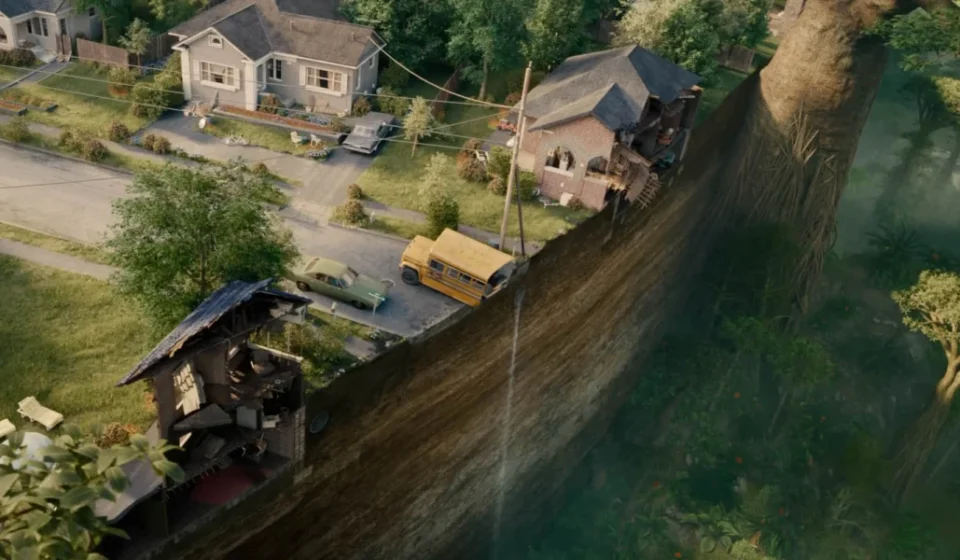

In the landscape of modern speculative fiction, few films have generated as much discourse regarding their visual language and narrative ambition as David Robert Mitchell’s latest feature, The End of Oak Street. Starring Hollywood heavyweights Anne Hathaway and Ewan McGregor, the film presents a harrowing, surrealist look at a suburban enclave suddenly unmoored from the constraints of time and geography. As the Platt family navigates the bewildering reality of their displaced neighborhood, audiences are left to grapple with the film’s complex production design and thematic gravity.
This week, the team at fxguide convened to dissect the technical mastery behind the film, offering an exhaustive analysis of the VFX, cinematography, and editorial choices that bring Mitchell’s vision to life.
Main Facts: The Narrative Core of the Displacement
At its heart, The End of Oak Street is a claustrophobic family drama masquerading as a high-concept sci-fi thriller. The plot centers on the Platt family, whose idyllic suburban existence is shattered when a catastrophic, yet unnamed, event transports their entire neighborhood to a desolate, temporal limbo.
The brilliance of Mitchell’s screenplay lies not just in the "what" of the event, but the "how" it forces a familial reckoning. As Hathaway and McGregor inhabit their roles with a raw, desperate vulnerability, the film moves beyond the tropes of the "trapped-in-a-bubble" subgenre. Instead, it serves as a meditation on the fragility of the American Dream, suggesting that our domestic lives are held together by a thin veneer of temporal continuity. When that continuity is severed, the characters are forced to confront the secrets they have buried under the manicured lawns of Oak Street.
Chronology: From Concept to Cinematic Reality
The production history of The End of Oak Street was marked by an ambitious commitment to practical effects and in-camera wizardry, a rarity in an era dominated by heavy CGI reliance.
Phase 1: Pre-production and World Building
Development began with a rigorous focus on the architectural history of the Oak Street neighborhood. Mitchell and his production design team aimed to create a setting that felt both universally recognizable and unsettlingly uncanny. By studying mid-century suburban layouts, they constructed a set that allowed for 360-degree shooting, essential for the disorienting cinematography required once the displacement occurs.
Phase 2: Principal Photography
During the shoot, the cast faced the unique challenge of acting against a constantly shifting environmental backdrop. McGregor noted in recent press junkets that the production utilized large-scale LED volume walls—similar to those used in high-end television series—to simulate the shifting temporal light cycles. This allowed the actors to respond to the lighting cues in real-time, grounding their performances in the surreal environment.
Phase 3: Post-Production and VFX Integration
The post-production phase, which lasted over fourteen months, focused on the subtle manipulation of time. VFX supervisors worked to create "time-tearing" effects that were meant to feel organic rather than digital. As the neighborhood drifts through different eras, the VFX team had to ensure that the color grading and atmospheric textures evolved in tandem, creating a visual evolution that reflects the characters’ internal states.
Supporting Data: The Technical Breakdown
In the latest episode of The VFX Show, our panel of experts—Matt Wallin, Jason Diamond, and Mike Seymour—tore into the technical specifications of the film’s most pivotal sequences.
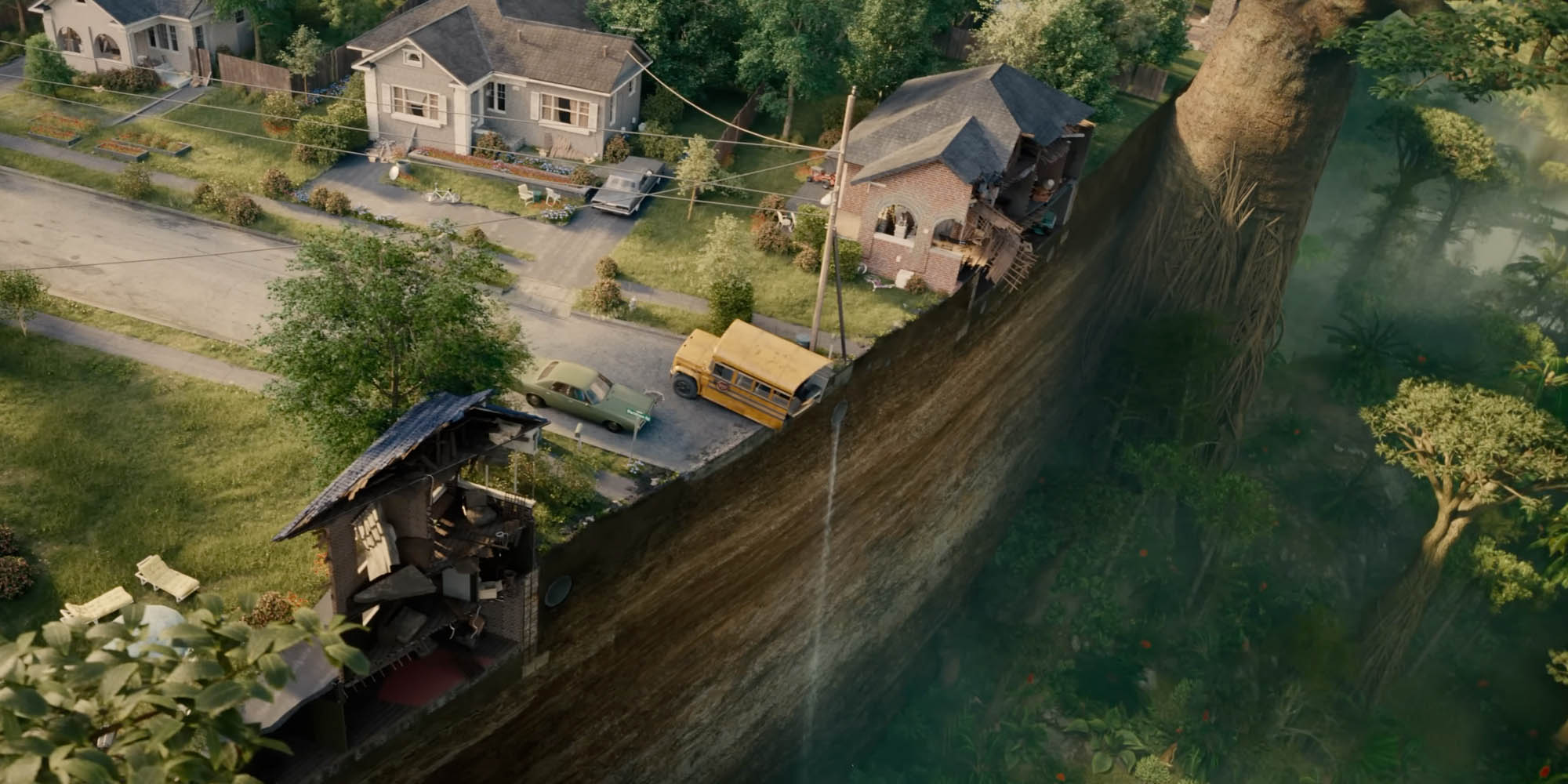
Visual Effects (VFX) Architecture
The panel noted that the "displacement" sequence stands out as a landmark for volumetric light integration. By blending physical set extensions with high-fidelity digital matte paintings, the VFX team achieved a sense of scale that feels genuinely terrifying. Unlike many contemporary films that over-saturate their visual palette, The End of Oak Street opts for a muted, almost desaturated look that highlights the isolation of the characters.
Editorial Rhythm
The editorial team, led by editor Jim Shen, made the controversial choice to use long, unbroken takes during the most frantic moments of the Platt family’s survival. This creates a "real-time" tension that forces the audience to stay locked with the characters. Our panel debated whether this pacing aids the narrative or risks alienating viewers who prefer a more rapid-fire edit, ultimately concluding that it is a bold stylistic choice that defines the film’s identity.
Official Responses and Creative Vision
The creative team behind The End of Oak Street has been vocal about the importance of keeping the audience in the dark regarding the "why" of the displacement. In an industry that often demands exhaustive exposition, Mitchell has remained steadfast in his commitment to the mystery.
"We aren’t interested in the physics of the hole in the universe," Mitchell stated in a production briefing. "We are interested in the hole in the family."
Anne Hathaway’s performance has been widely praised, with critics noting her ability to ground the high-concept premise in emotional reality. Ewan McGregor’s portrayal of a father grappling with the loss of agency provides the necessary counter-weight to Hathaway’s resolve. Both actors have praised the production team for creating an environment that allowed for deep, improvisational exploration of their characters’ psyches.
Implications: The Legacy of the Oak Street Model
What does The End of Oak Street mean for the future of independent science fiction?
- The Return of Practicality: The film demonstrates that audiences are craving a return to tactile, physical sets. The reliance on LED volumes rather than traditional green screens has set a new benchmark for how medium-budget films can achieve high-end production value.
- The "Ambiguity" Trend: By refusing to explain the supernatural phenomena, Mitchell has sparked a wave of fan theories and critical debate. This "open-ended" storytelling model is likely to influence future scripts, as studios recognize the value of audience engagement through speculative discussion.
- The Human-Centric Sci-Fi: The film highlights a shift away from "techno-babble" and toward the psychological toll of extraordinary events. It proves that sci-fi works best when the "science" is merely a catalyst for human drama.
Critical Debate: The fxguide Verdict
As we dig deeper into the filmmaking choices, the fxguide team found themselves at a crossroads of opinion.
Matt Wallin argued that the film’s reliance on practical light cues was a stroke of genius, noting that "it creates a consistency in the actor’s eyes that you simply cannot fake with pure digital post-processing."
Jason Diamond countered, suggesting that while the cinematography was stunning, the middle act suffered from a lack of pacing, which at times made the temporal displacement feel more like a static stage play than a cinematic journey.
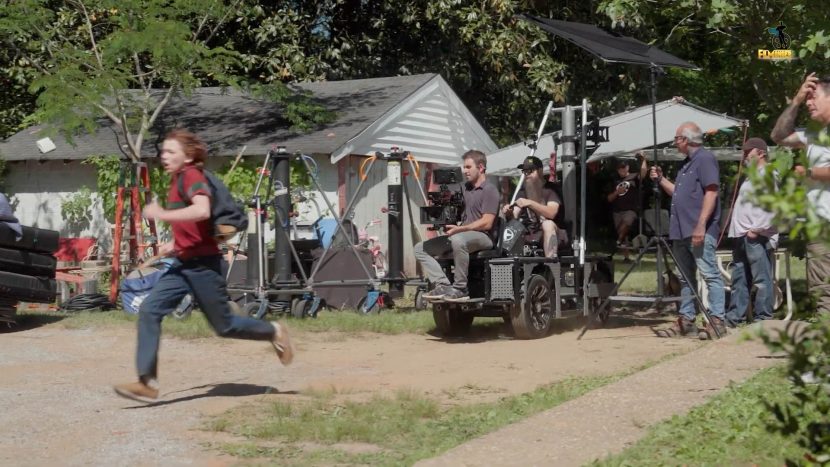
Mike Seymour, closing out the discussion, emphasized that regardless of one’s stance on the pacing, the film is an undeniable technical milestone. "We are looking at a film that uses its constraints as its greatest strength," Seymour noted. "When you limit the world of your characters to a single street, you have no choice but to focus on the frame. Every pixel in this film serves the story."
Join the Conversation
The mystery of Oak Street is far from solved, and the debate continues to rage across social media platforms and film forums. Whether you view the film as a masterpiece of atmospheric tension or a frustrating exercise in ambiguity, there is no denying that David Robert Mitchell has delivered a piece of cinema that demands to be seen—and scrutinized.
We invite our listeners and readers to weigh in on the discussion. Do you believe the Platt family’s story is a metaphor for a specific social anxiety, or is it simply a well-executed exercise in genre-bending?
Connect with the team:
- Matt Wallin: @mattwallin | mattwallin.com | Letterboxd
- Jason Diamond: @jasondiamond | thediamondbros.com
- Mike Seymour: @mikeseymour | fxguide.com
Special Acknowledgments:
Our deepest thanks to Jim Shen for his tireless work in the editing bay, ensuring that this episode—and the film itself—reaches its maximum potential.
Be sure to subscribe to the podcast on Apple Podcasts, Spotify, or your preferred RSS reader. You can also catch our full video breakdown on the official fxguide YouTube channel. We look forward to hearing your thoughts on this temporal journey—send your feedback to our production team via the email address listed on our contact page.
Listen to the full episode of The VFX Show 309: The End of Oak Street below:
[Video: The VFX Show 309: The End of Oak Street]
Disclaimer: The preceding article is a critical analysis of the film and its technical production. For further inquiries or to join our panel discussions, please refer to the contact details above.