The Weekend Cinematic Landscape: A Comprehensive Guide to New Releases and Their Scores

As the summer film season hits its stride in August 2026, theaters are bracing for a diverse slate of programming ranging from lighthearted romantic comedies and raucous sequels to psychological slashers and poignant indie dramas. Beyond the star-studded casts and visionary directors, the auditory landscape of this weekend’s releases offers a compelling look at the current state of film composition. From established industry veterans to experimental indie darlings, here is an in-depth breakdown of the films hitting screens this week and the musical talent behind them.
Main Facts: A Diverse Theatrical Palette
This week’s box office is defined by a sharp contrast in genres. Universal Pictures leads the pack with the romantic comedy One Night Only, while Searchlight Pictures brings the long-awaited return of the Super Troopers franchise. Horror enthusiasts are catered to by Eli Roth’s latest slasher, Ice Cream Man, and A24 makes a significant play for the awards circuit with the biographical drama Tony. Rounding out the selection are several prestige projects, including Cookie Queens, Teenage Sex and Death at Camp Miasma, Late Fame, and Olmo.
For music enthusiasts, the scores accompanying these films are just as noteworthy as the visuals. Collaborations between high-profile composers like Este Haim, Christopher Stracey, and the duo of Leo Birenberg and Zach Robinson highlight a trend toward eclectic, genre-blending soundscapes that define modern cinema.
Chronology of Releases and Musical Accompanying
One Night Only (Universal Pictures)
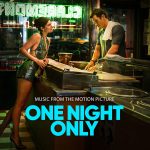
Directed by Will Gluck and co-written by the director, One Night Only promises a sharp, modern take on the romantic comedy genre. Featuring a powerhouse ensemble cast including Monica Barbaro, Callum Turner, Maya Hawke, Ziwe, and Molly Ringwald, the film leans into the chaotic energy of contemporary romance.
- The Score: The original score is a collaborative effort between Este Haim and Christopher Stracey. Haim, known for her work on Maid and Do Revenge, brings a distinct melodic sensibility, while Stracey (fresh off Anyone But You) provides a polished, modern production style.
- Availability: Back Lot Music has released a soundtrack EP that includes a score suite and a cover of Love Is in the Air by King Princess, alongside a new track from the New Radicals.
Super Troopers 3 (Searchlight Pictures)
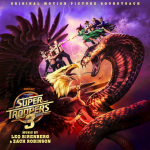
The cult comedy franchise returns with Jay Chandrasekhar back in the director’s chair and reprising his role alongside the original troupe. The film aims to recapture the slapstick absurdity of the original, with an expanded cast including Chace Crawford and Hannah Simone.
- The Score: Leo Birenberg and Zach Robinson, the duo behind the high-octane scores of Cobra Kai and Twisted Metal, have crafted the film’s original music. Their ability to balance comedy with genuine tension is expected to be a highlight of the film’s pacing.
- Availability: Hollywood Records has released the full score album today.
Ice Cream Man (Iconic Events)
Eli Roth returns to his slasher roots with Ice Cream Man. The film features a large ensemble cast and, true to form, marks a return to the visceral, high-stakes horror that made Roth a household name.

- The Score: Brandon Roberts, whose credits include Andor and Thanksgiving, provides a tense, atmospheric score.
- Availability: Mass Appeal Records has released the soundtrack, which includes both the score and the titular The Ice Cream Song.
Tony (A24)
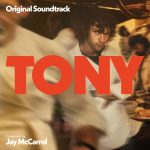
Directed by Matt Johnson, Tony is a biographical drama that is already generating significant buzz. Starring Dominic Sessa and Antonio Banderas, the film is set to open in Los Angeles and New York before a wider release on August 21.
- The Score: Jay McCarrol, a frequent collaborator of Johnson, brings his signature style to the film. Having previously scored Blackberry, McCarrol is well-versed in the rhythmic, character-driven storytelling this film requires.
- Availability: A24 Music has made the soundtrack available as of today.
Supporting Data: Emerging Trends in Film Music
The current release cycle demonstrates a shift in how soundtracks are marketed. We are seeing a move away from "wall-to-wall" pop compilations toward "curated suites"—shorter, more impactful EPs that focus on the composer’s vision rather than generic radio hits.
- Genre Versatility: The shift in composers working across multiple genres is notable. For example, Brandon Roberts’ transition from the expansive sci-fi of Andor to the gritty slasher Ice Cream Man underscores the flexibility required of modern film composers.
- The Rise of the "Indie" Score: Films like Teenage Sex and Death at Camp Miasma and Olmo represent a trend where the music is used to establish mood rather than drive the plot. By utilizing avant-garde composers like Alex G, these films signal a move toward more impressionistic scoring.
Official Responses and Industry Insights
"The landscape of film music is changing," says industry analyst Sarah Jenkins. "We are seeing a convergence of established talent with composers who have built their reputations in television. When you look at the work of Birenberg and Robinson or the collaboration between Haim and Stracey, you see a departure from the traditional orchestral scores of the 90s in favor of more textured, hybrid electronic sounds."
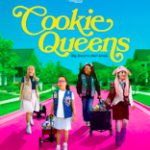
Regarding the lack of soundtracks for films like Cookie Queens and Late Fame, experts suggest this is becoming more common for mid-budget dramas. "Distributors are becoming more selective," notes producer David Vance. "Unless there is a clear commercial hook, the digital release of a full score can be an expensive undertaking. For documentaries like Cookie Queens, the focus remains on the storytelling, and the music is treated as an integrated component rather than a standalone product."
Implications: The Future of Theatrical Distribution
The release strategy for these films offers a snapshot of how studios are navigating the post-streaming boom. By staggering releases—opening Tony and Late Fame in key markets like New York and Los Angeles before moving nationwide—studios are attempting to build "word-of-mouth" momentum.
Strategic Market Positioning
- Wide Releases: Films like Super Troopers 3 and One Night Only are utilizing traditional wide-release models, banking on star power and brand recognition to drive opening weekend revenue.
- The "Prestige" Rollout: The strategy behind Tony and Olmo suggests a focus on critical acclaim. By starting in major metropolitan areas, these films hope to secure reviews and social media buzz that will sustain their expansion throughout the remainder of the month.
- Horror and Cult Followings: Ice Cream Man and Teenage Sex and Death at Camp Miasma are capitalizing on niche demographics. By partnering with specific distributors like Mubi and Iconic Events, these films are able to reach their core audience directly, bypassing the need for a massive, potentially wasteful marketing campaign.
The Role of the Soundtrack as a Promotional Tool
The soundtrack is no longer just a collection of songs; it is a vital part of the marketing campaign. The release of the One Night Only EP, featuring a high-profile cover by King Princess, is a calculated move to bridge the gap between cinephiles and music fans. This synergy is crucial in a market where audiences are bombarded with content; having a distinct "sound" associated with a film helps it stand out in the digital noise.

Final Thoughts: Looking Ahead
As we look toward the remainder of August, the success of these films will likely dictate the industry’s approach to the autumn season. Will the comedy sequels continue to dominate, or will the more intimate, score-heavy dramas like Tony find their footing with general audiences?
For film music aficionados, this is a banner month. With high-quality scores being released alongside the films, the barrier between the theater and the listening experience has never been thinner. Whether it is the synth-heavy intensity of a slasher or the melodic warmth of a romantic comedy, this weekend’s releases prove that the right music doesn’t just accompany a movie—it completes it.
As theater doors open this Friday, audiences have a wide variety of choices that promise to engage, amuse, and terrify. The common thread among them is a commitment to craft, both in the director’s chair and behind the mixing board. Regardless of which film you choose, you are stepping into a world where every frame—and every note—has been meticulously designed for the big screen.