The Transgressive Lure of Night Nurse: Georgia Bernstein on Ambiguity, Power, and the Suburbs

When the opening title sequence of Night Nurse (2026) glides across the anatomy of a human body, trailing the serpentine path of a tangled telephone cord, the audience is immediately signaled that they have stepped into a world governed by unconventional rules. Premiering at the Sundance Film Festival to significant critical intrigue, the film eschews the safety often found in independent festival circuit fare, opting instead for a cold, cerebral, and deeply uncomfortable exploration of human connection. Directed by Georgia Bernstein, the film is a masterclass in atmospheric tension, blending the psychosexual preoccupations of Atom Egoyan with the transgressive, power-distorting lens of Catherine Breillat.
The Premise: A Con-Artist’s Intimacy
Set within the sterilized, “out-of-time” environment of a memory-care unit in suburban Chicago, the film follows Eleni (Cemre Paksoy), a young nurse who begins an overnight shift caring for Douglas (Bruce McKenzie), a patient undergoing evaluation for early-onset Alzheimer’s. What begins as a clinical professional relationship rapidly devolves into a symbiotic, morally bankrupt partnership.
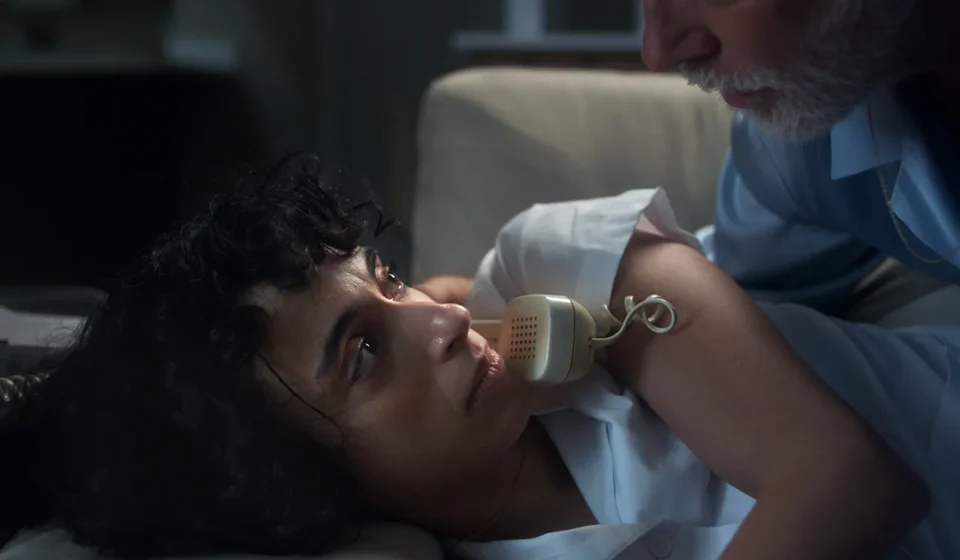
Eleni and Douglas discover a shared thrill—both monetary and carnal—in orchestrating phone scams against other elderly individuals. Posing as distressed grandchildren in urgent need of cash, the duo exploits the vulnerability of their marks, finding a dark sense of purpose in the deception. The film’s most striking sequence involves a long-take phone call where the audience is denied a clear view of Eleni’s reactions, leaving the emotional weight to be inferred through the physical entanglement of the characters and the suffocating proximity of the camera. As Douglas remarks with a biting, rejection-laden wit: “If you’re looking for a pogo stick, I’m really not your guy.”
Chronology of Production: From Classroom to Set
The trajectory of Night Nurse is as unorthodox as its plot. The film’s development was born from an academic collaboration. Following her work as a producer on Alex Phillips’ Anything That Moves (2025), Bernstein found herself at a crossroads. Her collaborator, Eddie Linker, was slated to teach a production course at Northwestern University and proposed using Bernstein’s then-developing script as the primary case study for the semester.
The resulting course functioned as a comprehensive pre-production laboratory. Students were trained in the practicalities of independent filmmaking: forming an LLC, drafting rigorous budgets, and navigating tax credit applications. By the end of the academic quarter, the foundational logistics for Night Nurse were firmly in place. This unconventional path allowed Bernstein to leverage her existing professional network in Chicago, ensuring the film was shot with a tight-knit community of collaborators who shared a singular vision.
Technical Execution: The Weight of the Dolly
A central pillar of the film’s visual language is its rejection of the "low-budget look." Bernstein was adamant about avoiding the fluid, lightweight movement of Steadicam, which she felt lacked the necessary gravitas for her narrative. Instead, she opted for the heavy, deliberate, and mechanical ga-dunk of a dolly.
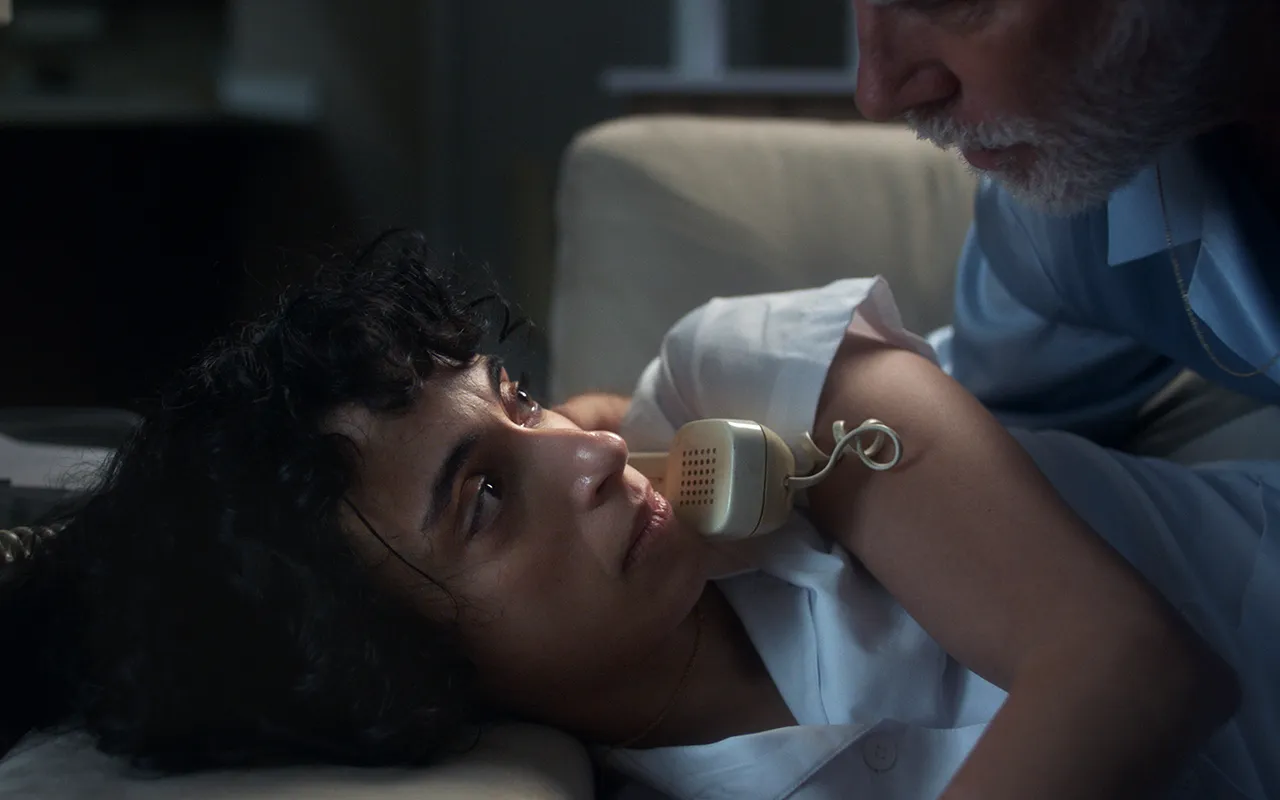
"I didn’t want to shoot like a low-budget film; I wanted to shoot like Fassbinder," Bernstein noted. "I wanted to make it feel big."
The film was shot almost entirely within the confines of Bernstein’s grandmother’s house. This decision was both a practical necessity and a thematic choice. By writing scenes tailored specifically to the geography of the home—the transition from the atrium to the bedroom, the specific hallways—Bernstein imbued the space with a sense of lingering, stagnated history. The production design deliberately confuses the temporal setting; 1970s wallpaper clashes with contemporary landline phones and an absence of smartphones, creating a disorienting, liminal space that reflects the mental state of the characters.
Supporting Data: The Influences of a "Sister Movie"
Bernstein’s aesthetic is built upon a foundation of deliberate, slow-motion pacing that draws heavily from the Canadian masters of the 1990s. The film has been frequently compared to David Cronenberg’s Crash (1996) and Atom Egoyan’s The Adjuster (1991). Bernstein acknowledges these influences, particularly the way these directors treat the geography of the suburbs as a "gray," bleak, yet beautiful space.
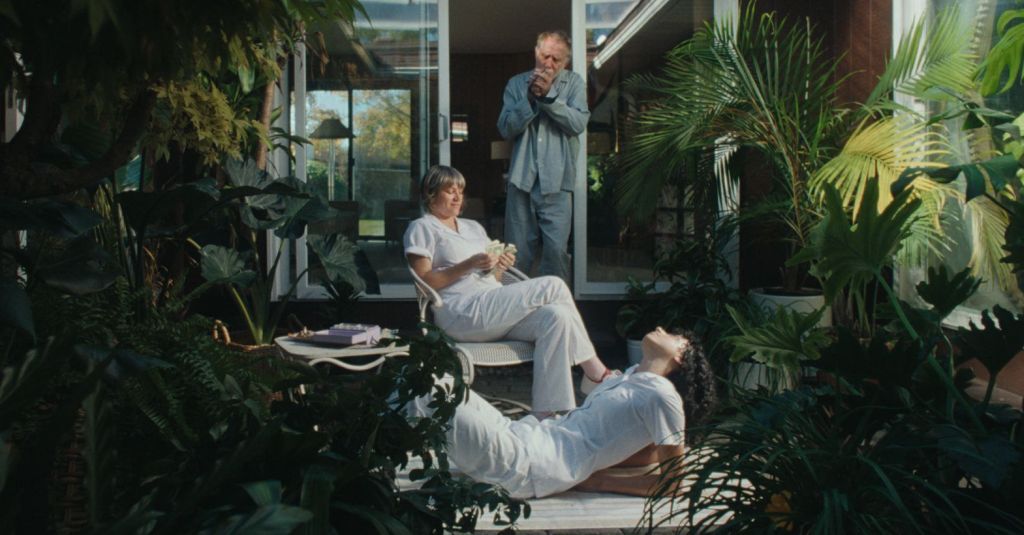
Interestingly, the film shares a deep, albeit unintentional, DNA with Lucy Kerr’s Family Portrait (2024). Both films rely on a "humid," lethargic atmosphere and were filmed in the directors’ respective family homes. Bernstein refers to them as "sister movies," noting that the perspective of female directors navigating these contained, high-tension environments creates a distinct "gaze" that sets Night Nurse apart from the more clinical detachment often found in male-directed psychosexual dramas.
Official Responses and Creative Philosophy
During interviews regarding the film’s July 10, 2026, wide release via IFC, Bernstein addressed the ethical ambiguities presented by her work. When questioned about the discomfort the film intentionally causes, she cited Catherine Breillat’s influence, specifically the exploration of power dynamics between youth and age.
"A lot of her films are about the power that a young woman has, which I love," Bernstein explained. "But I wanted to find a newer way to do this. I thought, ‘Let’s push it to the extreme.’ Who is taking care of who? Who has the power?"
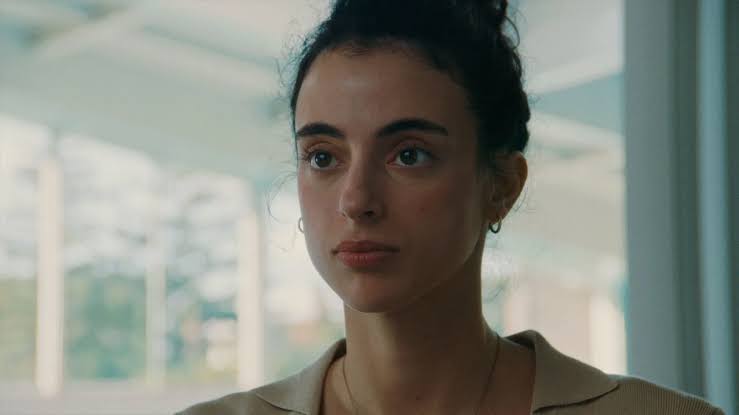
The casting process reflected this push toward the extreme. While most roles were written with specific actors in mind—including Eléonore Hendricks, whom Bernstein cast for her "whimsical, magical quality"—the role of Douglas was the sole exception. Bernstein originally envisioned a character akin to a classic Hollywood archetype, someone who "doesn’t exist anymore." When Bruce McKenzie was brought on, he brought an unexpected, grounded vitality to the role that fundamentally shifted the power balance of the script, adding layers of nuance that Bernstein hadn’t initially anticipated.
The Score: Riffing on the Void
The film’s auditory experience is just as deliberate as its visual one. Composers Steven B. Jackson and Samm Clapp, frequent collaborators from Bernstein’s previous projects, were tasked with creating a score that mirrored the characters’ descent into circular, meaningless cycles. Using Francis Ford Coppola’s The Conversation (1974) as a reference, the music serves as an anchor for the film’s "spinning in circles" motif. By recording musicians live to picture—incorporating flute and violin melodies that oscillate between structured themes and frantic improvisation—the score amplifies the sense that the characters are trapped in a loop from which there is no exit.
Implications: A New Wave of Suburbia?
The success of Night Nurse suggests a growing appetite for "bleak-suburban" cinema that refuses to offer moral catharsis. By situating the film in a space where "it’s amazing to be needed"—a line delivered by Mona (Hendricks) that serves as the film’s philosophical anchor—Bernstein challenges the audience to confront the ugly, codependent realities of human validation.
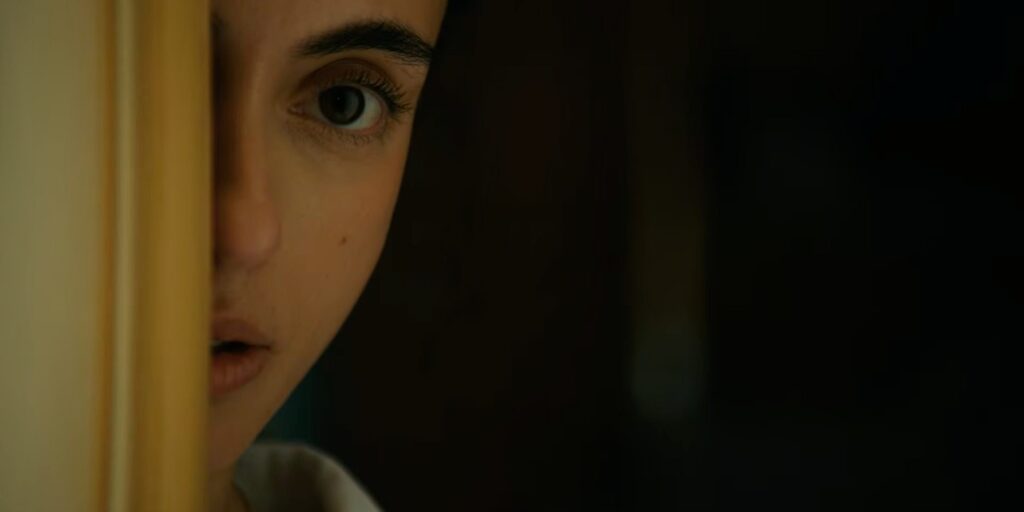
The film does not merely observe its characters; it forces the viewer to inhabit their claustrophobic, carpeted reality. In an industry that often prioritizes comfort and clear-cut moral messaging, Night Nurse stands as a defiant, albeit troubling, achievement. As it moves toward its wide release, the film serves as a reminder that the most potent horror is not found in supernatural threats, but in the mundane, quiet, and deeply human need to feel significant, even at the expense of others. The "something in the air" that Bernstein describes—a chilling, atmospheric malaise blowing from the works of J.G. Ballard to the contemporary suburbs of Chicago—has clearly found a permanent, haunting residence in Night Nurse.