The Return of the Wayans: How the New Scary Movie Reclaims a Legacy of Subversive Satire

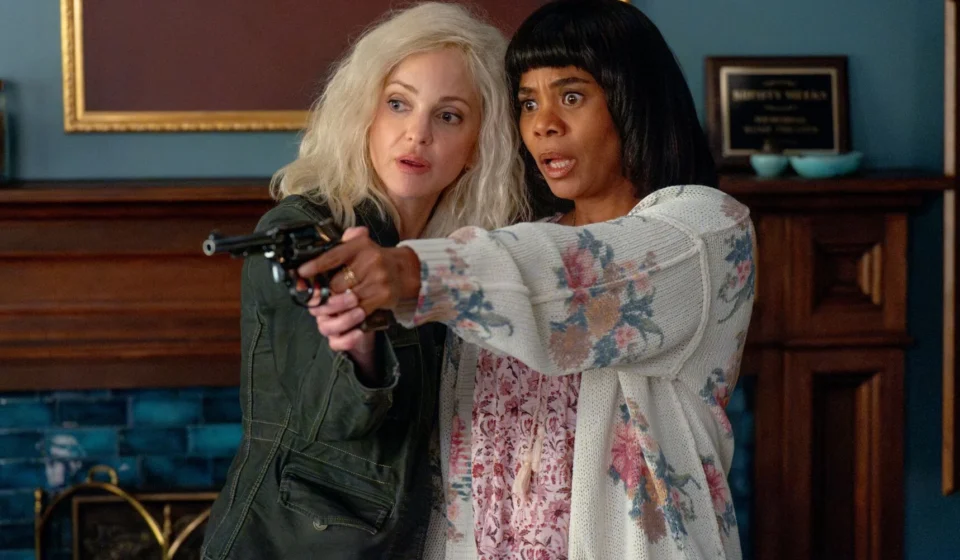
In a landscape dominated by sanitized intellectual property and risk-averse studio mandates, the surprise release of the latest Scary Movie entry—simply titled Scary Movie (2026)—stands as a defiant anomaly. Eschewing the conventional numerical suffix, the film is a deliberate act of historical revisionism. It is a cinematic "reset" that signals the return of the Wayans family to the franchise they birthed, effectively disowning the three sequels produced in their absence between 2003 and 2013.
The 2026 film is more than a reunion; it is a meta-textual reclamation of a genre that the Wayans brothers, alongside collaborators like Robert Townsend, spent four decades perfecting. By blending the raucous, offensive humor that defined their early work with a newfound emotional maturity, the film serves as both a parody of modern horror and a scathing indictment of the very industry that once sidelined its architects.
A Legacy of Laughter: The Chronology of a Genre
To understand the significance of the 2026 return, one must trace the evolution of the spoof film, a lineage that begins with the comedy team of David Zucker, Jim Abrahams, and Jerry Zucker (ZAZ).
The ZAZ Influence and the Birth of the Modern Spoof
In the 1970s, the comedy landscape was fractured by the political turbulence of Watergate, Vietnam, and the rising tide of identity politics. In this climate, ZAZ’s Kentucky Fried Movie (1977) offered a form of counterprogramming: a plotless, high-octane sketch reel that ignored the era’s political gravity in favor of anarchic, pop-cultural absurdity. As Jim Abrahams famously noted, they "steadfastly ignored all politics," a strategy that resonated with audiences weary of the daily news cycle.
When Airplane! (1980) arrived, it elevated this "dumb humor" to an art form, creating a template for the hyper-dense, reference-packed genre parodies that would dominate the next three decades.
The Wayans-Townsend Innovation
While the ZAZ model provided the structural blueprint, the Wayans family and Robert Townsend transformed the spoof from mere "cinematic karaoke" into a potent vehicle for social critique. Their collaboration began in earnest with the seminal Hollywood Shuffle (1987).
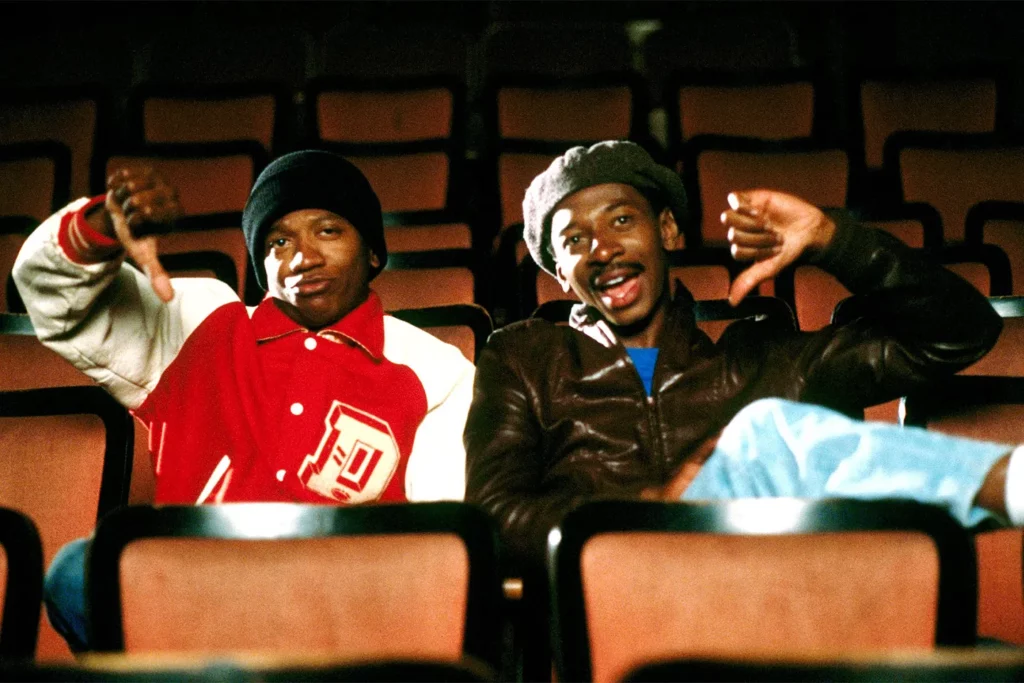
"We grew up on great comedy," Robert Townsend reflects. "Blazing Saddles, Kentucky Fried Movie—that’s where it started for me and Keenen." However, where ZAZ focused on the mechanics of the joke, the Wayans and Townsend focused on the context of the struggle. They used the spoof to highlight how Hollywood historically pigeonholed Black talent. In Hollywood Shuffle, they utilized a Siskel and Ebert-style framing device to dissect racist tropes in films like Dirty Harry (1971), turning their satirical gaze on the white-dominated power structures of Tinseltown.
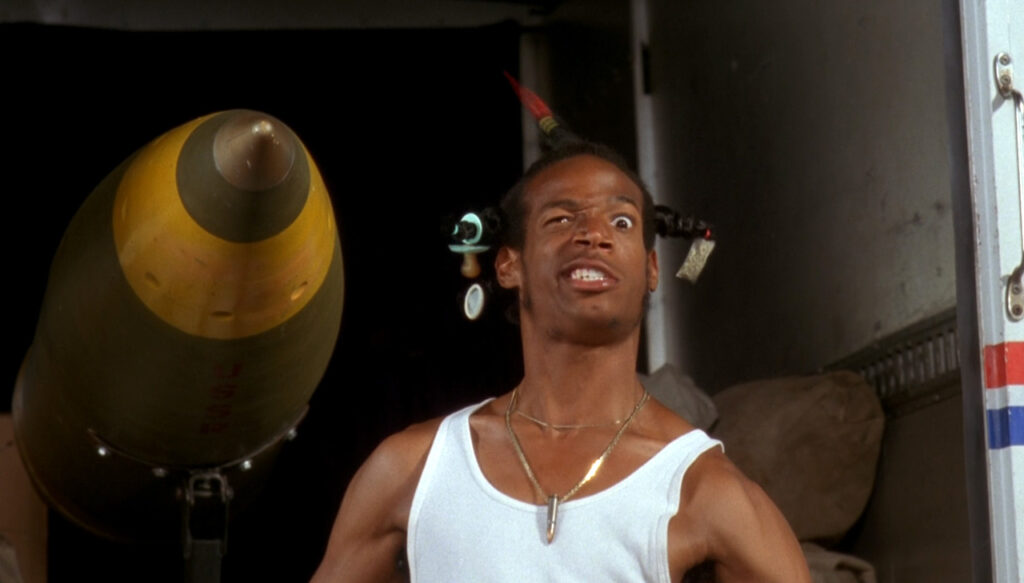
This trajectory continued through the 1990s with the groundbreaking sketch series In Living Color (1990–1994) and the cult classic Don’t Be a Menace to South Central while Drinking Your Juice in the Hood (1996). The latter film was a direct assault on the "hood flick" genre that had emerged in the wake of Boyz n the Hood and Menace II Society. The Wayans, specifically Marlon Wayans in his role as the absurd, nuclear-armed "Loc Dog," were not just making jokes; they were critiquing the studio system’s tendency to mine Black trauma for "popcorn entertainment."
The Scary Movie Phenomenon
The year 2000 marked the zenith of this approach with the release of the original Scary Movie. By spoofing the teen slasher revival, the film utilized a ruthlessly efficient formula: shot-for-shot parodies, meta-commentary, and the deliberate subversion of the "The Brother Always Dies First" trope coined by critic Roger Ebert.
The film turned a $19 million budget into a staggering $278 million global haul, effectively proving that a Black-led, subversive spoof could dominate the global box office. However, the subsequent years were marked by a bitter compensation dispute with the Weinsteins, leading to the Wayans’ departure from the franchise.
The "Crackhead" Years: A Franchise in Exile
The three sequels that followed (Scary Movie 3, 4, and 5) were directed by David Zucker. While they maintained the commercial viability of the series, they lacked the biting, cultural specificity of the original. Marlon Wayans famously described the experience of watching the franchise continue without his family’s involvement as "watching your child become a crackhead."
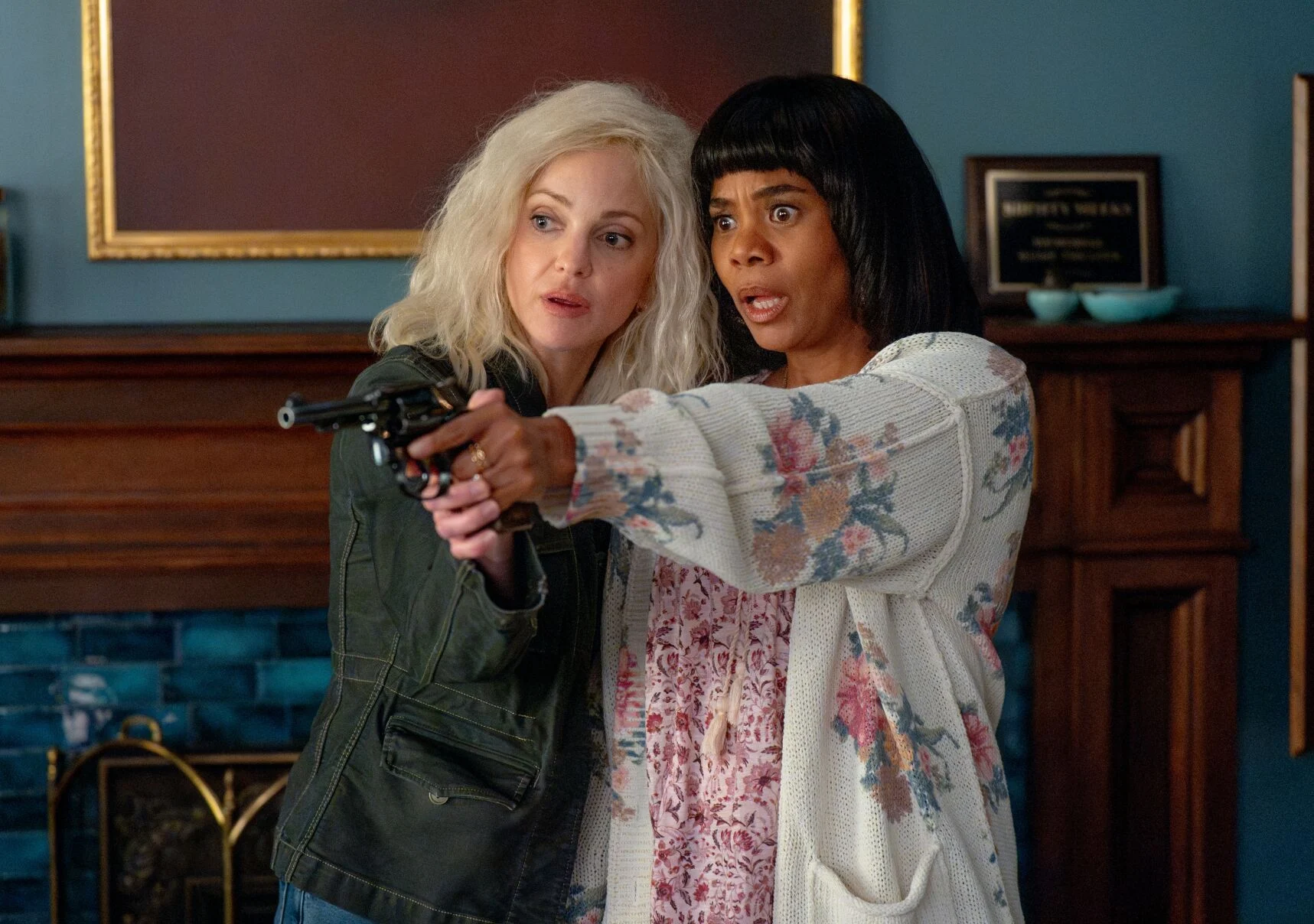
The 2026 film marks the end of this exile. With the original cast reunited for the first time in 25 years, the film brings a surprising depth to the table. While it retains the profane, "piss-and-fart" humor that the core fanbase demands, there is a palpable sense of warmth in the performances—a genuine camaraderie that elevates the film beyond mere parody.
Data and Performance: Why the Spoof Still Works
The success of the 2026 Scary Movie is not merely anecdotal; it is backed by cold, hard numbers. The film grossed $172 million in its first two weeks, a testament to the enduring power of the brand and the audience’s hunger for the specific brand of "Wayans-style" comedy.
| Film | Budget (Approx) | Global Gross |
|---|---|---|
| Scary Movie (2000) | $19M | $278M |
| Scary Movie (2026) | $65M | $172M (In Progress) |
The film’s strategy of "object-permanence callbacks"—revisiting jokes from the 2000 original while simultaneously skewering modern horror tropes—has proven to be a masterclass in cross-generational appeal.
Official Responses and Industry Implications
The film has sparked a conversation regarding the power dynamics of Hollywood. The narrative of the Wayans’ return is inherently linked to the industry’s evolution regarding Black creative control.
When asked about the secret to longevity, Robert Townsend points to a lesson he learned from Sidney Poitier: "I said no. I made sacrifices to do it, but I had the power to say no." This philosophy of artistic self-determination is the thread that connects Hollywood Shuffle to the 2026 Scary Movie.
The industry climate is undeniably different today than it was in 2000. Last year, Ryan Coogler’s Sinners—a film that deals directly with the white exploitation of Black art—grossed $370 million and secured a record-breaking number of Oscar nominations. Some analysts suggest that the success of Sinners has created a more hospitable environment for the Wayans to reintroduce their brand of critique. Others argue that the Wayans’ return is an independent triumph, proving that the spoof genre, when handled by its masters, remains an essential tool for cultural commentary.
Implications: A New Era for the Spoof?
The implications of Scary Movie (2026) are twofold. First, it demonstrates that audiences are tired of the "corporate" version of comedy. The success of the film suggests that fans prefer the jagged, messy, and often offensive authenticity of the original creators over the polished, focus-grouped products that have dominated the genre for the last decade.
Second, the film highlights a shifting paradigm in Hollywood’s power structure. By returning to a franchise they once left behind due to exploitation, the Wayans are not just reclaiming a title; they are reclaiming the narrative of their own success.
As the film continues to climb the box office charts, one question remains: will Hollywood learn the lesson that the Wayans have been teaching since the 1980s? Or will the industry continue to treat Black creators as expendable, only to beg for their return when the "original" magic begins to fade?
If the current reception is any indication, the Wayans have proven that they do not need the approval of the traditional power structure to command the audience’s attention. They have returned to the house they built, and this time, they are holding the keys.
"We didn’t know what we had back then," Townsend says of his early days with Keenen. Today, they know exactly what they have: a legacy of laughter that is as sharp, subversive, and necessary as it has ever been. The Scary Movie franchise has been resurrected, and for the first time in over two decades, the joke is finally back in the right hands.