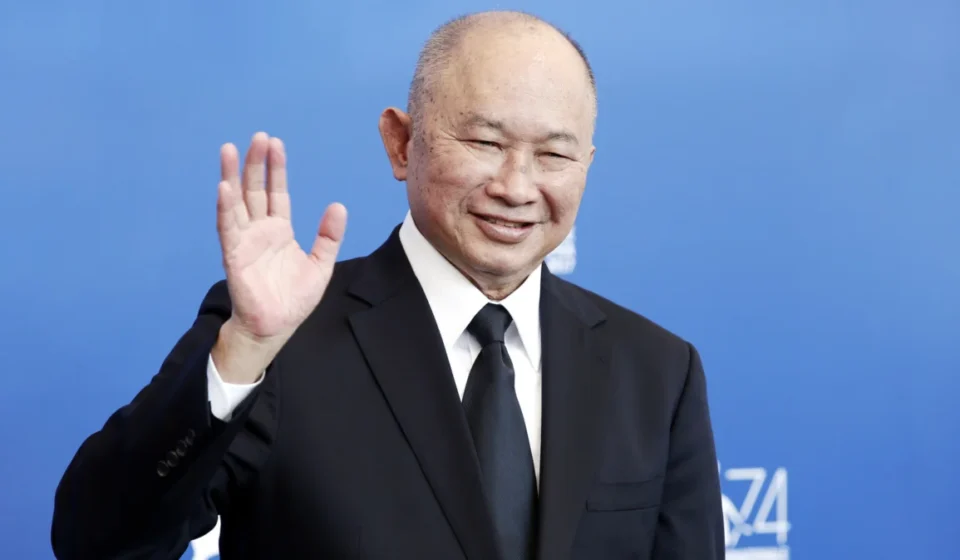

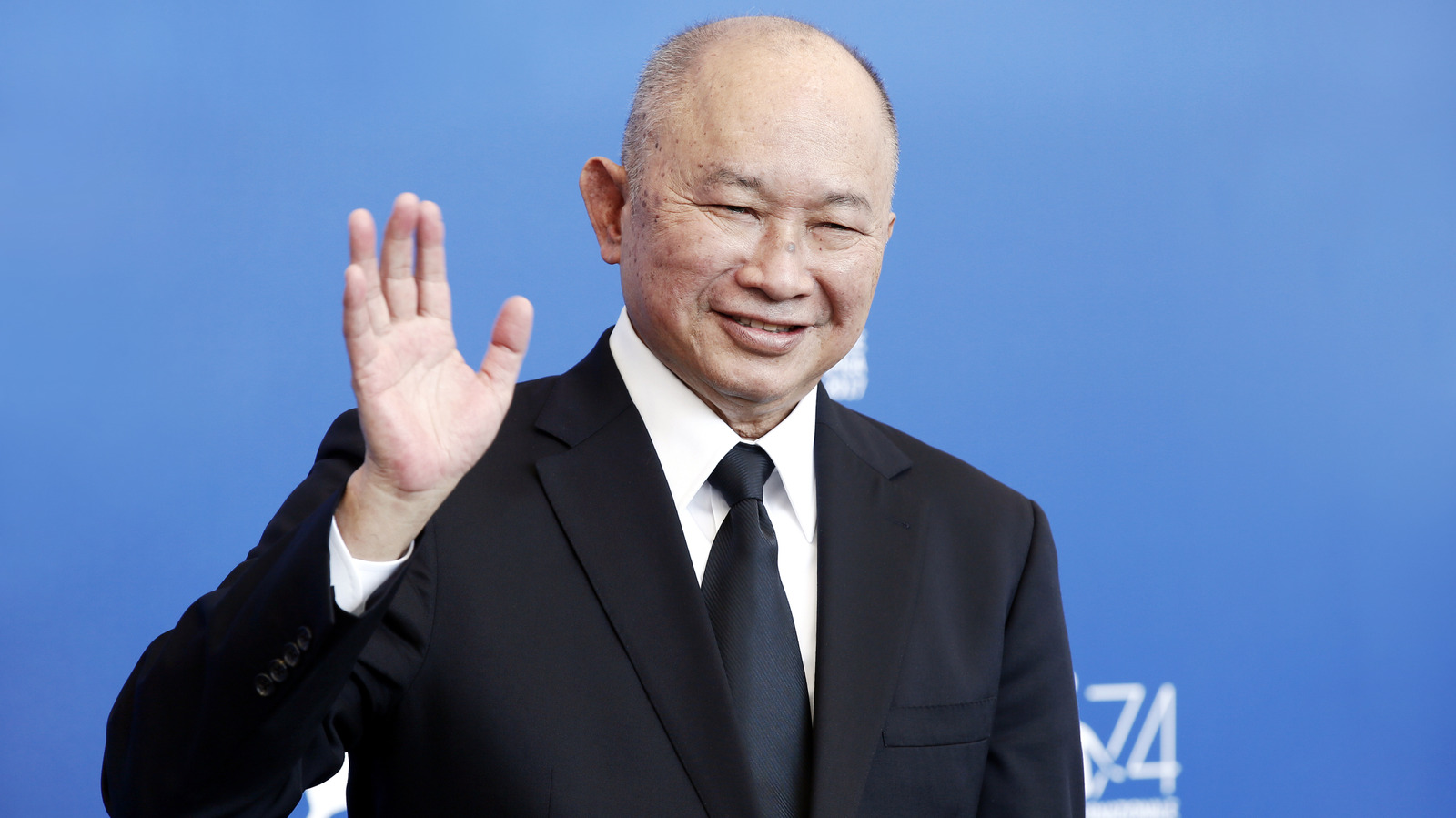
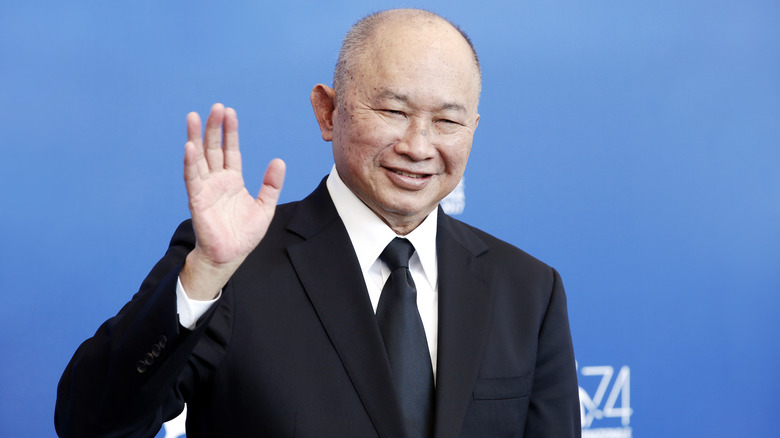
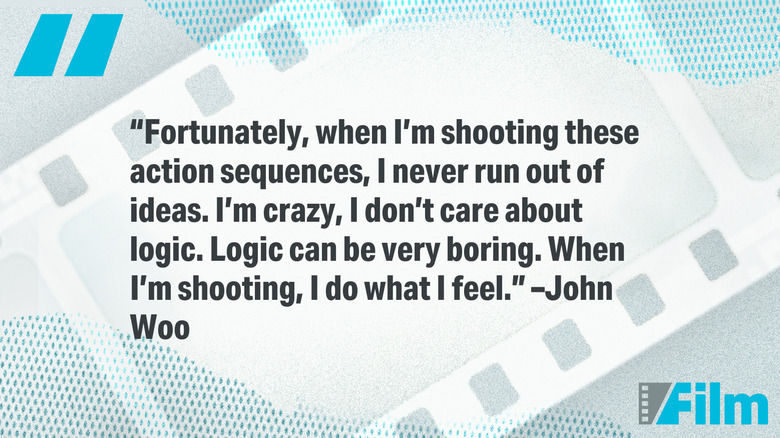
In the history of global cinema, few directors have exerted as profound an influence on the visual language of action as John Woo. A visionary who transformed the gritty, grounded streets of Hong Kong into operatic stages of balletic violence, Woo’s career is defined by a refusal to be tethered to the mundane constraints of reality. Central to his philosophy is a mantra that has guided his most iconic sequences: "I’m crazy, I don’t care about logic. Logic can be very boring. When I’m shooting, I do what I feel."
This declaration, famously captured during his commentary for the 1992 masterpiece Hard Boiled, serves as the cornerstone of the "Woo style"—a blend of wuxia aesthetics, film noir melancholy, and Western-style bravado. As modern audiences grapple with an increasing demand for "realism" in fiction, revisiting Woo’s philosophy offers a vital lesson on the importance of artistic intuition over mechanical accuracy.
The Architect of "Gun-Fu": A Cinematic Chronology
John Woo’s rise to prominence began long before his transition to Hollywood. After cutting his teeth in the Hong Kong film industry, Woo revolutionized the action genre with A Better Tomorrow (1986). This film did more than just break box office records; it established the "heroic bloodshed" subgenre, characterized by deep, often tragic bonds of brotherhood tested by extreme, stylized violence.
The chronology of his influence is staggering:
- 1986 – 1989: The A Better Tomorrow trilogy cements Woo as a master of dual-wielding handguns and emotional depth.
- 1989: The Killer is released, a film that remains the gold standard for poetic violence. It solidified his use of doves, slow motion, and the church as a recurring motif for moral conflict.
- 1992: Hard Boiled hits theaters. It is widely considered his magnum opus, featuring the legendary "Tea Room Shootout."
- 1993 – 2003: Woo pivots to the West, directing hits like Hard Target, Broken Arrow, and the genre-bending cult classic Face/Off.
Throughout this period, his methodology remained consistent. While his peers were focusing on tactical realism, Woo was choreographing gunfights like a Broadway musical. He treated a lead projectile with the same grace that Bob Fosse treated a jazz hand.
The "Hard Boiled" Doctrine: Where Logic Goes to Die
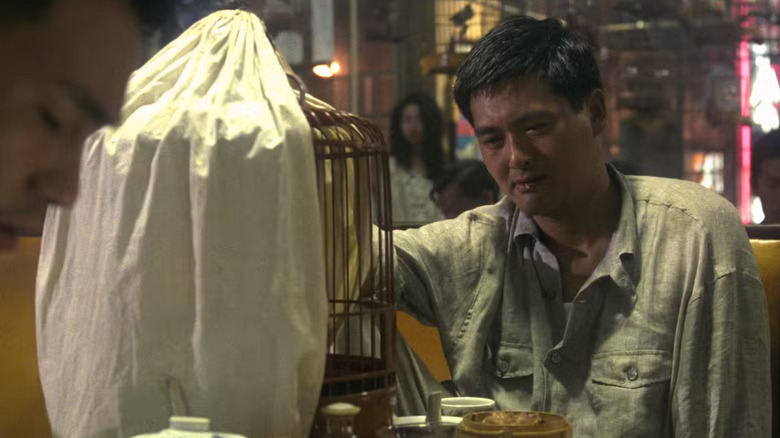
To understand Woo’s rejection of logic, one must look at the "Tea Room Shootout" in Hard Boiled. The scene is a masterclass in controlled chaos: Tequila (Chow Yun-fat) engages in a shootout where physics seemingly take a back seat to choreography. Furniture disintegrates in rhythm with the gunfire, birds erupt from cages in a flurry of feathers, and civilians flee through a kaleidoscope of shattering glass.
When analysts or critics point out that the sheer volume of ammunition fired—or the lack of cover taken by the protagonists—defies tactical logic, Woo’s response is simple: he doesn’t care. The scene is not intended to be a military simulation; it is a visual representation of internal emotional intensity. The "logic" of the scene is internal to the character’s state of mind, not the physical world. If a character is mourning the loss of a partner or fighting for their soul, the environment must react with a level of intensity that mirrors that struggle, regardless of whether a real-world building would actually explode under such duress.
Supporting Data: The Ripple Effect of Woo’s Style
The impact of this philosophy is not merely anecdotal; it is empirically visible in the DNA of contemporary cinema. The "double gun" aesthetic is now a staple of the action genre, but Woo’s influence goes deeper than props.
Consider the "Bullet Time" sequences of The Matrix or the rhythmic, dance-like brutality of the John Wick franchise. These films do not function on the logic of reality; they function on the logic of style. Chad Stahelski, director of the John Wick series, has frequently cited Woo as a primary influence. By stripping away the "boring" requirements of realism, directors are freed to prioritize the "feel" of the action. This creates a hyper-reality that invites the audience to stop questioning the mechanics of a reload and start feeling the rhythm of the conflict.
Official Responses and Creative Philosophy
In various interviews and retrospective commentary tracks, Woo has consistently framed his work as a form of liberation. He has often described his process as "painting with movement." When he notes that "logic can be very boring," he is speaking to the stifling nature of literalism.
Critics of modern media often argue that we are entering an era of "media illiteracy," where the audience views fiction through the lens of a checklist. Does the protagonist have enough ammo? Is the fall survivable? This obsession with realism creates a "sanitized" vision of art. When a creator is forced to answer for every logistical inconsistency, the spontaneity of the creative process is replaced by a cold, clinical adherence to rules. Woo’s work stands as a defiant monument against this sanitization.
The Implications for Modern Storytelling
The implications of John Woo’s philosophy are profound for current and future filmmakers. If we demand that all art mirror reality with exact precision, we lose the capacity for metaphor.
- Emotional Truth vs. Factual Accuracy: Woo’s films prove that an audience can suspend their disbelief if the emotional stakes are high enough. The "bassinets in a burning building" sequence in Hard Boiled is logically absurd, but it is emotionally devastating and heroic. It tells us more about Tequila’s character than a realistic rescue ever could.
- The Death of Creativity through Literalism: The pressure to be "realistic" has led to a glut of films that feel like video game tutorials rather than cinematic experiences. By embracing the "crazy," Woo allows for the birth of imagery that would otherwise be left on the cutting room floor.
- The Legacy of the "Feel": Filmmakers who prioritize the "feel" of a scene are the ones who create the most enduring images. Whether it is the doves flying in The Killer or the face-swapping surgery in Face/Off, Woo’s choices are always calculated to maximize the visceral impact on the viewer.
Conclusion: Why We Need More "Crazy"
In an age where algorithms and focus groups often dictate the boundaries of narrative, John Woo’s perspective remains a radical act of defiance. To be a great filmmaker, one must be willing to abandon the safety of logic to find the truth of human emotion.
We must move away from the trend of "naysaying" that plagues online discourse. Instead of asking if a scene "could happen in real life," we should be asking: "Does this scene communicate the soul of the story?" John Woo answered that question decades ago with a pair of Berettas and a flock of doves. As long as audiences value the poetry of action over the physics of a shootout, the influence of John Woo will remain an essential pillar of cinema. He reminds us that the most memorable moments in life—and in film—are rarely the ones that make logical sense. They are the ones that make us feel something profound.