The Return of the Titans: Why ‘Avengers: Doomsday’ Is Poised to Shatter All-Time Box Office Records

The Marvel Cinematic Universe (MCU), long considered the undisputed king of the global box office, has spent the better part of the 2020s navigating a turbulent landscape. Following the historic conclusion of the "Infinity Saga" with Avengers: Endgame in 2019, the franchise faced a series of challenges: shifting audience appetites, a crowded streaming market, and a string of underperforming entries that led many industry analysts to question whether the MCU had finally lost its cultural dominance.
However, the tide appears to be turning. With the upcoming release of Avengers: Doomsday, scheduled to hit theaters on December 18, 2026, Marvel Studios is not merely looking to recover—it is aiming to reclaim the throne. Current box office tracking suggests that Doomsday is on track to deliver the most lucrative opening weekend in the history of cinema, signaling a definitive return to the 2010s-era highs that defined the studio’s golden age.
The Financial Forecast: A New High-Water Mark
According to recent projections from Box Office Theory, Avengers: Doomsday is currently tracking for a massive domestic opening weekend between $375 million and $424 million. To put these numbers in perspective, the current domestic record is held by this past July’s Spider-Man: Brand New Day, which debuted to a staggering $360 million. If Doomsday hits even the lower end of its projected range, it will comfortably surpass that figure, setting a new benchmark for North American theatrical performance.
These figures are particularly impressive when one considers the competitive landscape. Doomsday is scheduled to open simultaneously with the highly anticipated Dune: Part Three. While the latter is expected to perform as a legitimate blockbuster with a projected opening between $91 million and $115 million, the sheer gravitational pull of the Avengers brand is expected to eclipse the competition. Industry experts are already dubbing this cultural phenomenon "Dunesday," predicting it will surpass the impact of the 2023 "Barbenheimer" event by orders of magnitude.
Chronology: The Path to Doomsday
To understand the magnitude of this impending release, one must look at the recent trajectory of the MCU. Following the record-breaking success of Endgame—which famously reclaimed the title of the highest-grossing film in history, currently sitting at $2.94 billion—the franchise attempted to expand its scope through the Multiverse Saga.
While the concept allowed for ambitious storytelling, the results were inconsistent. Projects like The Marvels struggled to find a footing, finishing its run as the lowest-grossing film in MCU history. Similarly, films like *Thunderbolts** failed to ignite the commercial fires that once seemed guaranteed for every Marvel project. These setbacks created a narrative of "superhero fatigue" that dominated industry discourse throughout 2024 and 2025.
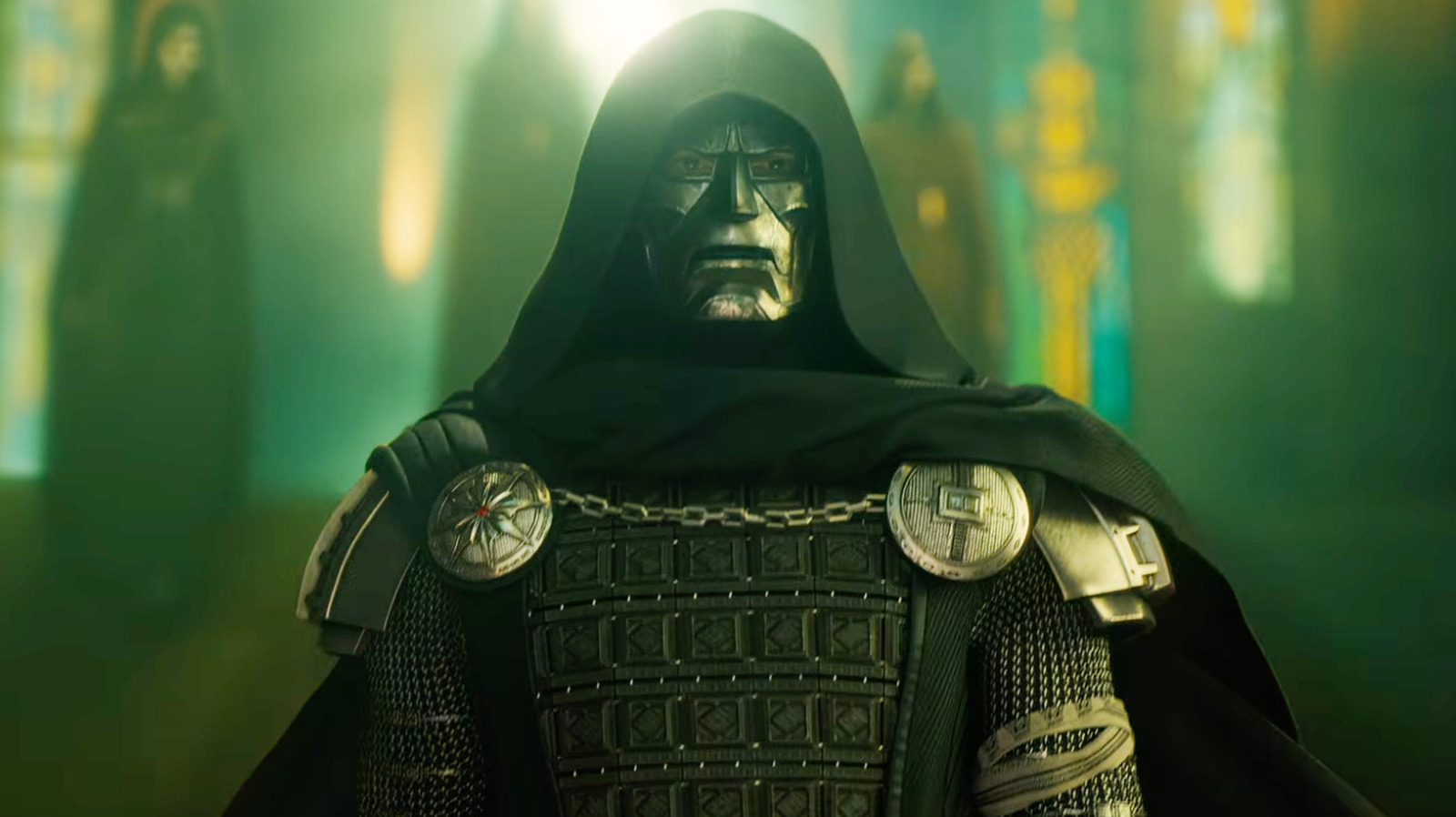
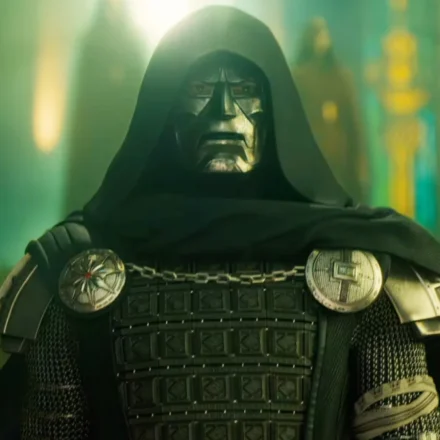
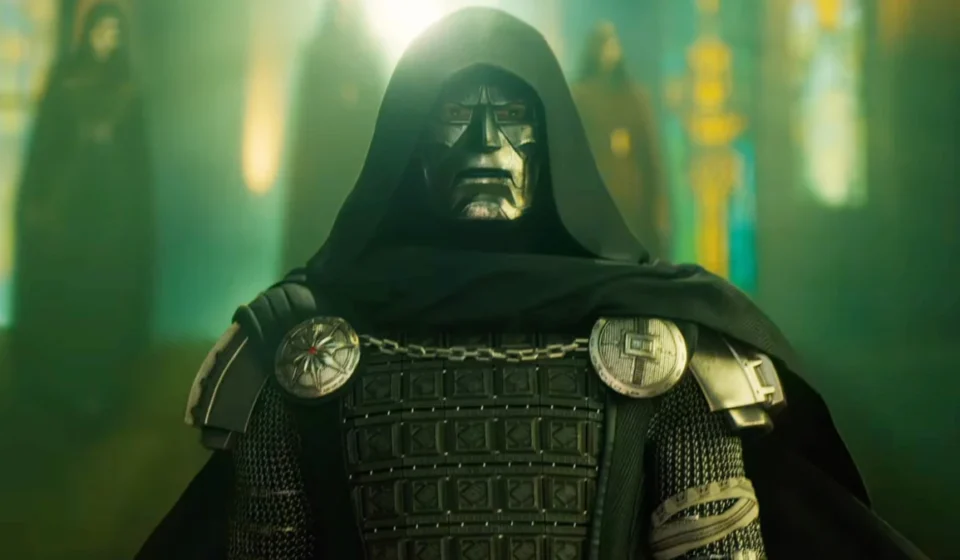
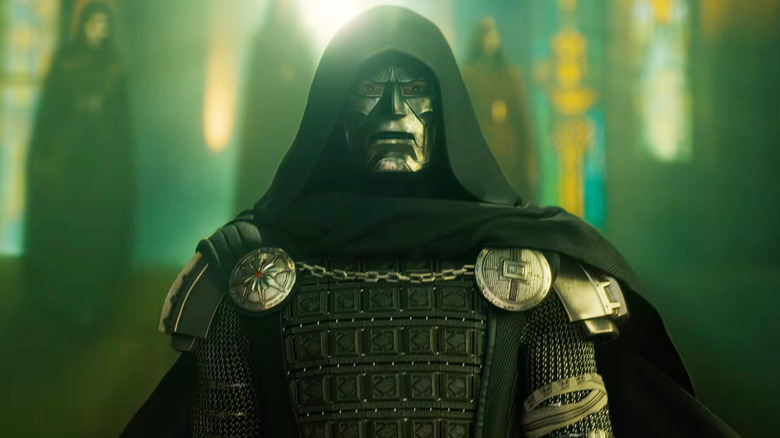
Yet, the announcement of Avengers: Doomsday served as a strategic pivot. By reuniting the Infinity War and Endgame architects—Joe and Anthony Russo—and introducing Robert Downey Jr. as the iconic villain Doctor Doom, Marvel effectively hit the reset button. The decision to lean into nostalgia while simultaneously raising the stakes for a collision between three distinct universes has proven to be a masterstroke in audience engagement.
Supporting Data: Why the Avengers Still Matter
Critics who argued that the MCU was on a permanent decline often underestimated the "Avengers" brand itself. While individual character films have struggled, the Avengers banner remains the gold standard for event cinema.
The data suggests that the hunger for massive, interconnected crossover events remains as strong as ever. Even without the logistical advantage of IMAX screens—which are currently locked in for the Dune: Part Three release—Doomsday is expected to break records. Historically, IMAX has been a critical driver for blockbuster success, but the sheer demand for Doomsday suggests that the film will succeed through volume and premium large-format screenings in non-IMAX theaters, proving that the brand is now bigger than the distribution infrastructure.
Furthermore, the film serves as the penultimate chapter leading into Avengers: Secret Wars. By adapting one of the most celebrated storylines in Marvel Comics history, the studio is creating a two-part finale for the Multiverse Saga that mirrors the success of Infinity War and Endgame.
Official Responses and Strategic Shifts
Marvel Studios has remained calculated in its promotion. Rather than focusing on the "Multiverse" terminology that many critics argued became too confusing for general audiences, the marketing for Doomsday has focused on character stakes and the return of familiar creative talent.
The Russo Brothers have expressed in various briefings that their return to the franchise was predicated on the desire to tell a story that feels as intimate as it is epic. By centering the conflict on Doctor Doom—a character whose tragic origins and intellectual superiority provide a stark contrast to the heroes—the studio is betting on a "villain-centric" approach that has historically served them well.
Disney, the parent company, has also shown renewed confidence. Executives have noted that the "eventization" of cinema is the only way to guarantee massive box office returns in the current market. By clearing the calendar and focusing resources on two major Avengers films, they are signaling a departure from the "quantity over quality" model that defined the studio’s early Disney+ expansion.
Implications for the Industry
The success of Avengers: Doomsday will have profound implications for the future of Hollywood. First, it will likely confirm that the "superhero fatigue" narrative was premature. It suggests that audiences are not tired of superheroes, but rather tired of a lack of clear stakes and cohesive narrative arcs.
Second, the "Dunesday" clash will be a case study in theatrical endurance. If two films of this magnitude can both succeed on the same weekend, it could lead to a resurgence in the "double feature" culture, encouraging studios to stop fearing competition and instead lean into the excitement of a packed release calendar.
Finally, the return of Robert Downey Jr. serves as a bold financial statement. By bringing back the face of the franchise in a new, darker capacity, Marvel has demonstrated that the MCU is willing to leverage its past to secure its future. If Doomsday performs as expected, we can likely anticipate a decade of similar "legacy-focused" storytelling, where iconic actors and directors are brought back to anchor the studio’s most important projects.
Conclusion
As we look toward the winter of 2026, the industry is bracing for a shift. The numbers are staggering, the expectations are sky-high, and the stakes for Marvel Studios have never been higher. Whether or not Avengers: Doomsday truly becomes the highest-grossing opening weekend of all time, one thing is certain: the appetite for the Marvel Cinematic Universe is far from sated. By blending the nostalgia of the 2010s with the high-stakes intensity of a multiversal crisis, Marvel is poised to remind the world why the Avengers remain the undisputed heavyweights of the global box office.
The era of the "fallen grace" appears to be drawing to a close, replaced by an era of renewed ambition. On December 18, 2026, the world will turn its eyes to the theater, and for the first time in years, the MCU will feel like the center of the cinematic universe once again.